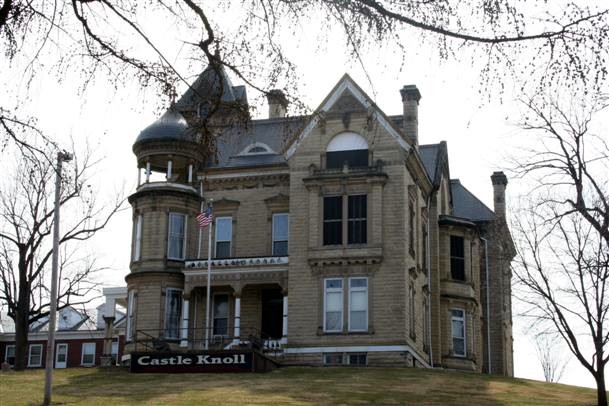
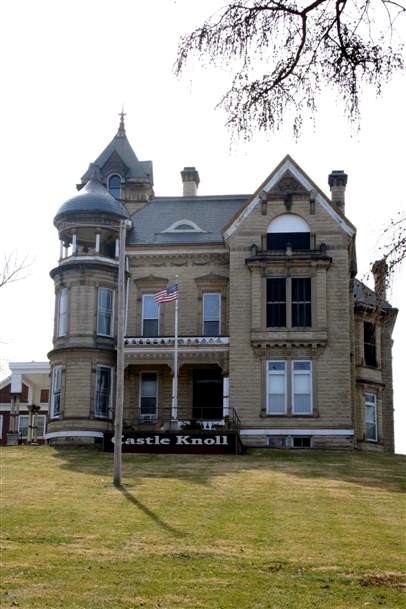
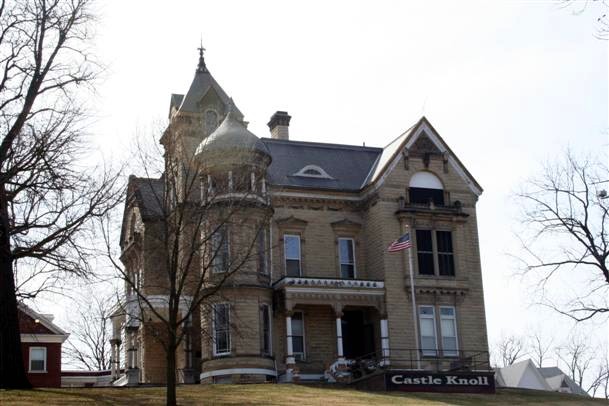
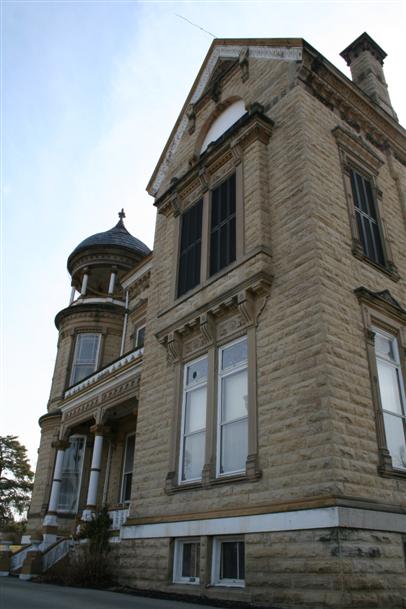
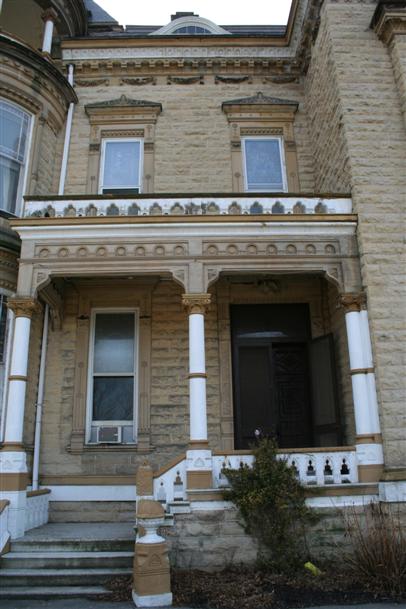
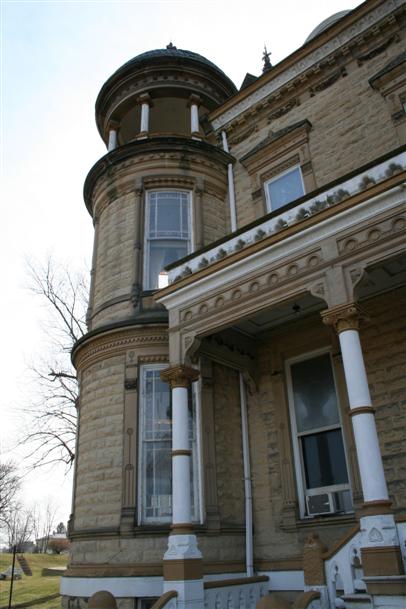
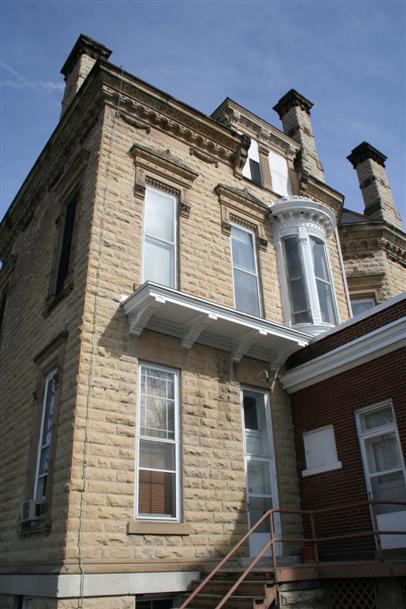
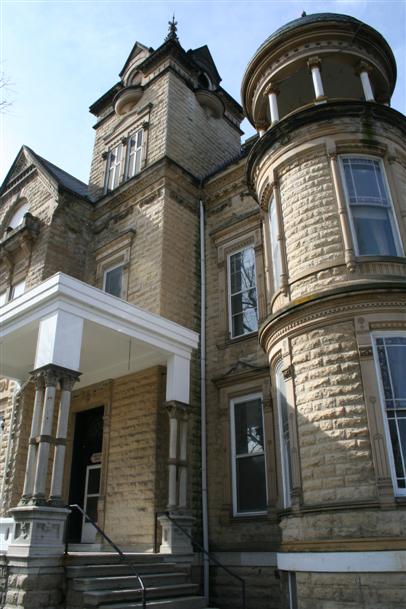
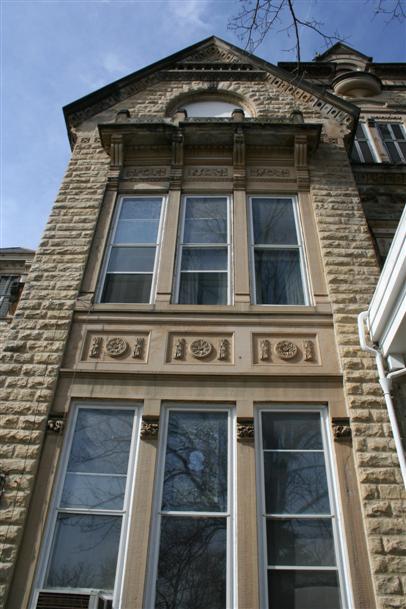
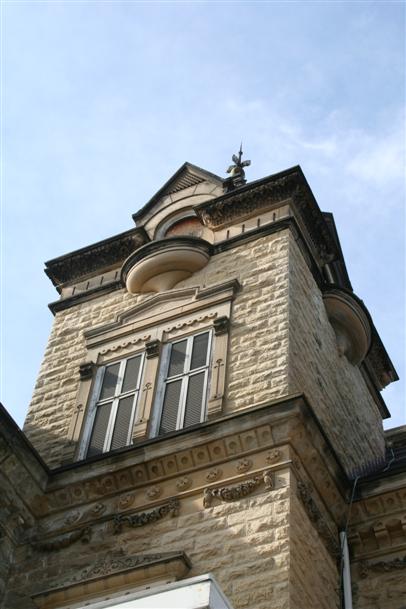
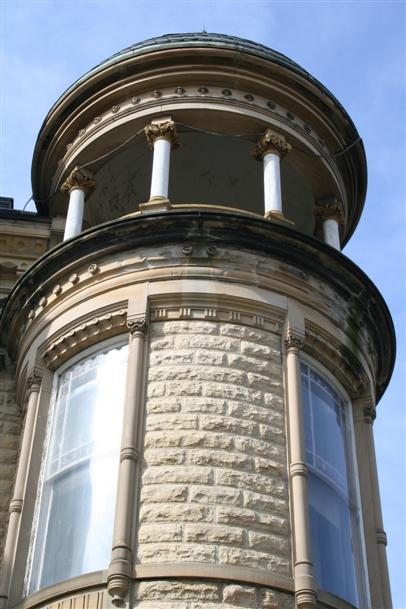
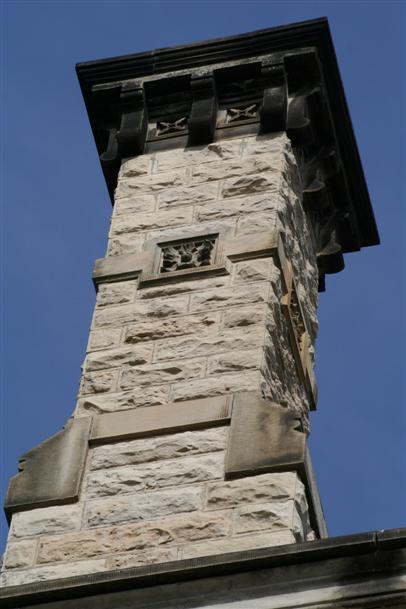
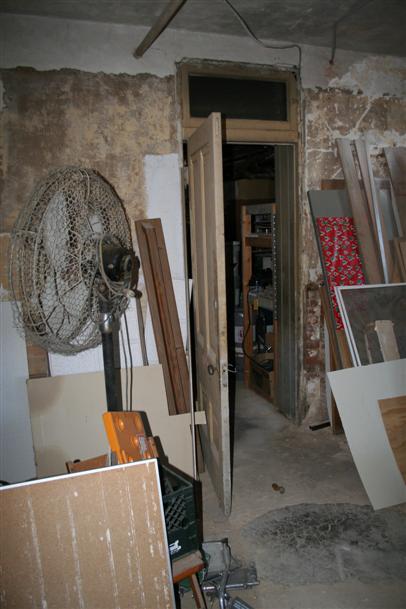
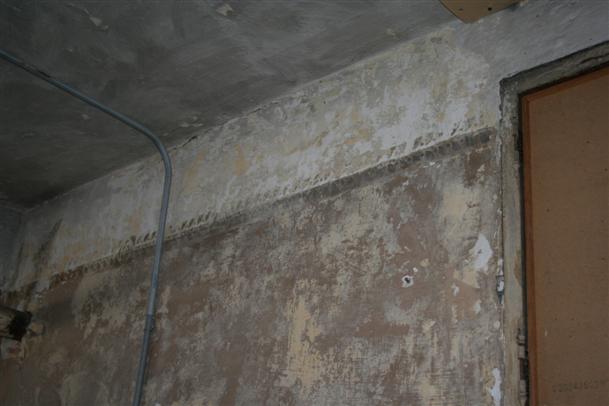
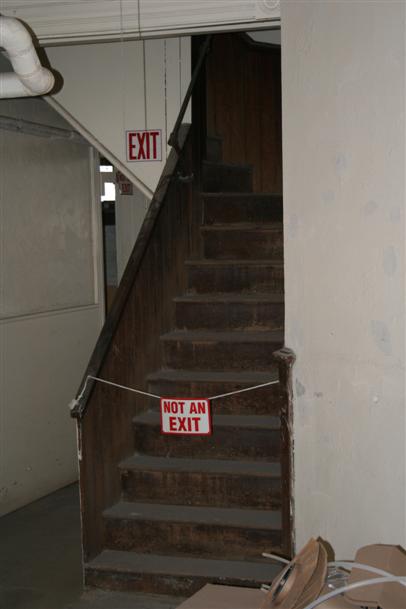
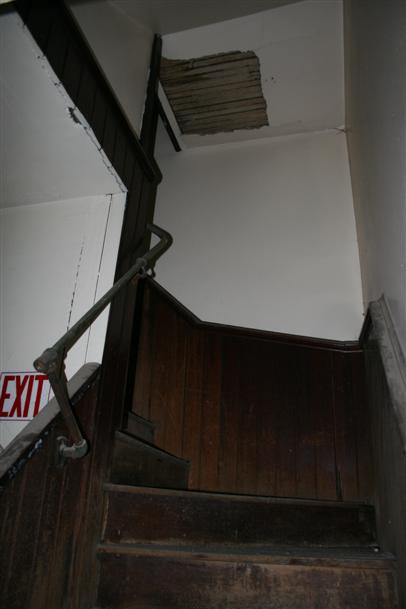
The OES visited the P.P. Mast Castle on February 25, 2006. Located on a hill west of downtown Springfield, this beautiful home looked very much like a castle. But we could find very little information on who P.P. Mast was or how he could afford to build such a magnificent home. Luckily, we found someone who was extremely knowledgeable about Mast. Phineas P. Mast arrived in Springfield in 1856 from Urbana, Ohio, as a very successful businessman. It seemed that everything he did turned into instant money. Buckeye Agriculture Works was one of the mammoth manufacturing establishments in the United States. In just a few years, the firm of Thomas and Mast became famous across the nation.
The original proprietors were Phineas Mast and John Thomas, a young lawyer. Together, they invested in and manufactured the Buckeye Grain Drill, Buckeye Cultivator, and the Buckeye Cider Mill. Thomas withdrew from the firm, and his interest passed to the hands of Mast, and the P.P. Mast Company was on its way. Mast radically improved his machines to make them the best-made and most useful machines that ingenuity could devise. The machines were constructed from wood, iron, and steel by cunning and efficient workers. The company grew from year to year until it became one of the greatest mechanical and manufacturing enterprises of the time. In 1875, the Mast/Foos Company was formed, and a factory was built on the west end of Springfield. At the time of its construction, the factory was one of the most modern, well-designed buildings in the nation. It was at this massive factory that tubular boilers, portable boilers, and wind engines were built. The company even produced a 400-horsepower boiler to make steam at the Industrial Exposition in the Philadelphia Pen in 1876. The company later incorporated as a stock company and manufactured Buckeye Lawn Mowers, iron turbine wind machines, and Buckeye Force Pumps.
A sixteen-page agricultural/home journal called the Farm and Fireside was first published on October 1, 1877, by P.P. Mast, with no doubt of its success. On June 1, 1879, P.P. Mast, J.S. Crowell, and T.J. Kirkpatrick purchased the subscription list and moved to the Republic Building on Main Street in Springfield. The journal contained the latest high-style dress patterns, farm machinery, and photos printed on stereotyped plates. It had a circulation of 103,000 copies printed twice a month in every state in the Union. Each printing required five tons of paper and bid to surpass any journal in the United States.
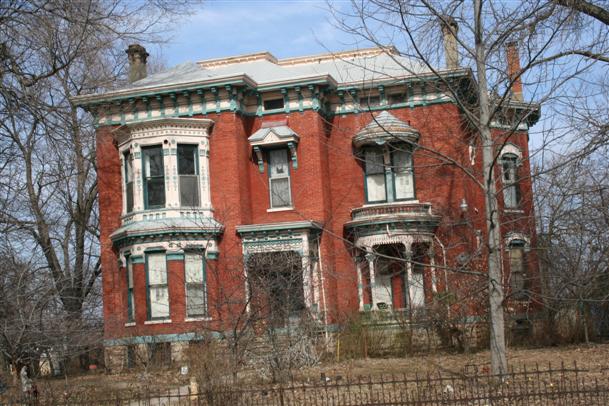
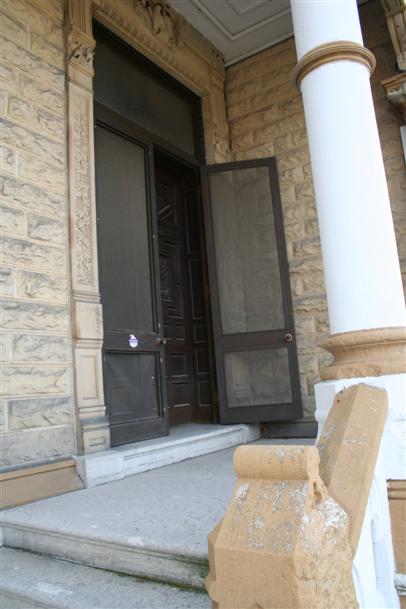
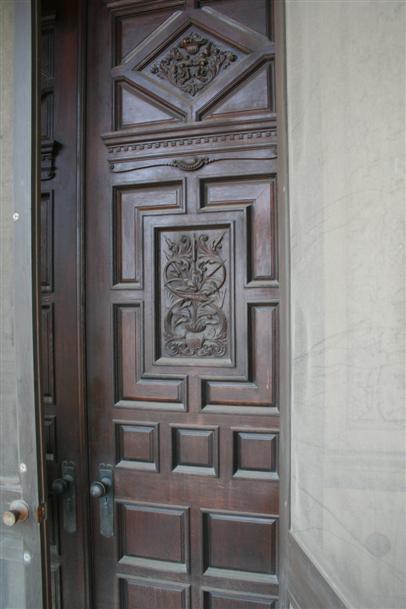
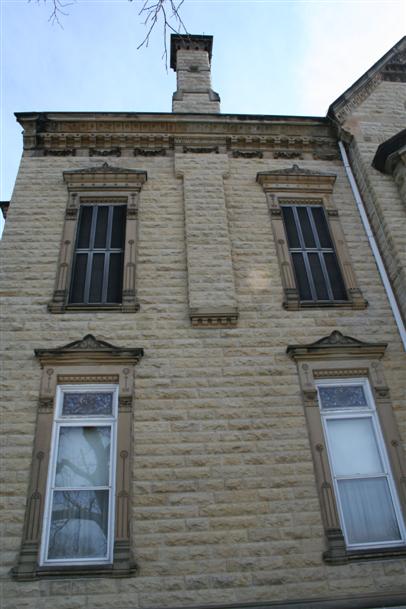
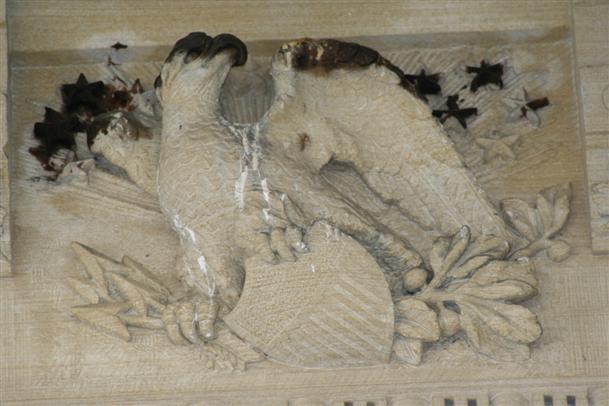
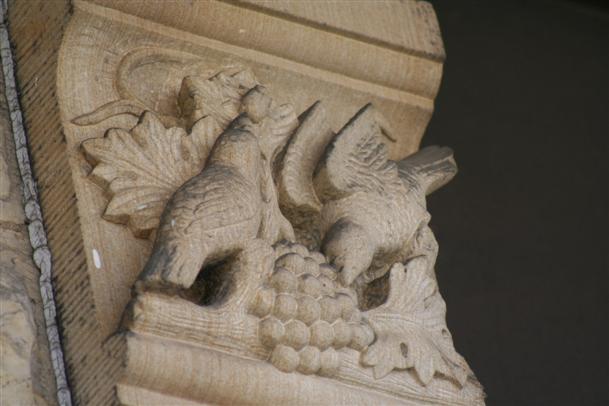
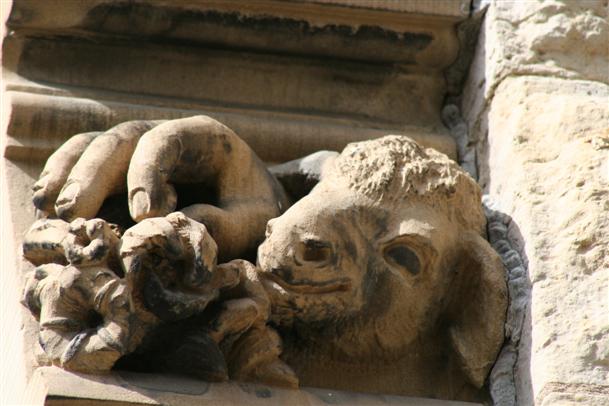
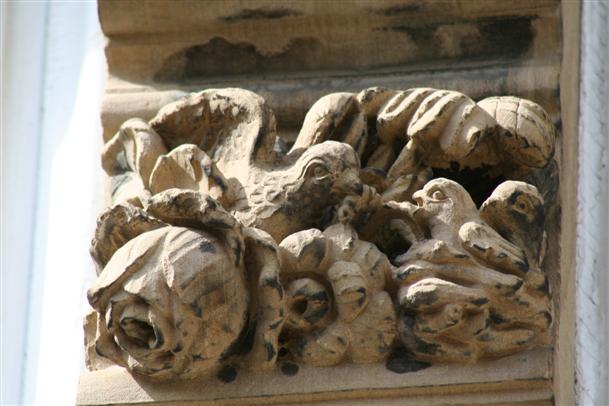
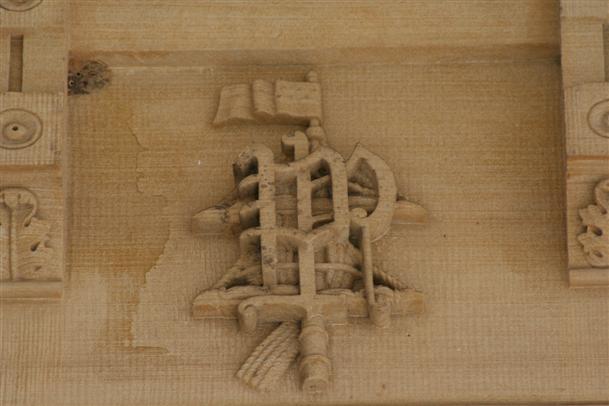
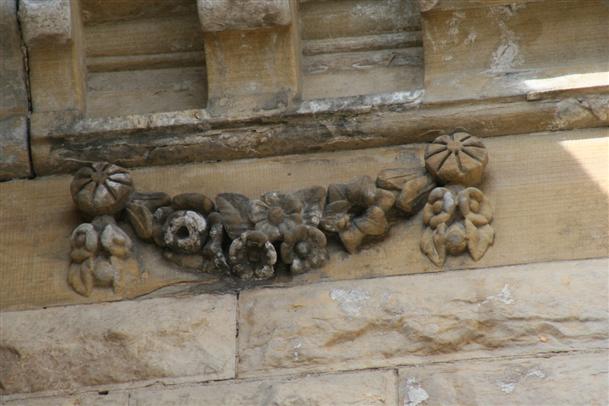
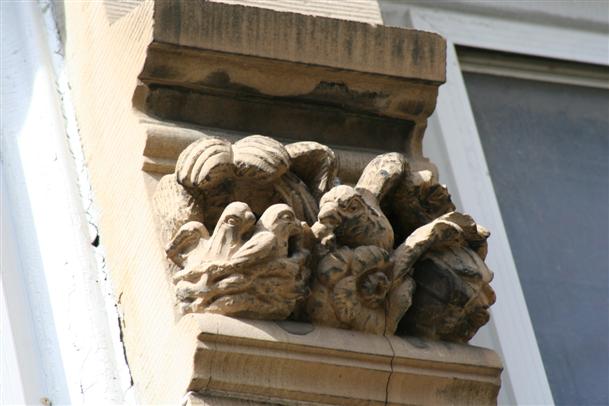
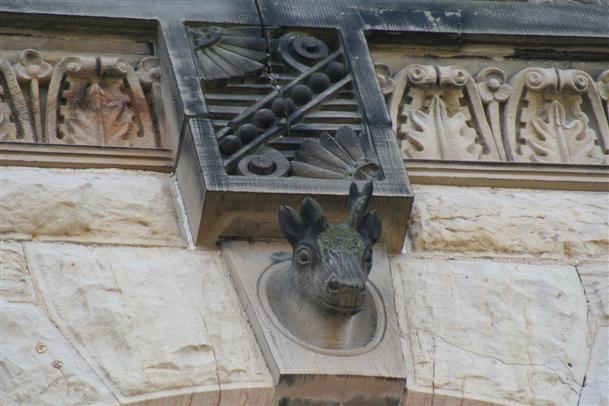
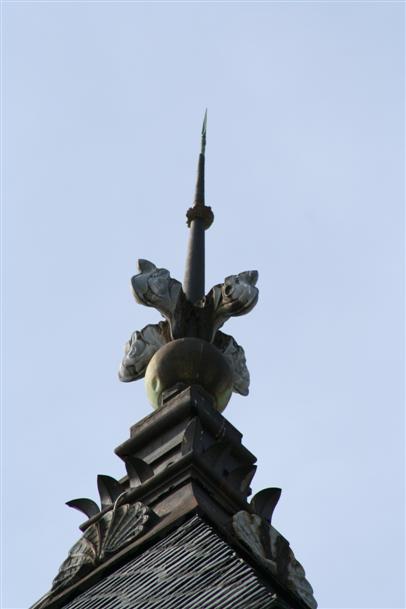
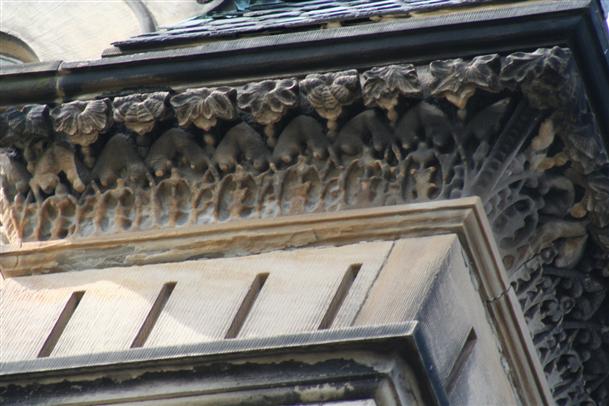
Mast eventually decided to build a grand home. The castle that he called home was built between 1880 and 1882 at a cost of $250,000 on the highest knoll in the area. Mast hired immigrant cabinet makers and stone masons from Italy to build the castle. He also imported exotic woods from around the globe for the mantels, doorways, stairways, and other woodwork. Stained glass windows and beveled and beaded glass from France were also features of the castle. The stone casings around the exterior doors and windows were hand-chiseled with ornate designs. Obviously, this castle was a labor of love, but his wife, A. Marish, didn’t like the castle much and likely lived in the large red brick house across the street from the castle. After a moderate fire at the castle, it is believed the family moved to the brick house; others say they lived in the brick home while the castle was under construction.
Along with other ventures, Mast was mayor of Springfield for two years and was president of the Springfield National Bank for a period. As mentioned above, Mast was married to A. Marish Mast. Not much is known about her other than that she died on April 21, 1895, of Bright’s disease. Mast himself passed away in the castle a few years later, on November 20, 1898. Both were buried in Ferncliff Cemetery in their private lots. The Masts raised two nieces as daughters after his brother’s death. The first niece, Belle, married Mr. George Frey, who was president of the Springfield, Wilmington, and Cincinnati Railroads. They lived in a home next to the castle. Belle died in 1935 and was buried with her family. The second niece’s name was Elizabeth. She married Mr. Francis Loomis and lived on East High Street. Loomis was appointed Assistant Secretary of State under the Roosevelt administration.
So now the question is, how could Phineas P. Mast have lived within such successful circles, being a world-class industry leader, a millionaire who built empires, hired hundreds of employees, donated money to important causes, traveled the world, and invent state-of-the-art products, be relatively unknown today? We all know the name Rockefeller, why not Mast? There is virtually nothing written about him, but the castle he built told us much about Mast and his success. The castle was used by several organizations after the death of Mr. Mast, including a boy’s home, a long tenure as a lodge for The Knights of Pythias, and most recently as Castle Knoll, a nursing home facility. The future of the castle is unknown. The nursing home has moved to a new location, and there weren’t any potential tenants to move in at the time of our visit. Hopefully, the castle will be restored to its full potential as a trophy of American history.
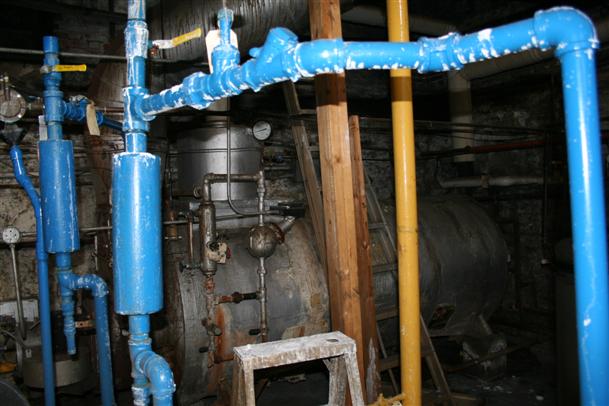
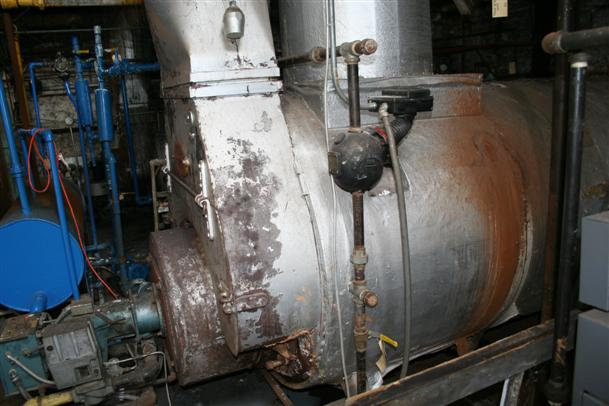
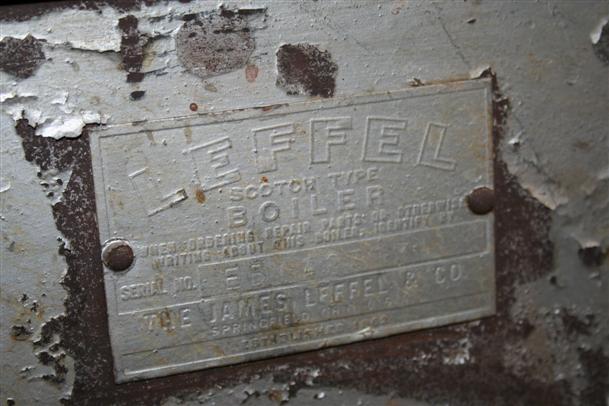
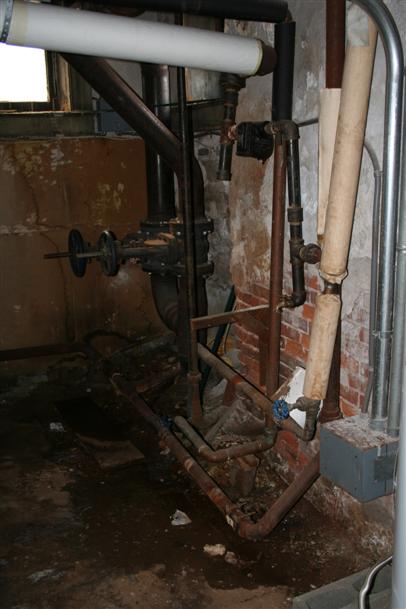
According to an email we received in May 2010, the P.P. Mast Castle was purchased by the Turner Foundation of Springfield. The organization has bought, restored, and preserved other area homes. The foundation received a state grant in October 2011 to remove asbestos from the castle and the nursing home wings. A boiler replacement and new roofing have already been completed. If you have any further information about the castle’s fate, please email with the details.
A special thanks to Philip Duncan for inviting us to the P.P. Mast Castle for his research, dedication, and hard work in uncovering the history of the Phineas P. Mast family and their castle.
Location Information: Restoration Pending
The P.P. Mast Castle is located at 901 West High Street in Springfield; Clark County.
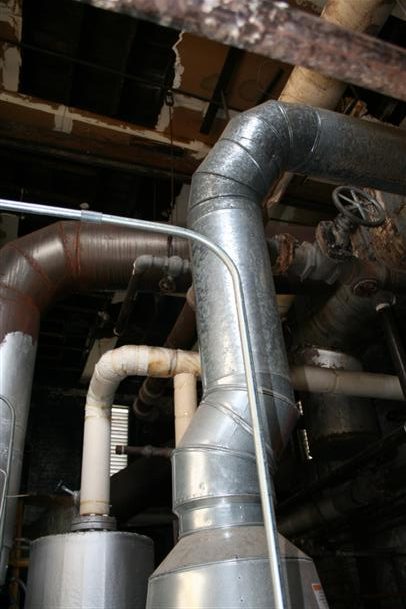
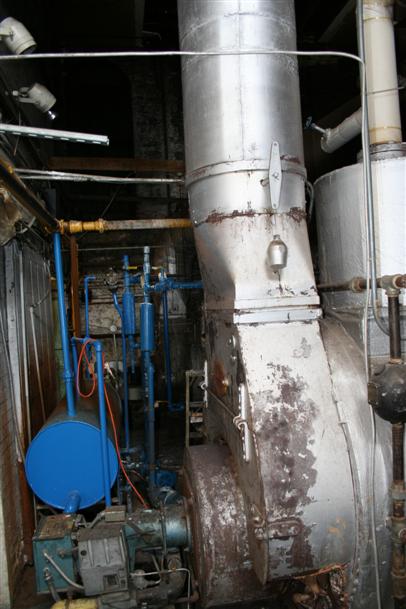
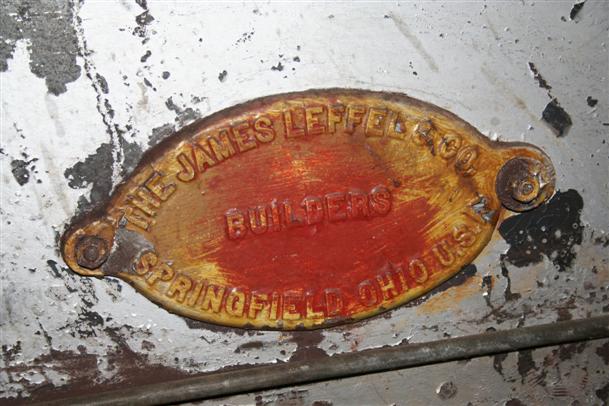
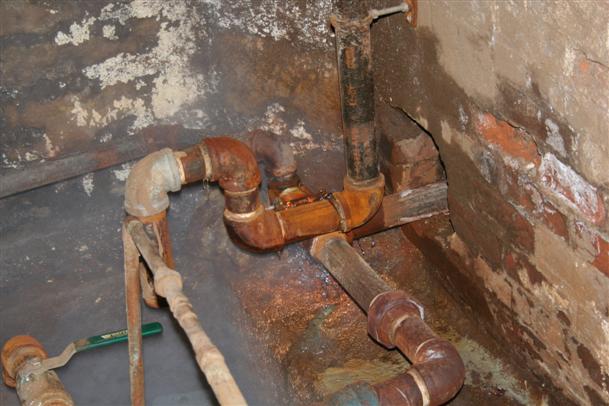
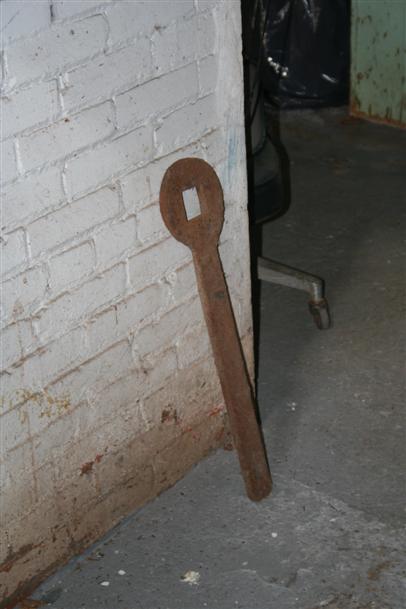
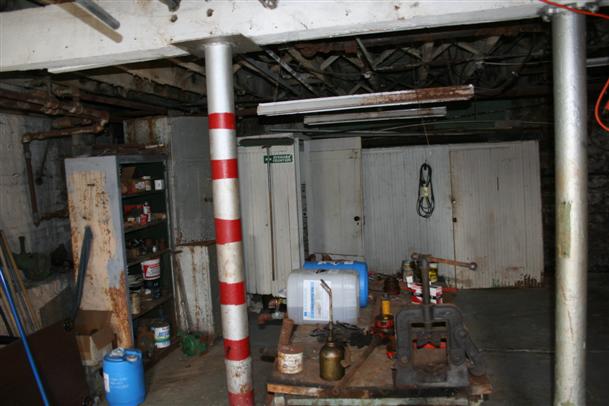
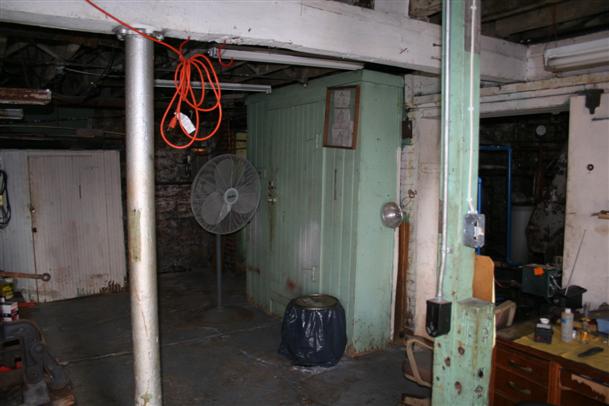
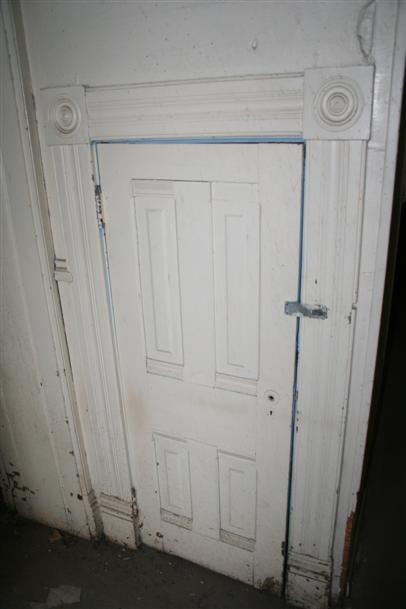
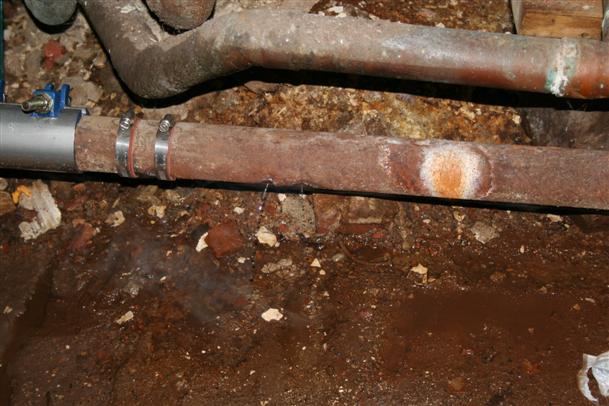
Photographs: Exterior, Carriage/Boiler House, Basement