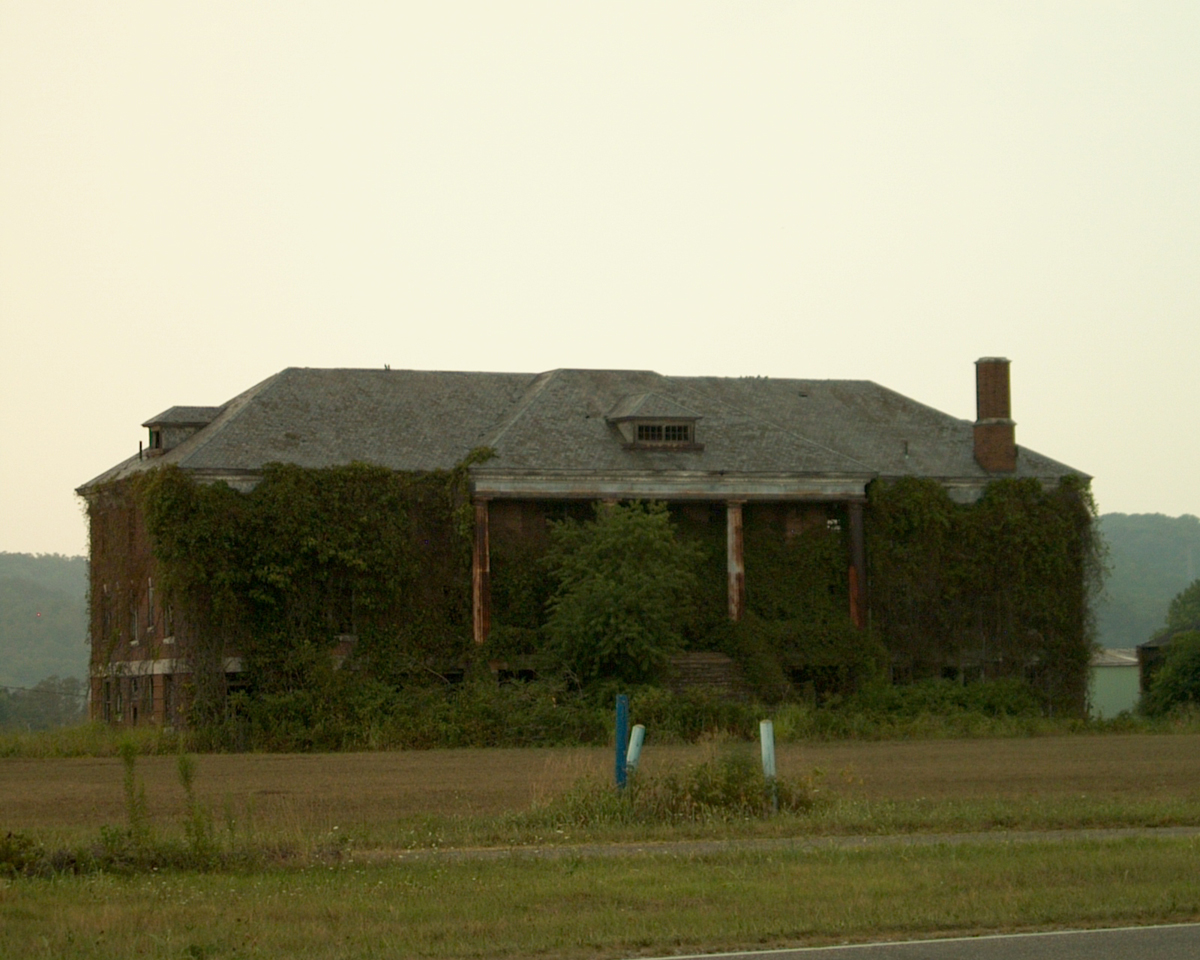
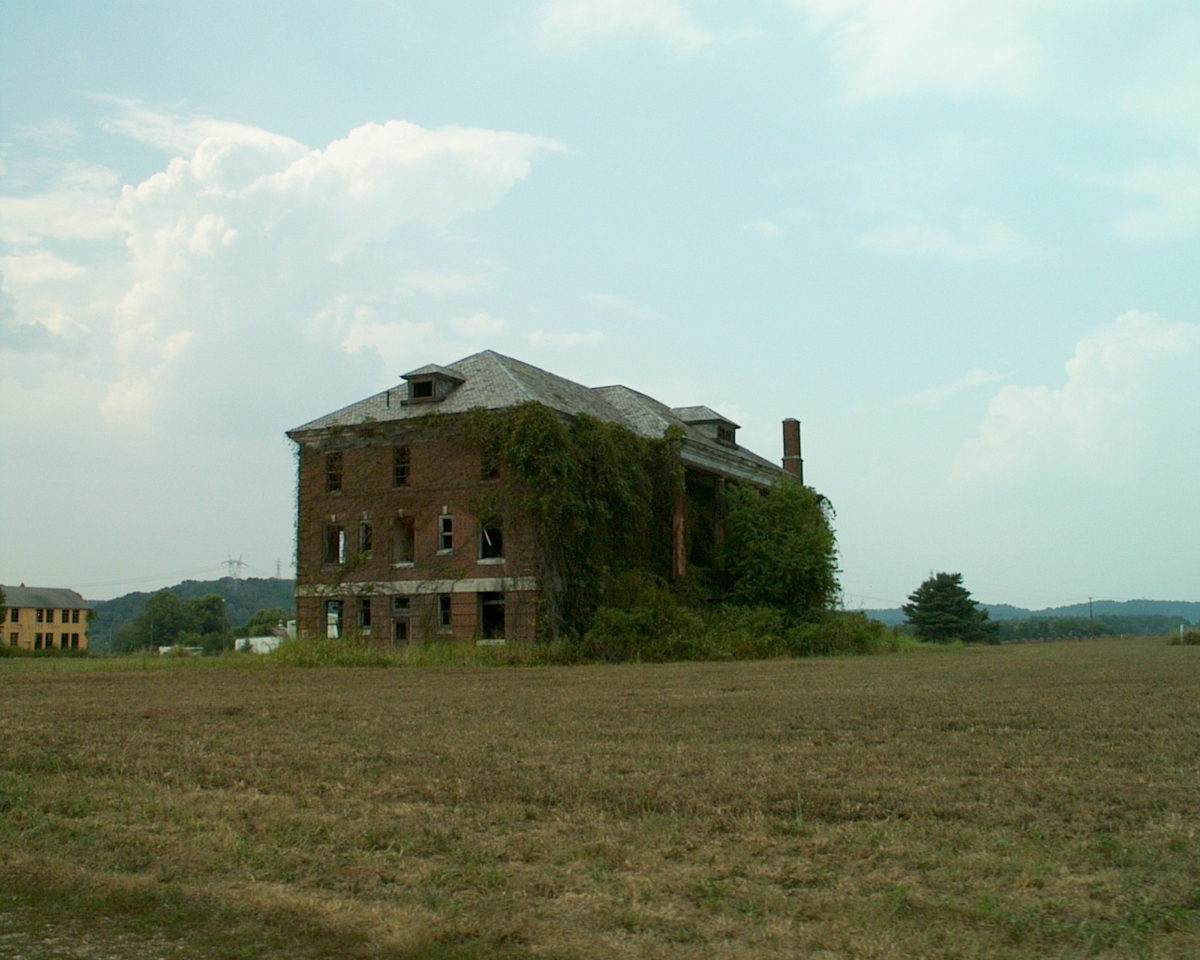
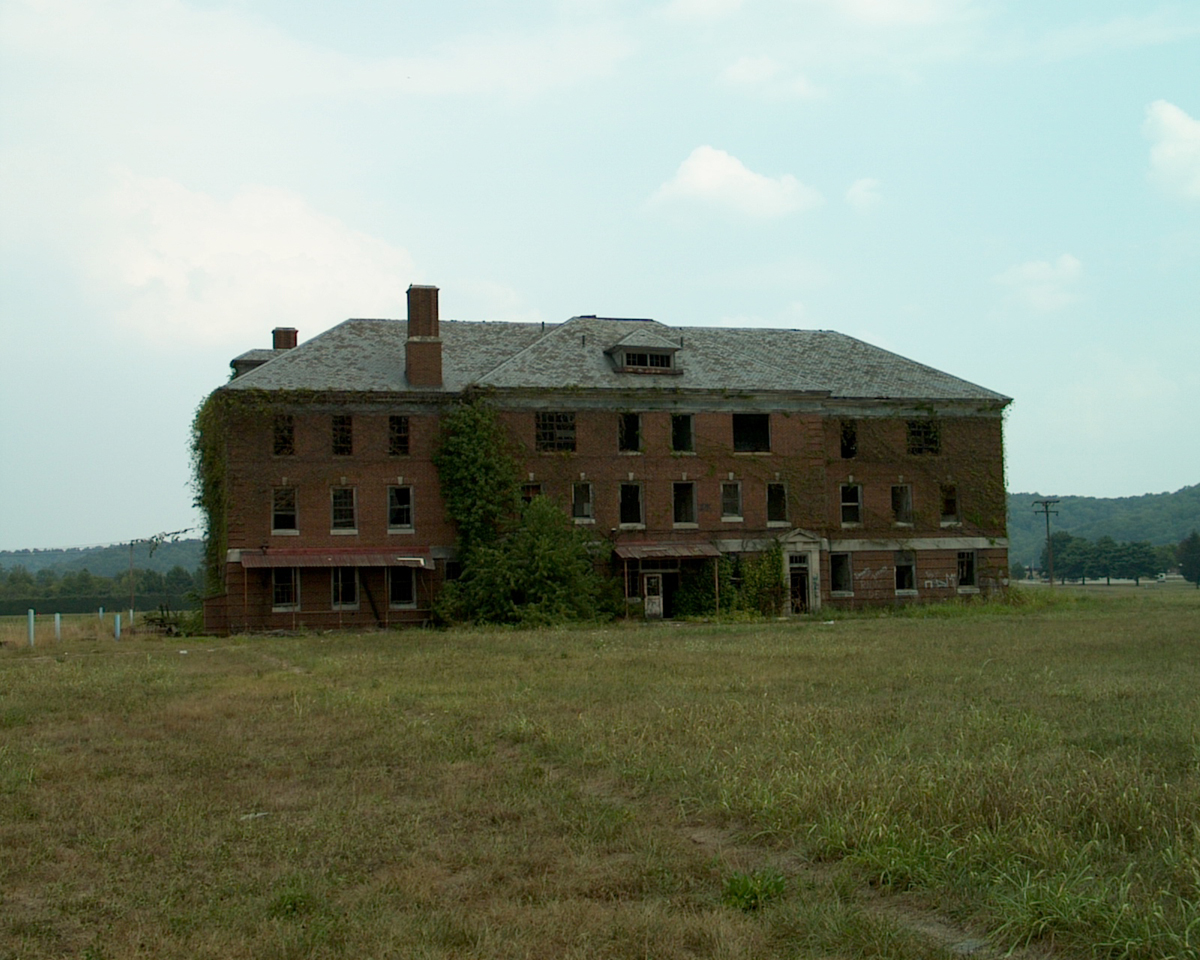
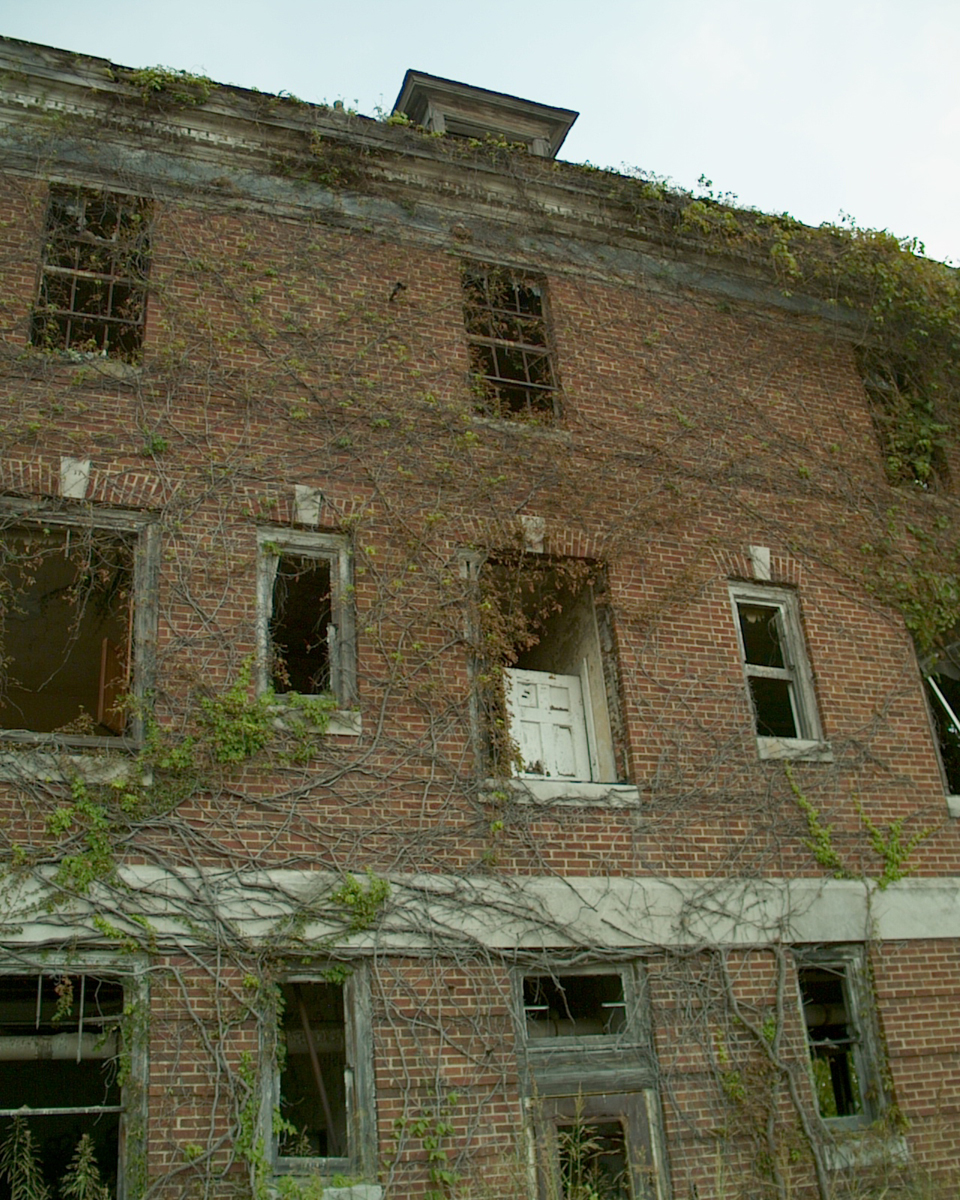
The OES visited the Lakin Industrial School for Colored Boys on August 14, 2005. While visiting the TNT area and the town of Point Pleasant, WV, we stumbled upon this former boy’s home while driving along WV Route 62. The building was often misidentified as insane asylum Lakin State Hospital, but the hospital was actually located just south of the boy’s home. Built in 1924, the Lakin Industrial School for Colored Boys was founded by T.G. Nutter, Harry Capehart, and T.J. Coleman, three African-American legislators who created several state-funded reform institutions for African-American between 1919 and 1921. The structure was built from fireproof materials and was very sturdy. A gymnasium and several outbuildings were added in the 1940s.
The school employed an African-American staff and housed African-American juvenile delinquents who worked on the surrounding farm. In 1954, the Brown versus Board of Education of Topeka, Kansas, desegregated many public schools and colleges in West Virginia, including the industrial school in 1956. The inmates who were still incarcerated at the school were transferred to the industrial school in Pruntytown. After the facility was abandoned, the West Virginia Department of Health and Human Services acquired the building but eventually transferred it to the West Virginia Department of Agriculture in 1976. In 2000, a fire did very little damage to the building, a testament to the strength of the structure, even after being abandoned for nearly fifty years. American Electric Power acquired the property and demolished the Lakin school in November 2006 to make room for their river operations.
Location Information: Demolished
The Lakin Industrial School for Colored Boys was located west of WV Route 62, north of Point Pleasant; Mason County, WV.
Photographs
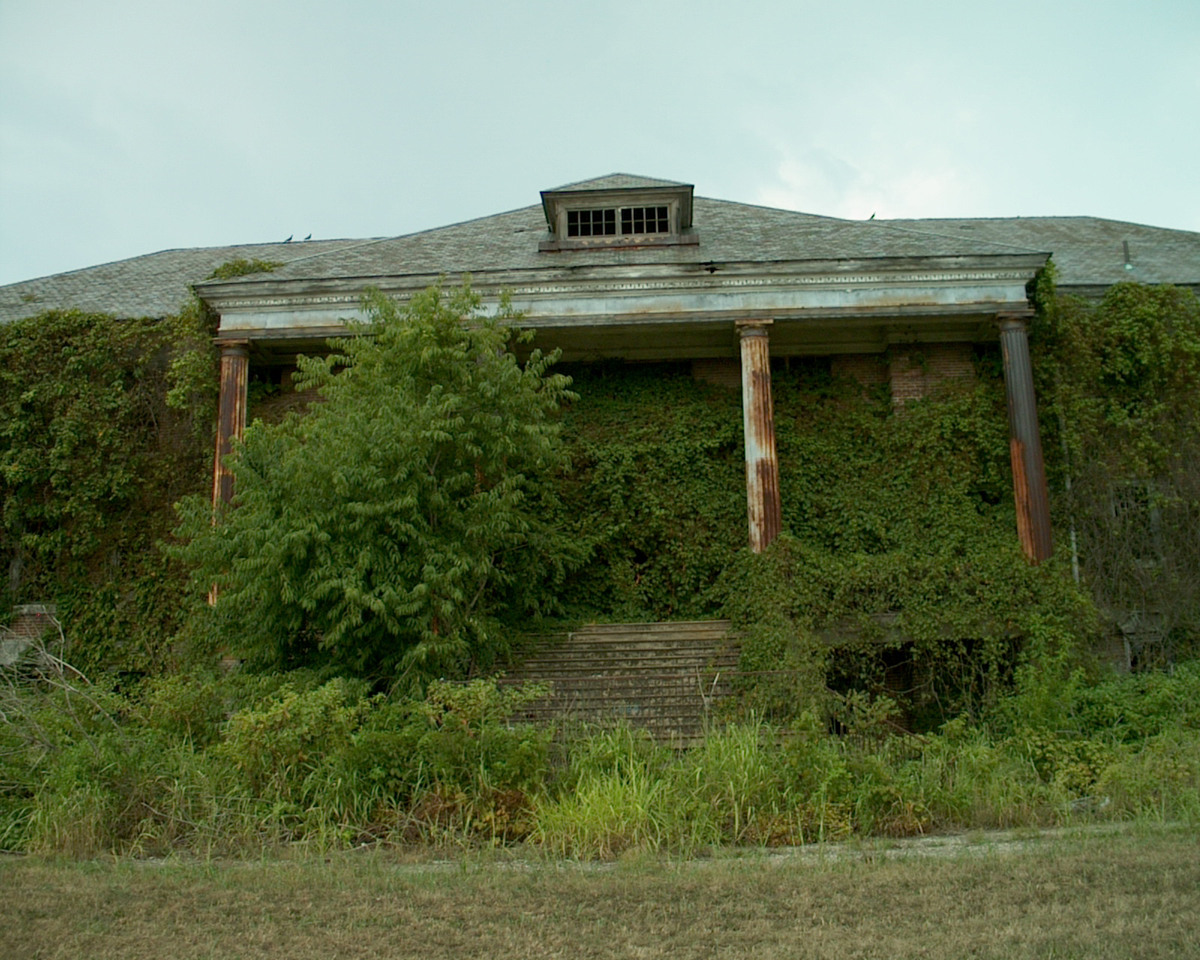
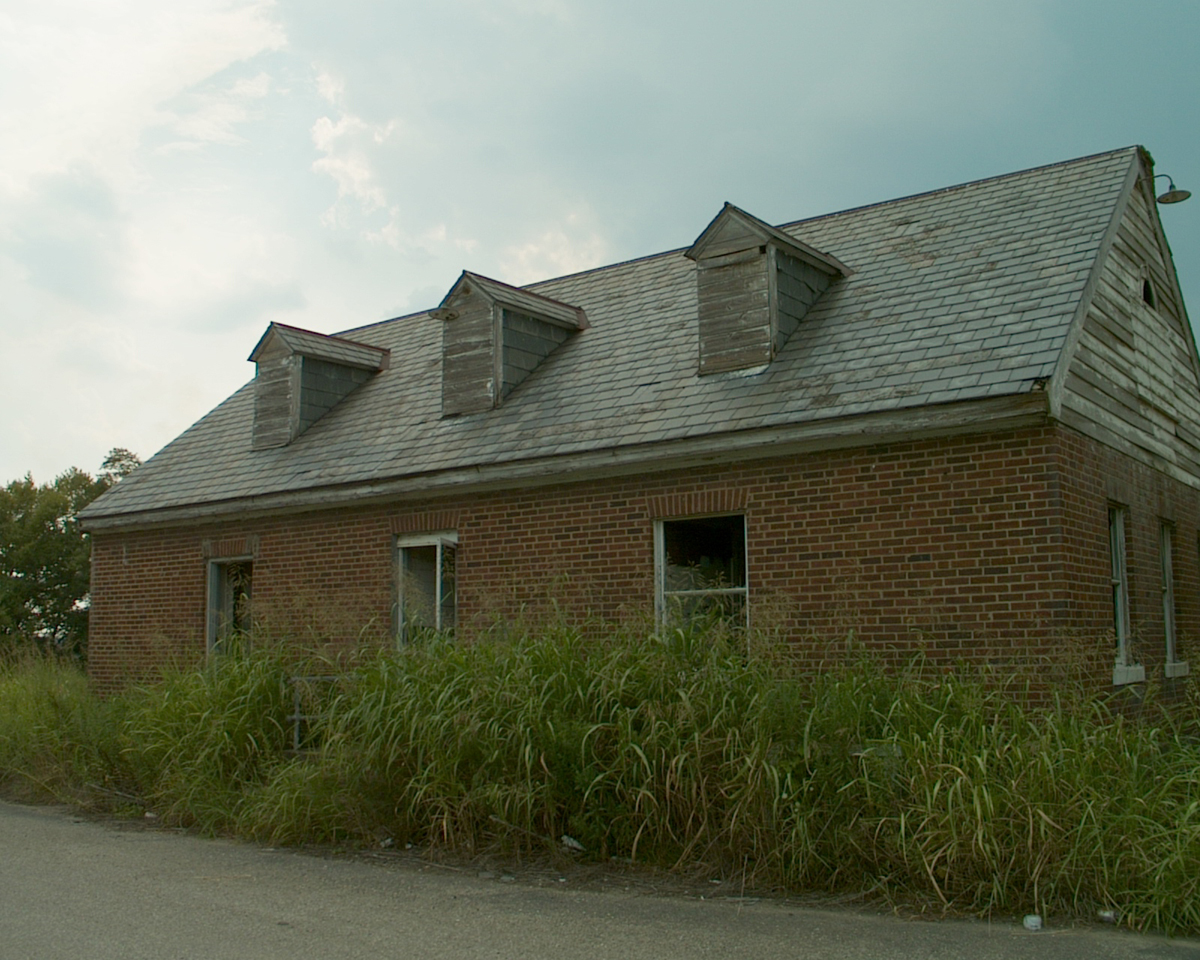
The front of the Lakin Industrial School for Colored Boys as seen from Route 62.
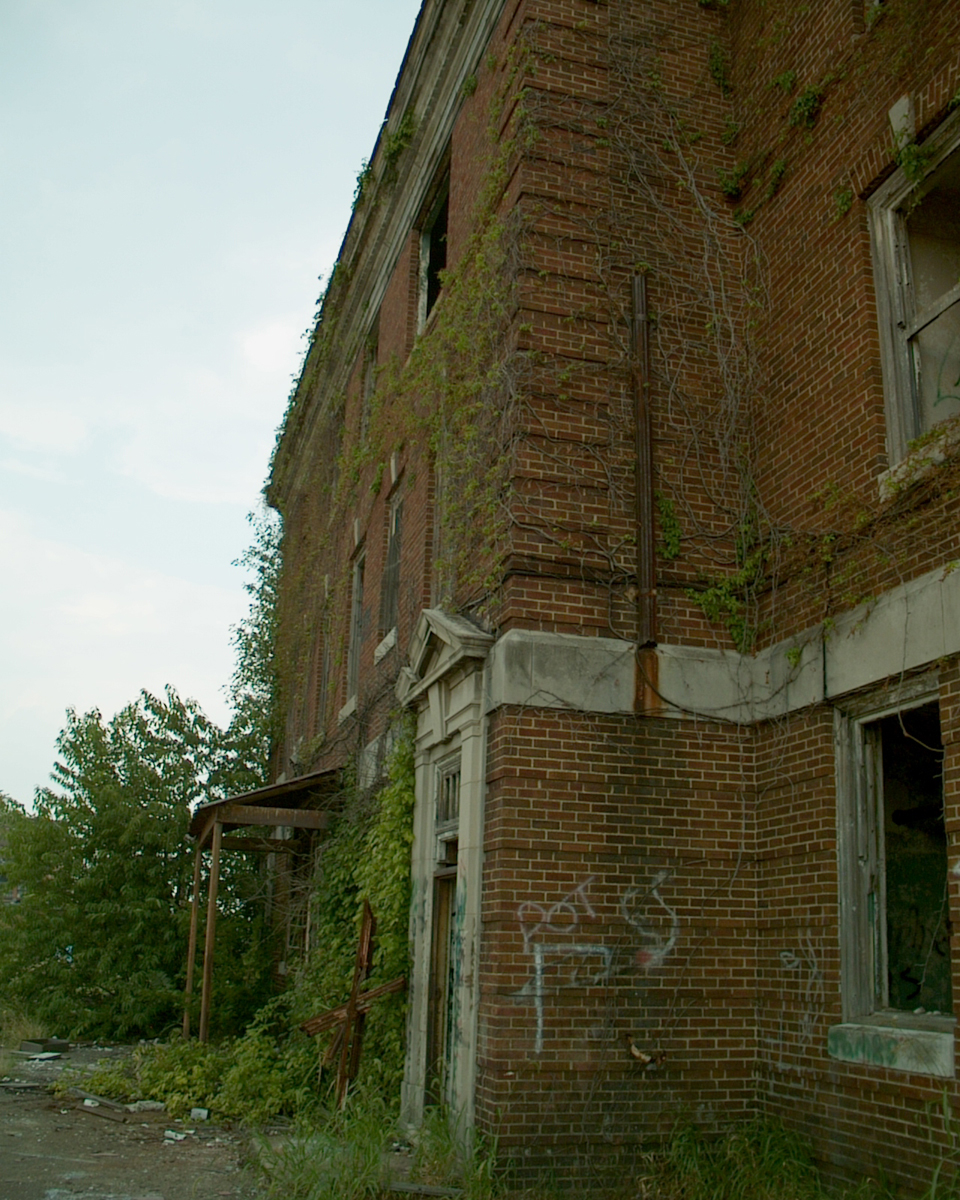
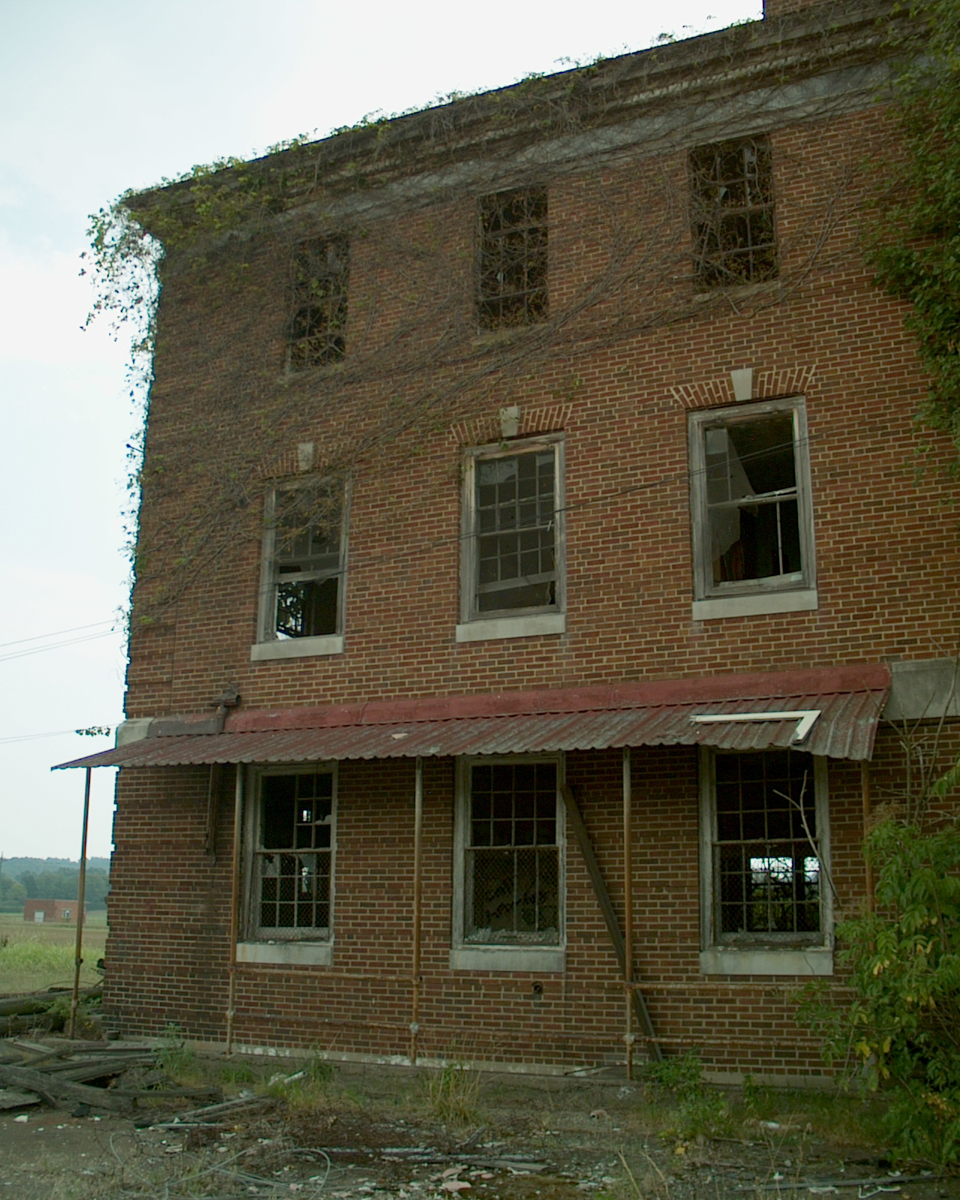
A side profile of the building taken from the driveway.
The back side of the building.
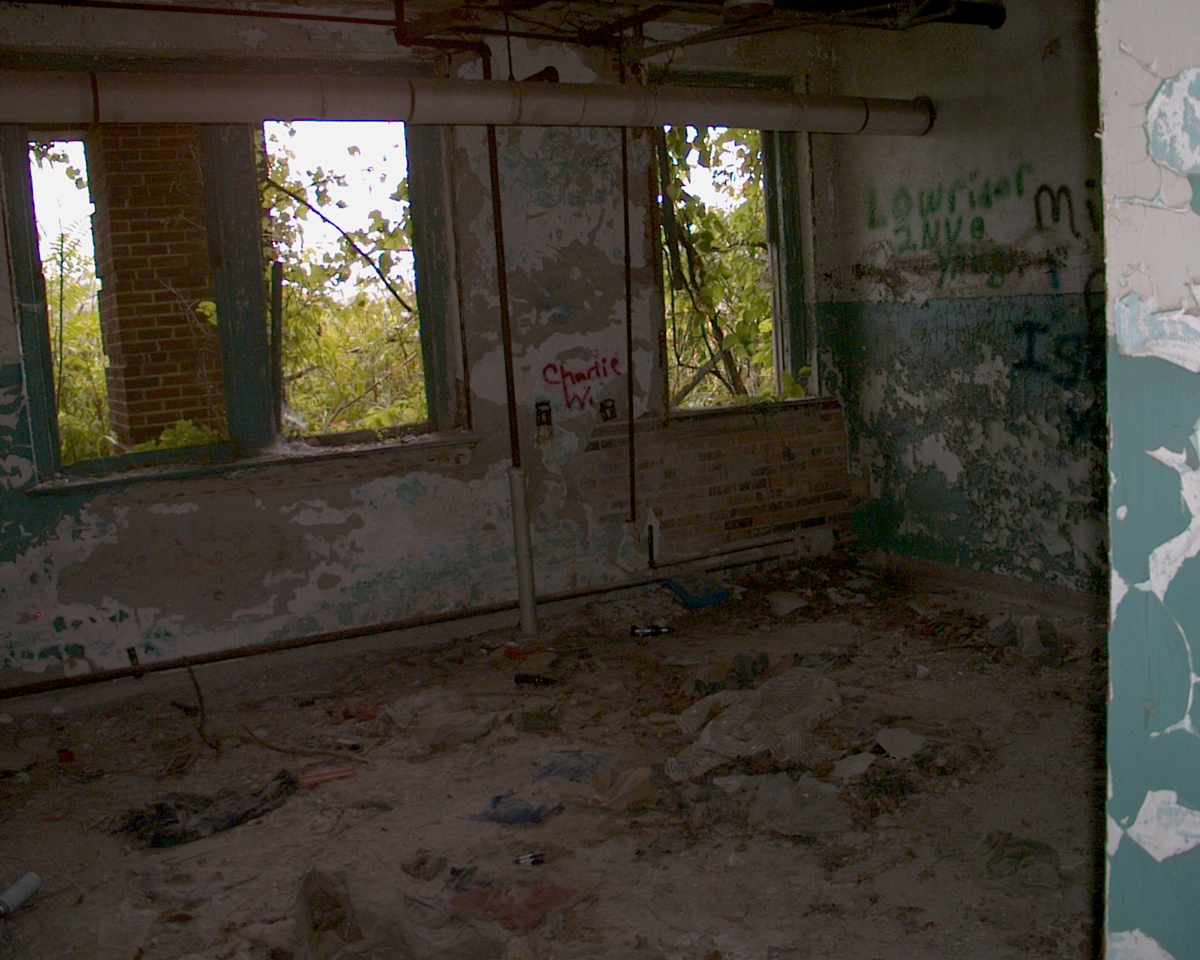
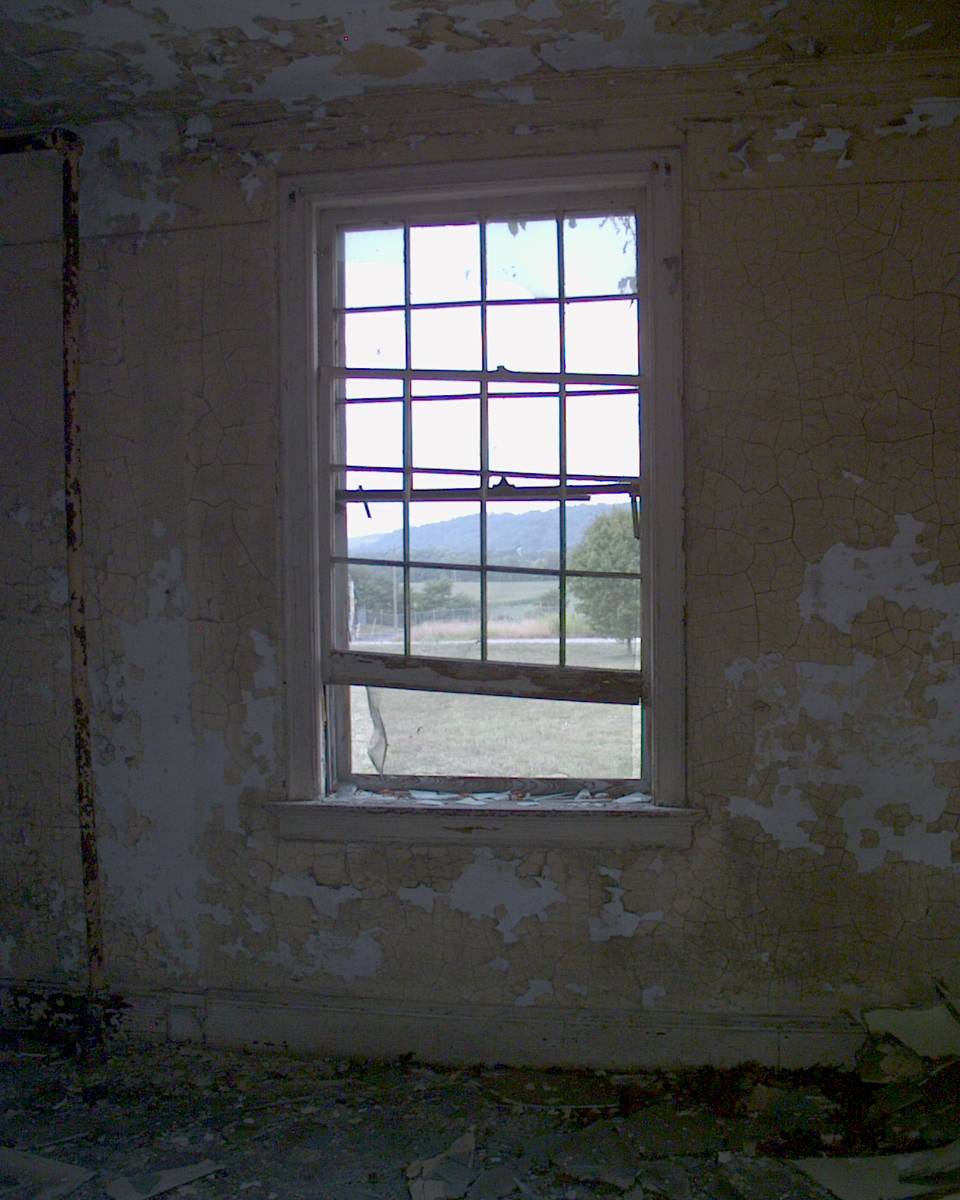
Most of the windows were busted out. The building had been heavily vandalized over the years.
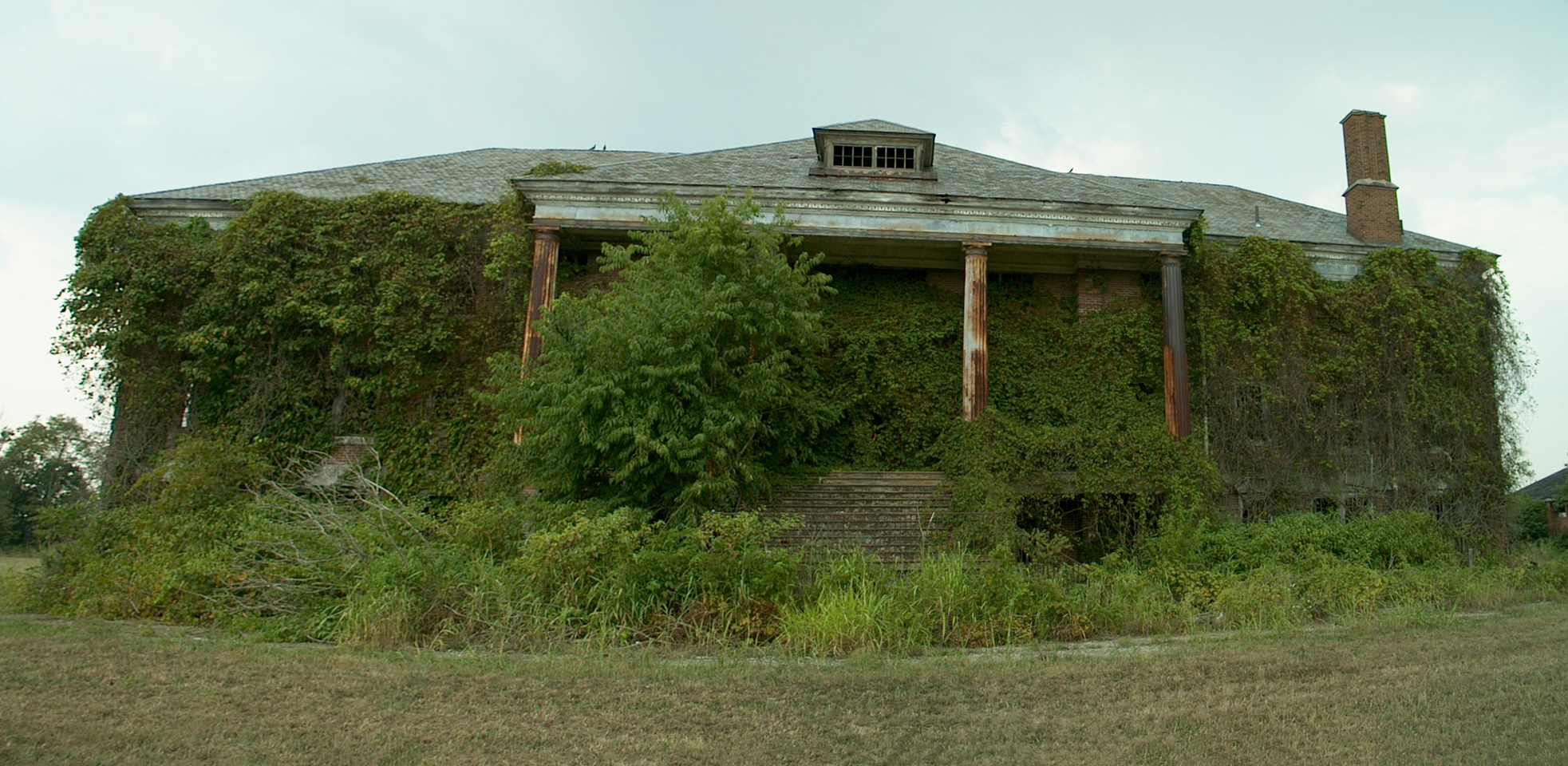
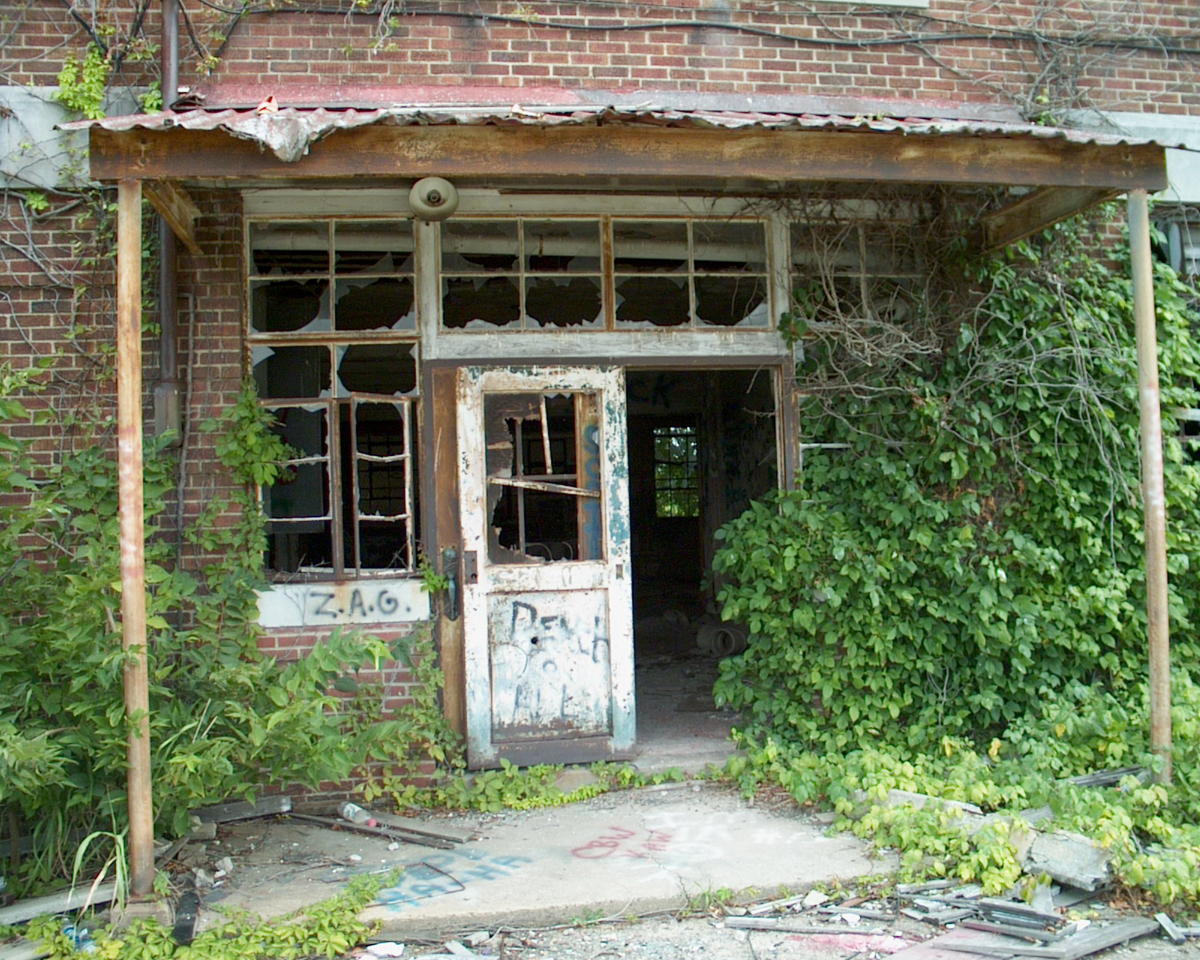
The front of the building was covered with vegetation.
A wide shot photo of the front of the main building.
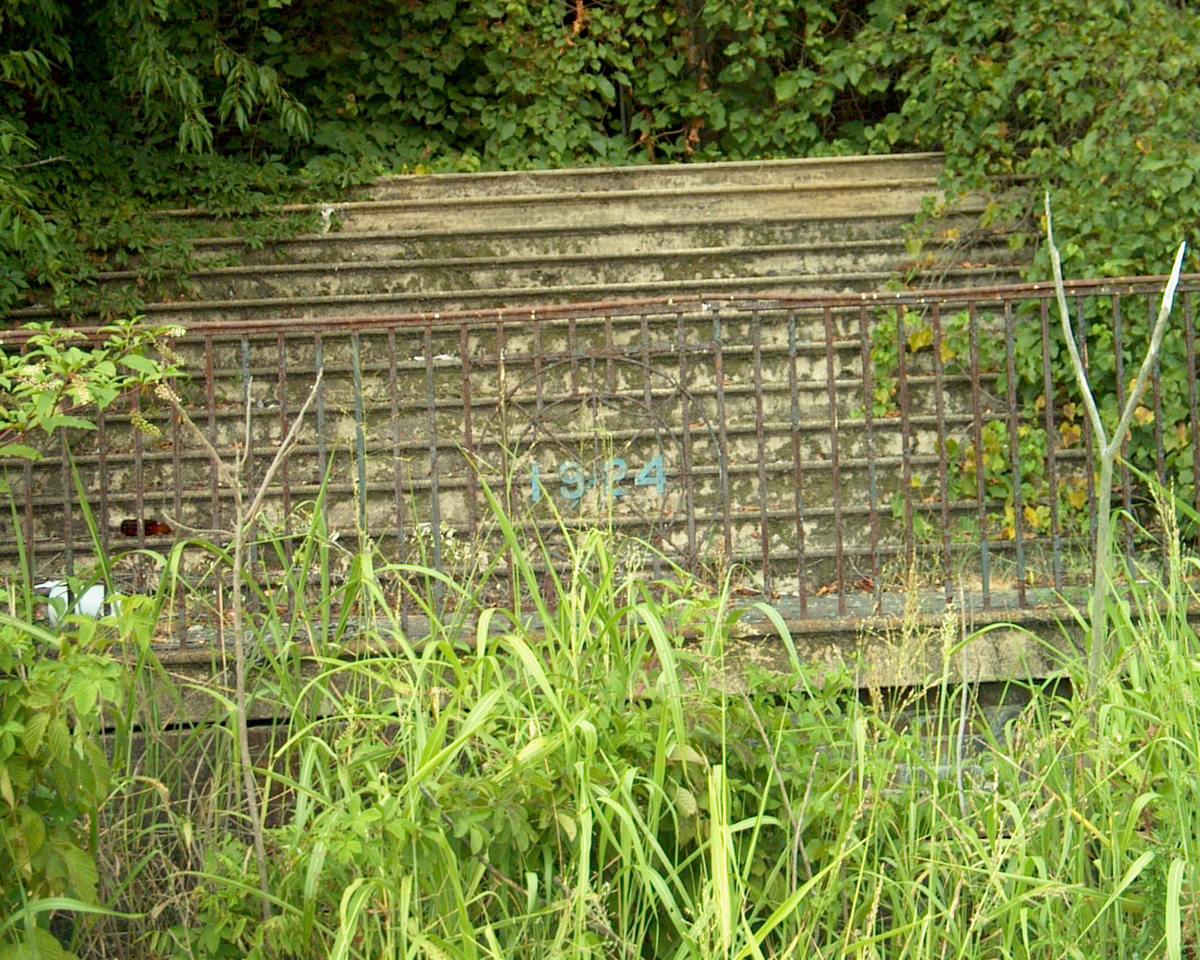
The railing on the front porch included the date 1924.
One side of the building.
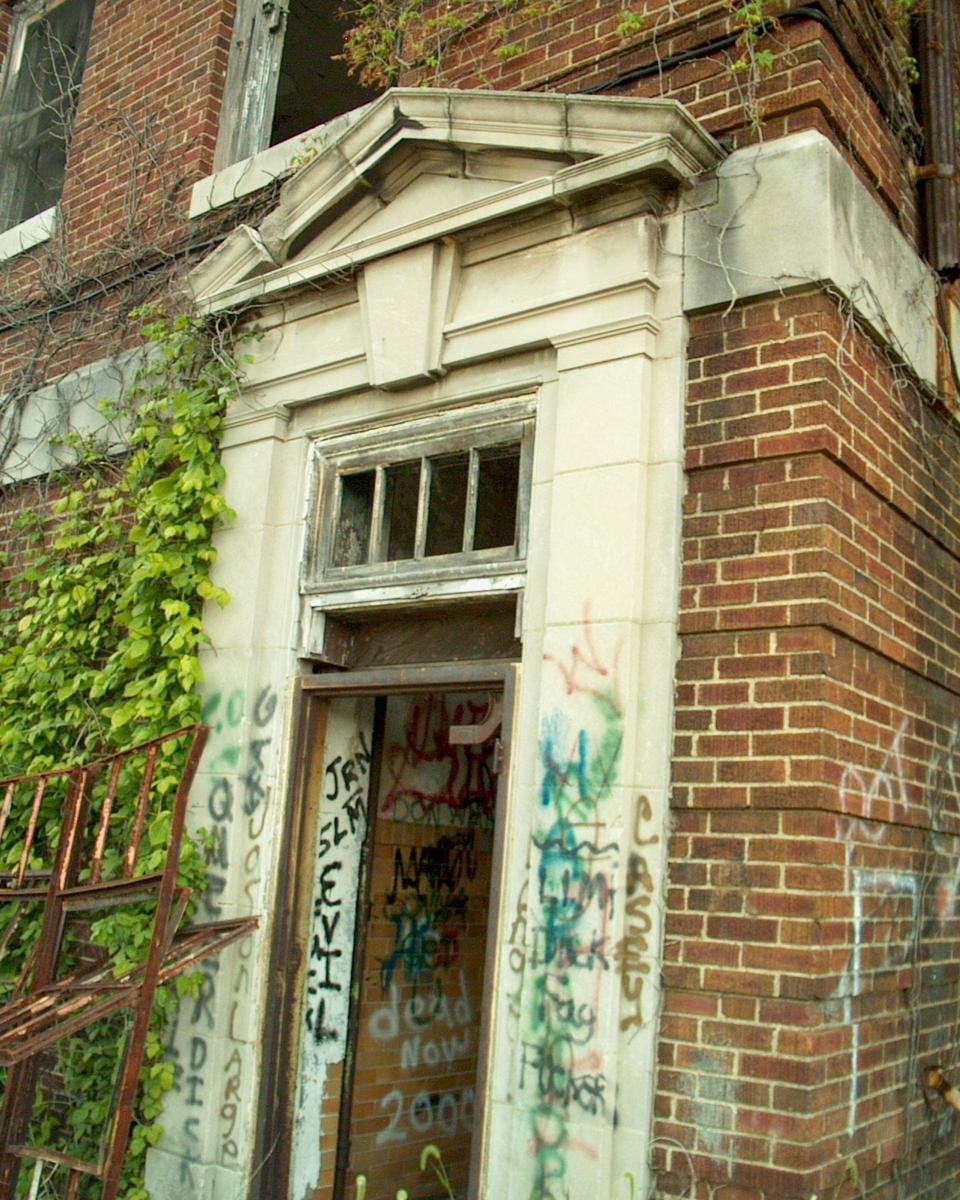
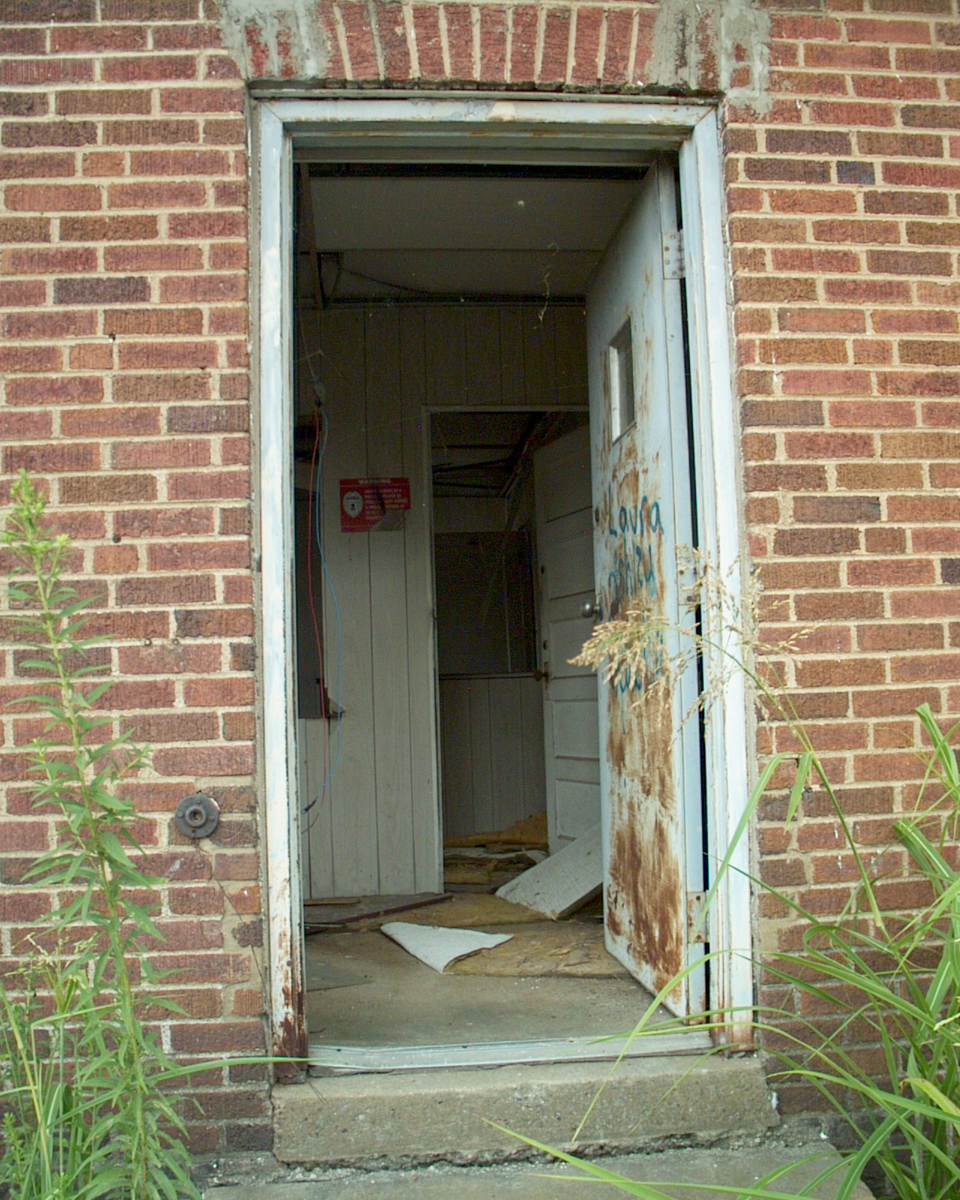
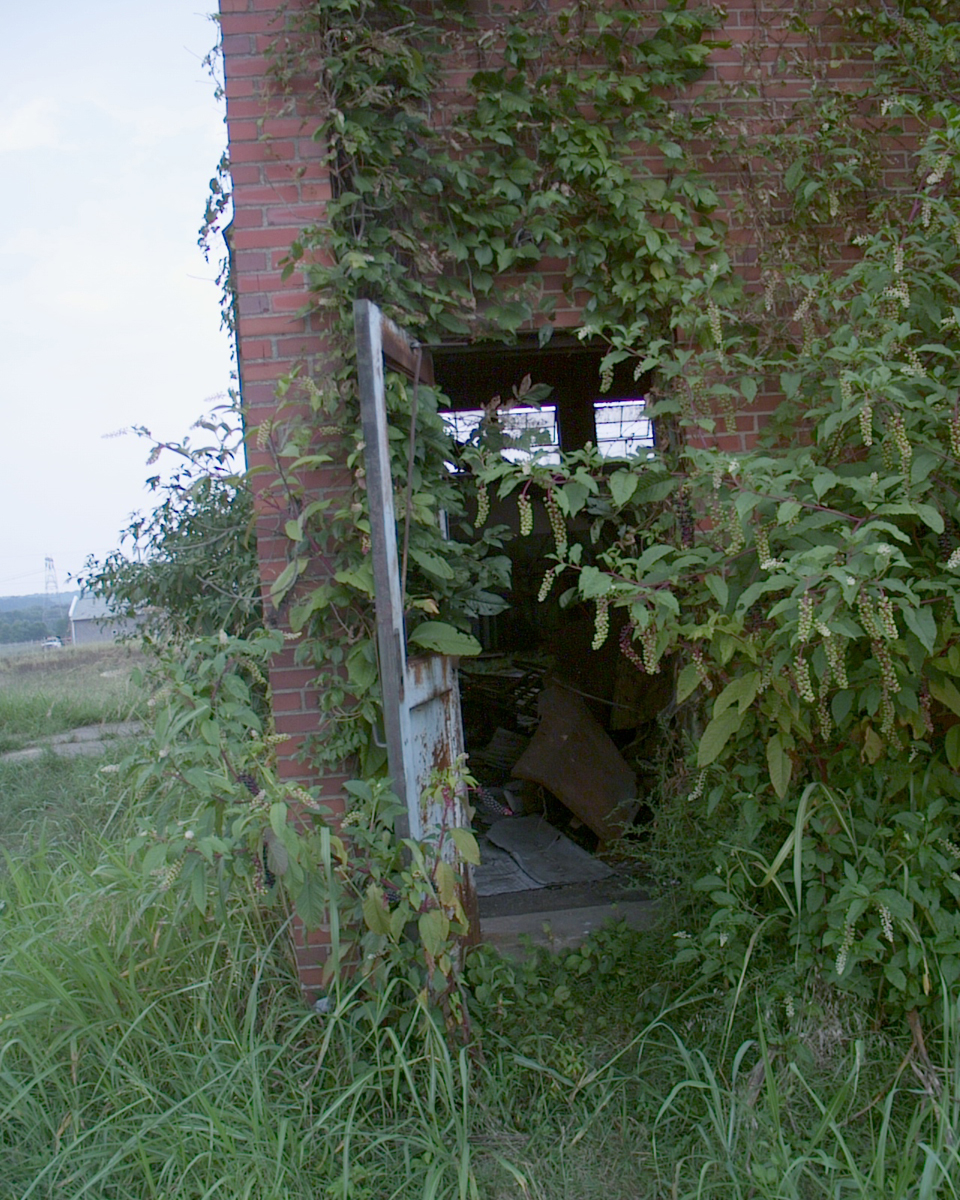
One of the many entry points. There were no locked doors here.
A sheet metal awning covered these first floor windows.
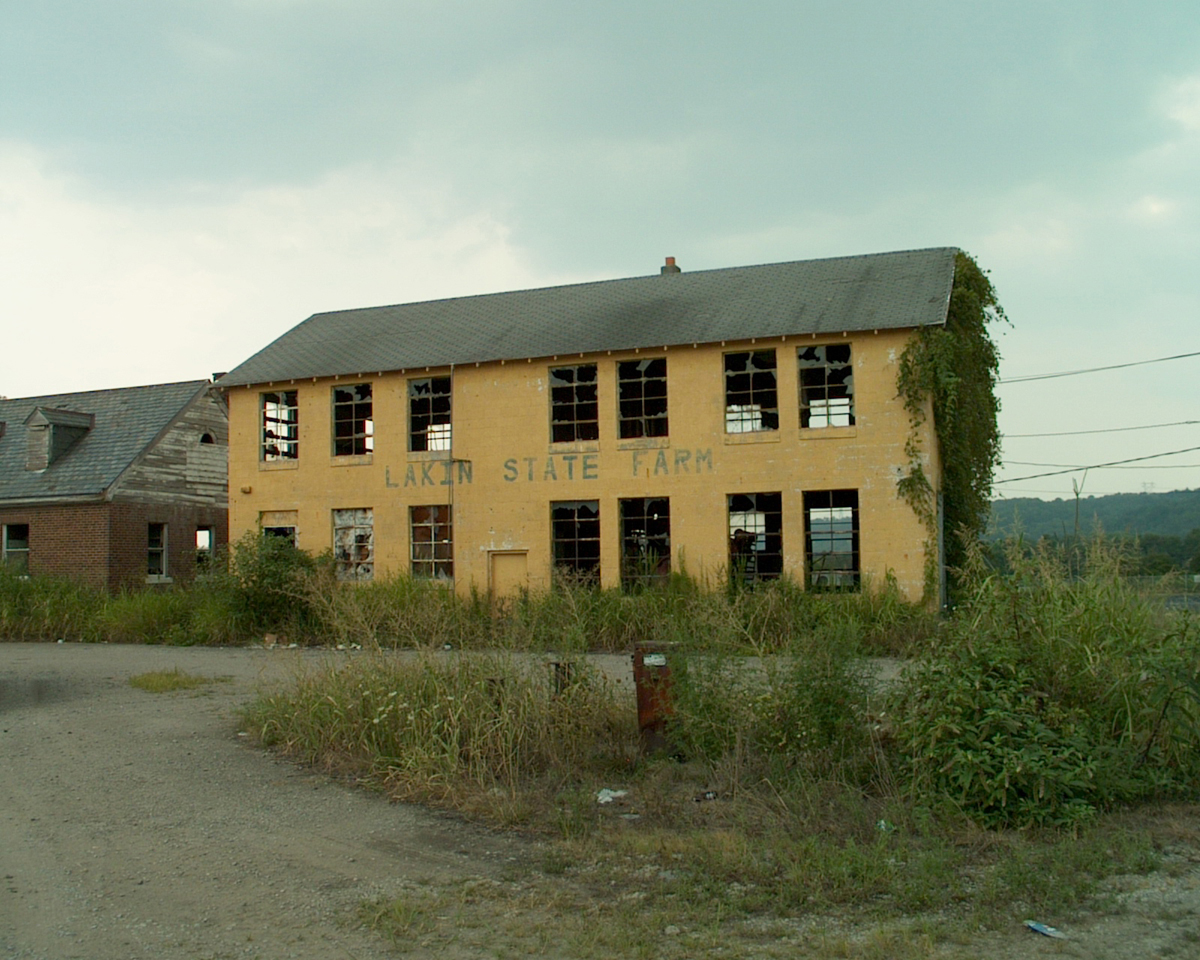
There were a few outbuildings behind the main structure. The outbuildings were closer to the Ohio River.
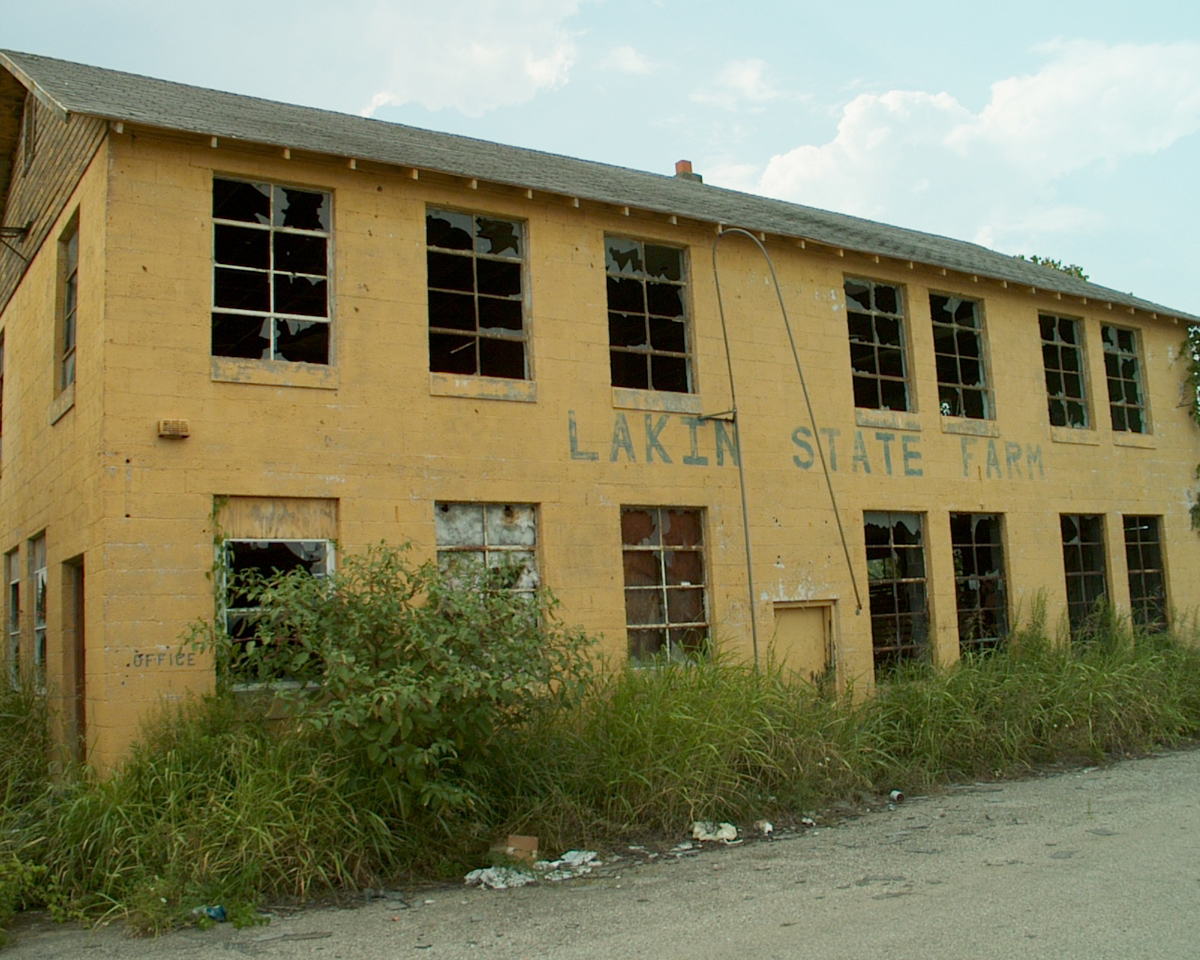
This yellow building with "Lakin State Farm" written across the front was the largest of the outbuildings.
This smaller single story building sat next to the Lakin State Farm building.
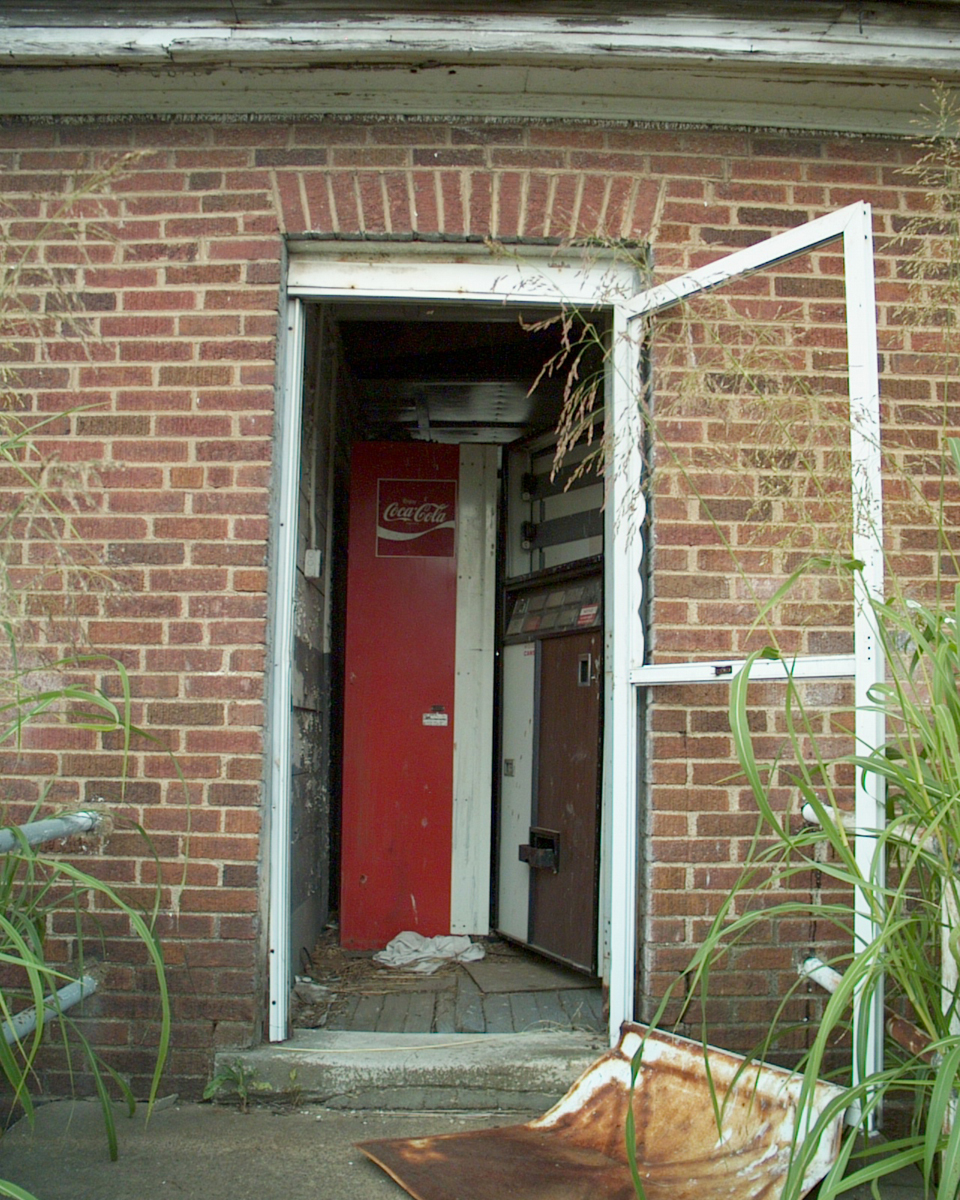
This doorway was blocked by two old soda machines.
This entry was wide open, but we realized there was a large bee nest after we stepped in and quickly left.
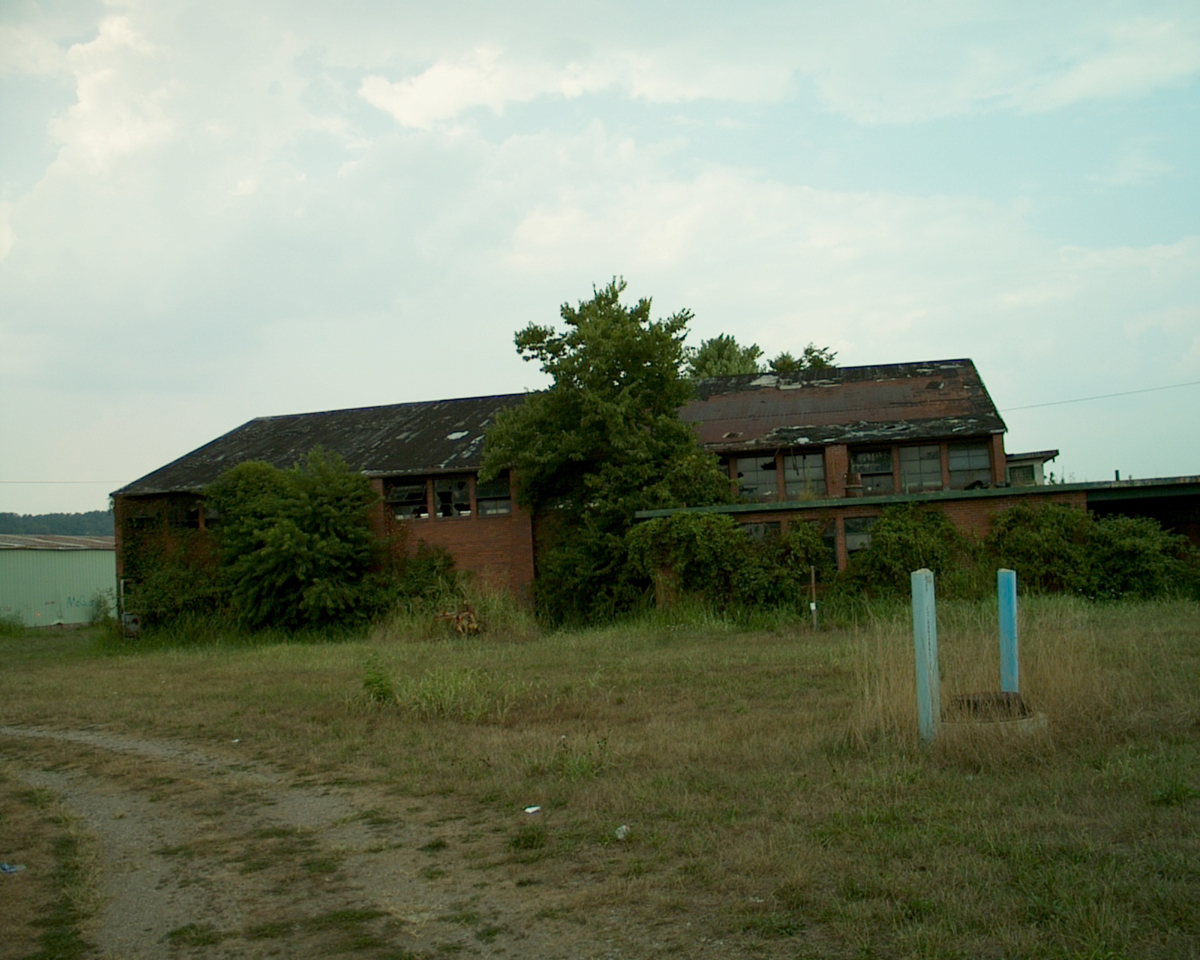
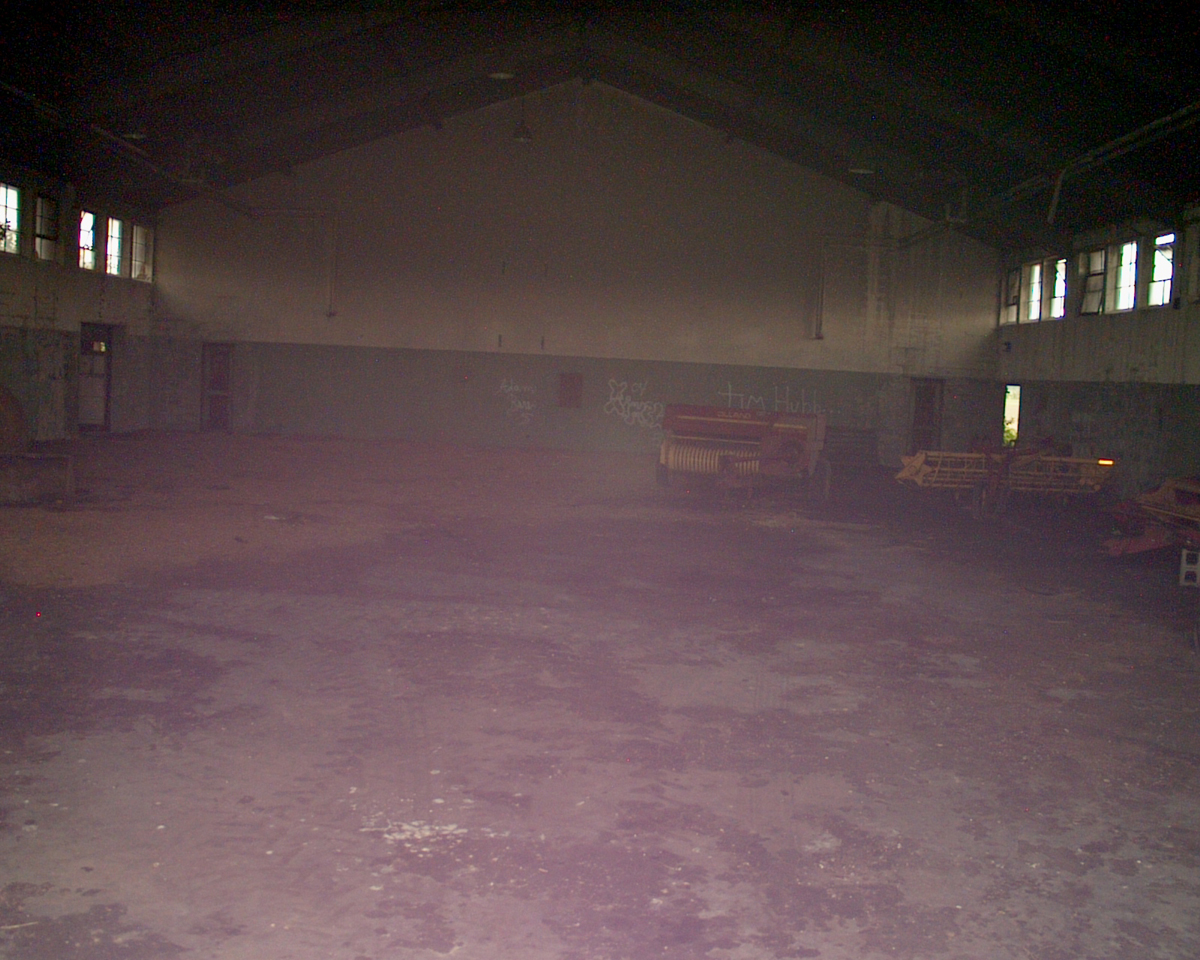
The gymnasium was built in the 1940s.
The entrance to the gym.
The gym was mostly empty.
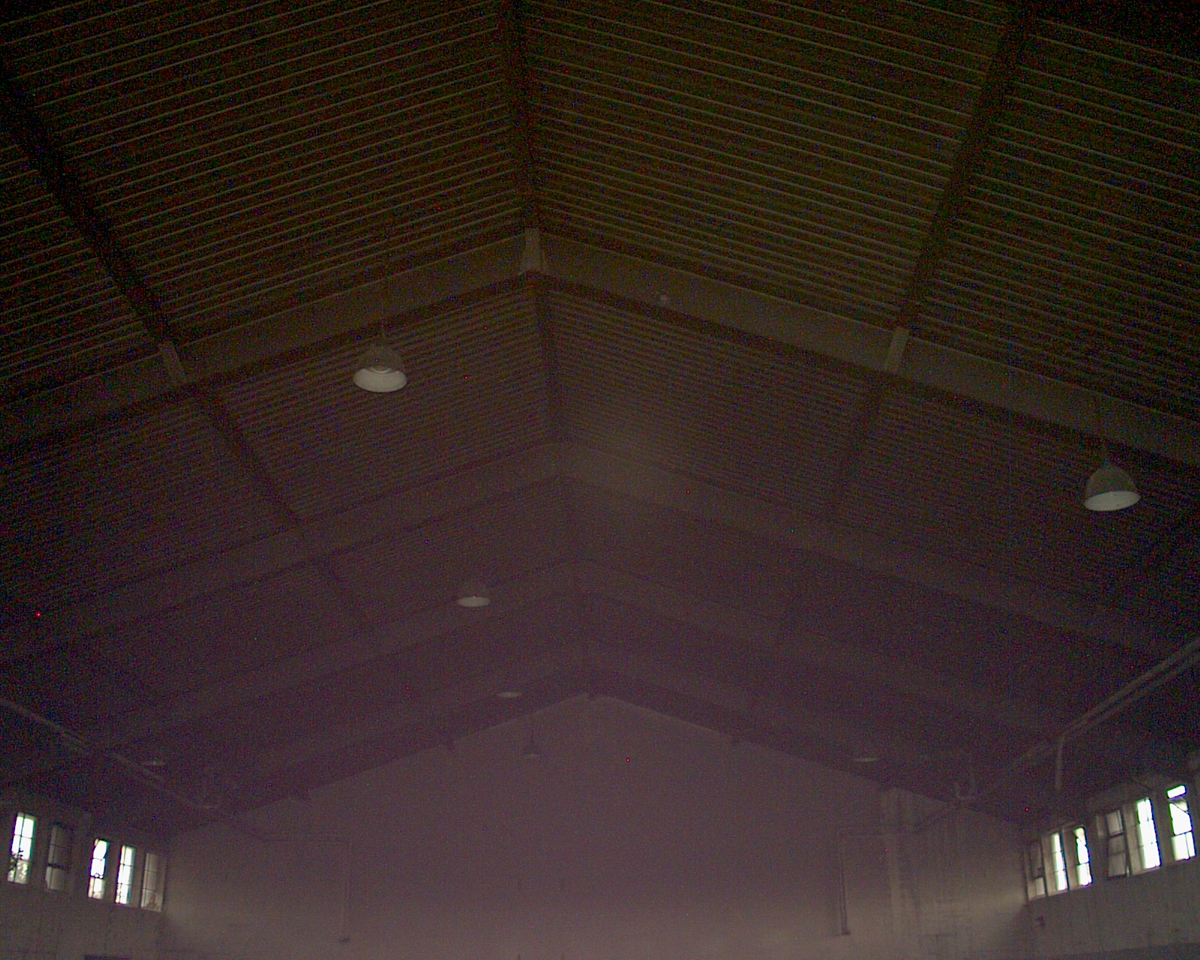
The structure seemed sound and ready to be used again.
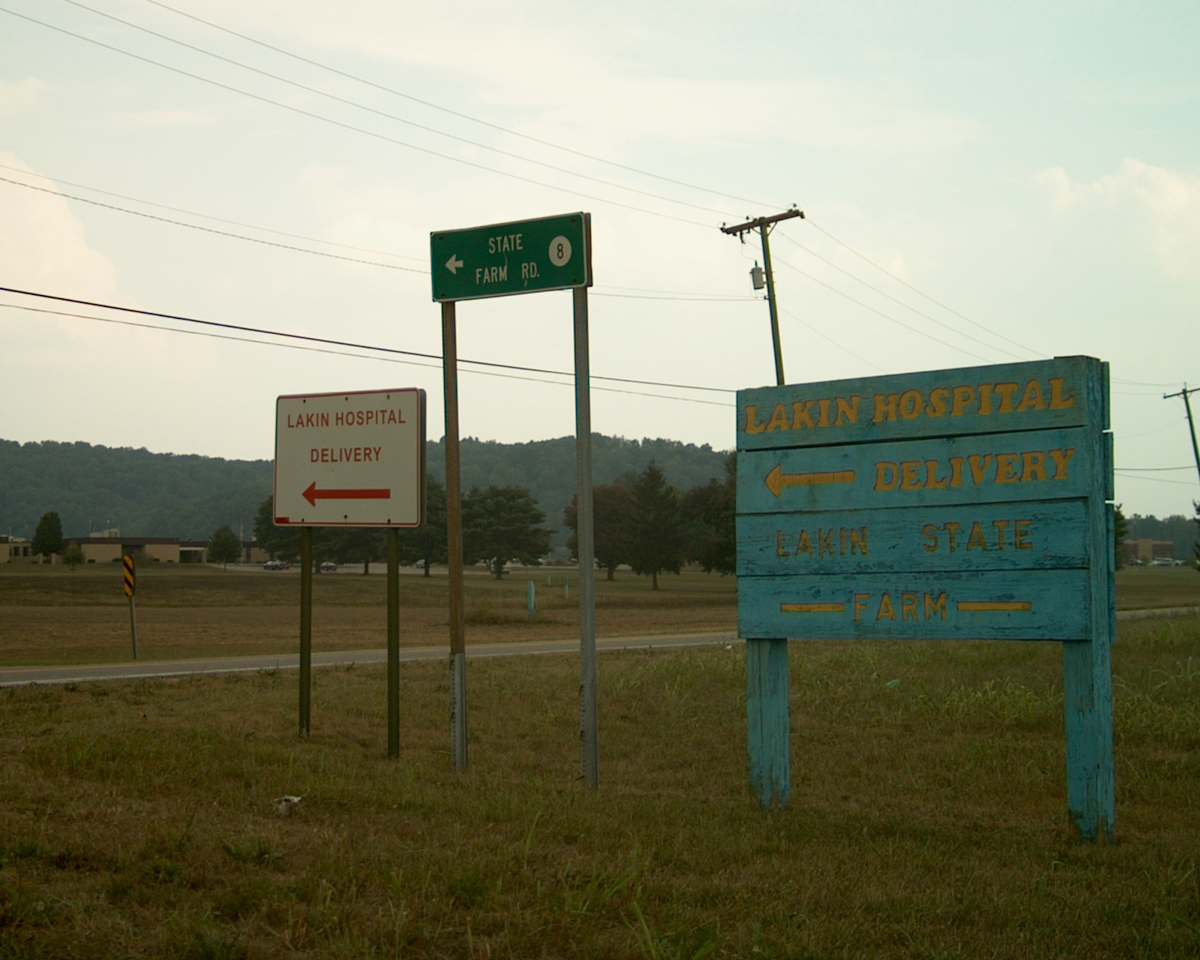
The signs for Lakin State Hospital located across the street.
The rear doors served as an entry point for explorers.
This was our first look inside Lakin Industrial School.
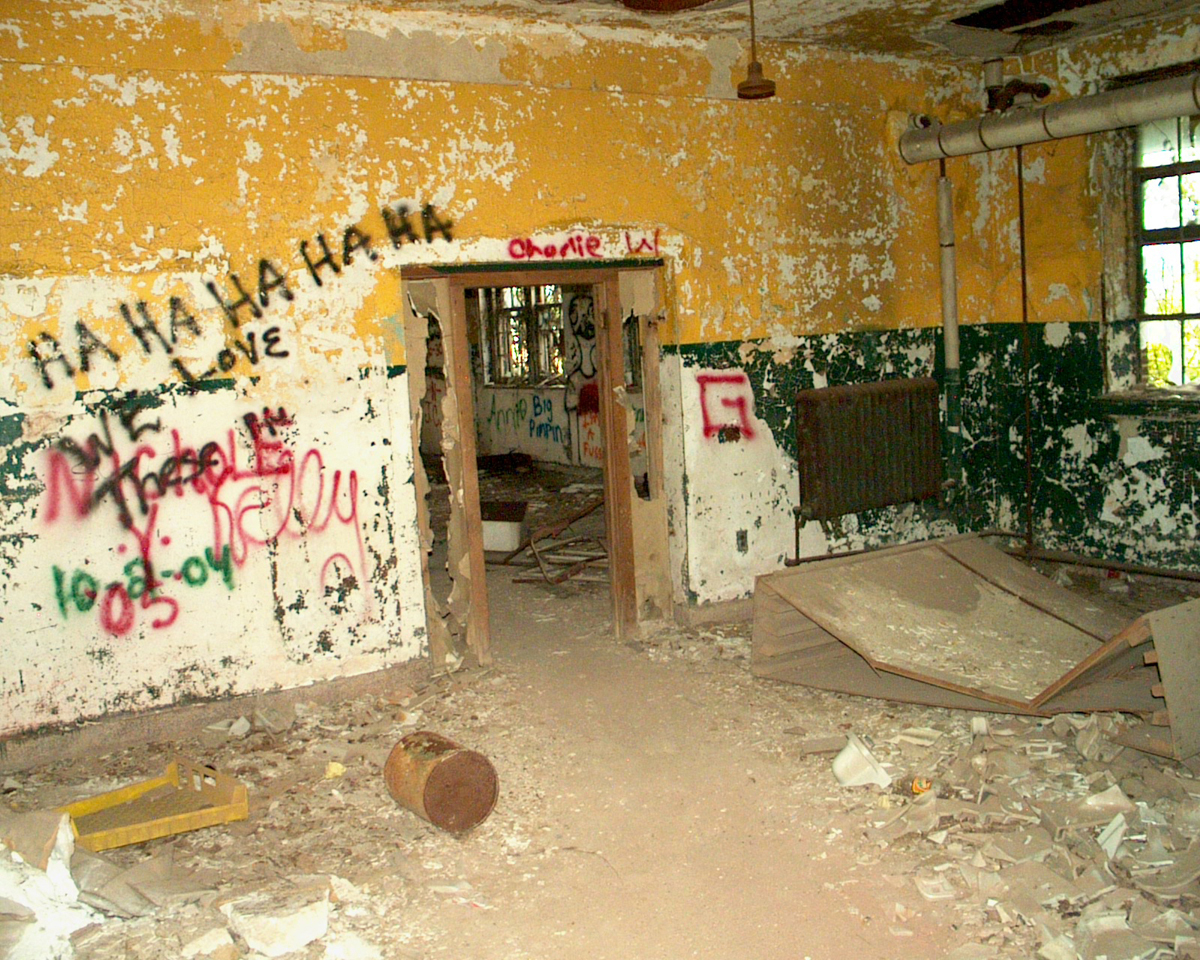
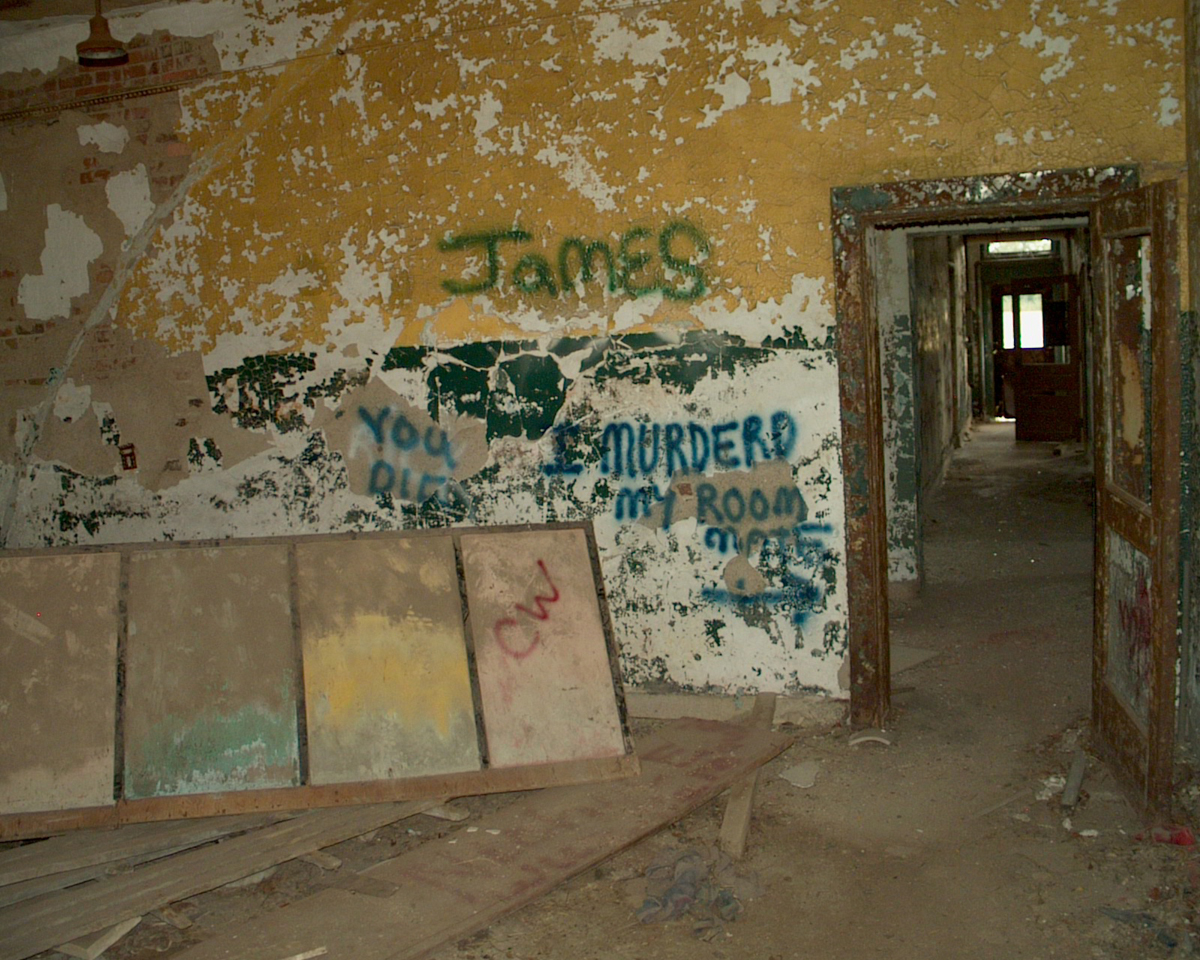
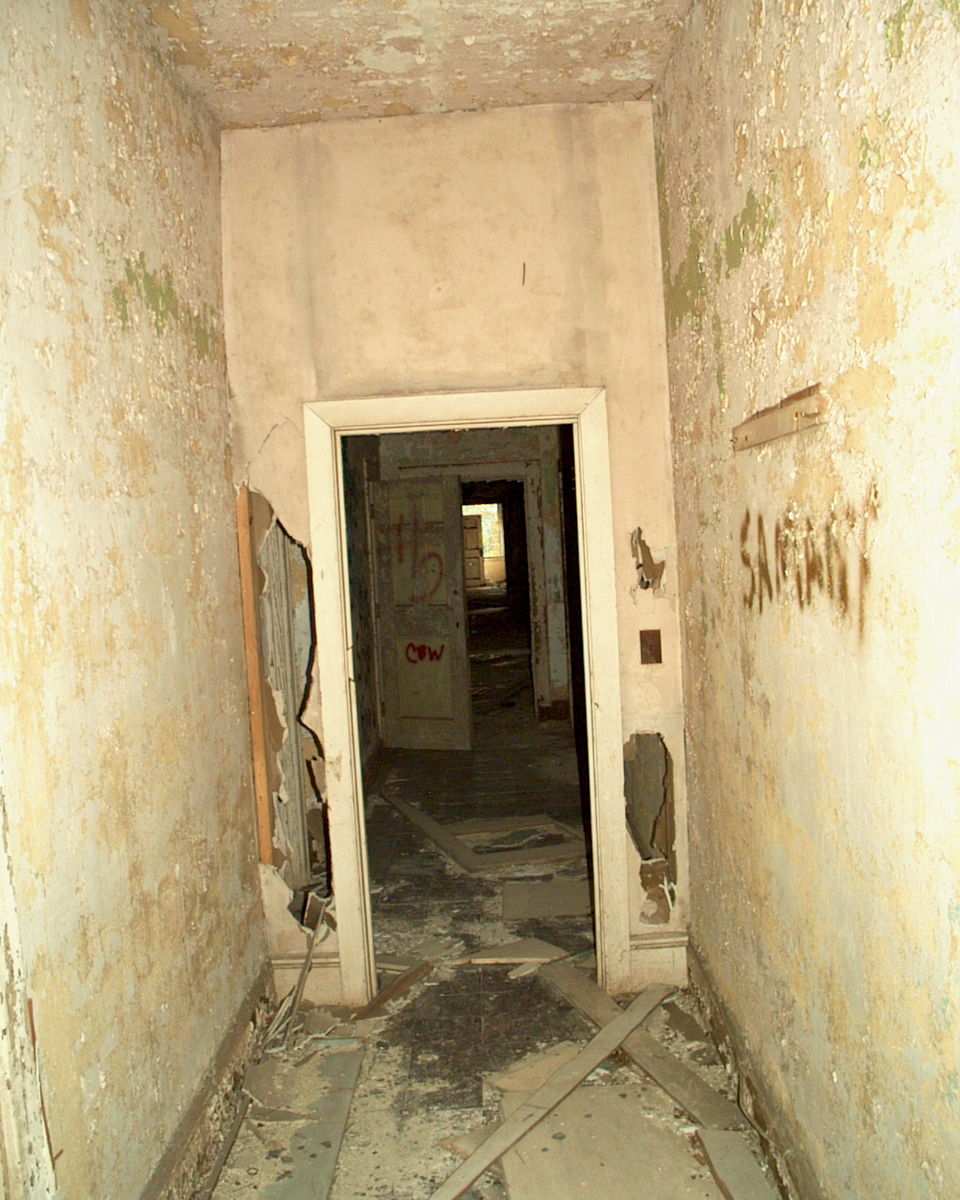
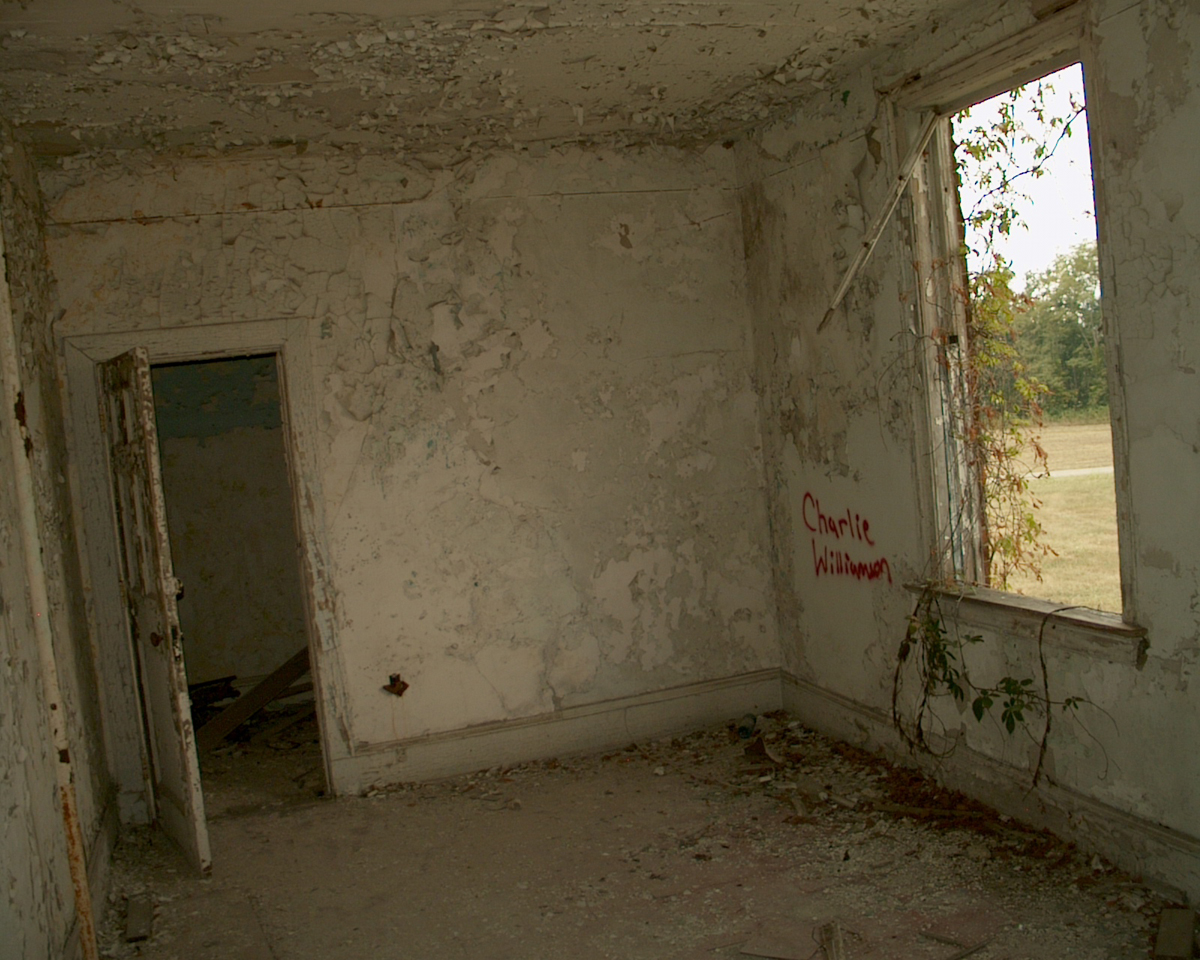
Paint peeled from the walls. Graffiti and debris was all over the place. Your typical abandoned building.
The main room had hallways going off to either side.
Most of the rooms were well lit from the windows.
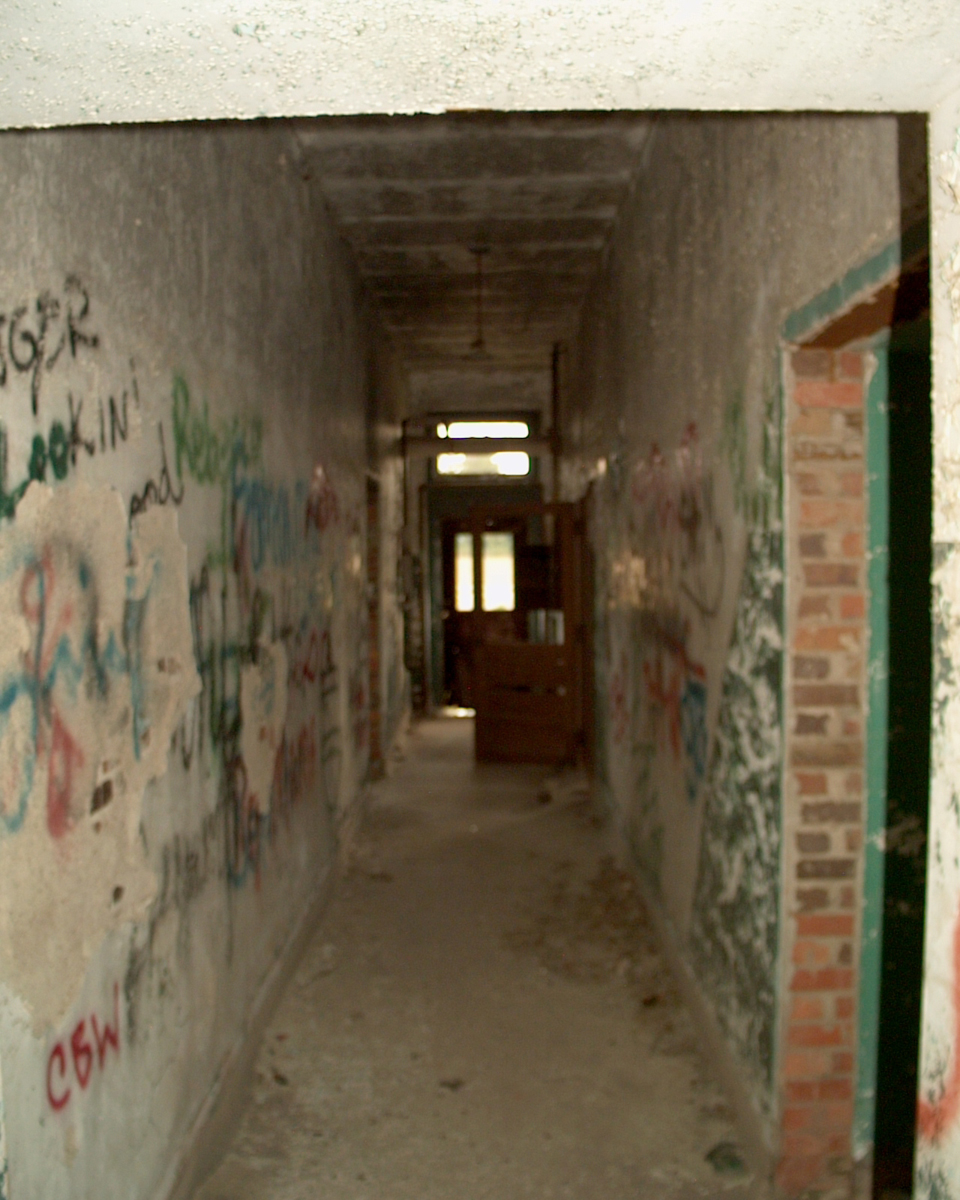
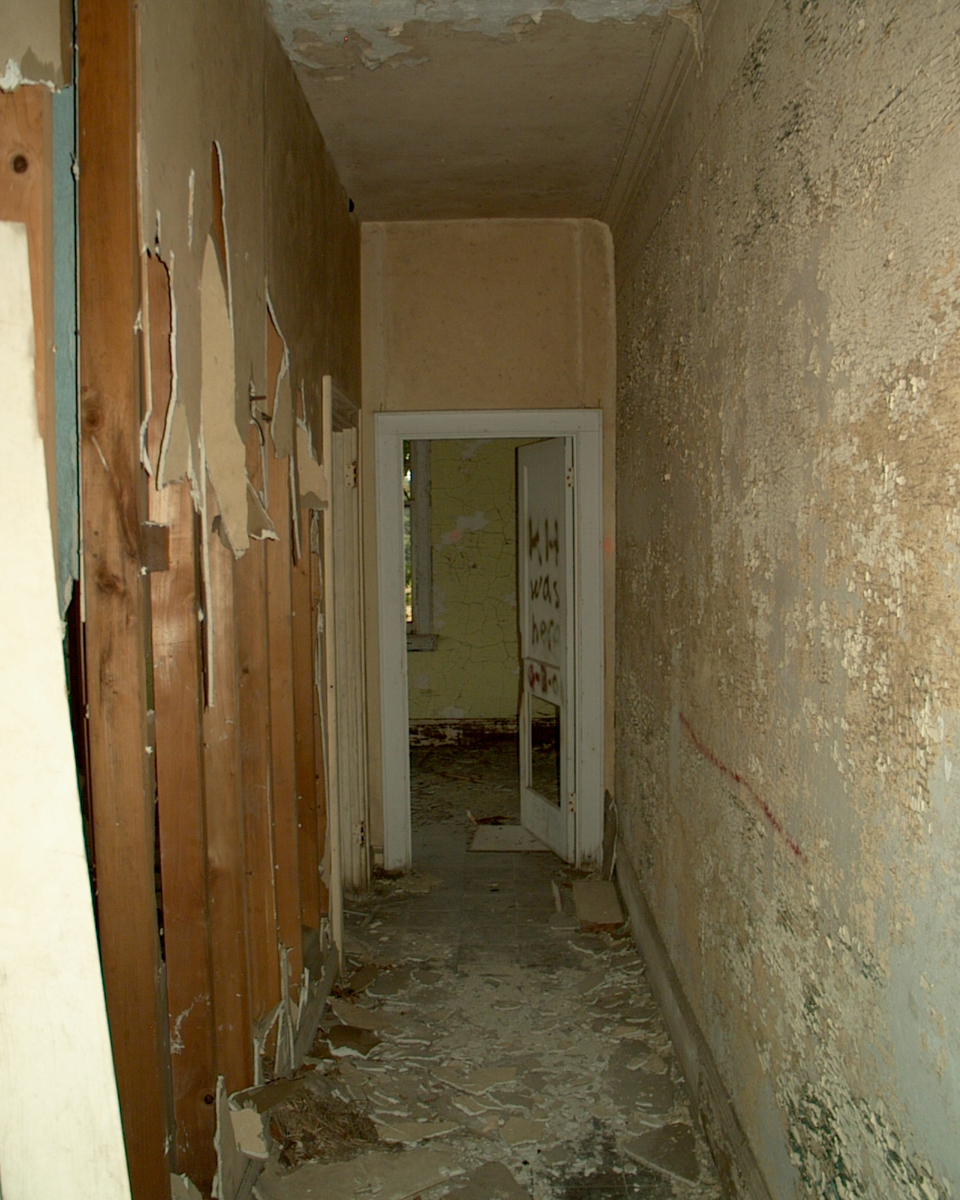
Looking down one of the long hallways.
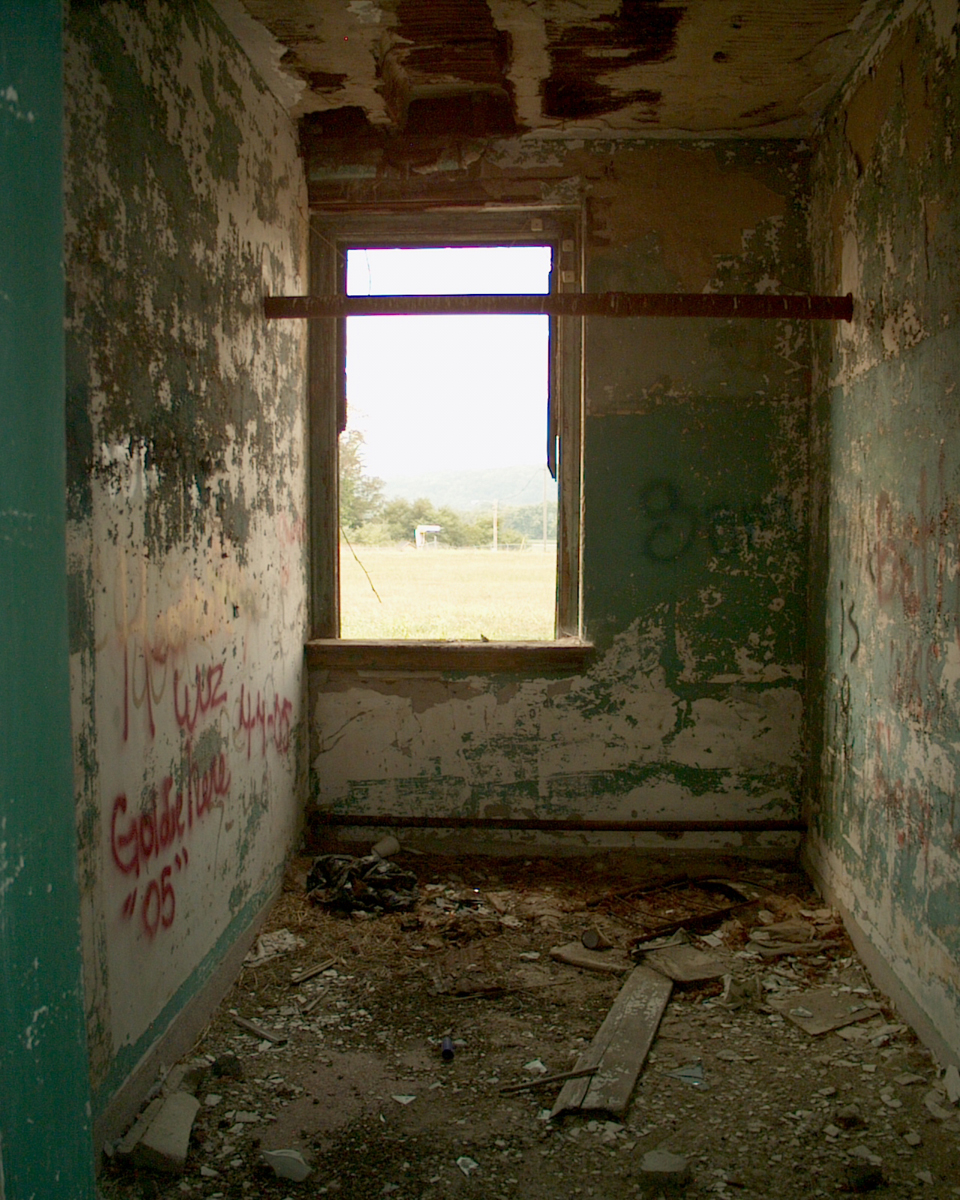
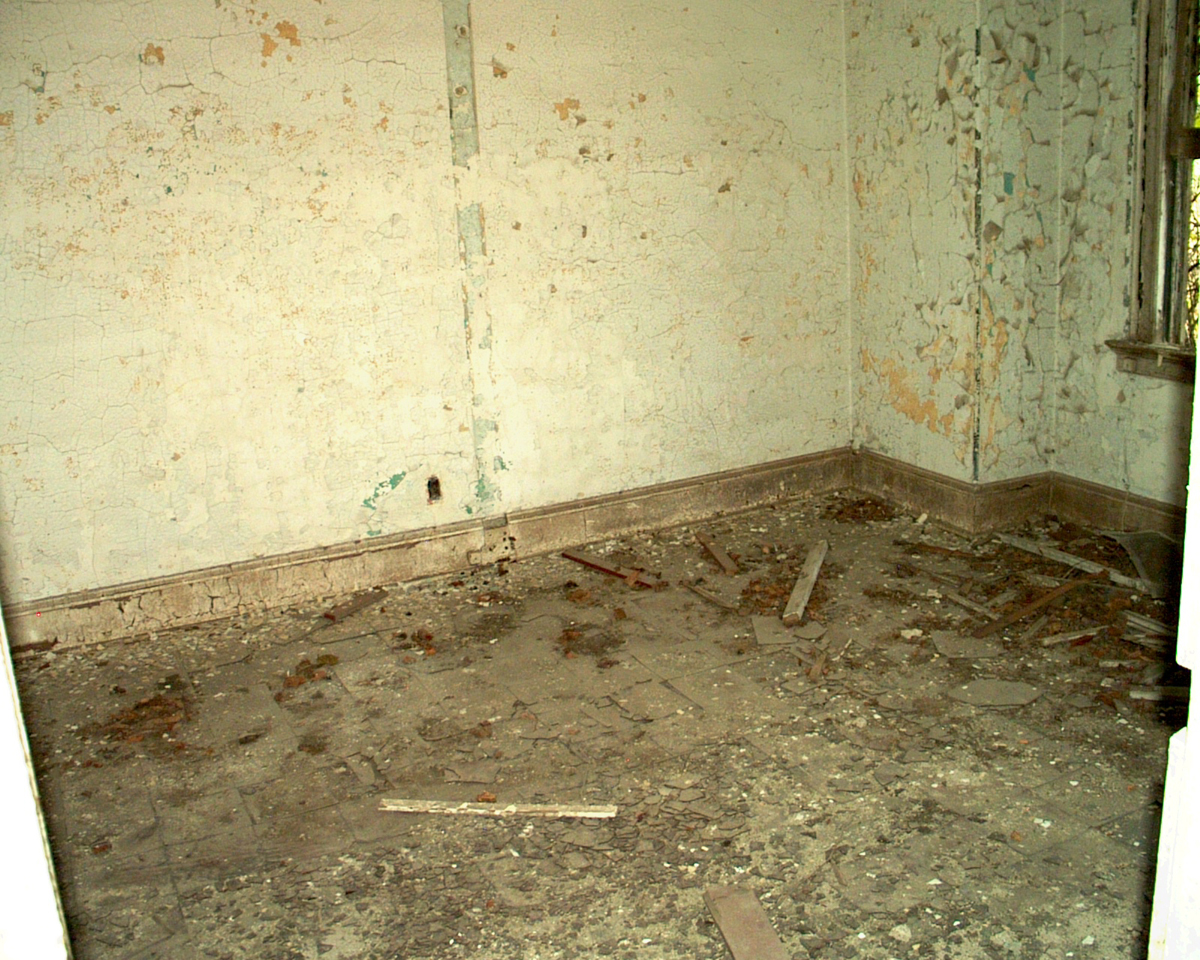
Some of the rooms were very small, like this one.
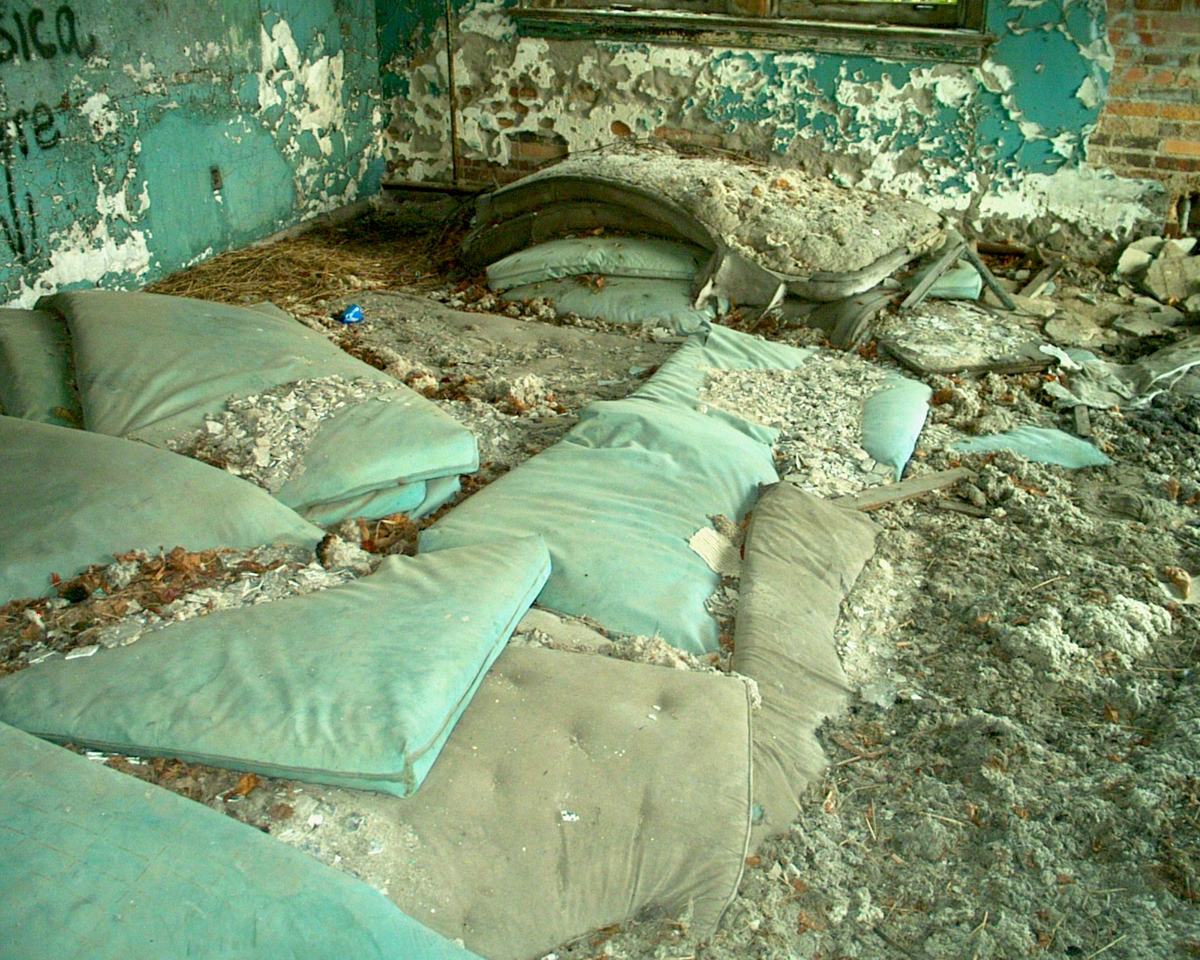
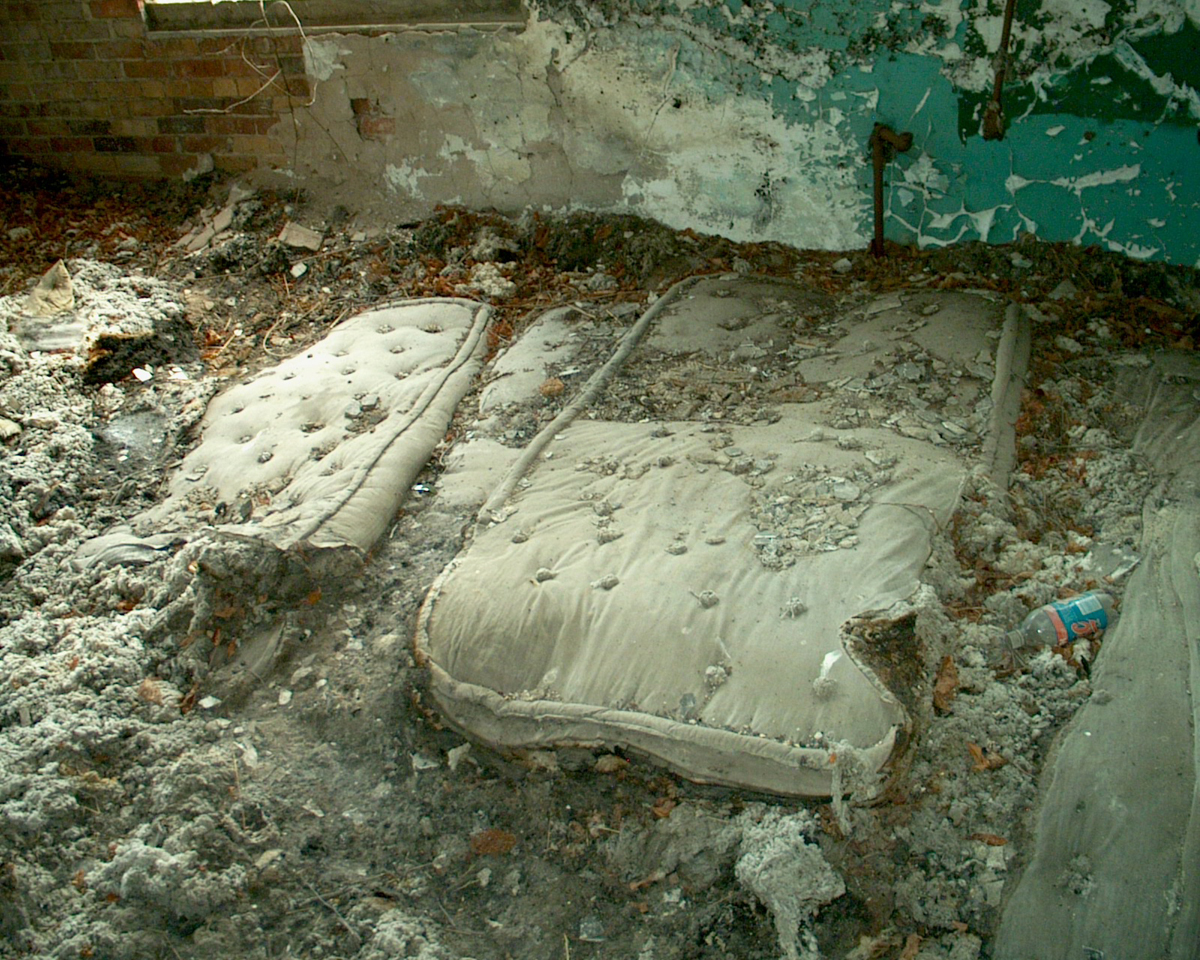
This room had a few stacks of decaying mattresses stacked in the corners.
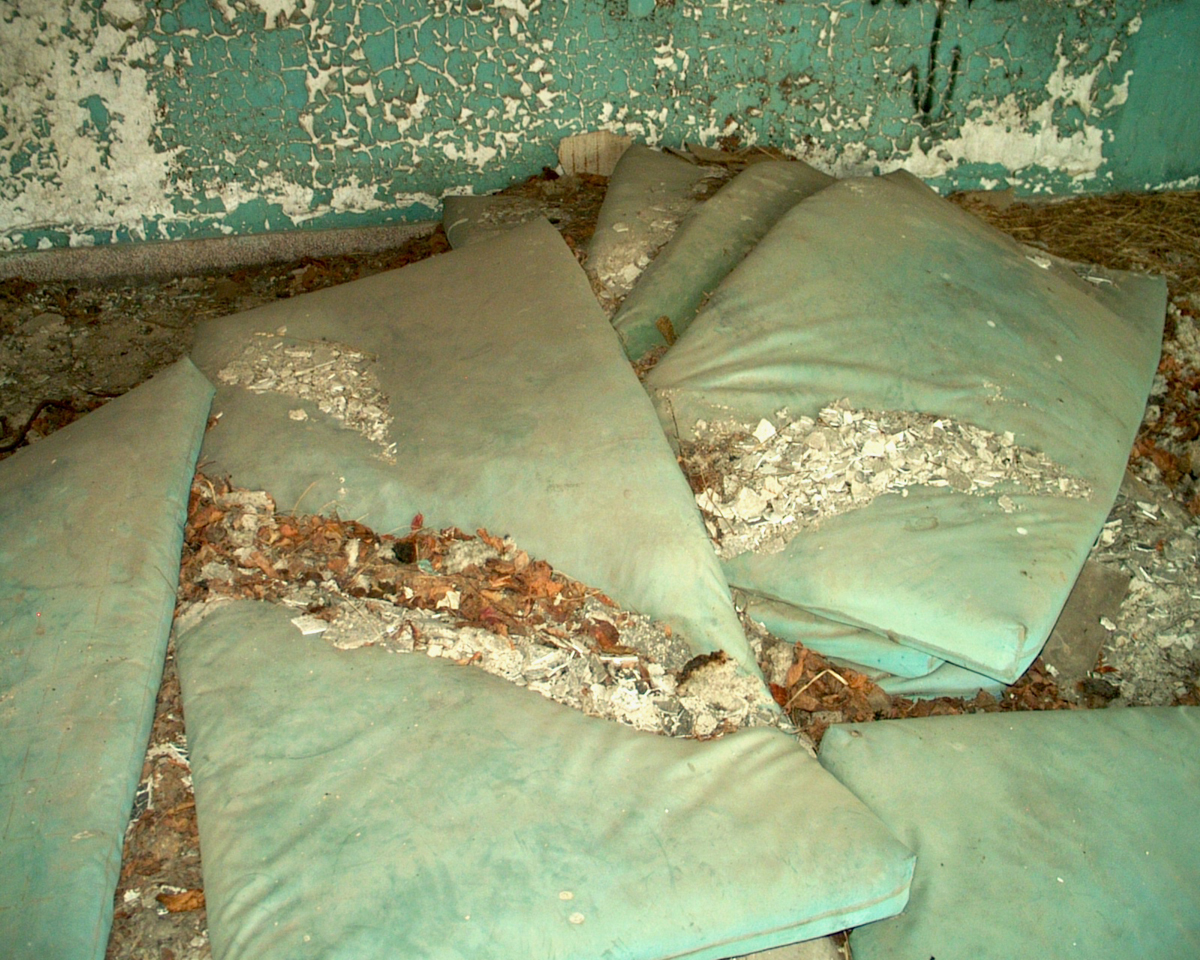
The insides of the mattresses covered the floor and smelled horrible.
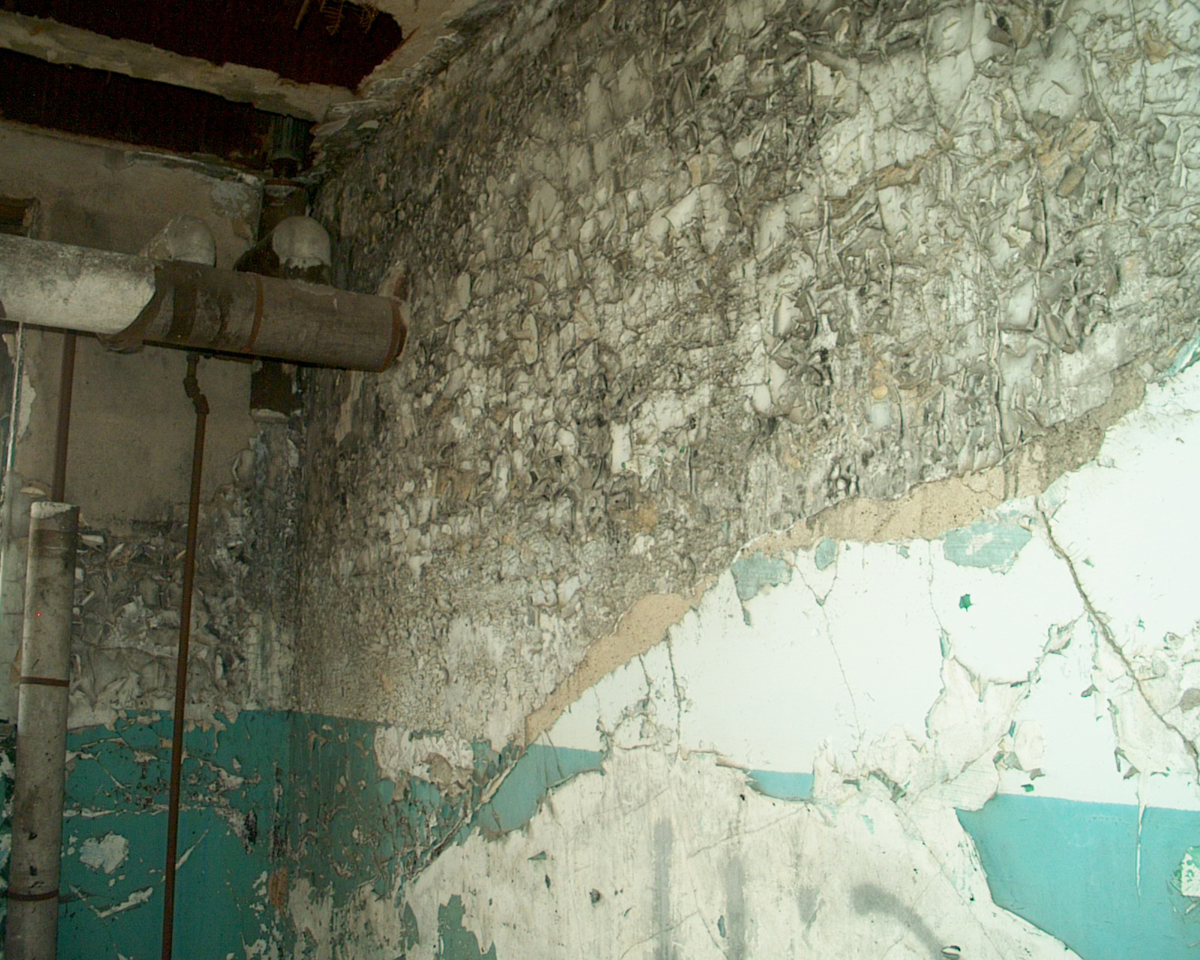
Paint peeled from the wall around an asbestos covered pipe.
Another pile of rotted mattresses.
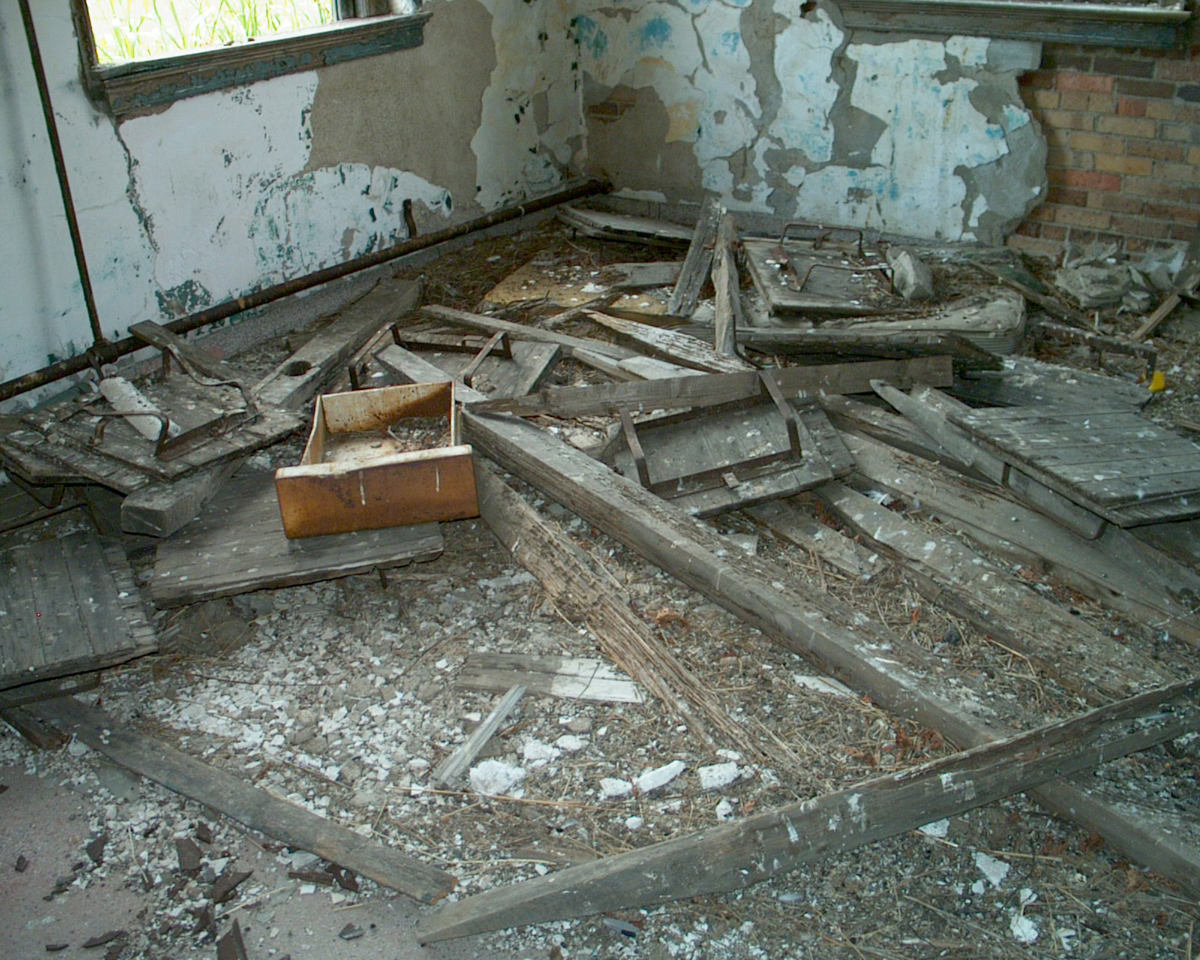
Smashed furniture and pieces of the wall.
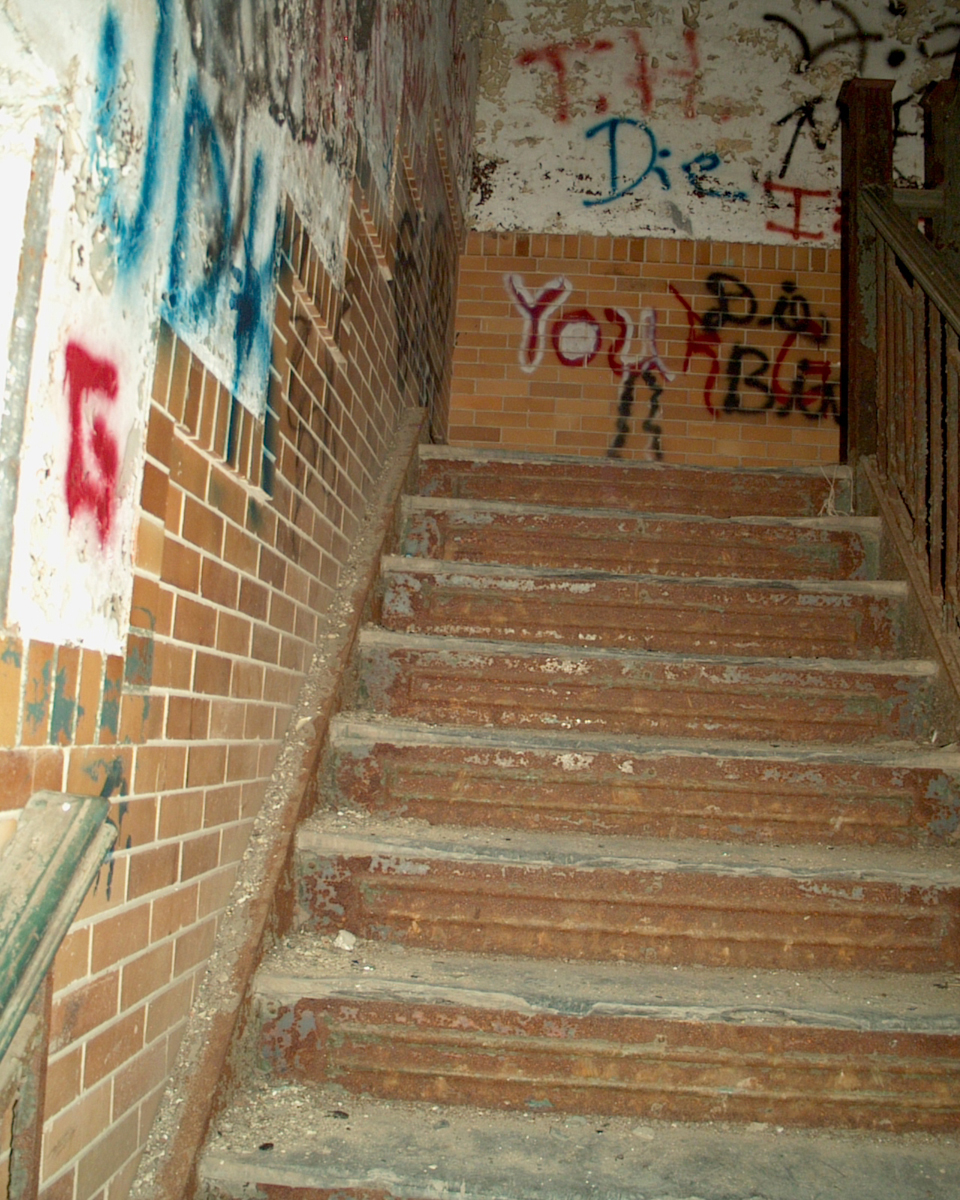
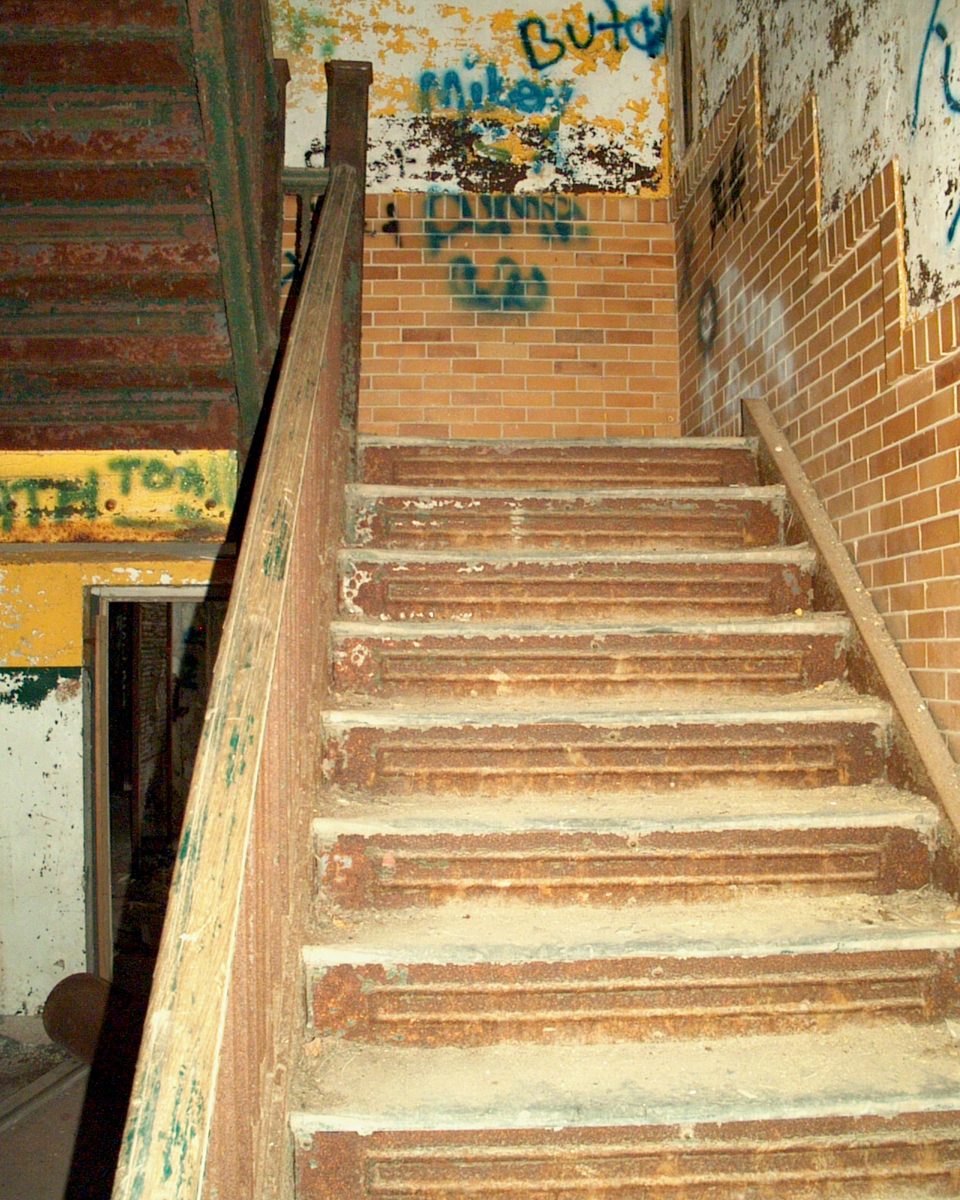
A rear set of stairs.
Another one of the narrow hallways.
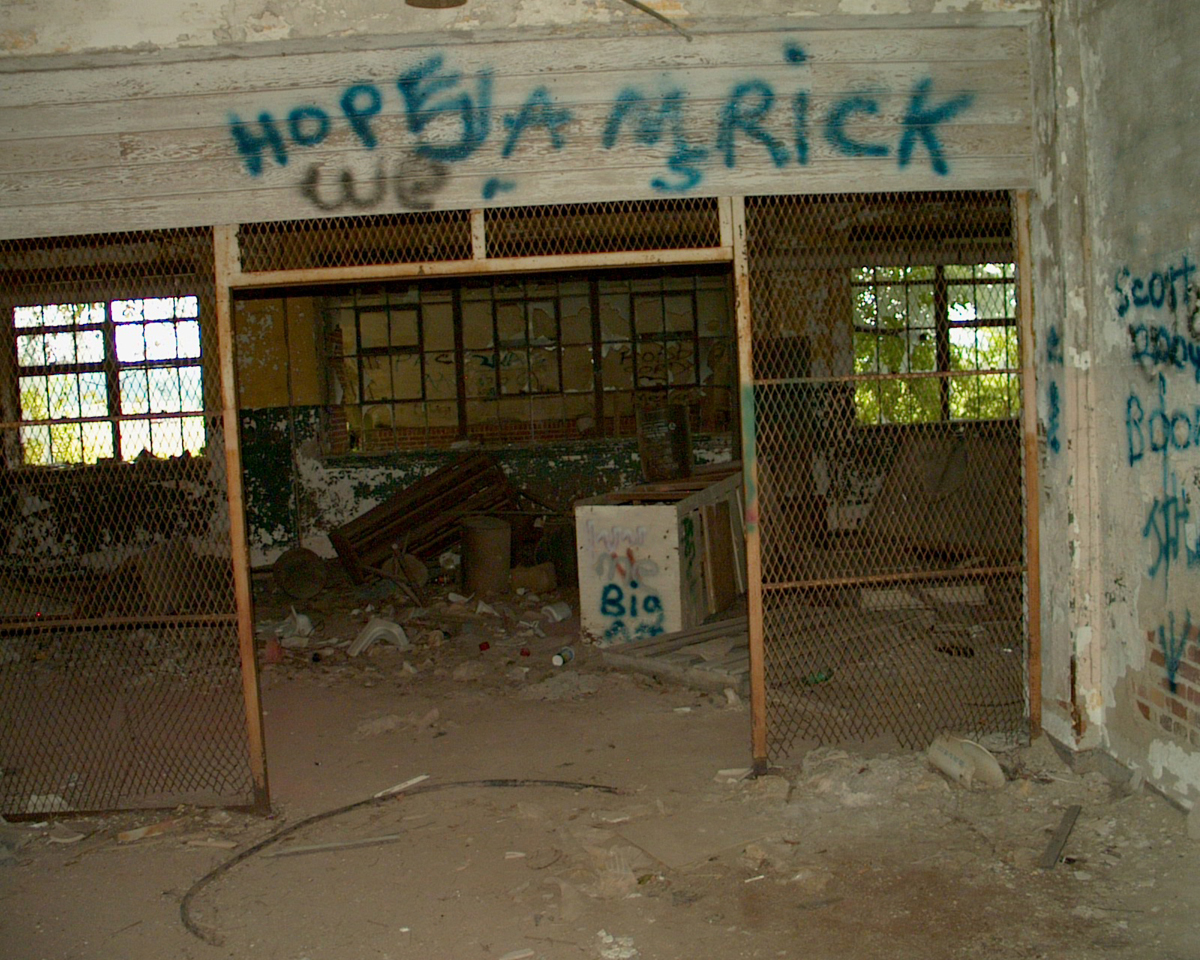
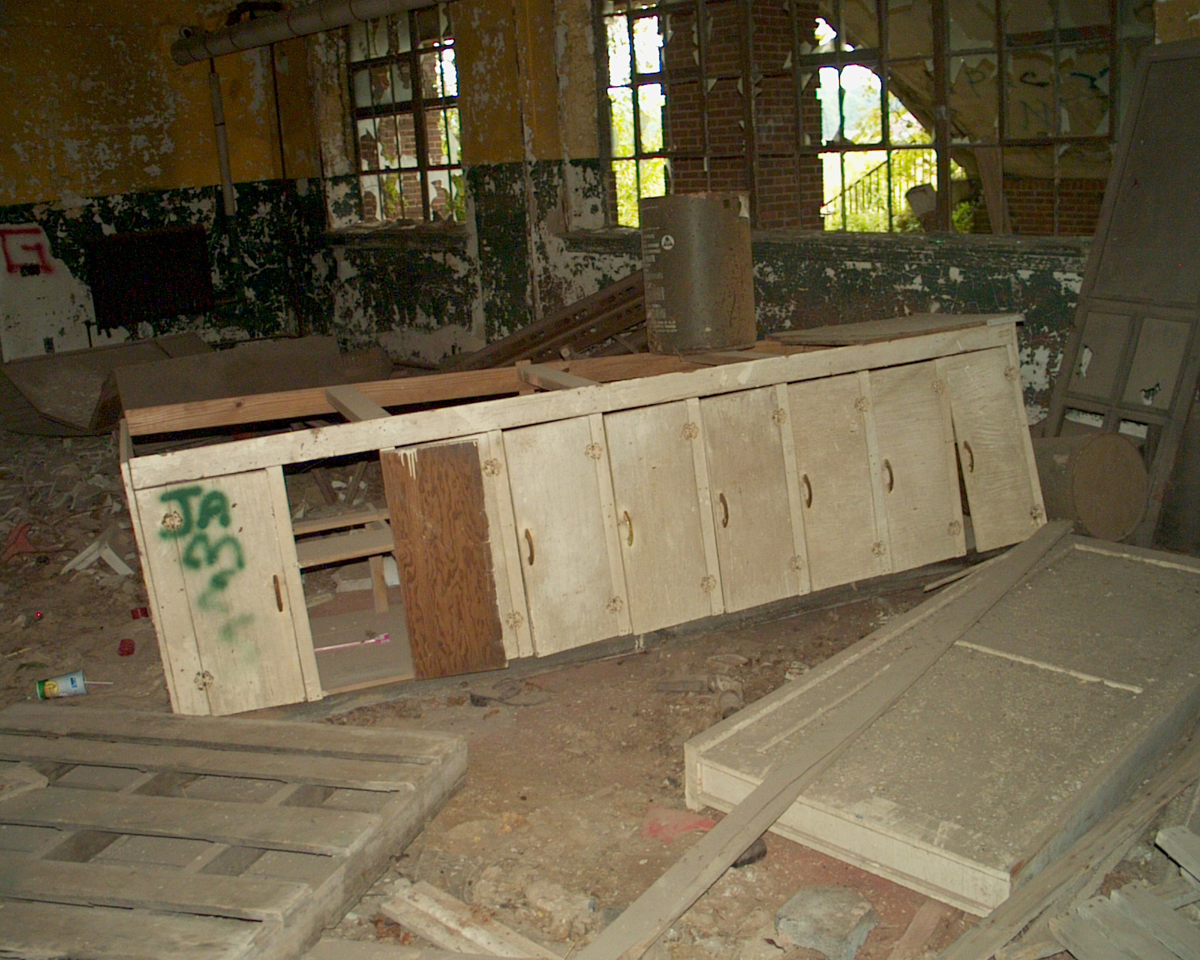
This large room contained some old cabinets and other furniture.
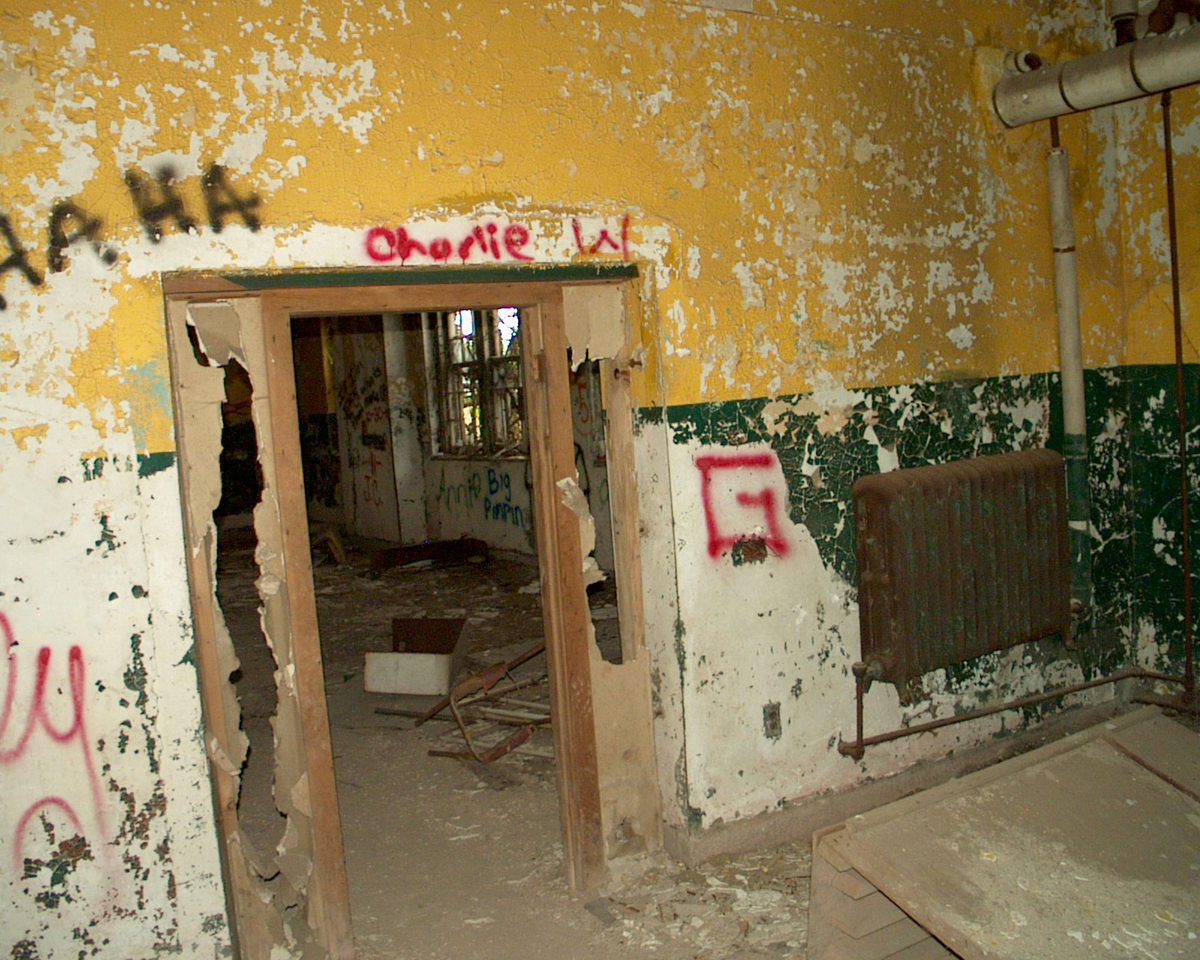
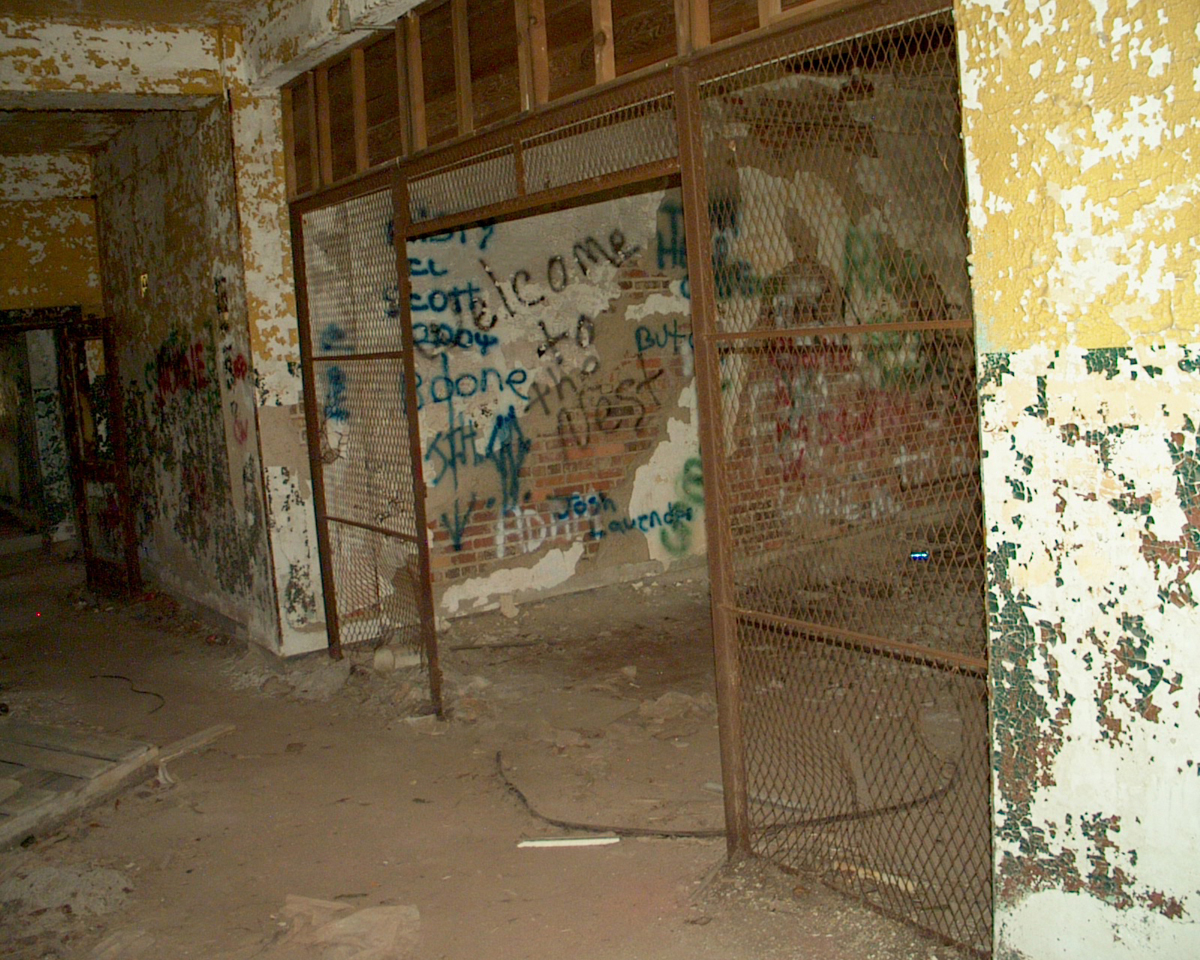
The doorway to the next room.
We found ourselves back where we had entered the building.
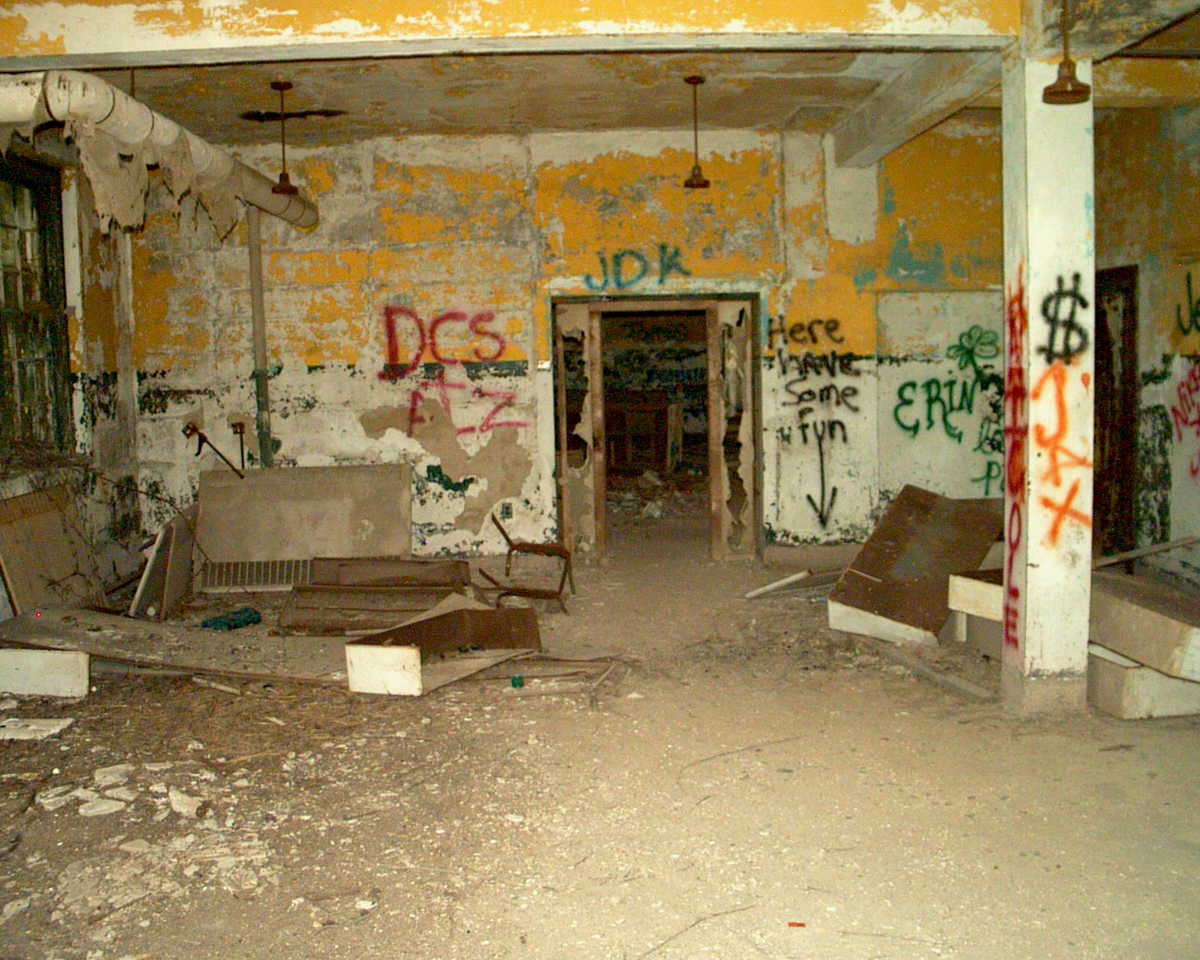
This room was probably the cafeteria.
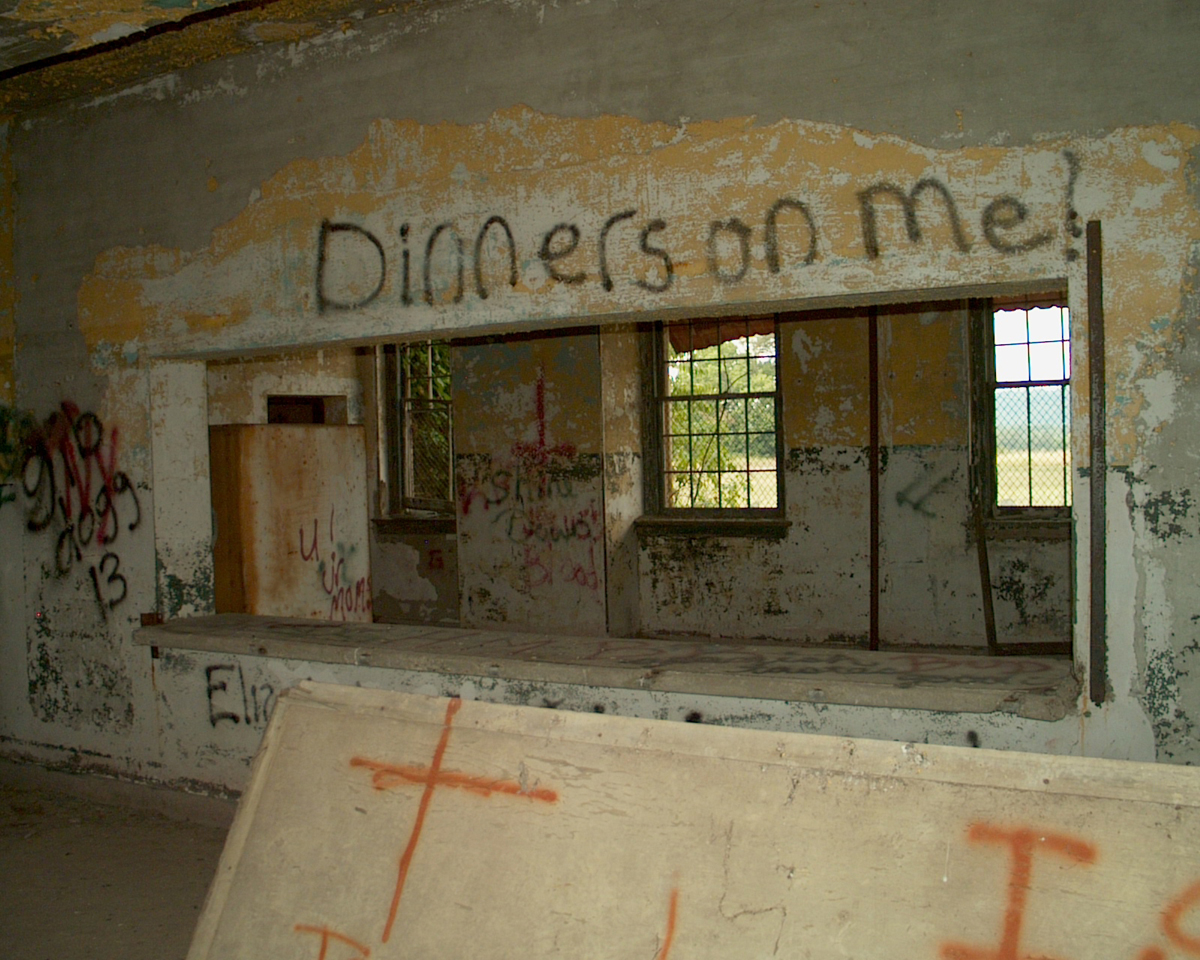
The cafeteria window between the dining area and the kitchen.
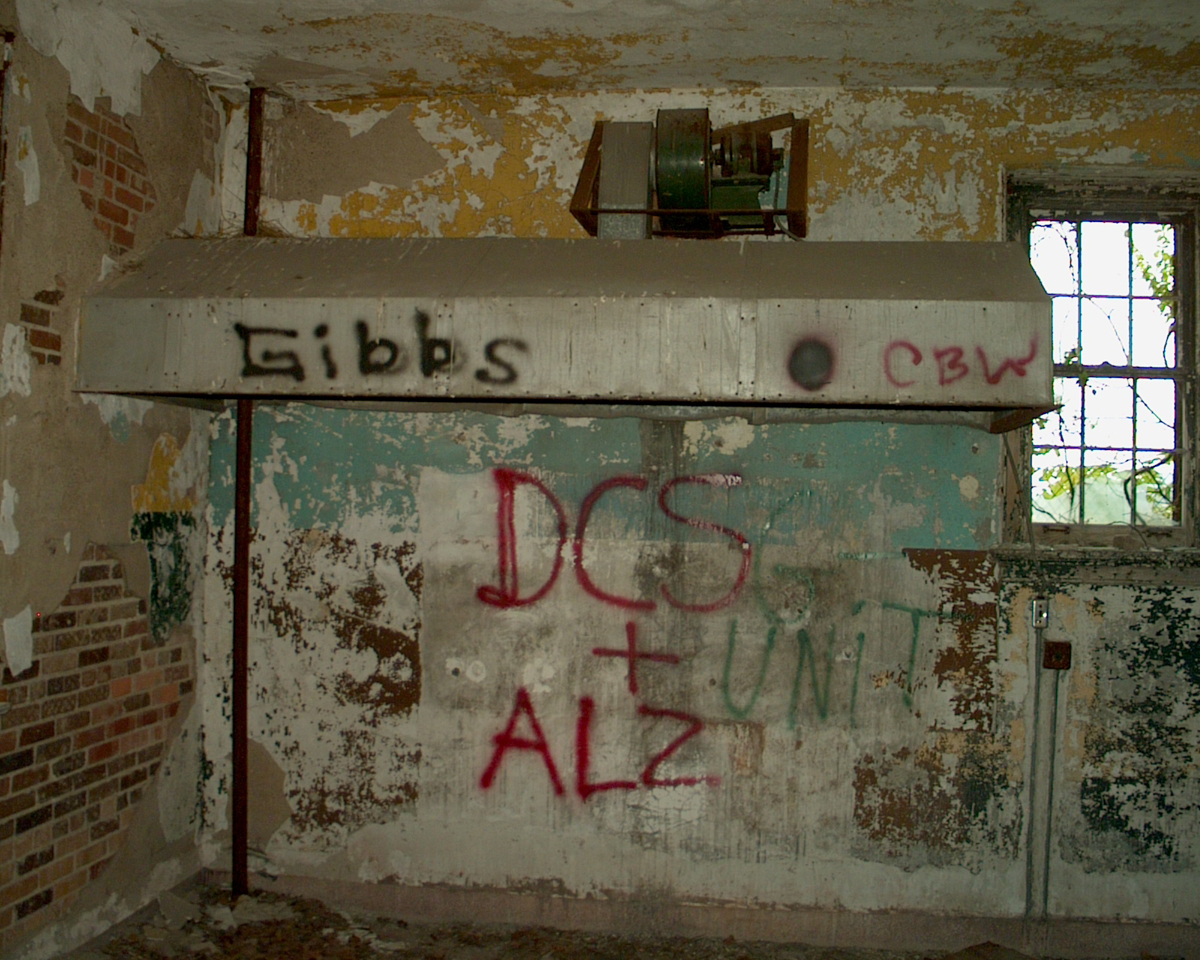
A large range hood where food used to be prepared.
This small room was off of the main kitchen area.
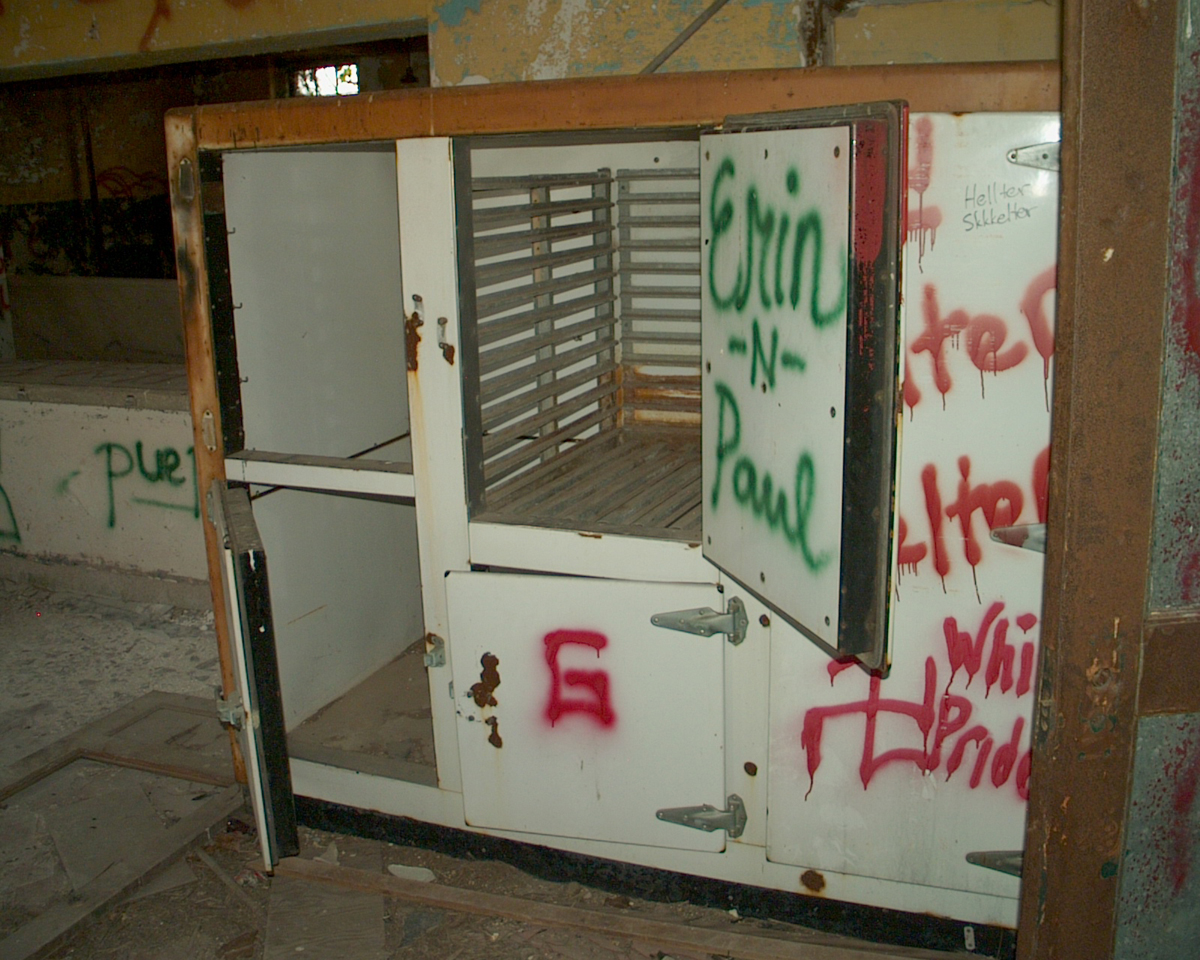
An old refrigeration unit.
The set of stairs near the kitchen area.
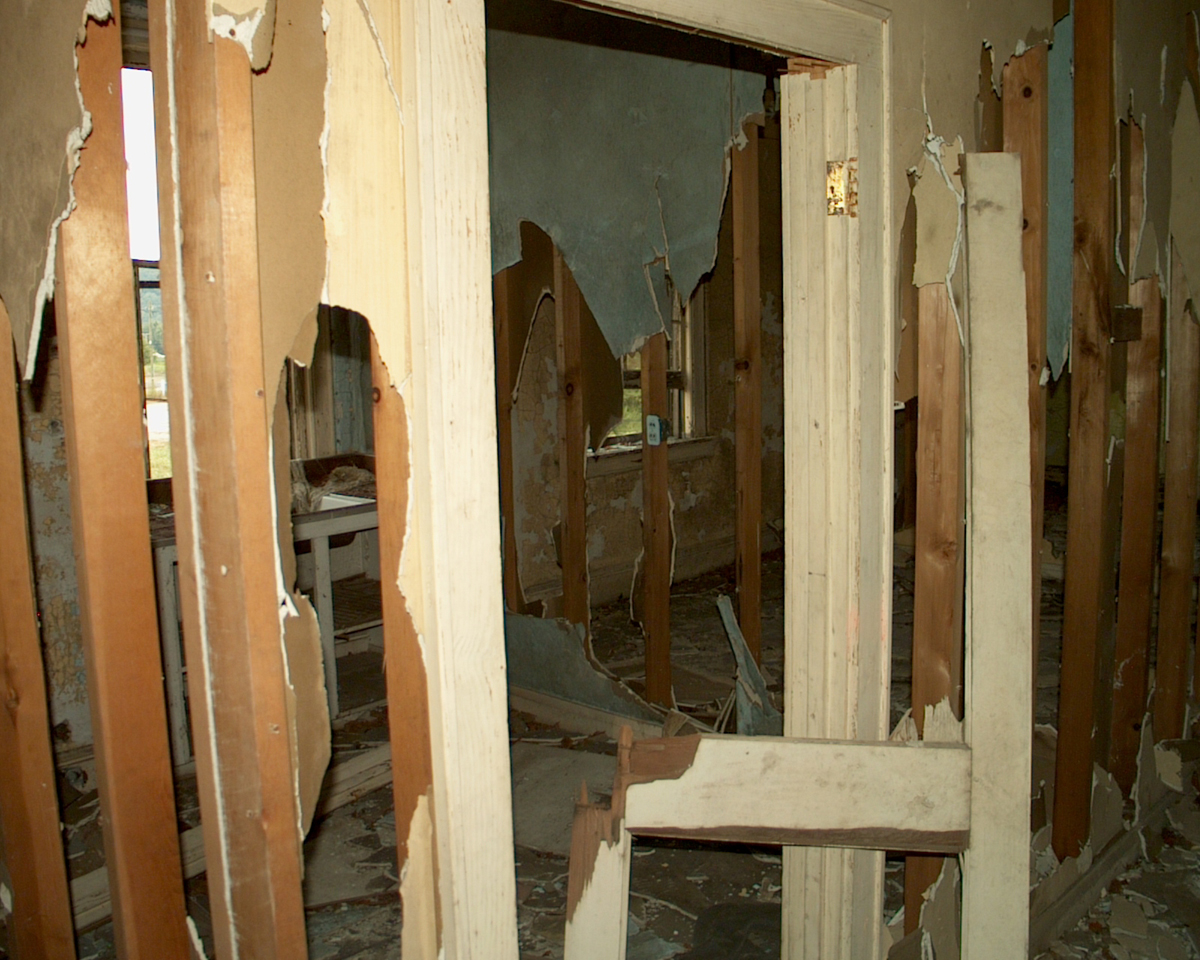
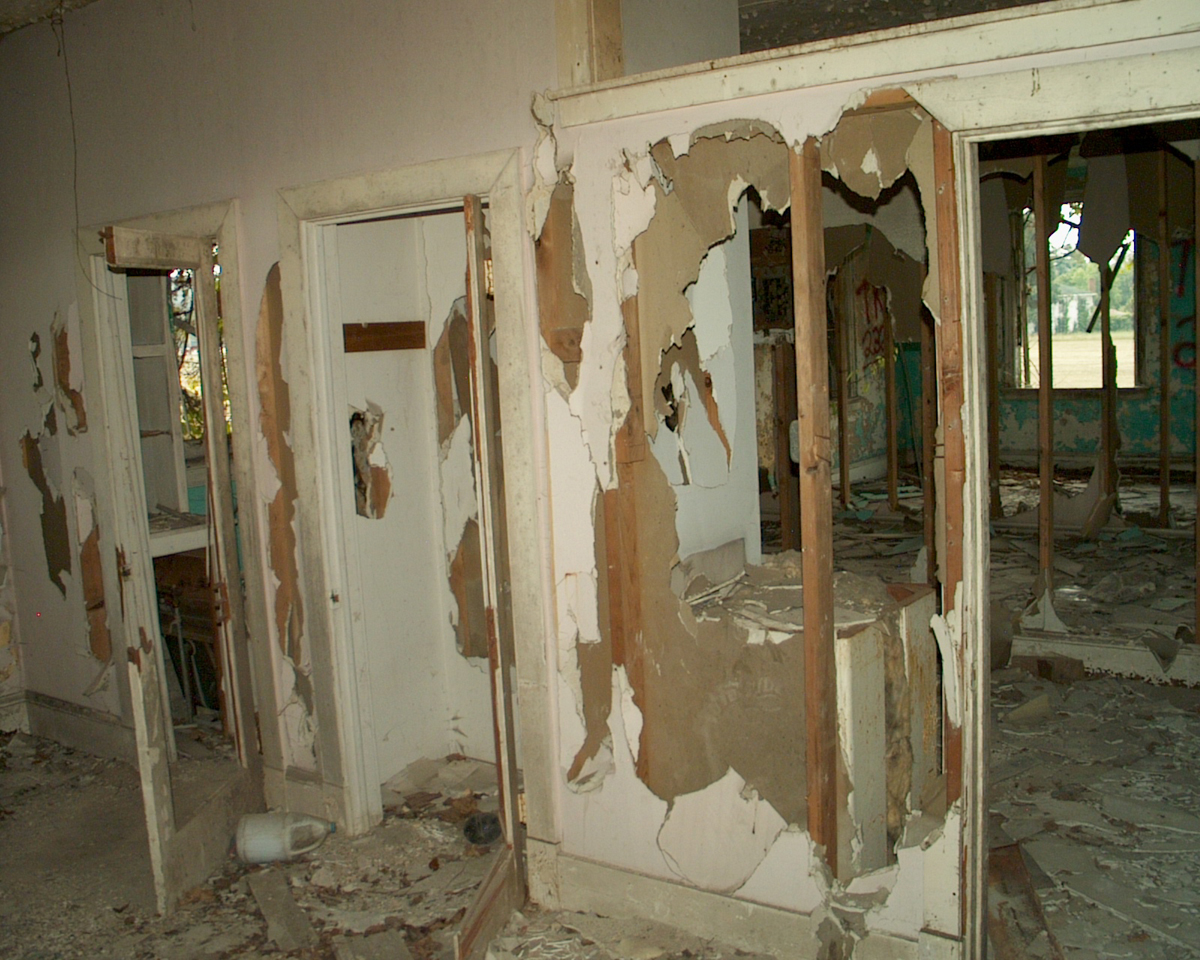
The drywall that divided these rooms was busted out for the most part.
Another narrow hallway.
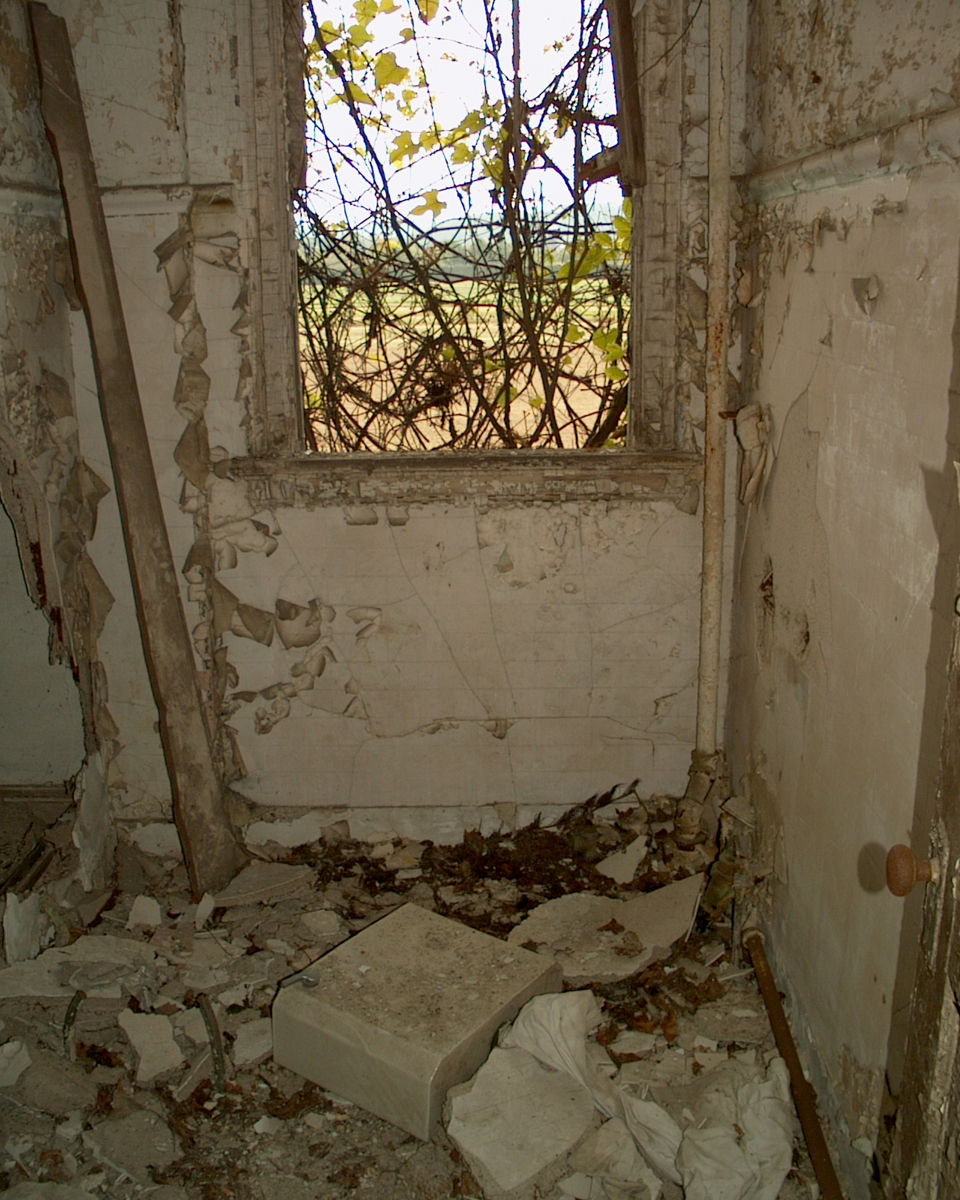
Looking out of the window.
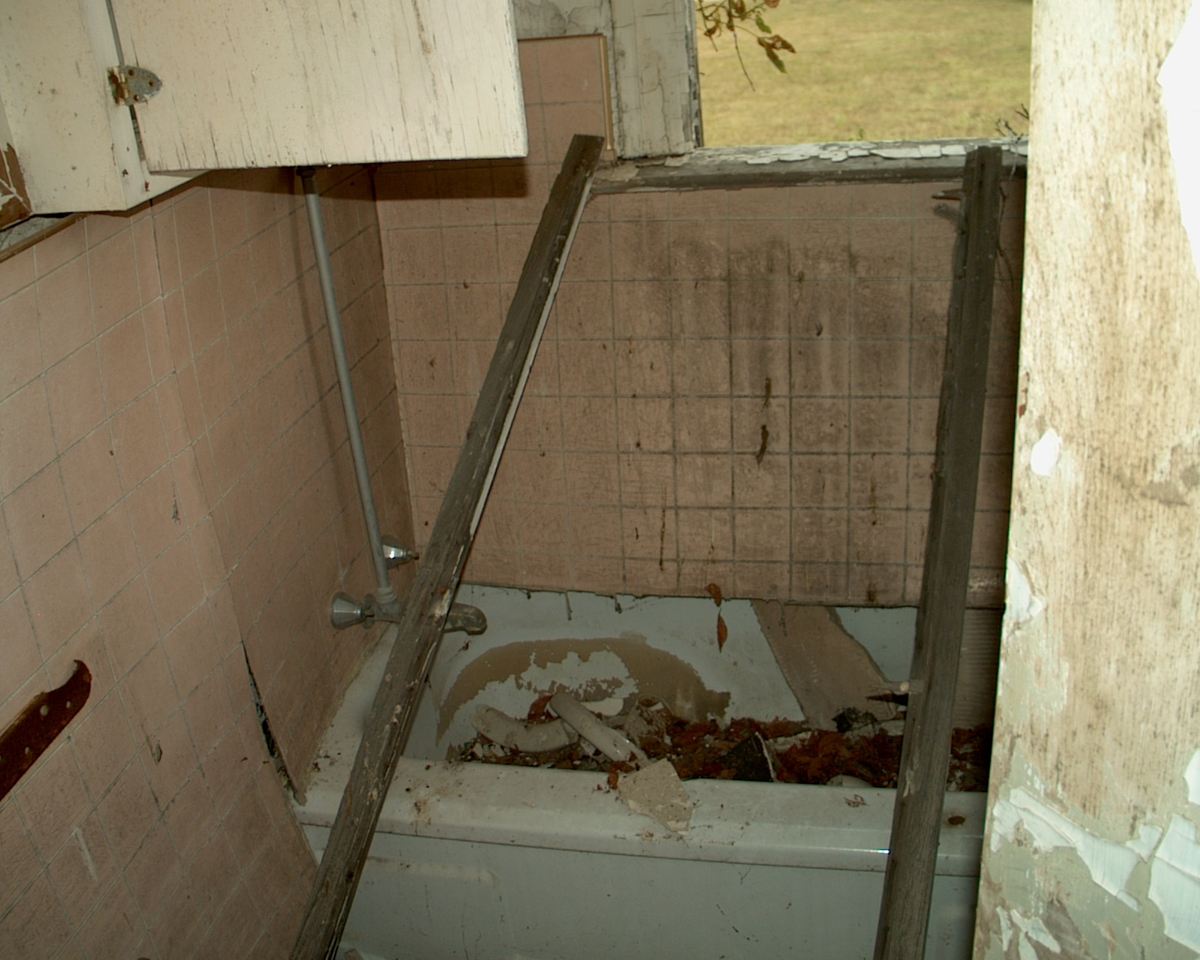
A pink bathtub was in one of the rooms.
You can see where coat hangers used to be attached to the wall in this closet.
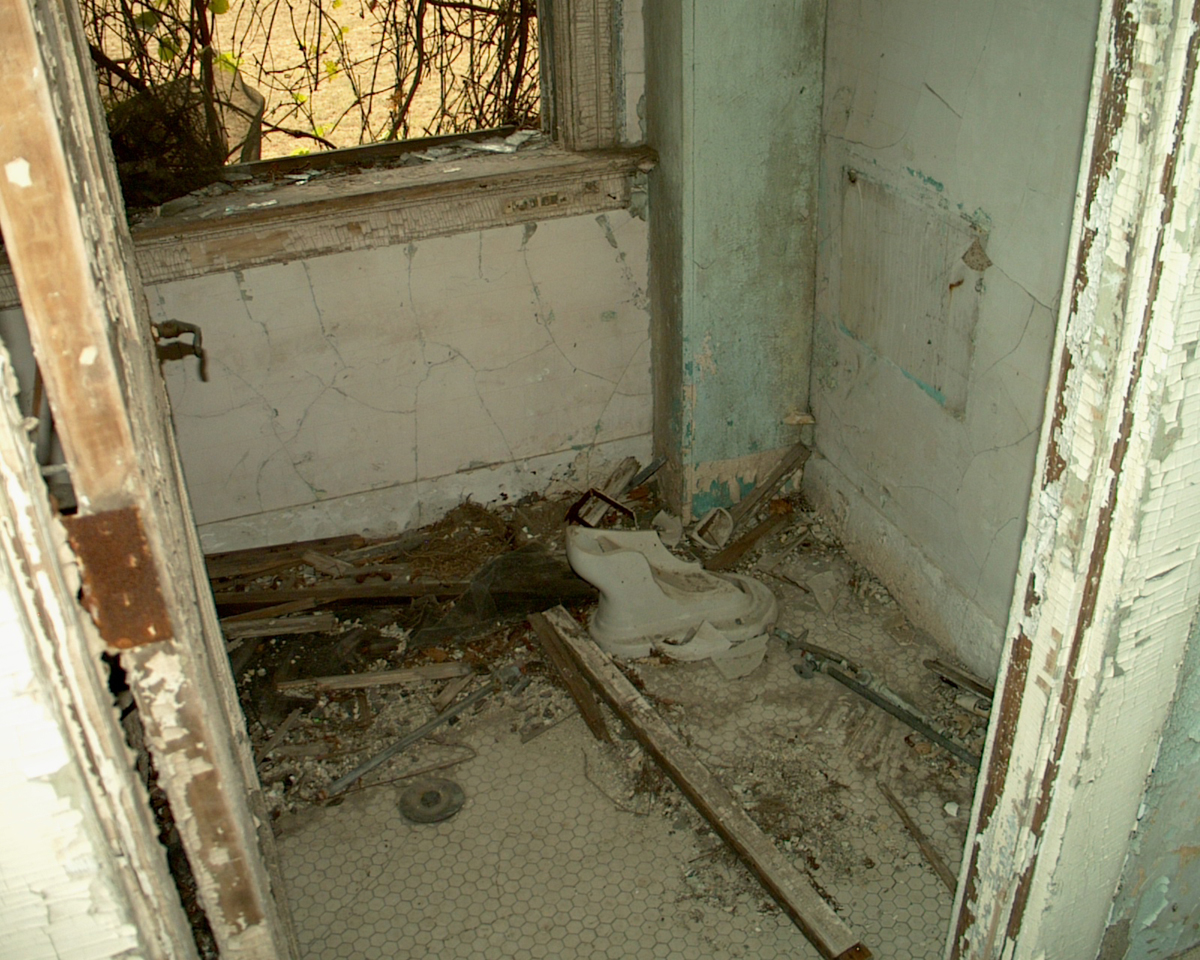
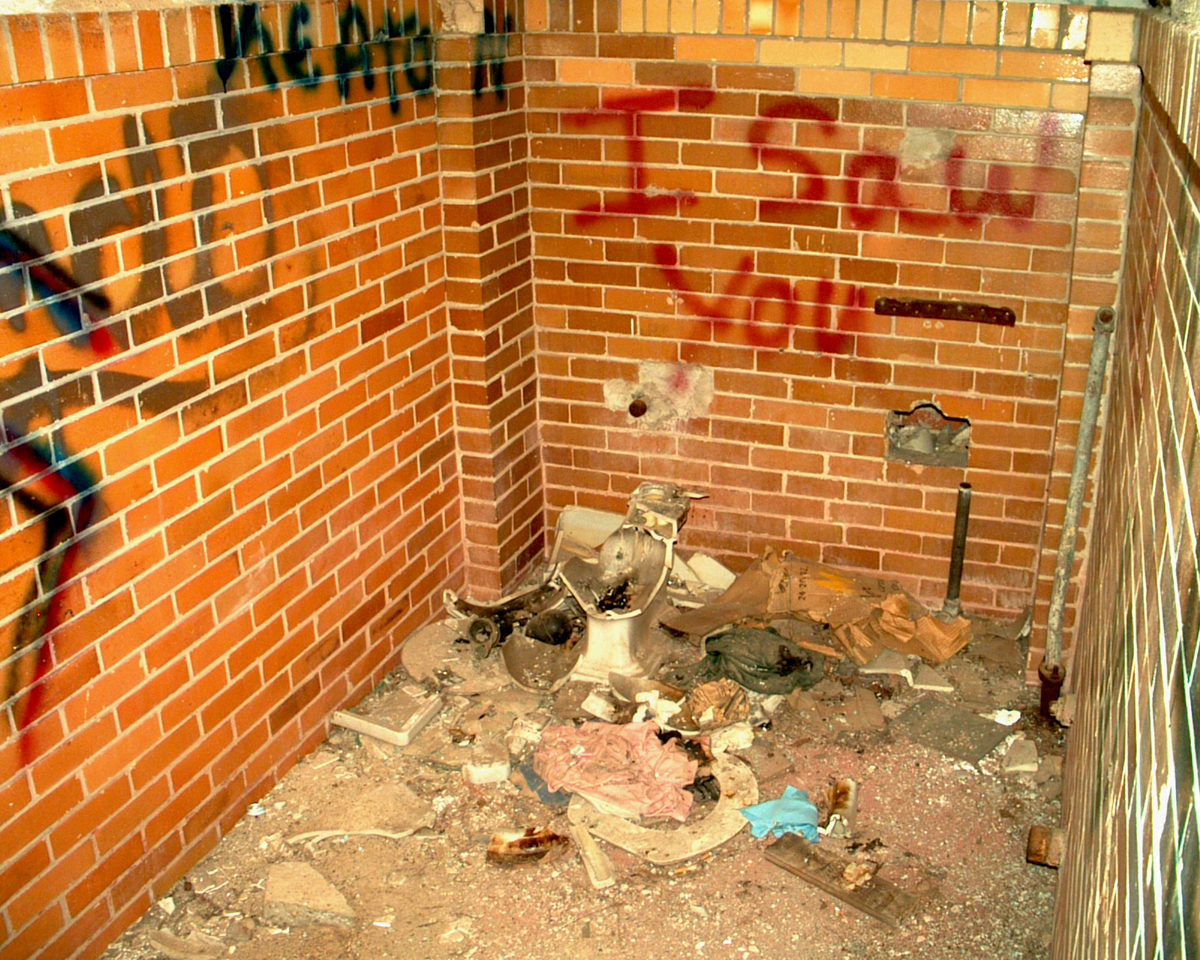
A busted toilet in a tiny bathroom.
As with the other hallways, this one was long and narrow.
This room was empty for the most part.
A busted wall and lots of debris.
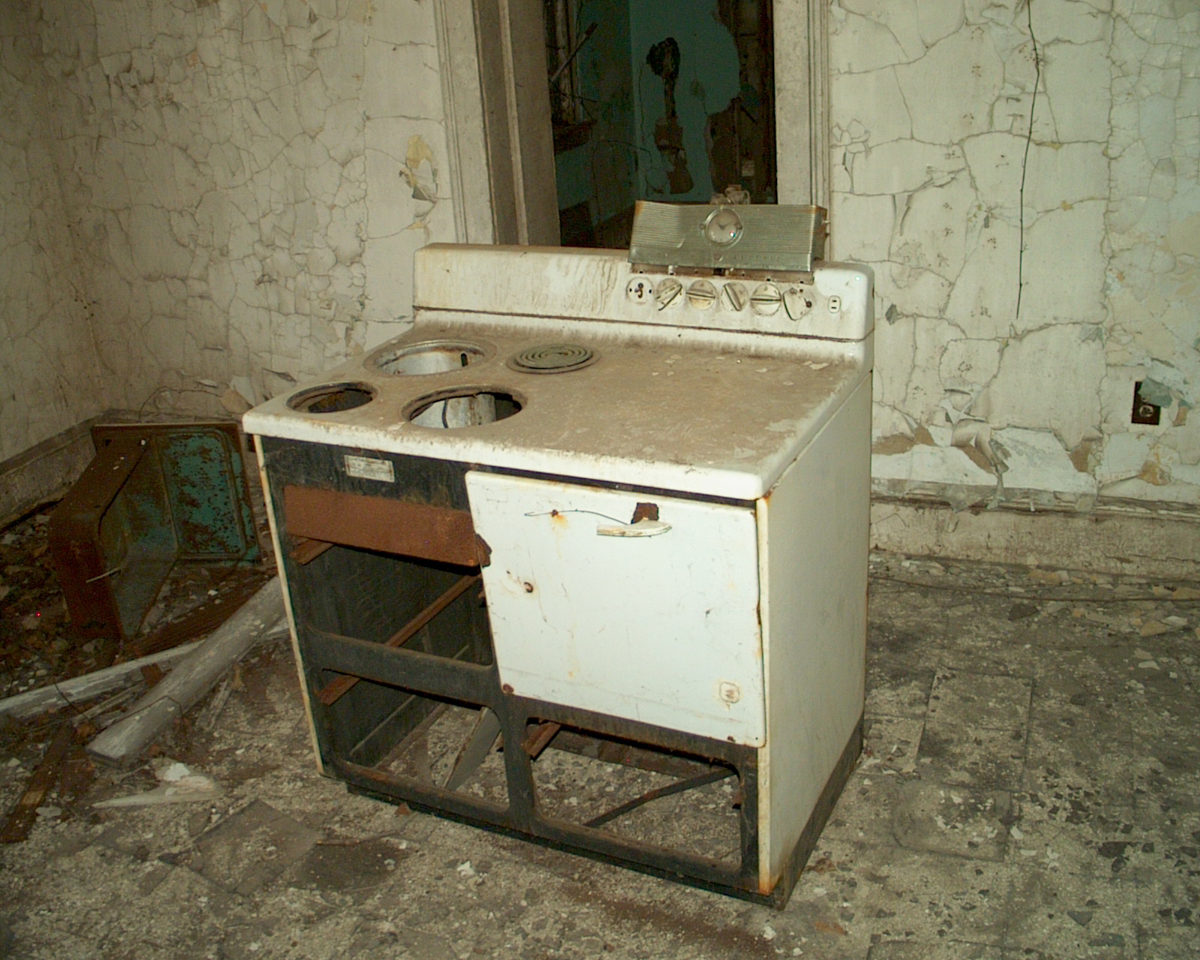
One of the rooms contained this old range and oven.
A rusted cabinet.
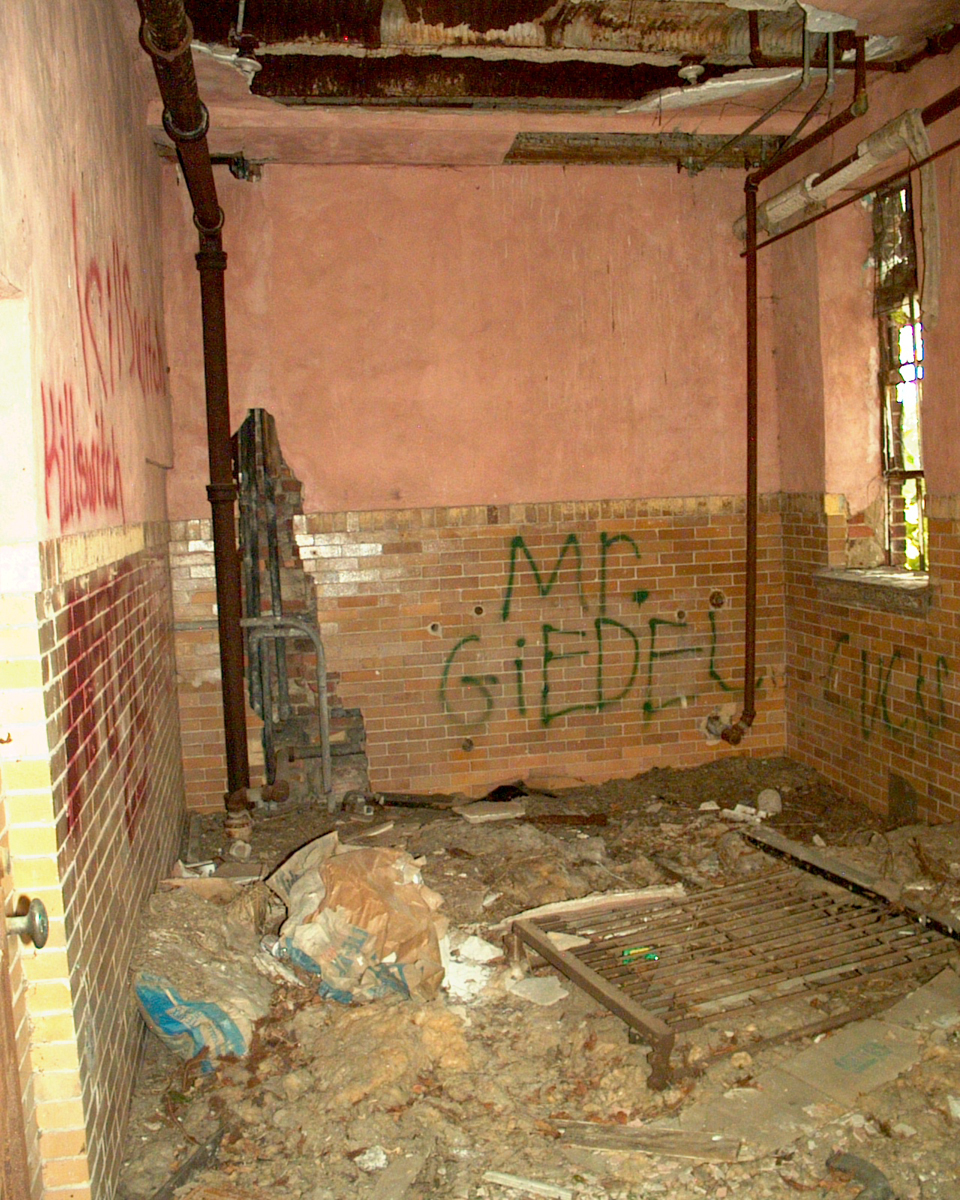
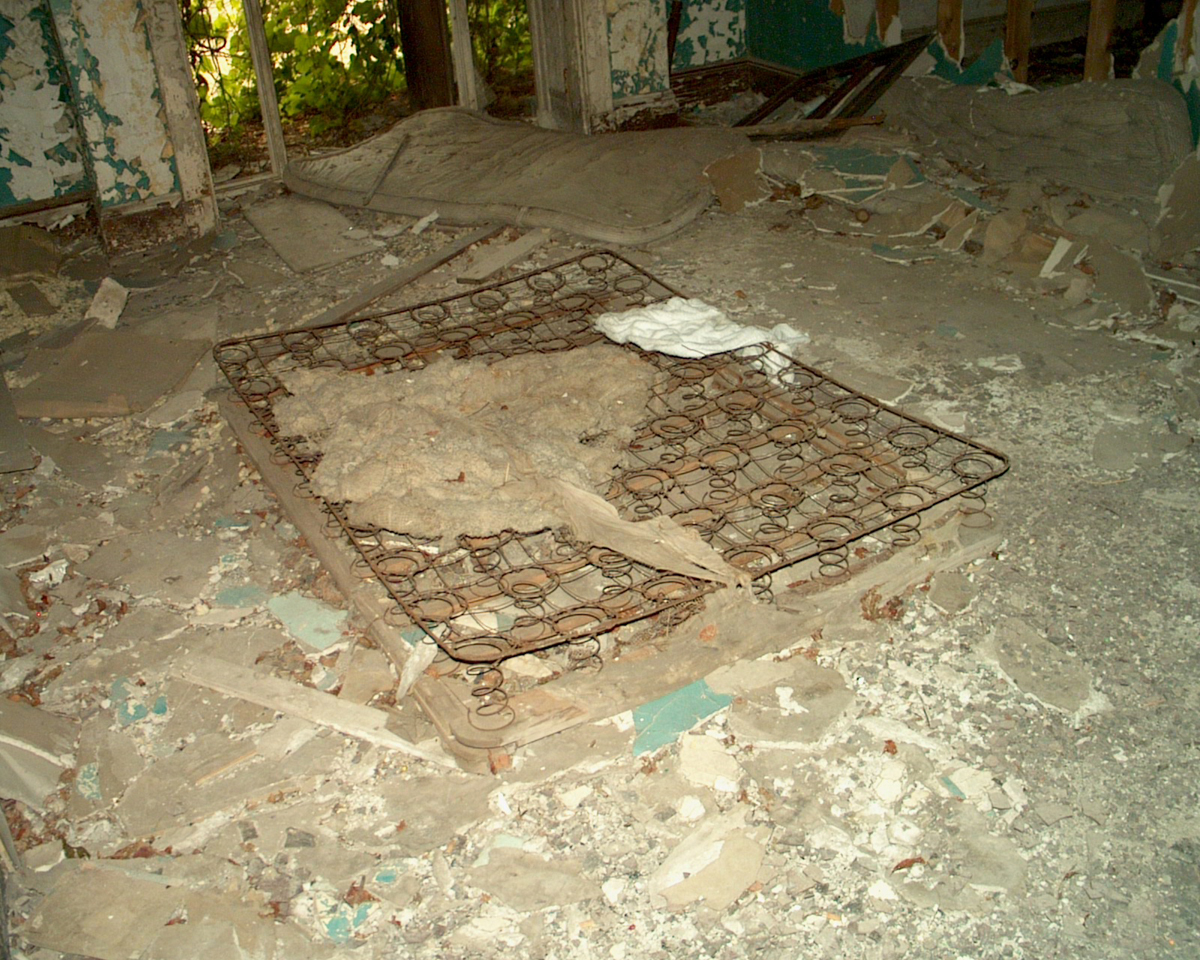
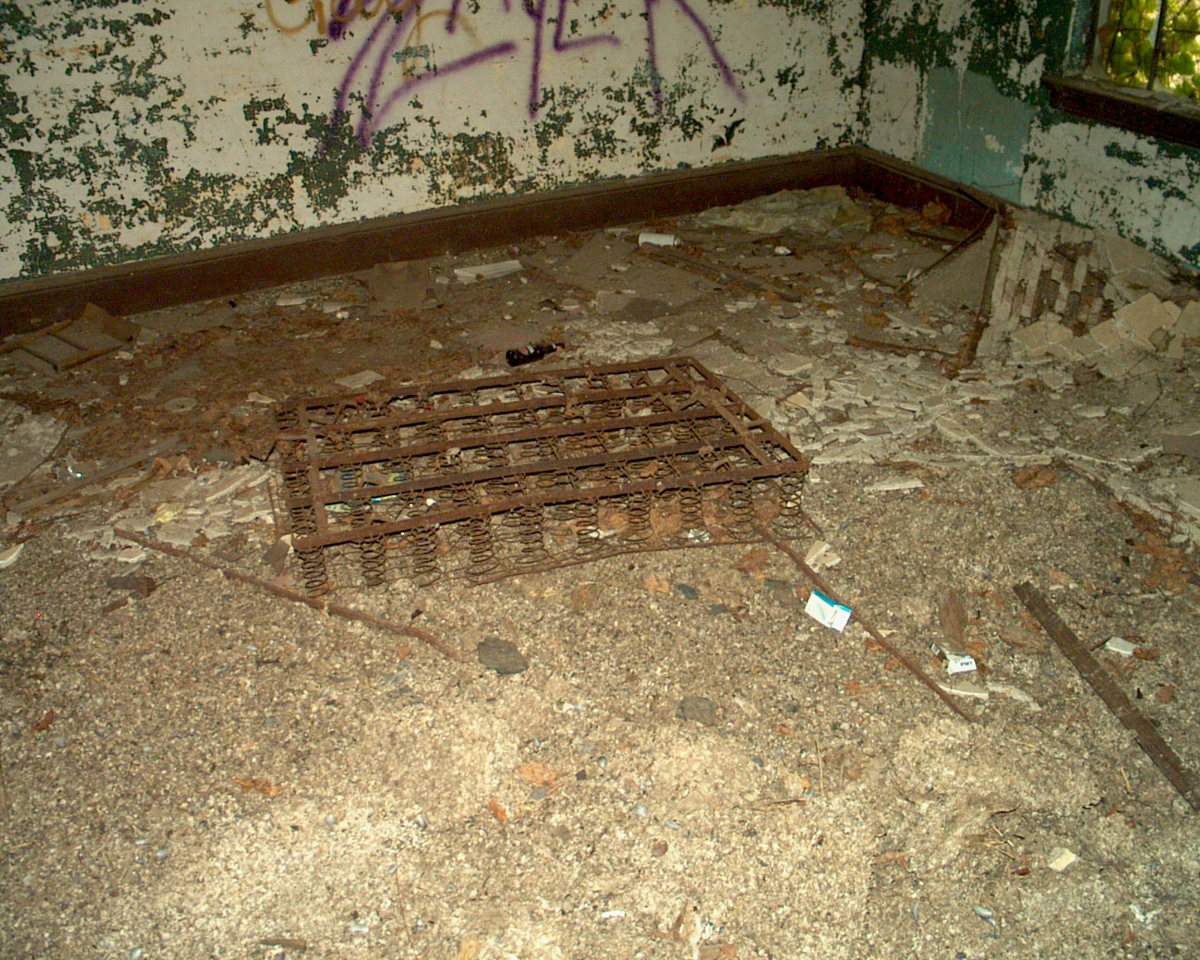
The springs of an old rotted mattress.
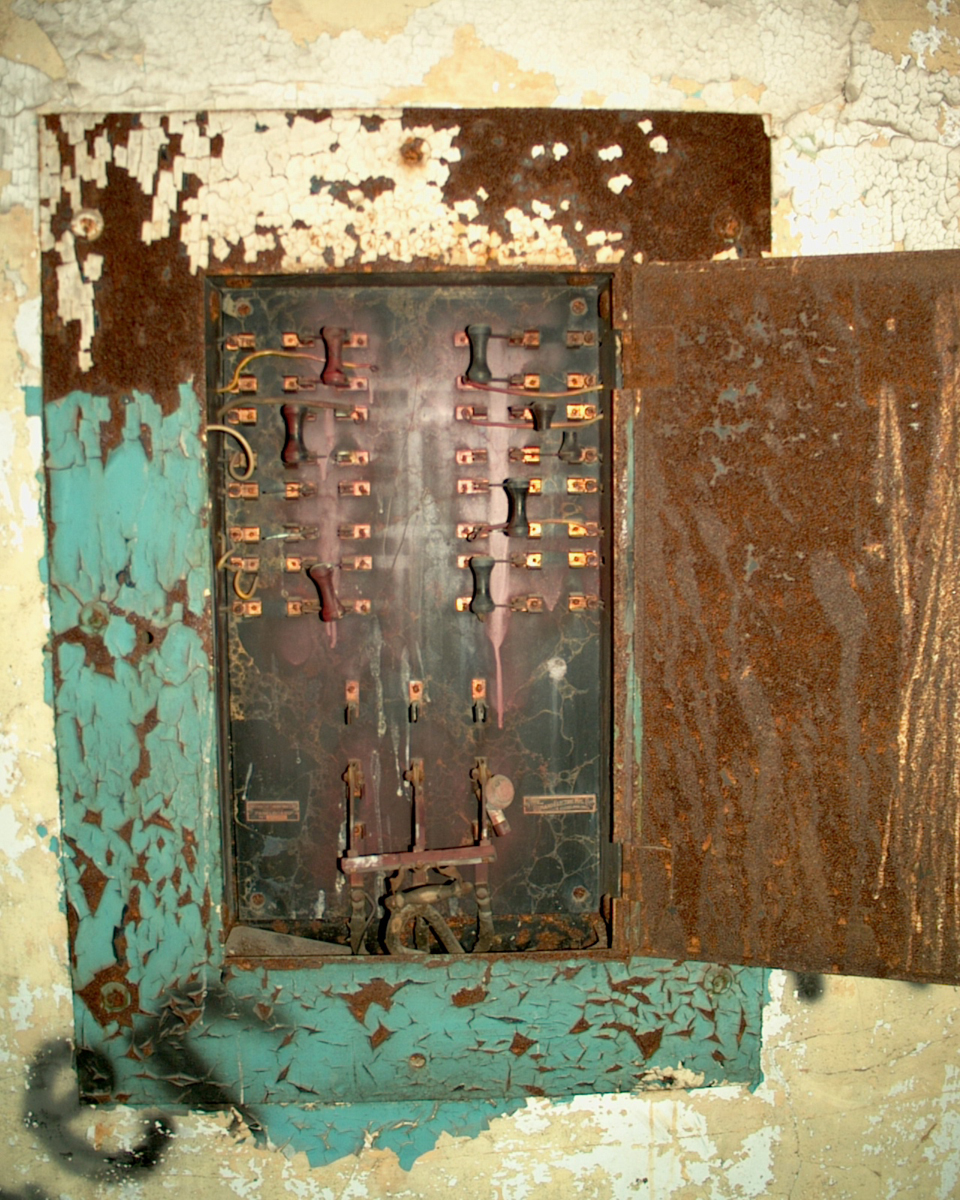
This was one of the fuse boxes in the building.
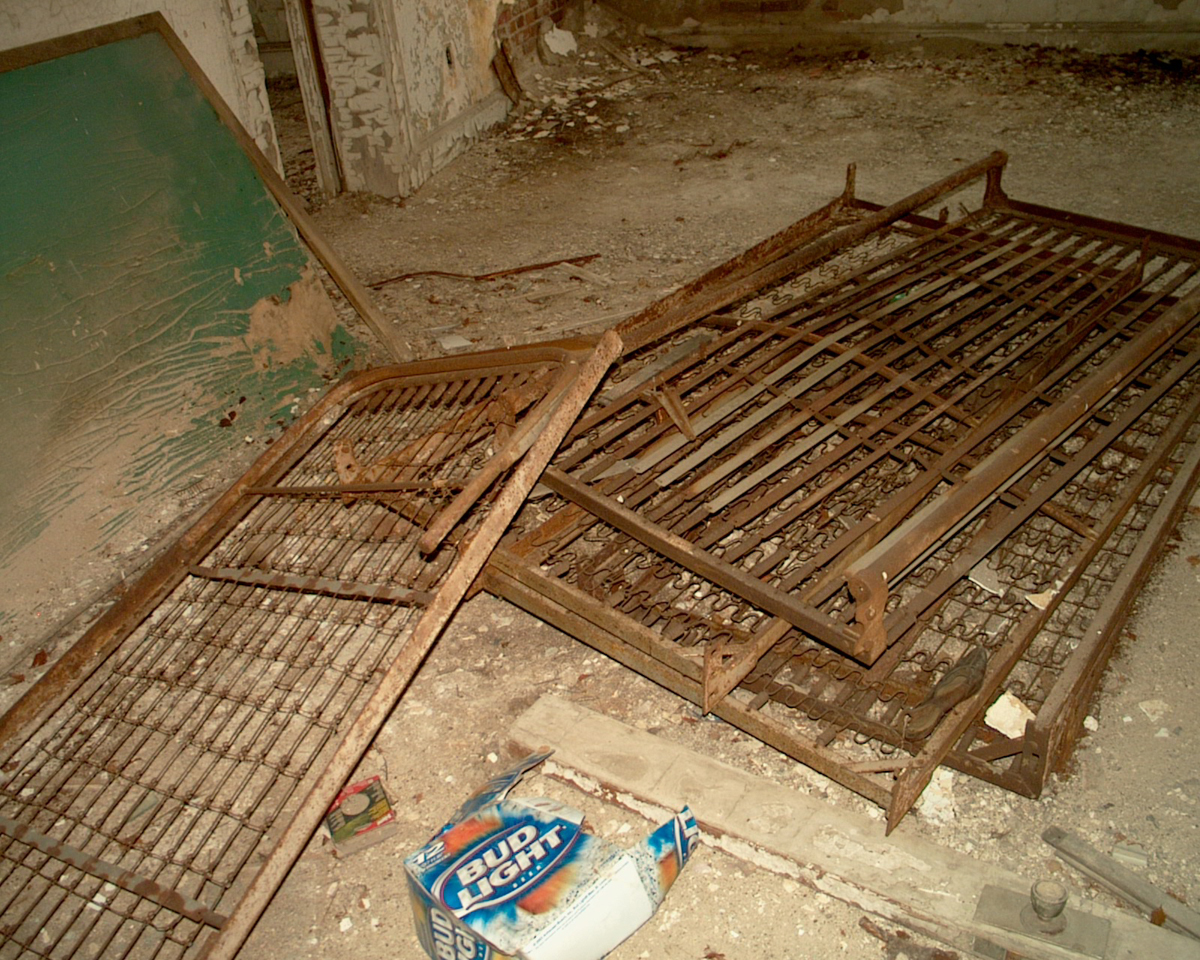
Metal supports for beds, a chalk board and a 12-pack of Bud Light were all in this room.
This once served as the main entrance to the industrial school.
There was a blue bathtub in another room.
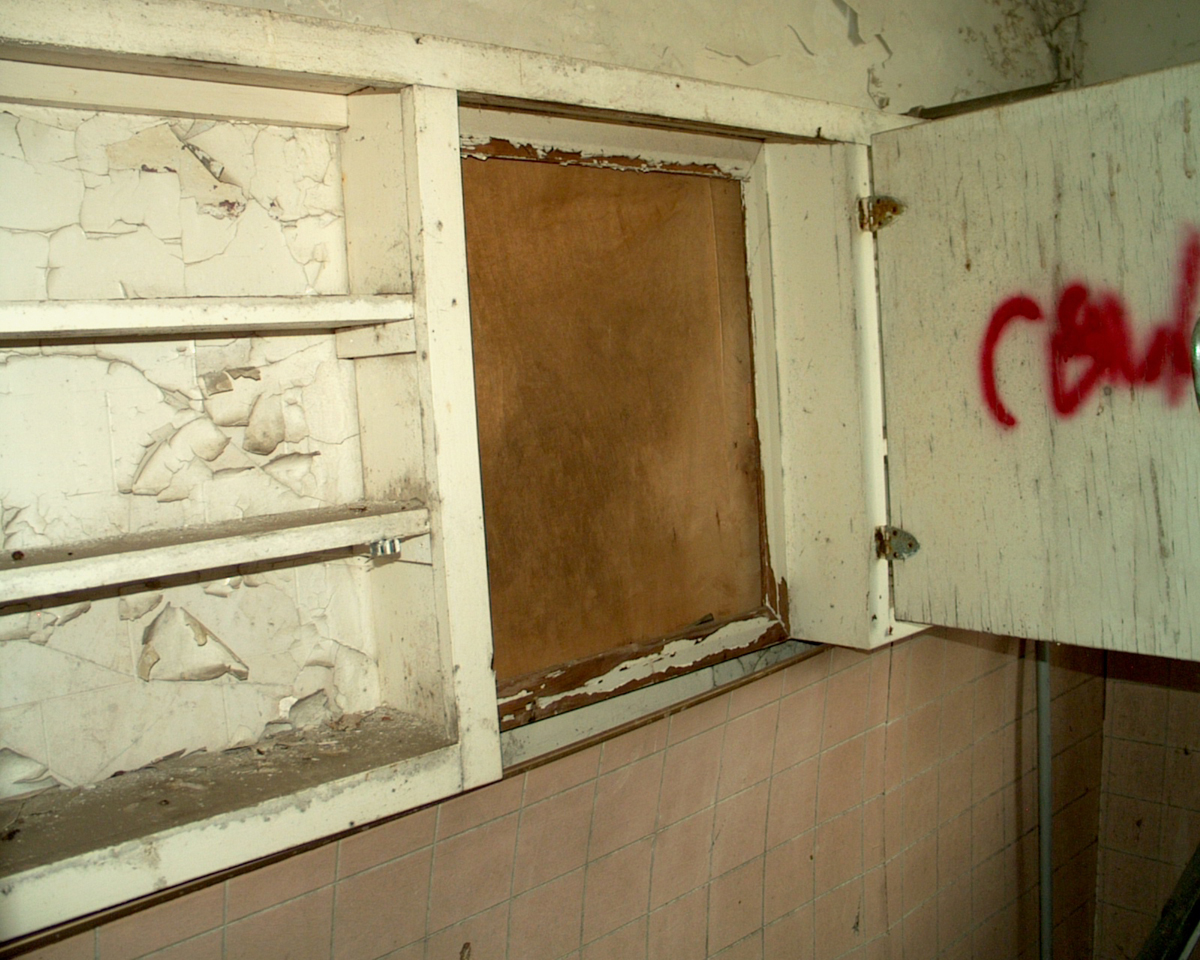
Cabinets just to the left of the blue tub.
This average-sized room was empty, except for a small pile of debris on the floor.
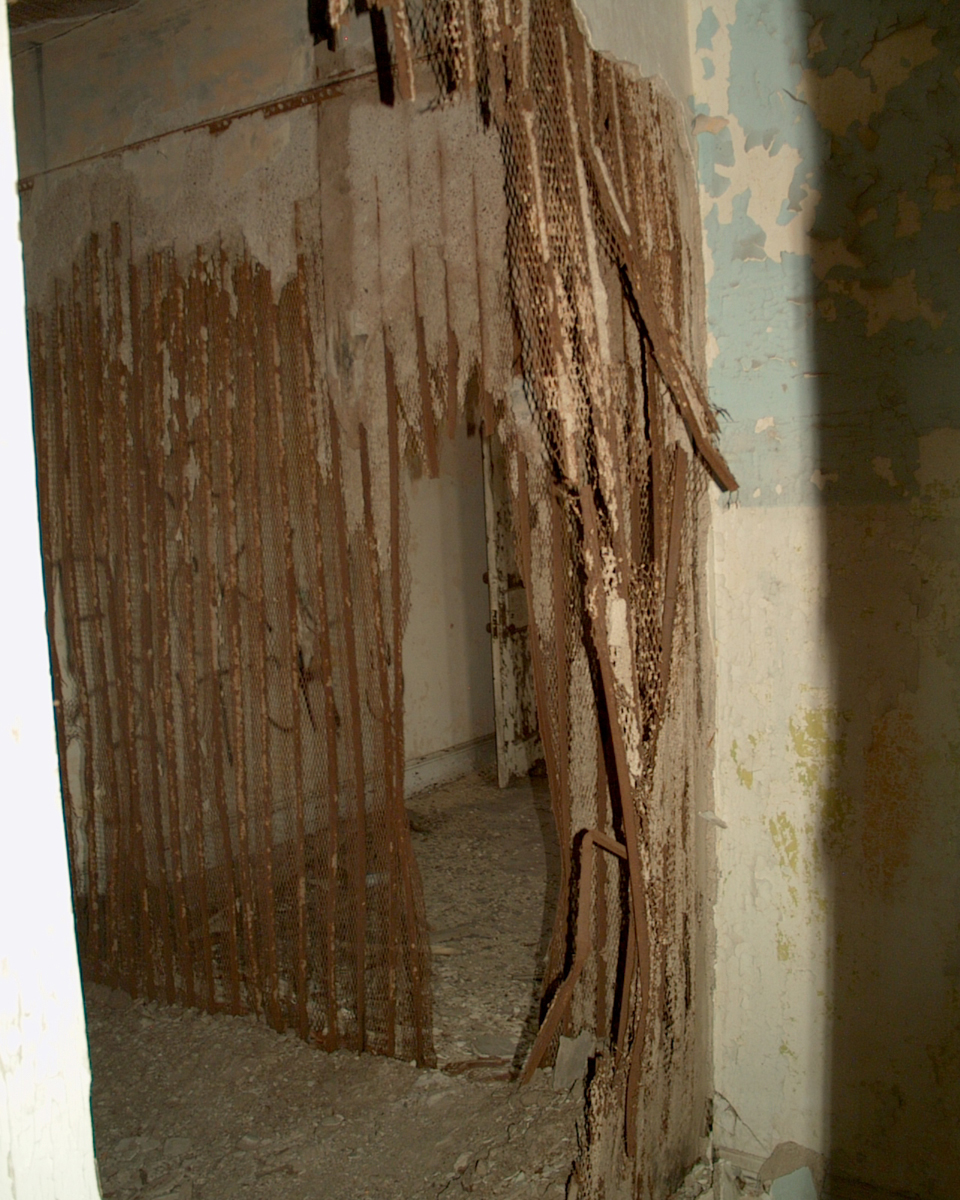
Busted walls exposed the original fireproof construction materials.
These offices that used wood framing were probably built later.
A large room on one of the upper floors.
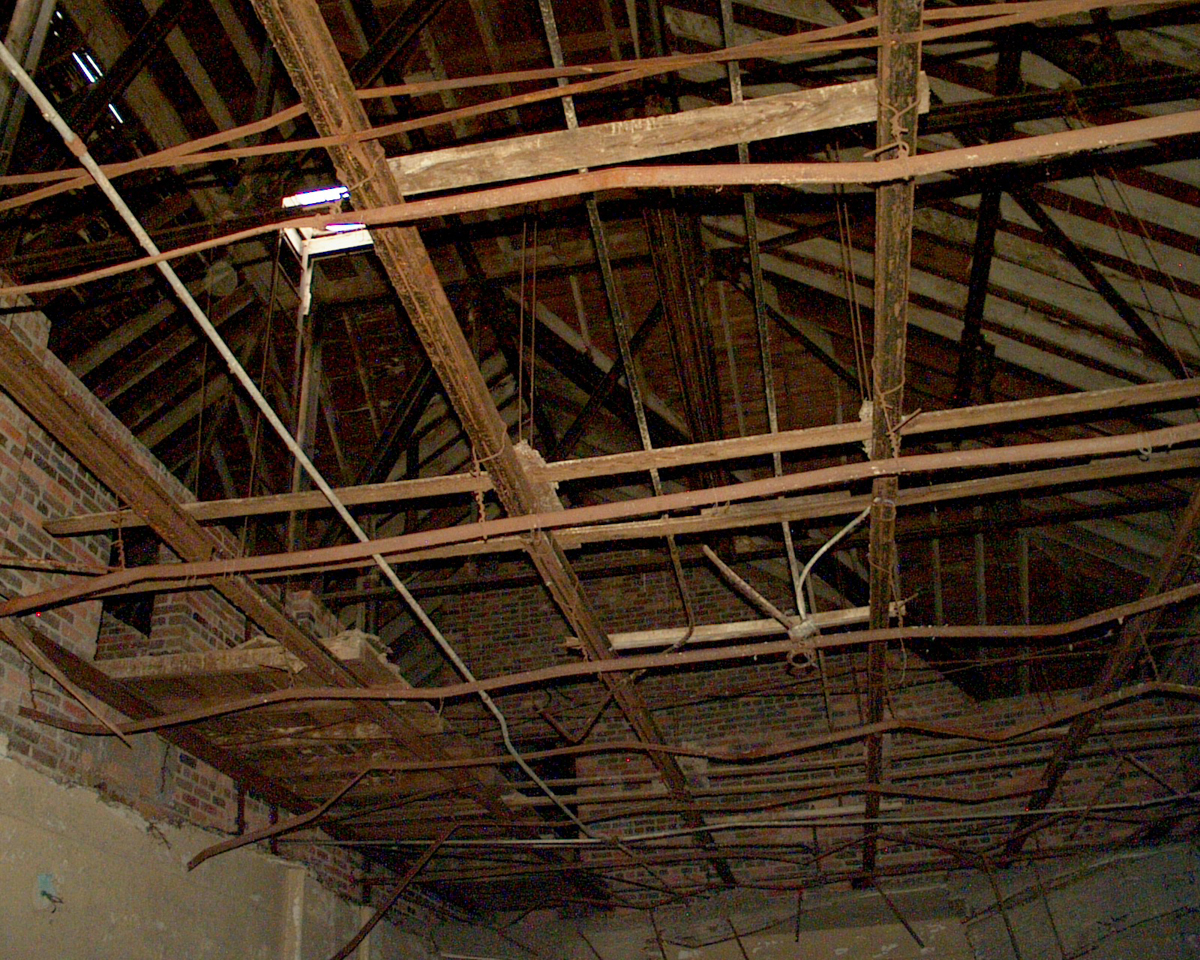
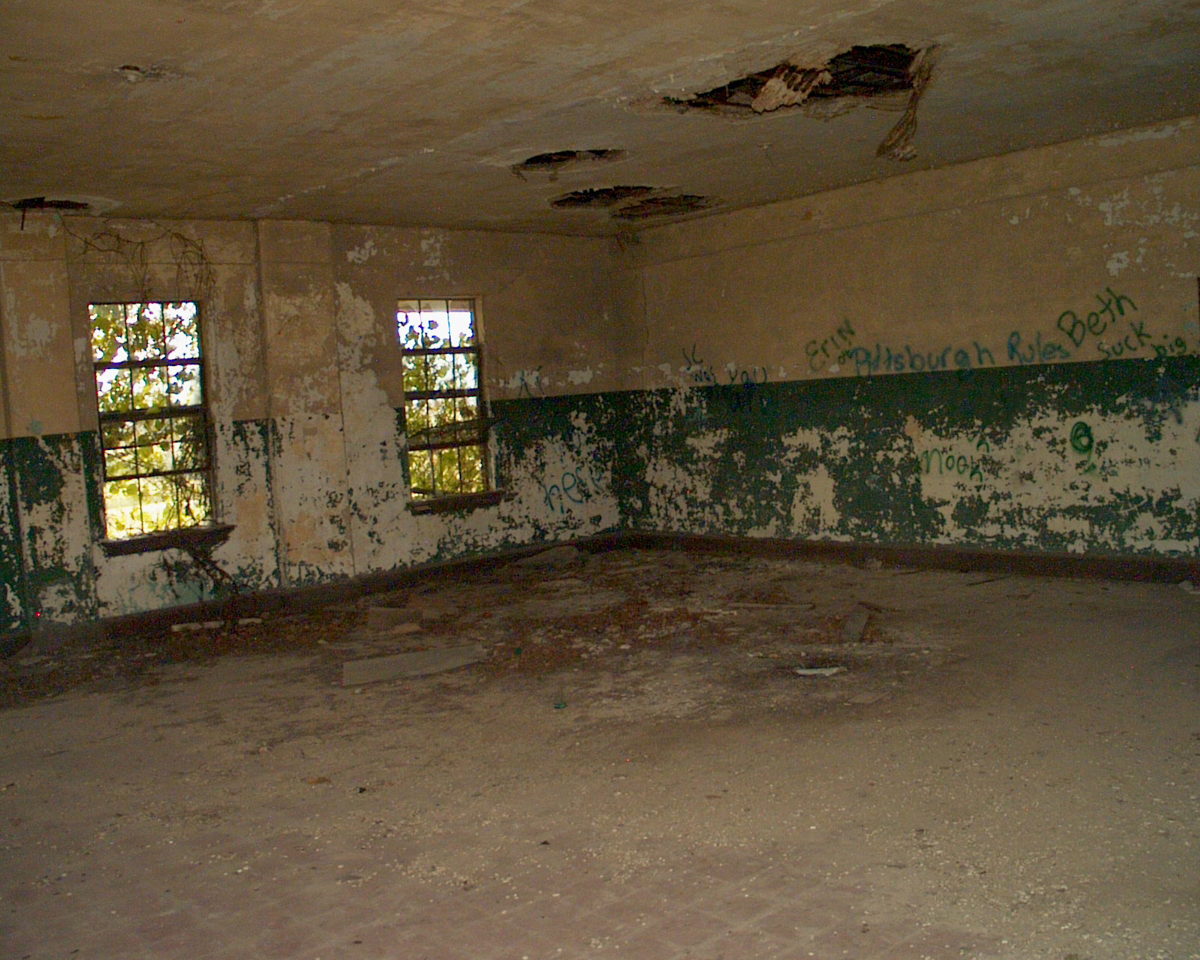
The ceiling of this room was heavily damaged. We could see into the attic.
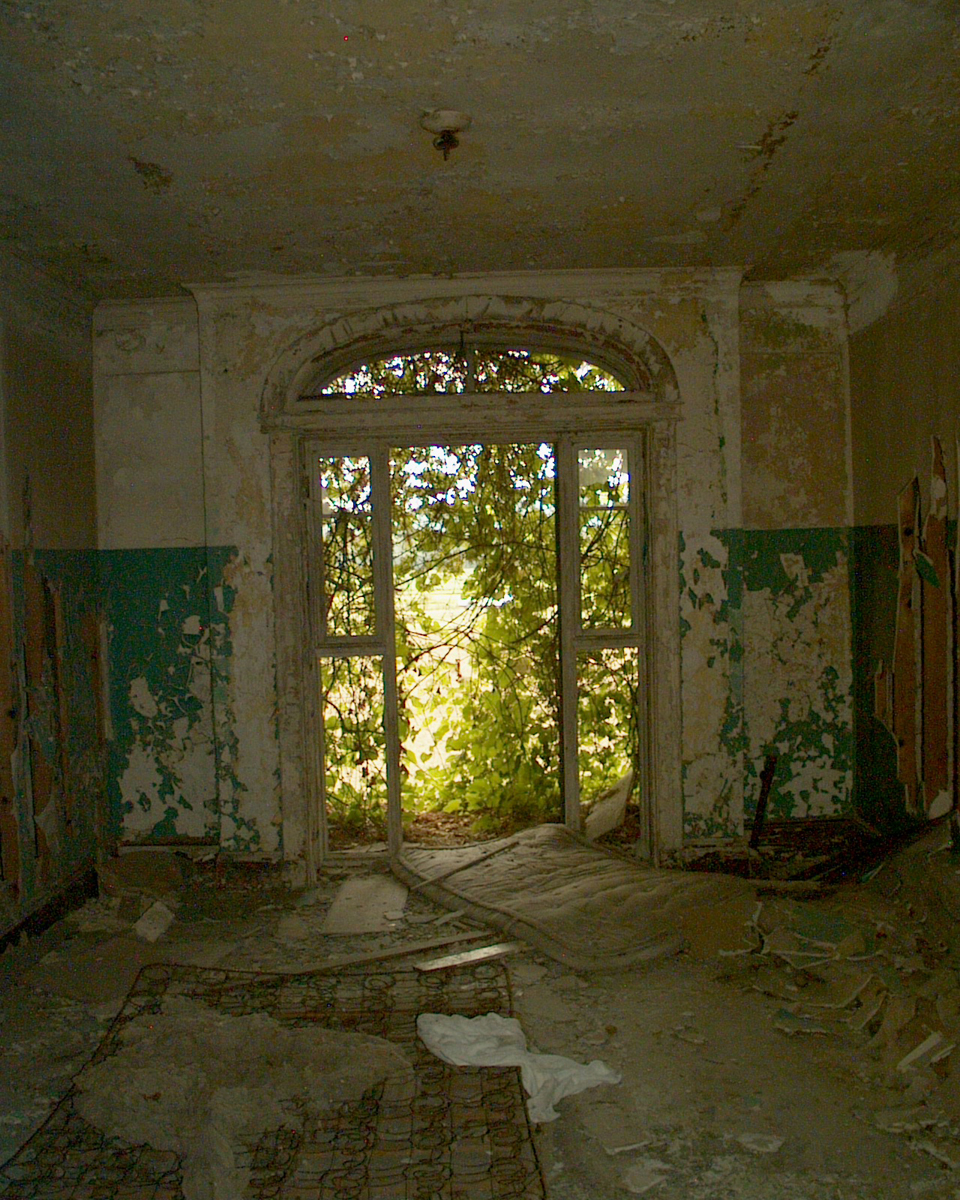
Some more mattress springs.
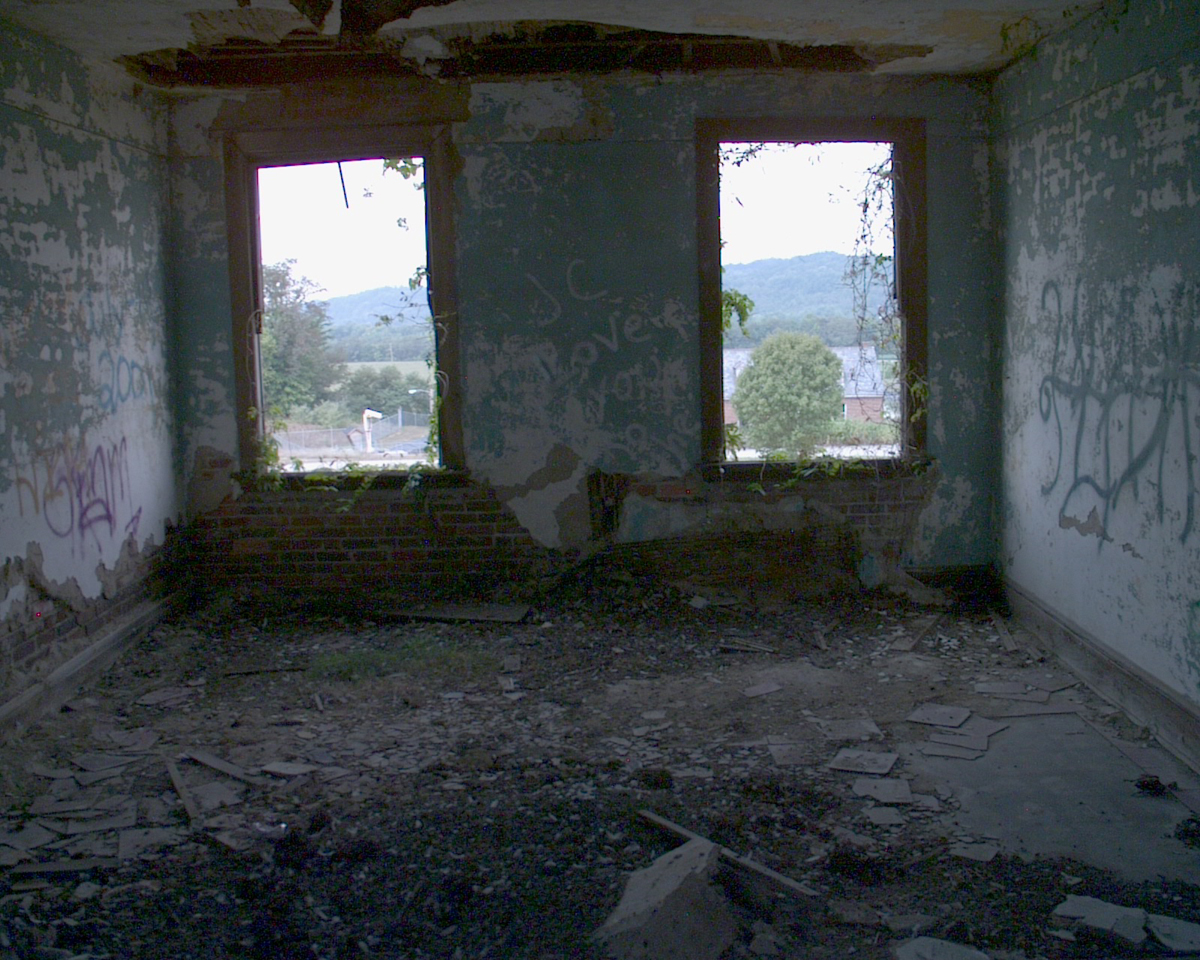
This small room on the top floor had two windows.
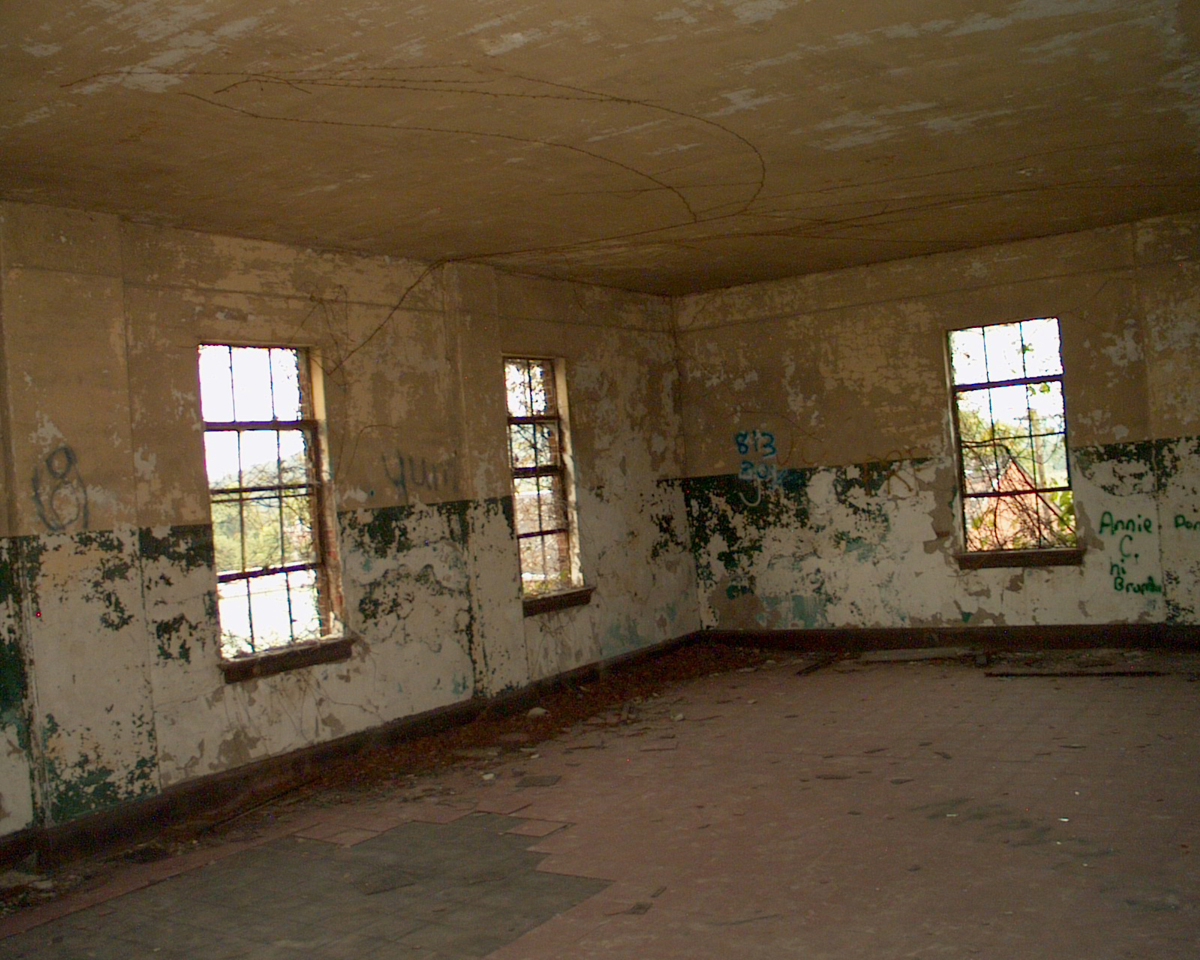
A corner room of one of the upper floors. Notice the tiles on the floor.
The other corner of the same room in the previous photo.
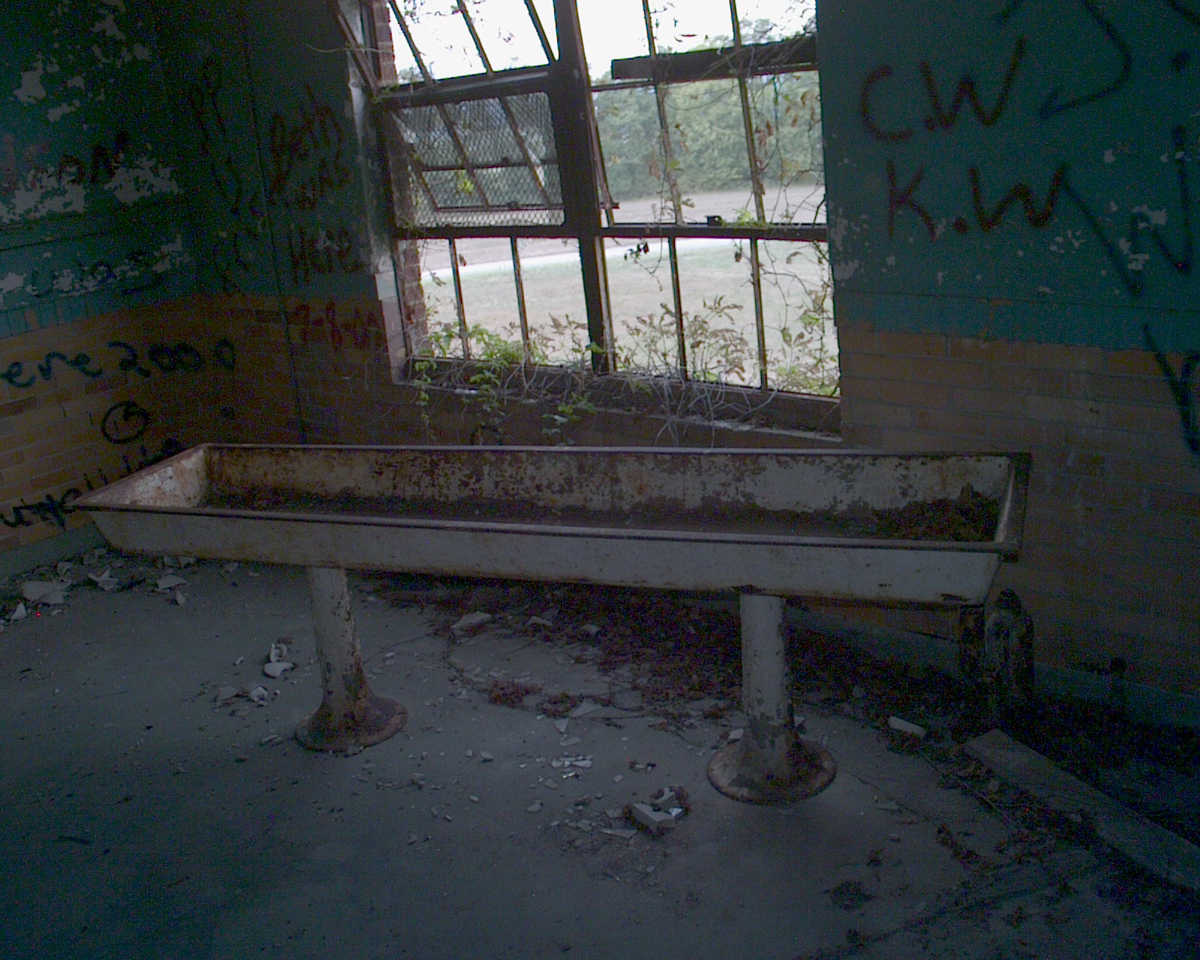
This room was probably a restroom, complete with a trough-style urinal.
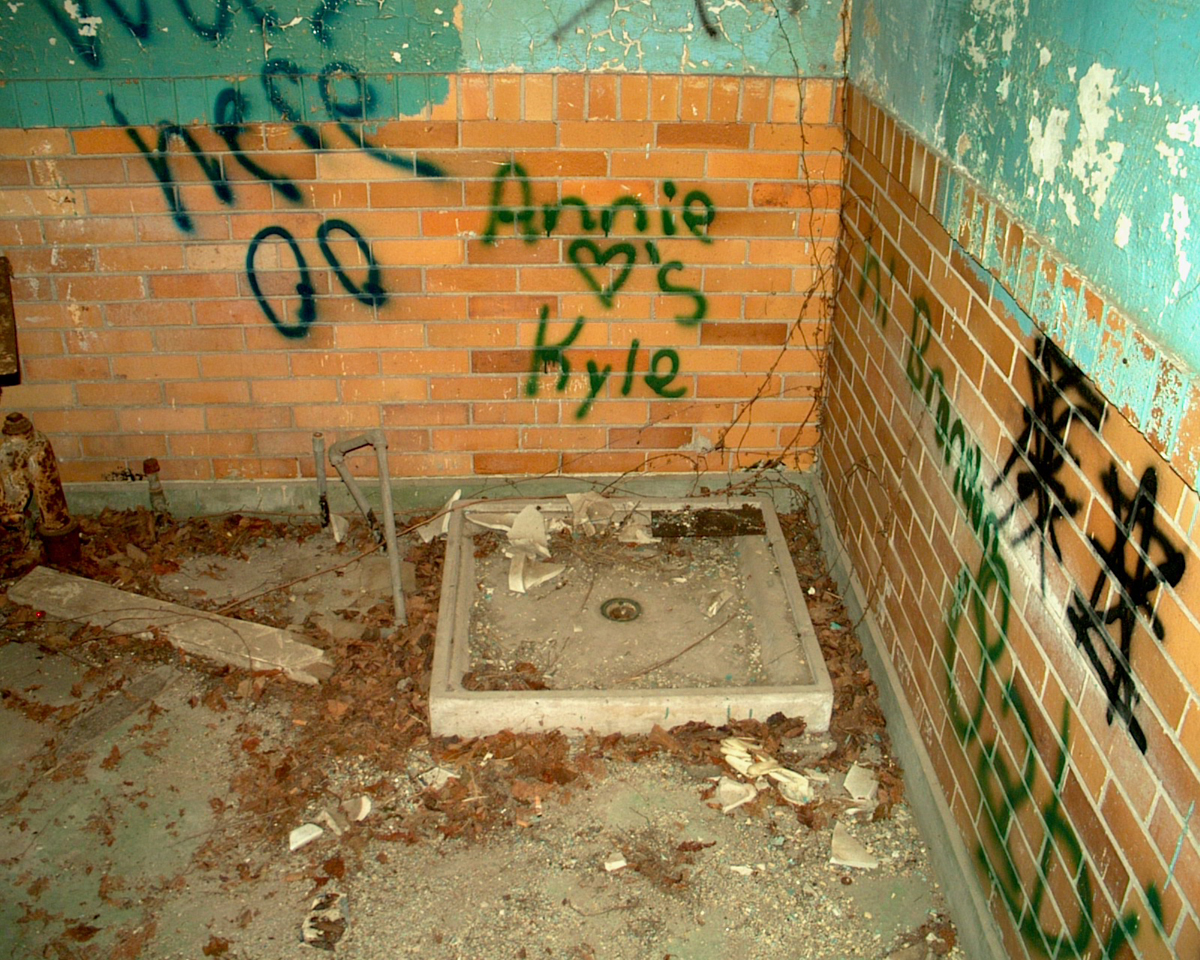
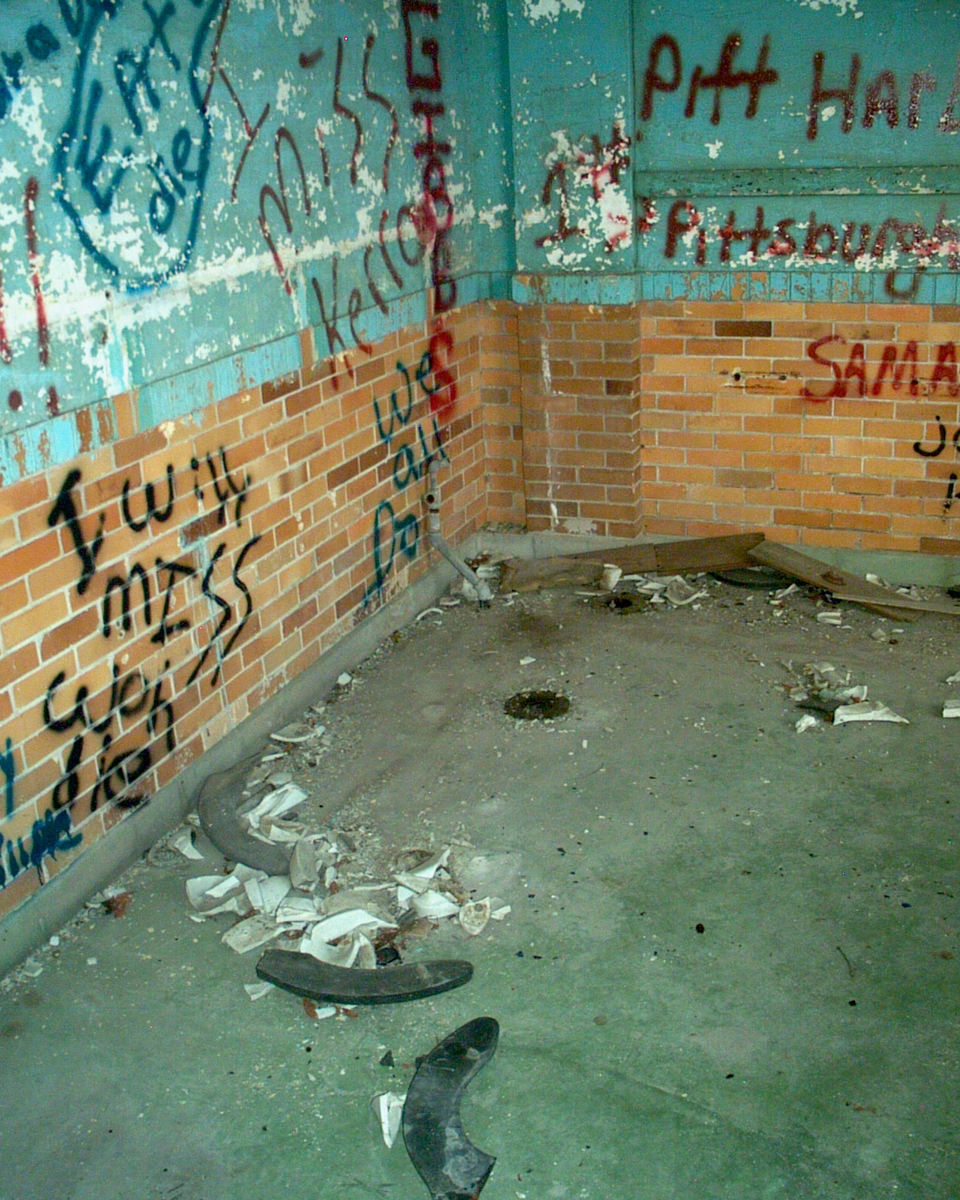
This looked like it was a shower stall.
Remnants of the bathroom's busted toilets.
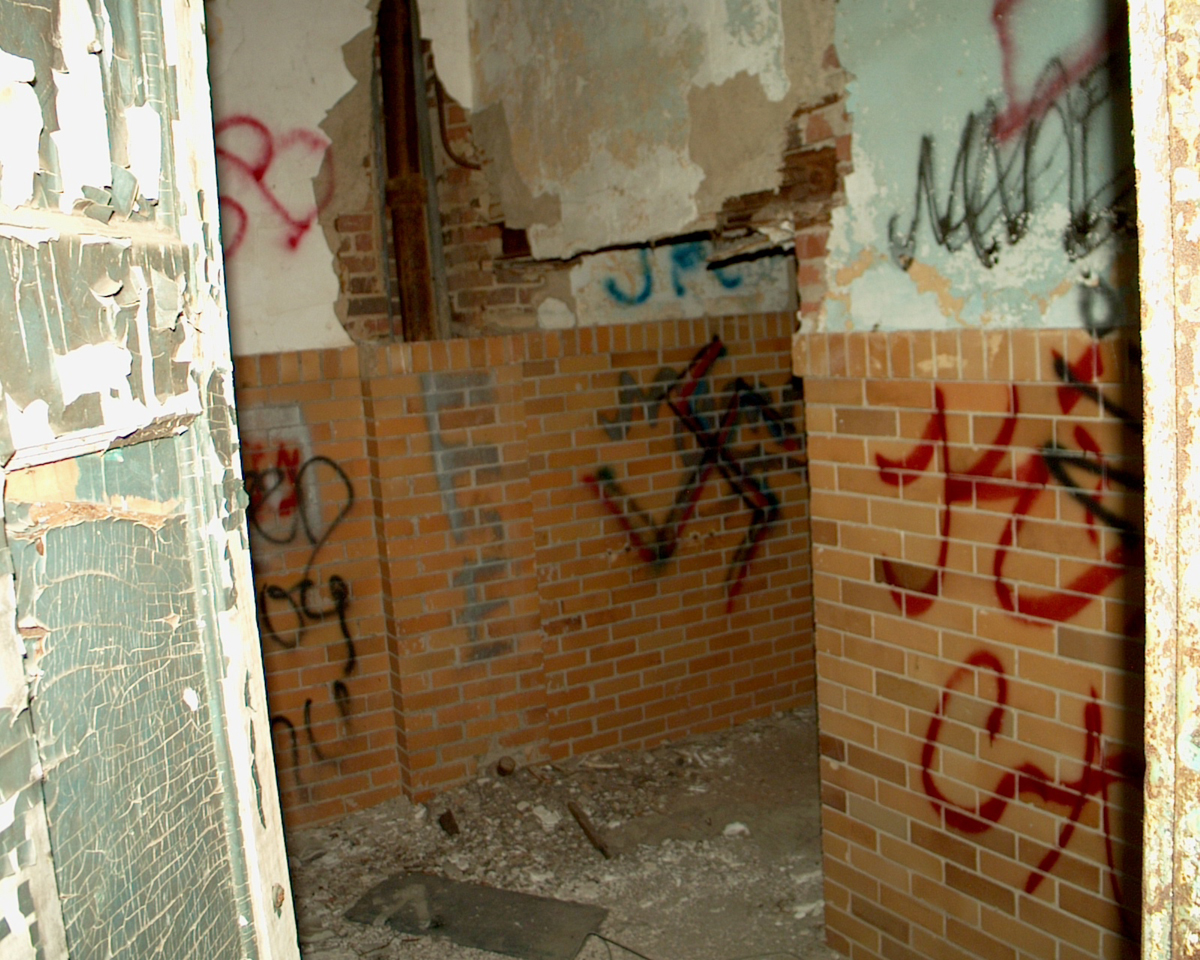
This smaller restroom on the first floor was the last thing we looked at on our way out of the school.
Video
Lakin Industrial School: Exploration
Over twenty-five minutes of video from our 2005 exploration of the Lakin Industrial School in West Virginia.