

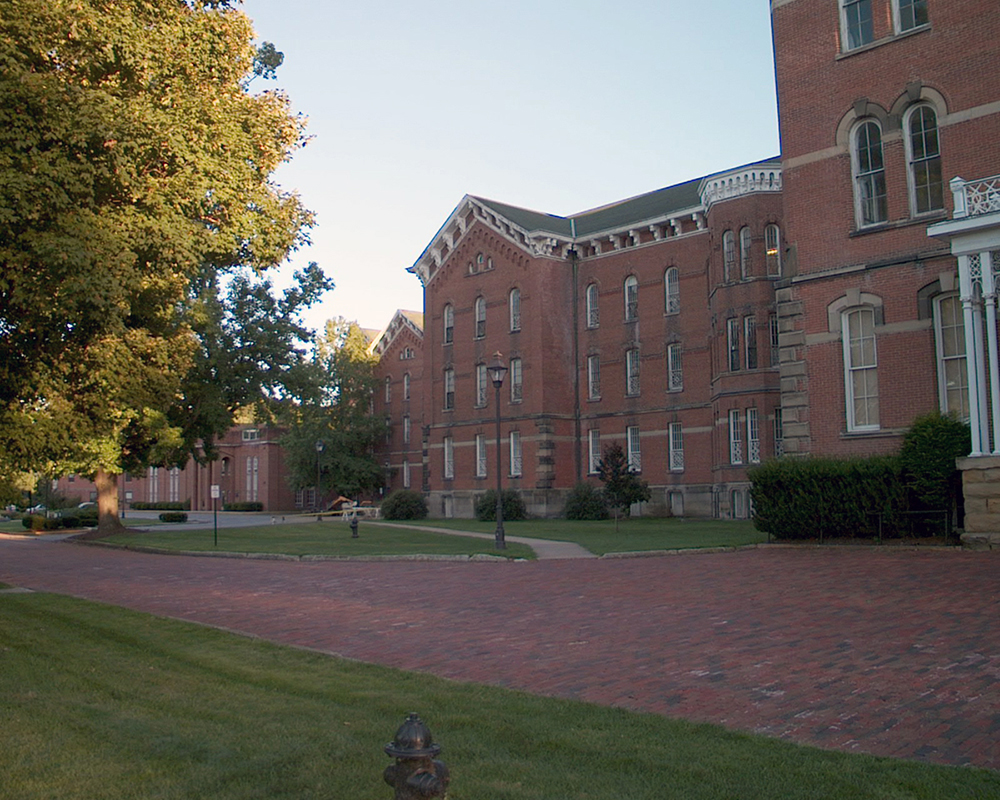
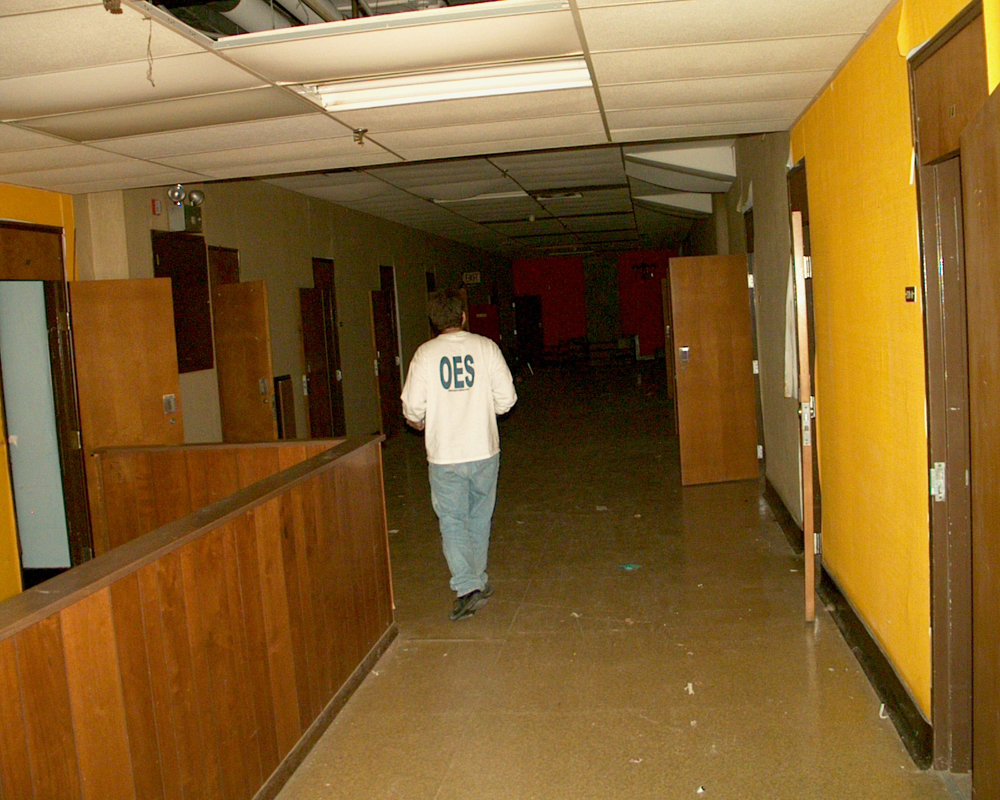
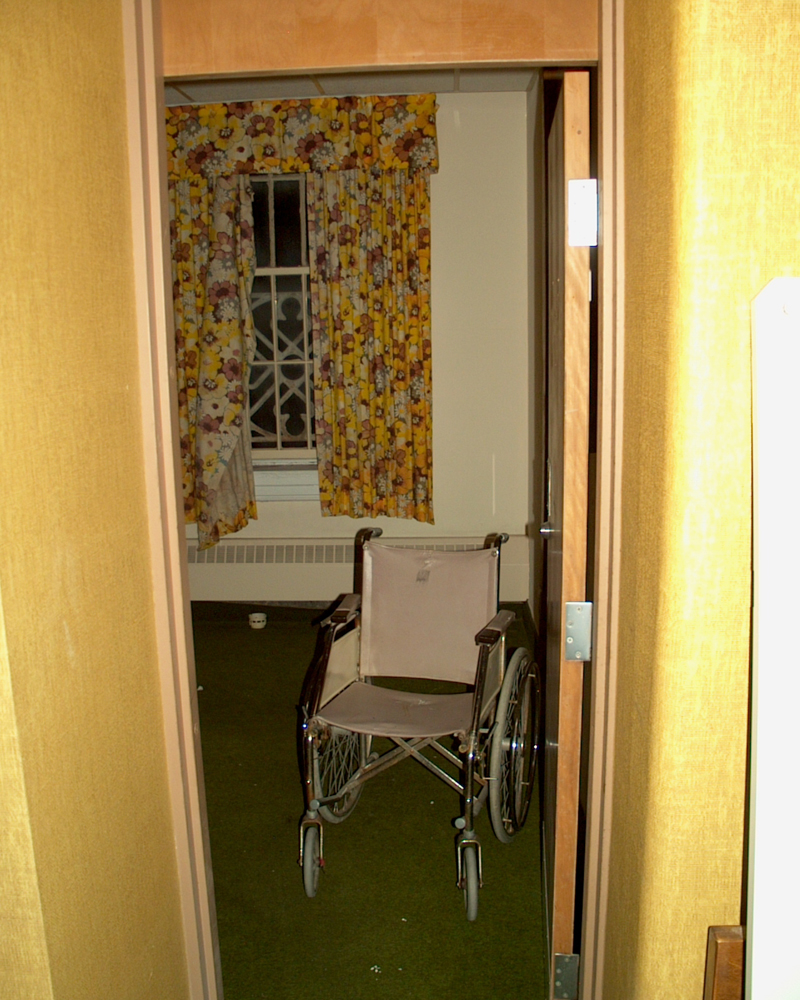
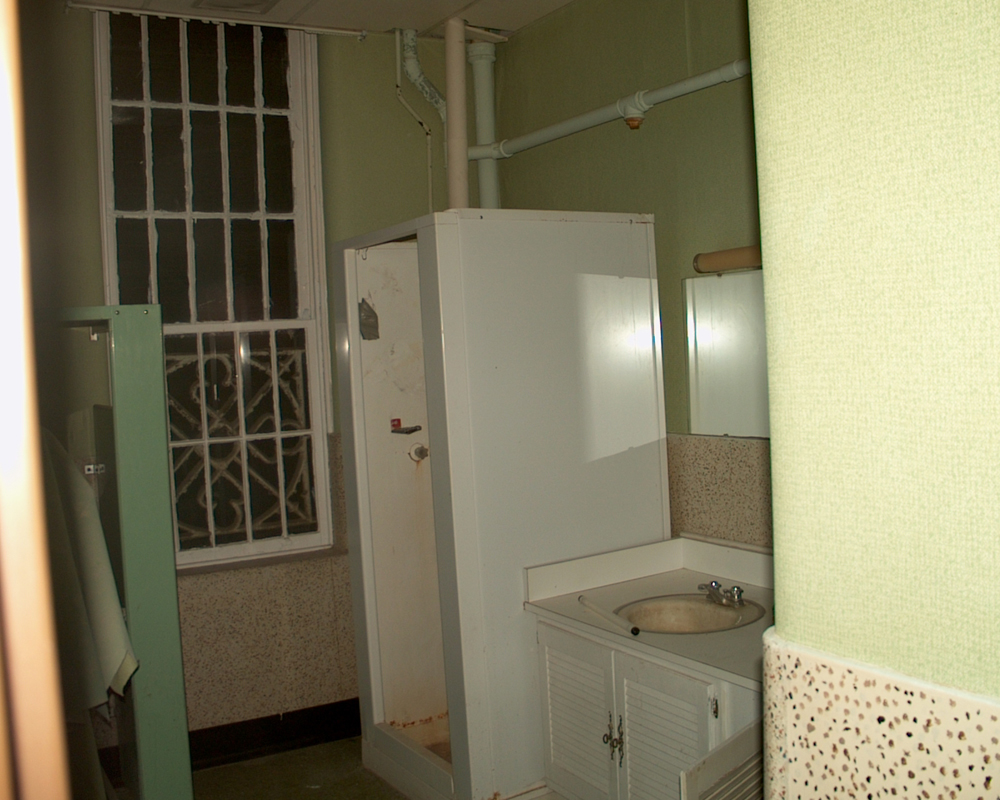
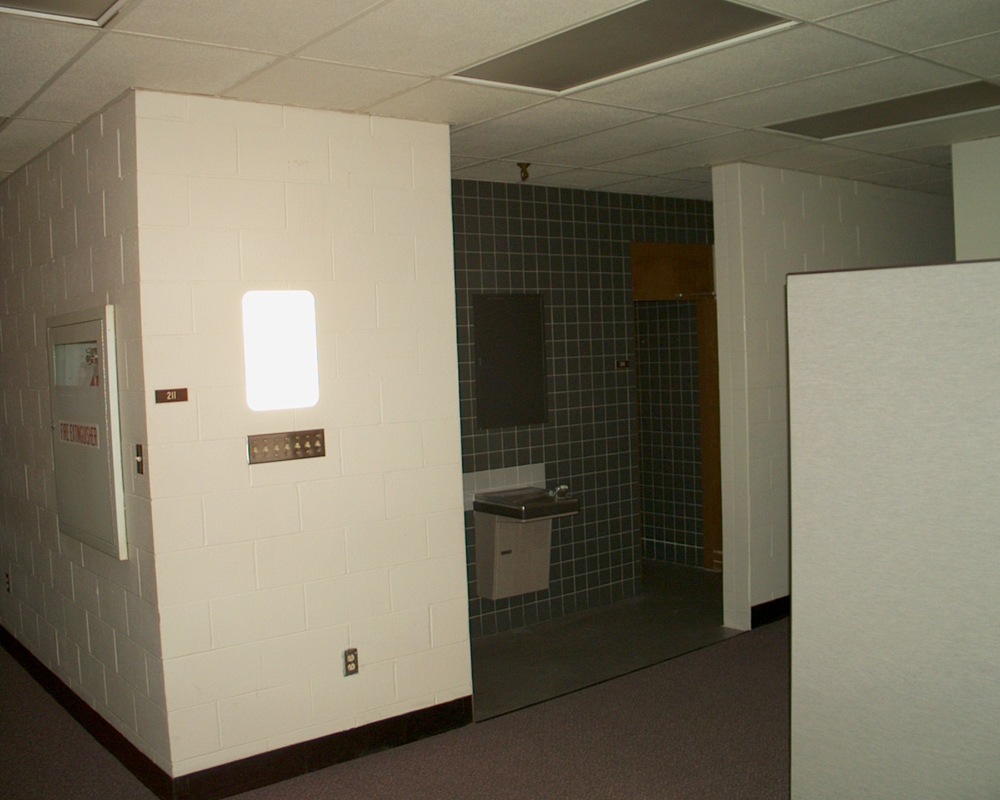
The OES visited the Athens Ridges on various dates between 2003 and 2005. Commonly referred to as The Ridges, this large campus was once a thriving mental health institution overlooking Athens from a high ridge on the south side of town. When the campus ceased operation as an insane asylum, the entire complex was bought by Ohio University, which owns the property today. Most of the buildings stand vacant, but there have been some renovations.
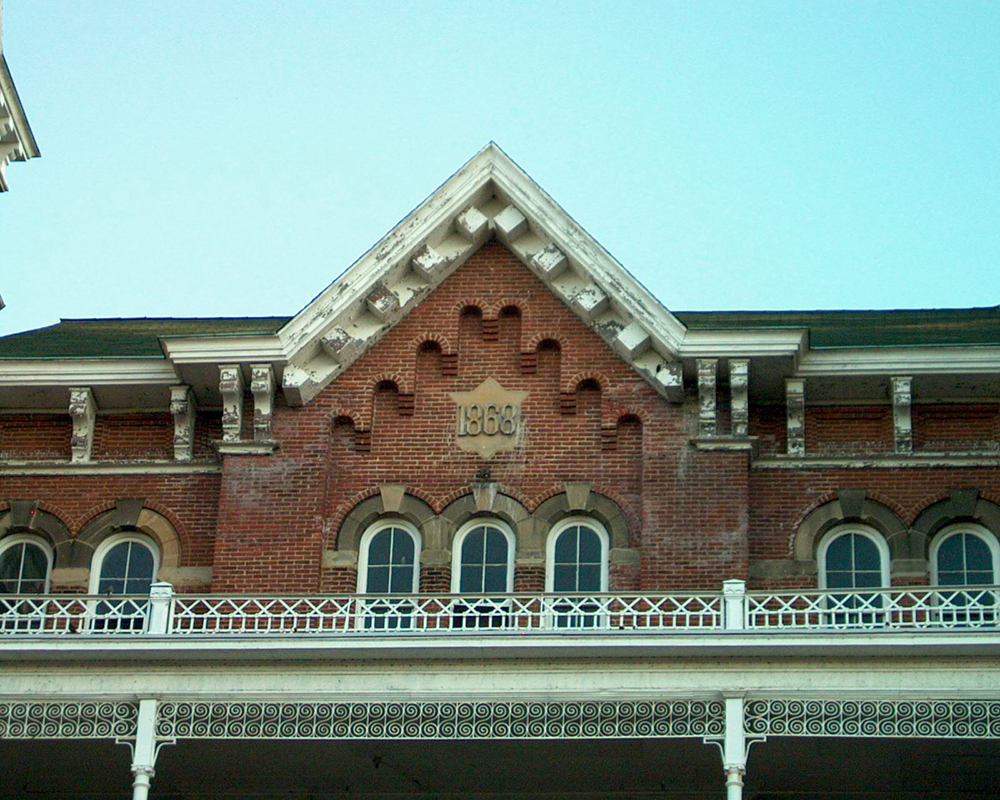
On January 9, 1874, the Athens Lunatic Asylum opened its doors on more than 1,000 acres of the former Coates farm. Many mental institutions sprouted up across the country during this time period, due in large part to Civil War veterans who were suffering from what is now known as post-traumatic stress disorder. Six years earlier, in 1868, construction had begun on the magnificent building, designed by Levi Tucker Scofield, who also designed the Ohio State Reformatory. Scofield collaborated with Herman Haerlin (a student of Frederick Olmstead, designer of New York City’s Central Park) to implement landscaping into The Ridges’ design. The first patient at the asylum was Thomas Armstrong of Belmont County, although not much else is known about him. Daniel Fremau was not far behind Thomas, after Daniel claimed to be the second coming of Christ.
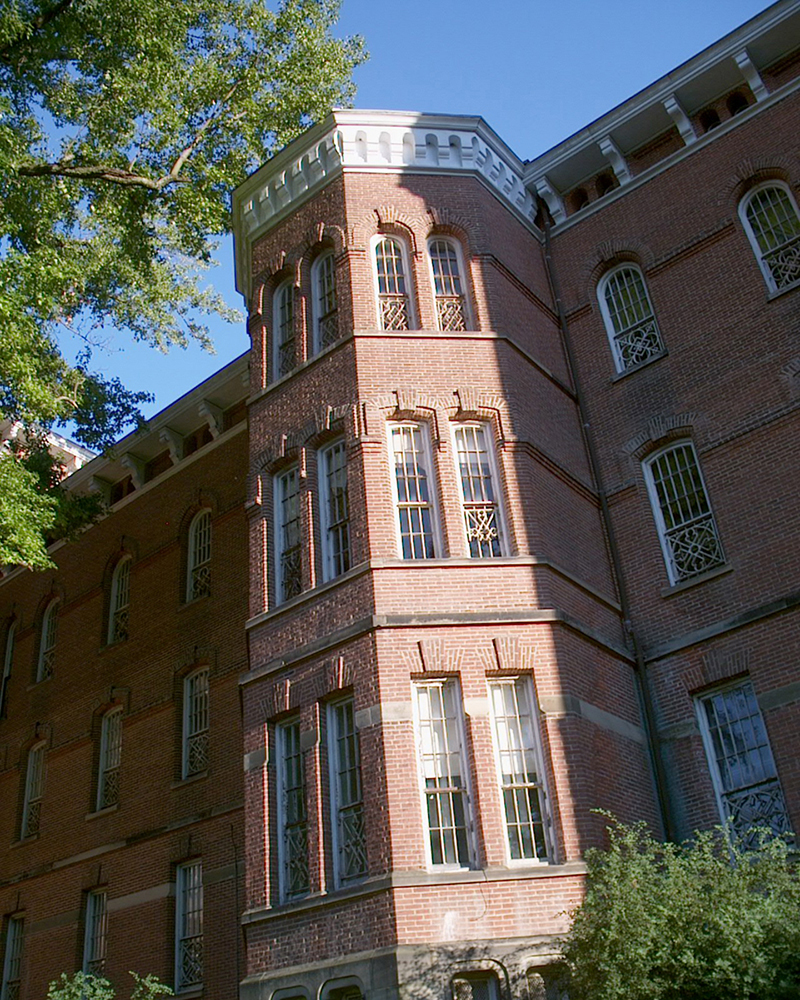
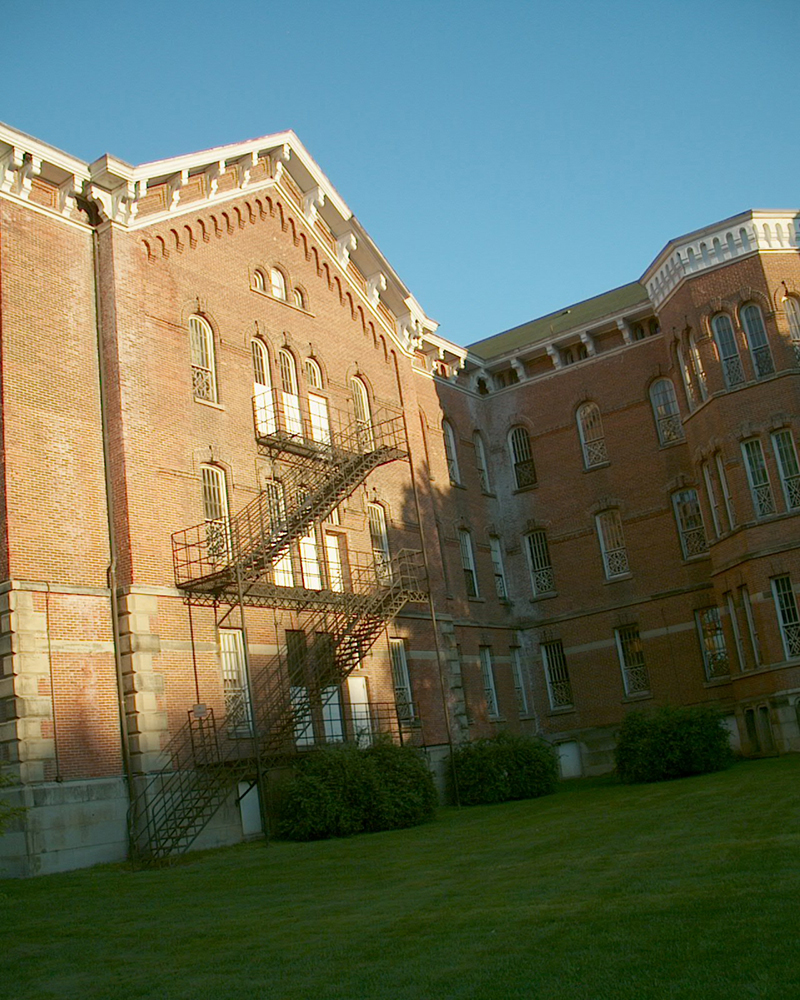
The main building had 544 patient rooms and housed about 200 patients when it opened. The grounds were expanded several times during the asylum’s history, adding many outbuildings, including a tuberculosis ward, a dairy barn, and a gymnasium. The main building’s design centered around the idea that it was very therapeutic for patients to live in a home environment. The least disturbed patients were housed near the center of the building to encourage socializing and human interaction. These patients could often roam free on the grounds and participate in recreational activities, plays, and church services. The more violent and severe patients were housed near the ends of the building’s wings, farthest from the building’s entry/exit.
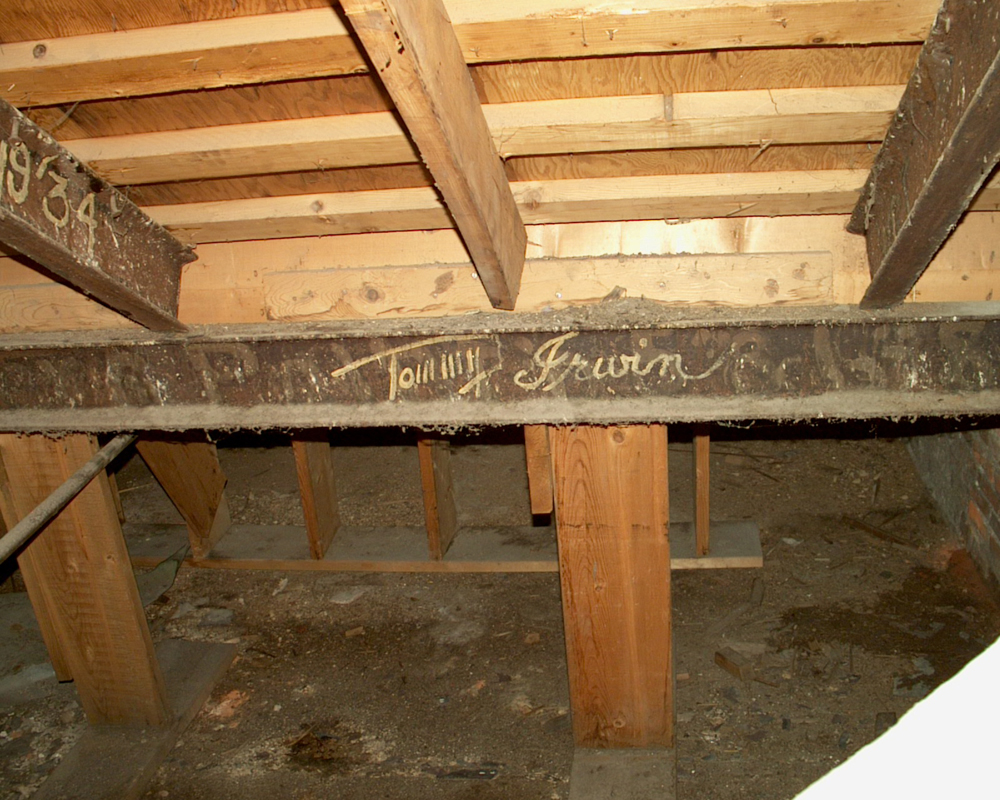
As asylums gained popularity in the 1900s, it became common for families to drop off elderly relatives that they couldn’t care for and rebellious teenagers. The homeless would use the institution for temporary shelter. By the early 1900s, the population of Athens Lunatic Asylum grew from 200 to 2,000, leading to overcrowding and a decline in the quality of treatment. With the decrease in care and attention, treatment led to primitive techniques, including water treatment (being submerged in ice-cold water for extended periods of time), shock therapy (where electrical shocks were applied to patients submerged in water or directly to the temples from brine-soaked electrodes), lobotomy (where the skull is opened and the neural passages are separated midway through the brain), and transorbital lobotomy (an unconscious person has a thin metal instrument inserted through their tear duct and is moved back and forth to sever the neural receptors). The last two options were tricky and claimed the lives of many. The living conditions weren’t much better. Patients shared bunks intended for one person and were often restrained. Patients spoke out by carving messages, such as, “I was never crazy,” in the sandstone and wood trim. It wouldn’t be until the 1960s that drugs took over as the main form of treatment.
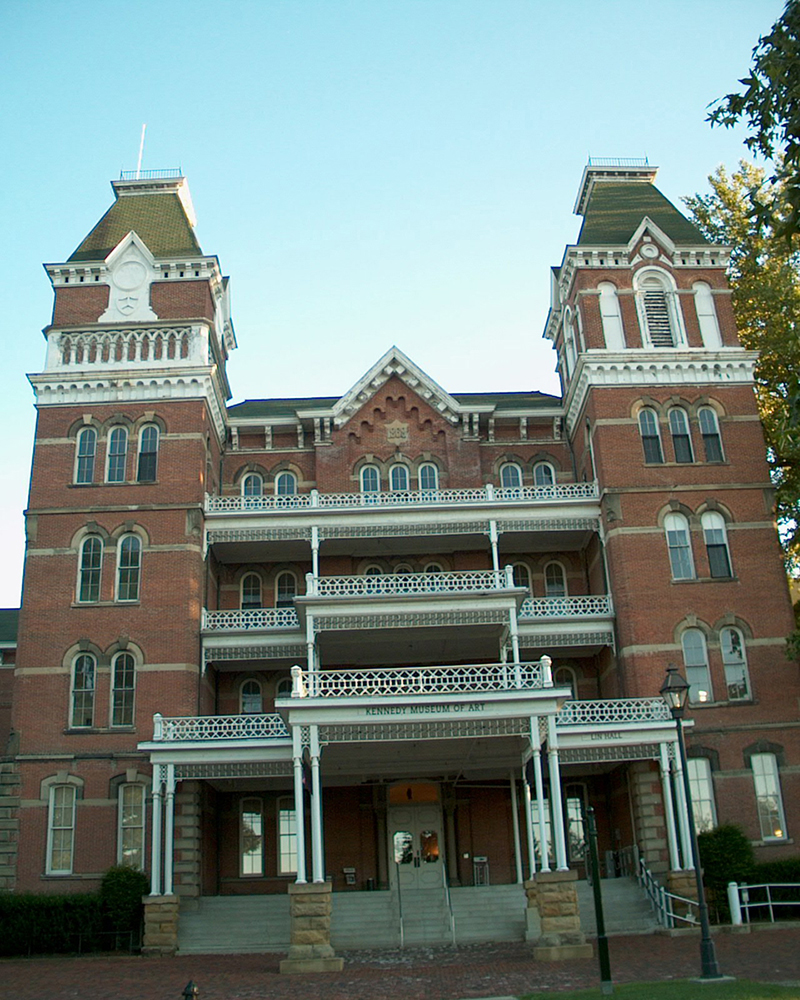
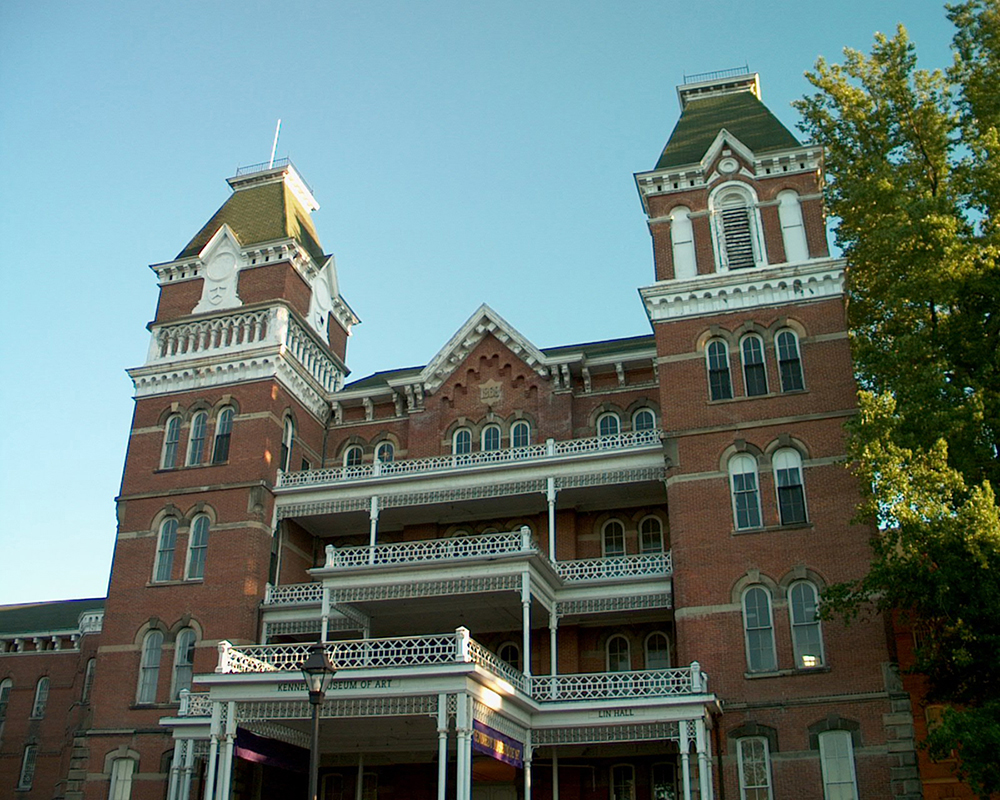
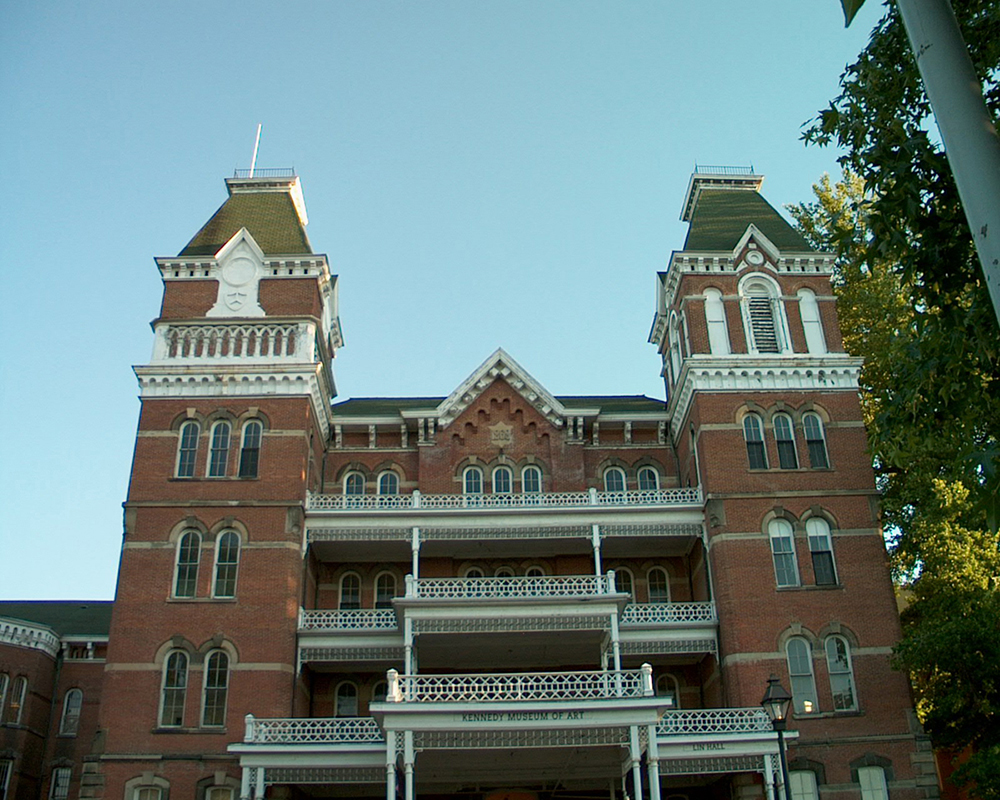
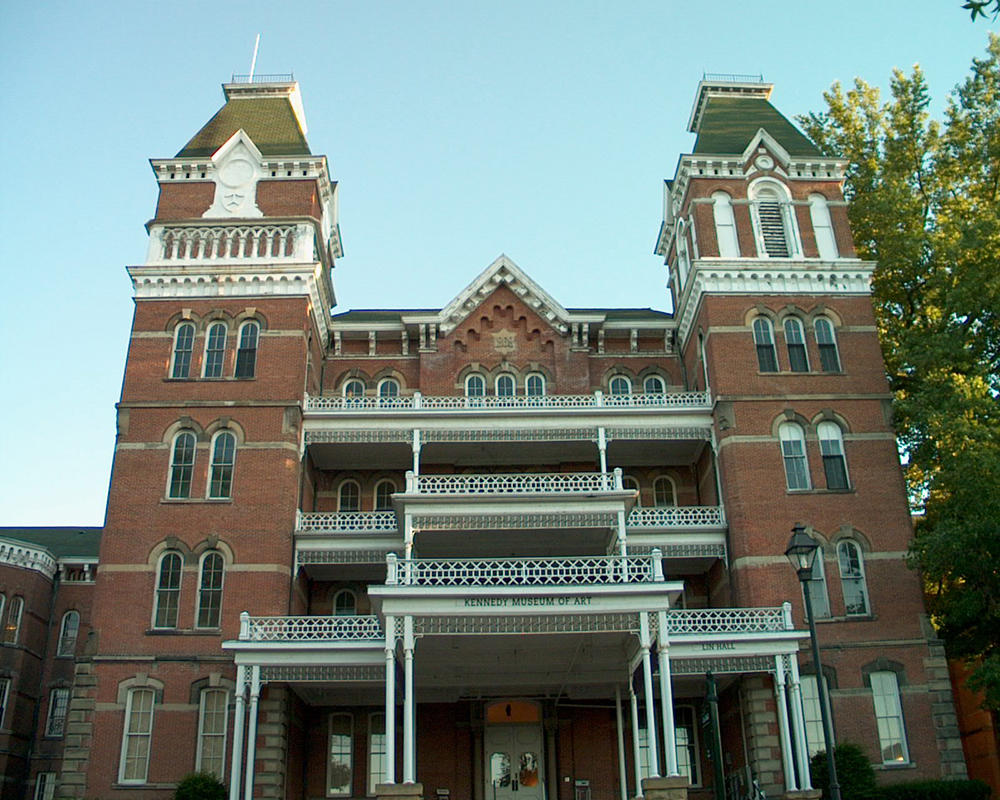
As patient numbers continued to decline due to the success of drug treatment, the asylum housed less than 300 patients by 1981. President Ronald Reagan’s de-institutionalization process was the final nail in the coffin for America’s mental institutions. Thousands of mentally unstable people were released into the streets, and homelessness rose across the country. The last patients of The Ridges left the institution in 1993. Ohio University acquired the former insane asylum campus in the 1990s. The buildings stood vacant for several years until a section of the main building was renovated into an art museum, studios, and offices. It is now known as Lin Hall / Kennedy Museum of Arts.
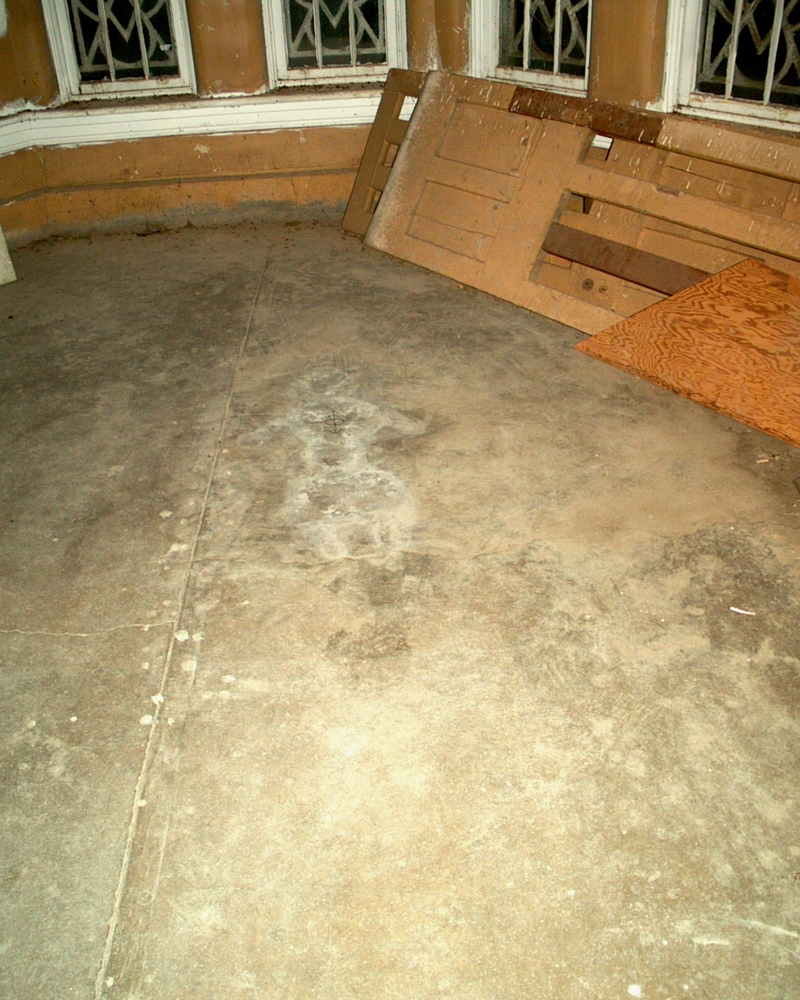
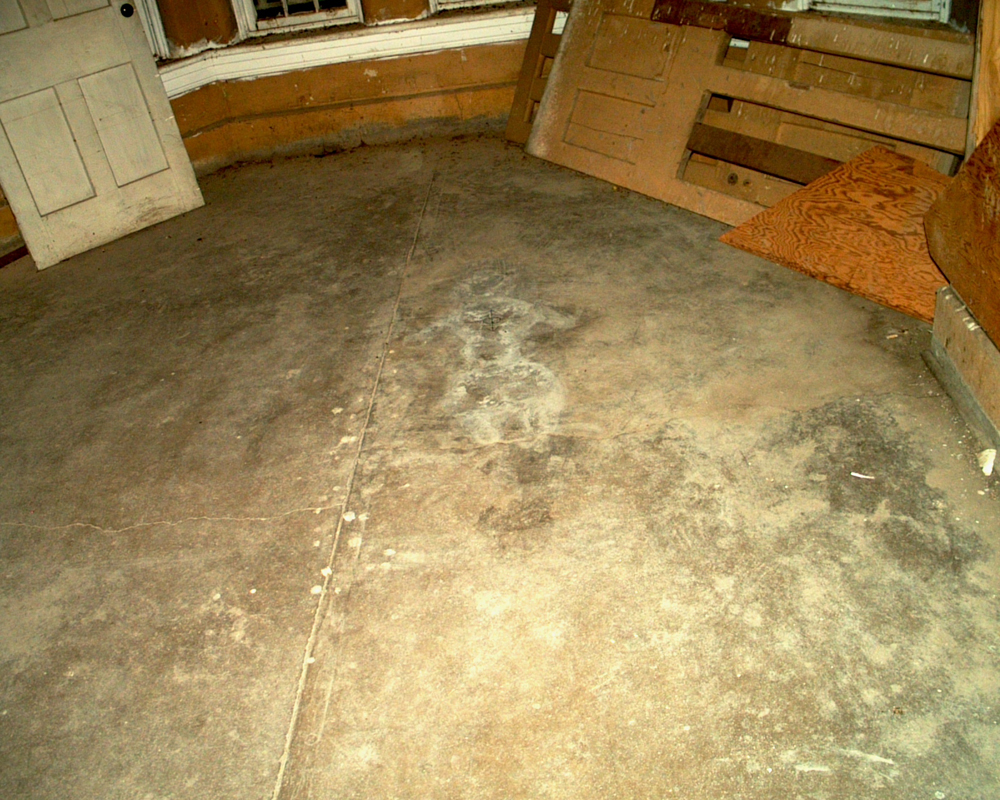
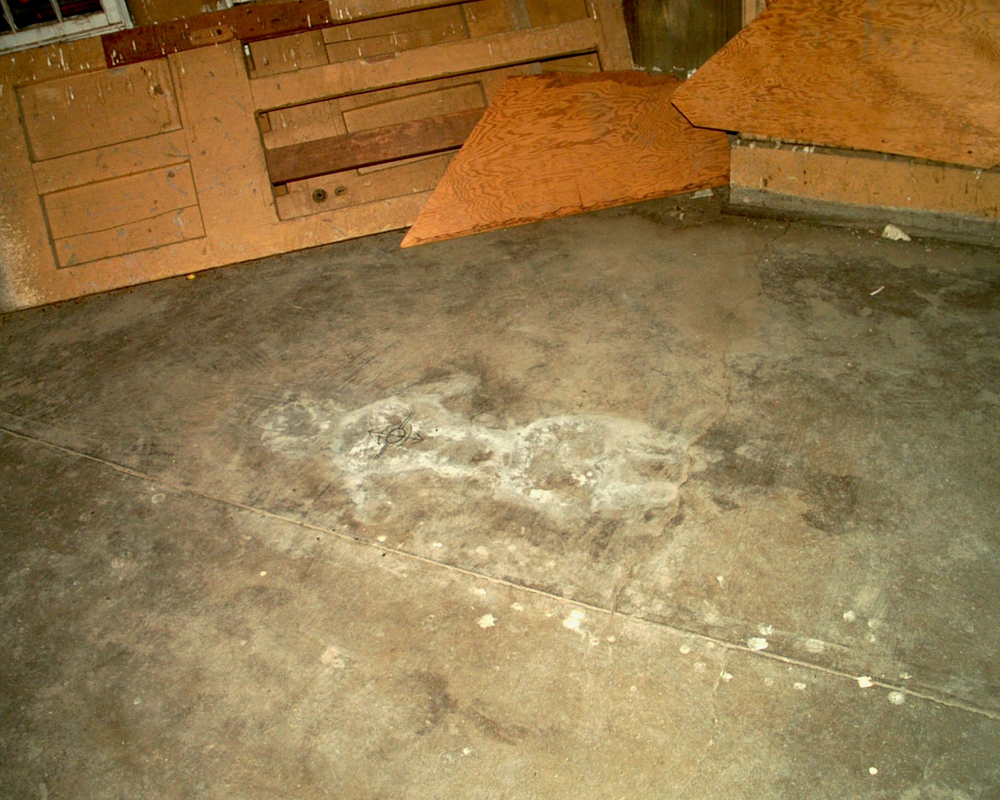
Of course, with such a history combined with the numerous deaths that occurred at the asylum, The Ridges are said to be extremely haunted. A ghost named Mary is said to walk the halls late at night, as do many other former patients. Witnesses have reported seeing darting shadows and people standing behind them in mirrors when no one else is there. The most well-known story of The Ridges involves a female patient whose body left a permanent stain. On December 1, 1978, patient Margaret Schilling went missing from one of the remaining active wards. Margaret had free reign of the grounds and often wandered throughout the building. A search of the entire grounds was conducted, but Margaret was not found. It wasn’t until January 12, 1979, when a maintenance worker was moving some boxes in abandoned Ward N 20 that Margaret’s body was found. She had removed her clothing, stacked them neatly in a corner, and laid down on the cold concrete floor to die. The official report indicated that Margaret died of heart failure weeks before her body was discovered. When her body was removed, a stain outlining the places where her body touched the floor was left behind. The stain was believed to have been created by sunlight shining in through the windows, causing a chemical reaction between the body and the concrete during decomposition. No amount of scrubbing was able to remove the stain, and it remains etched into the concrete floor to this day.
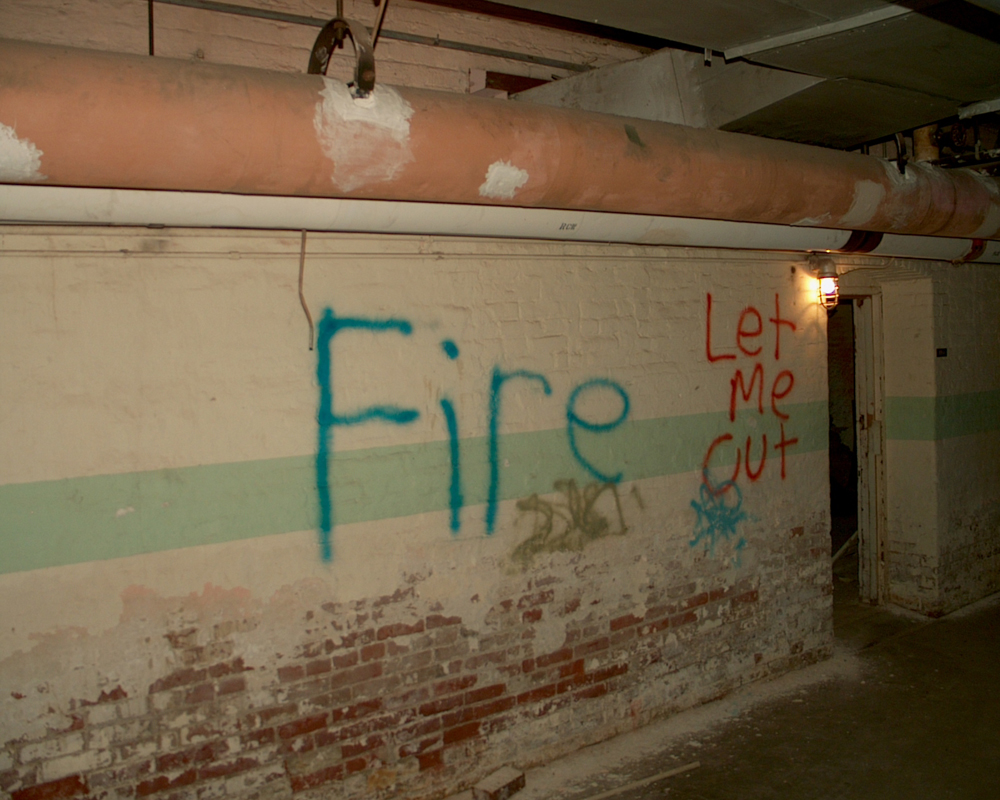
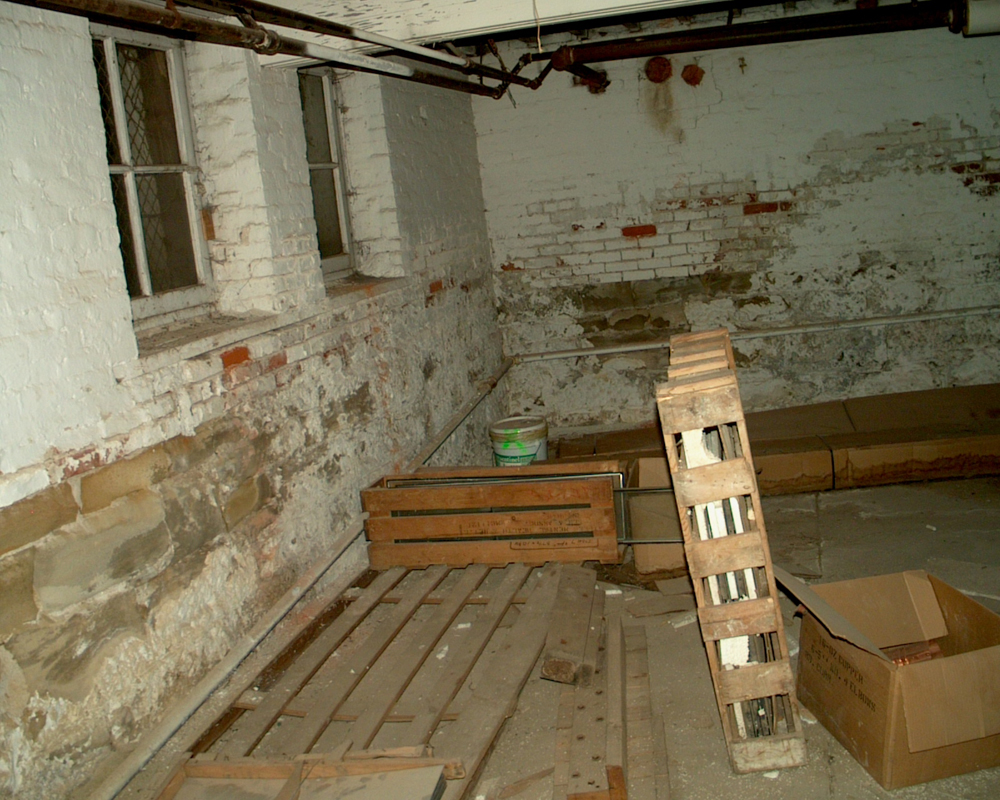
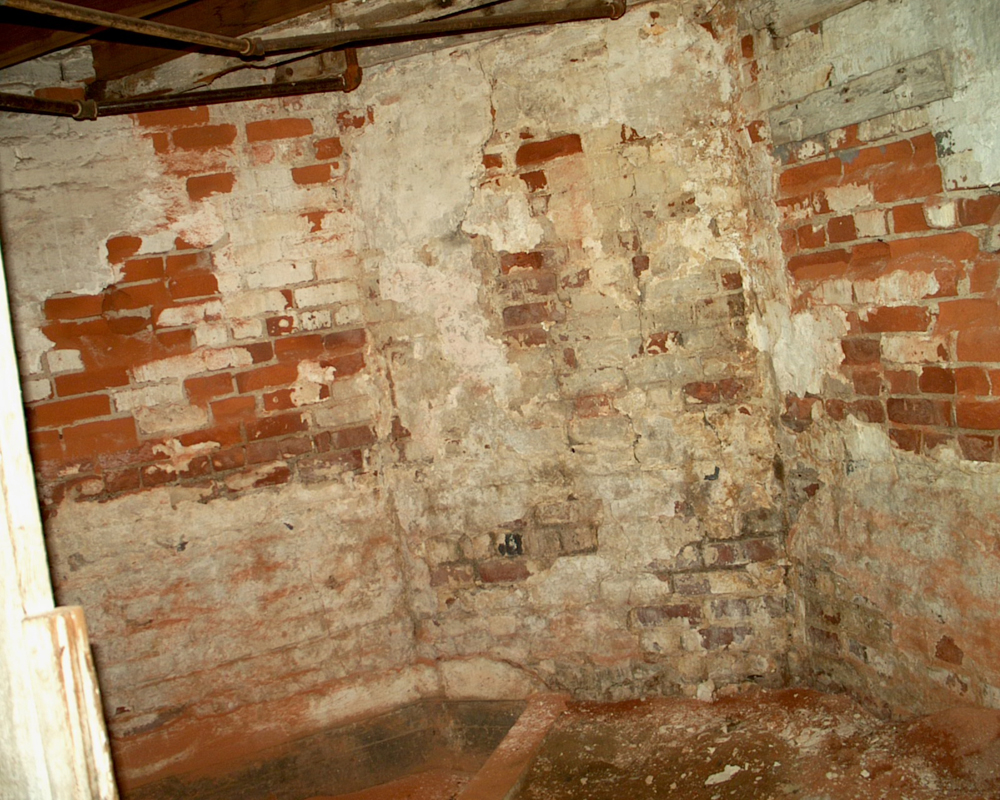
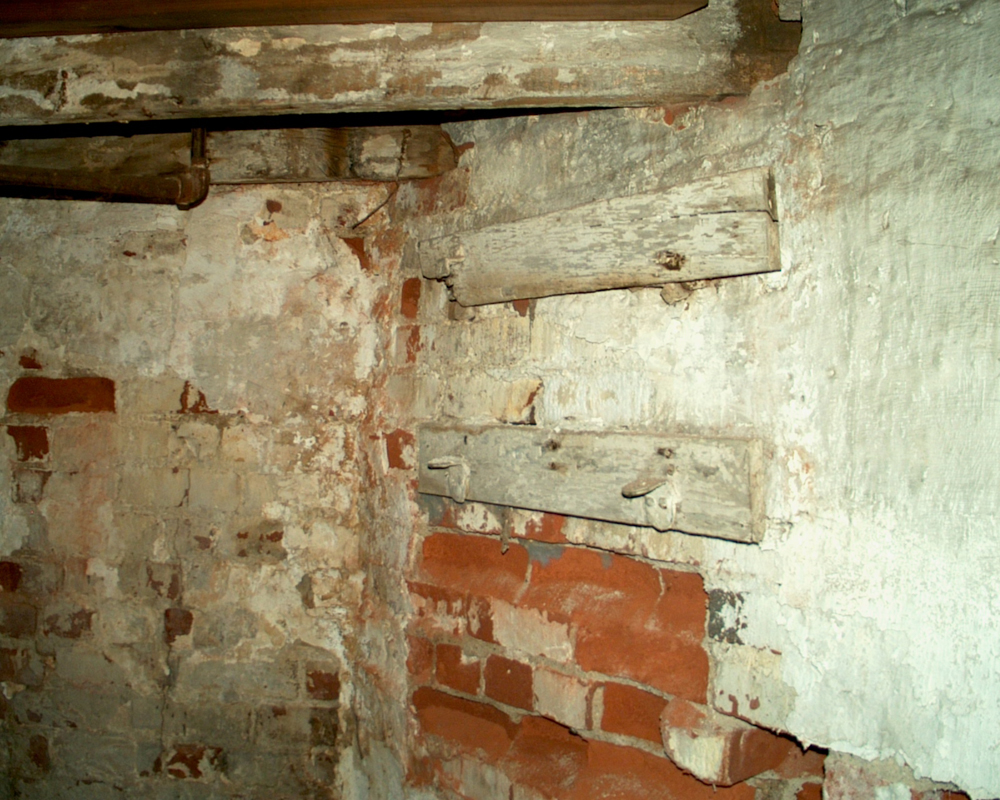
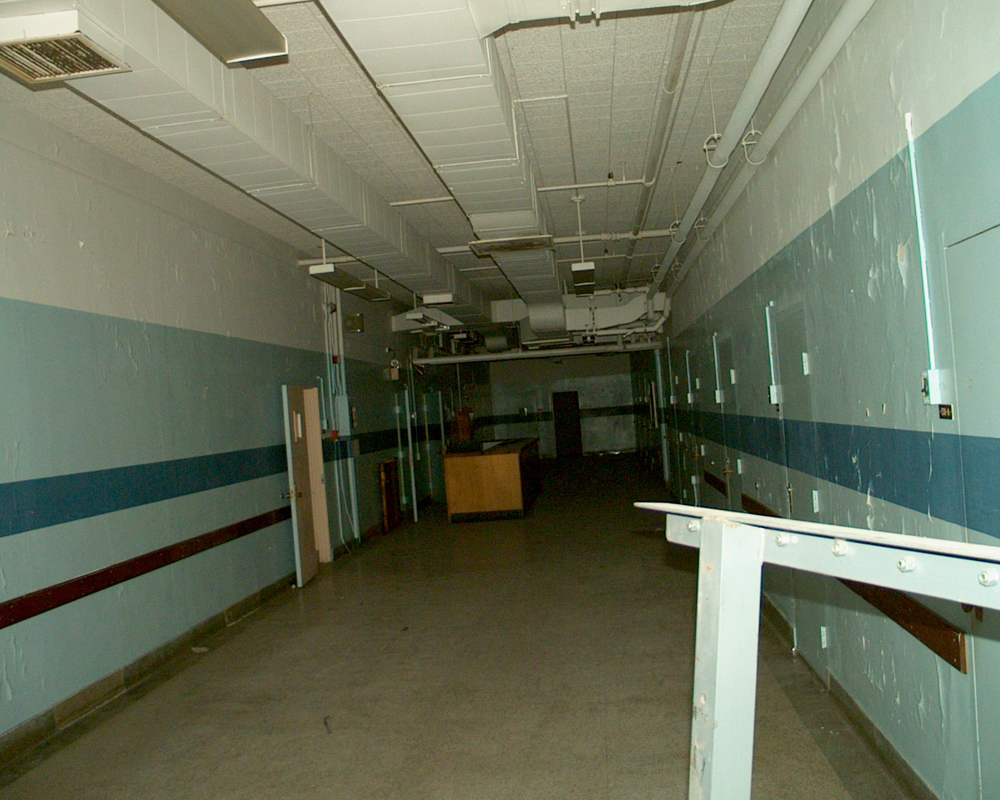
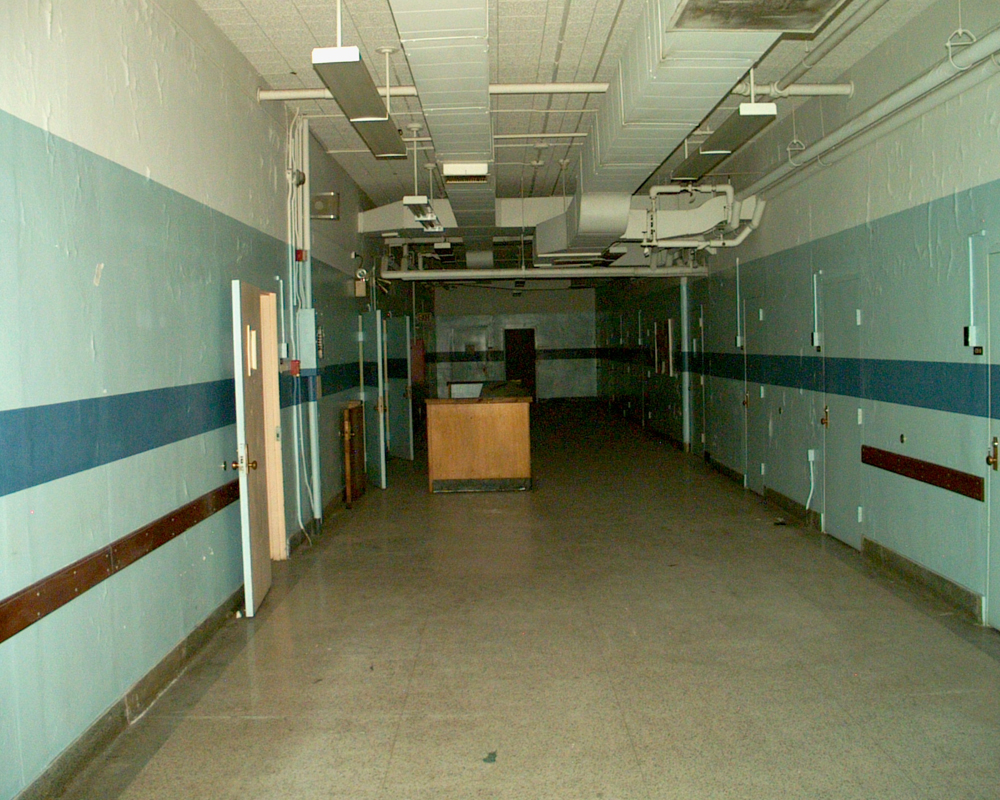
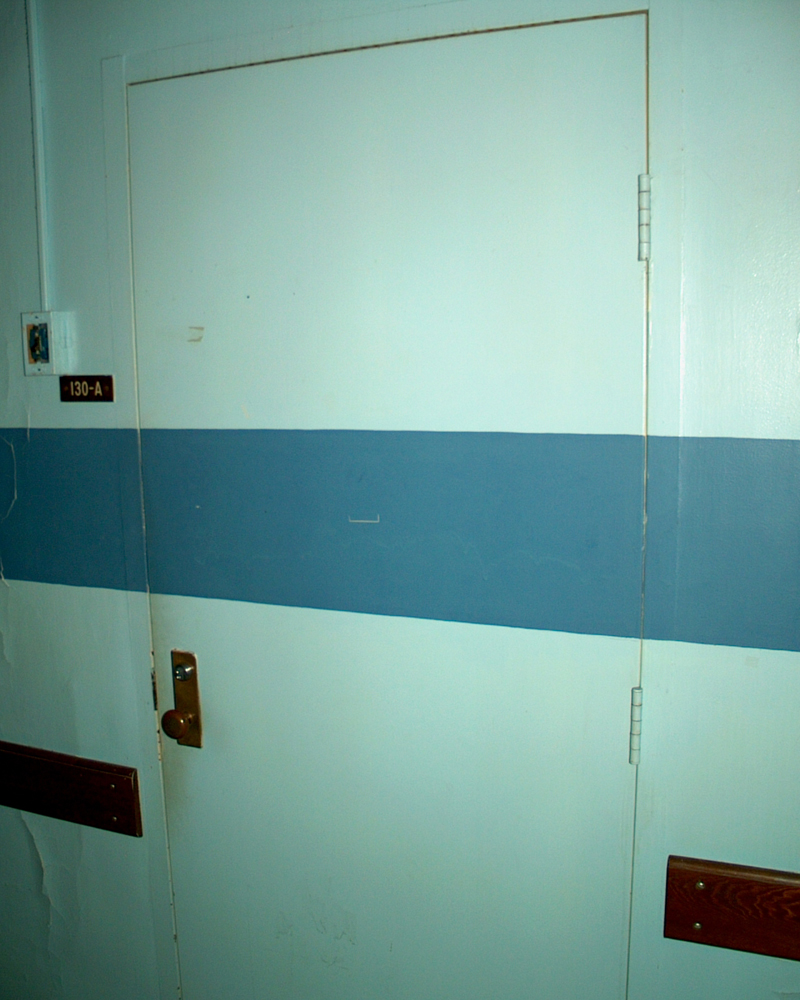
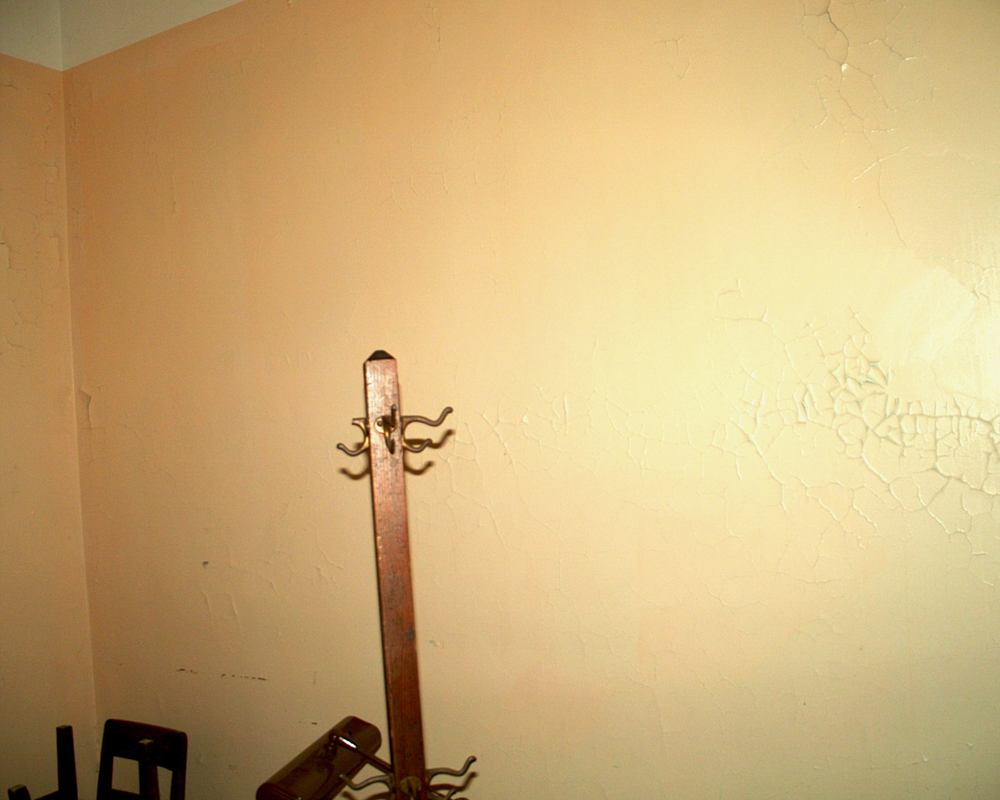
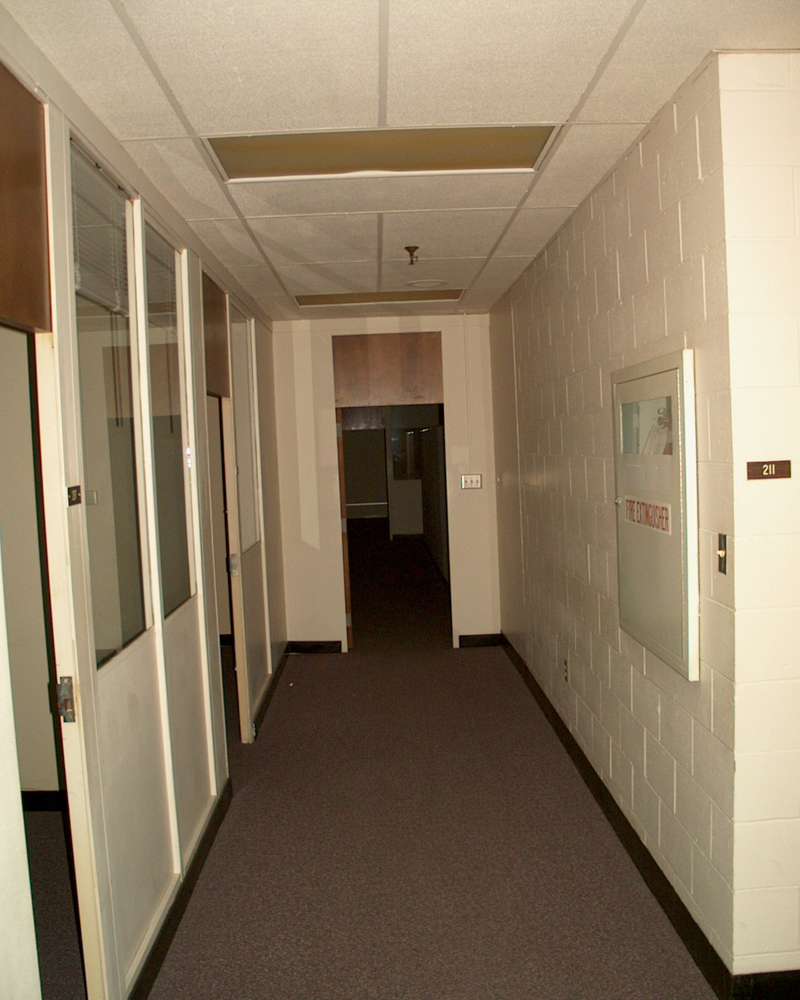
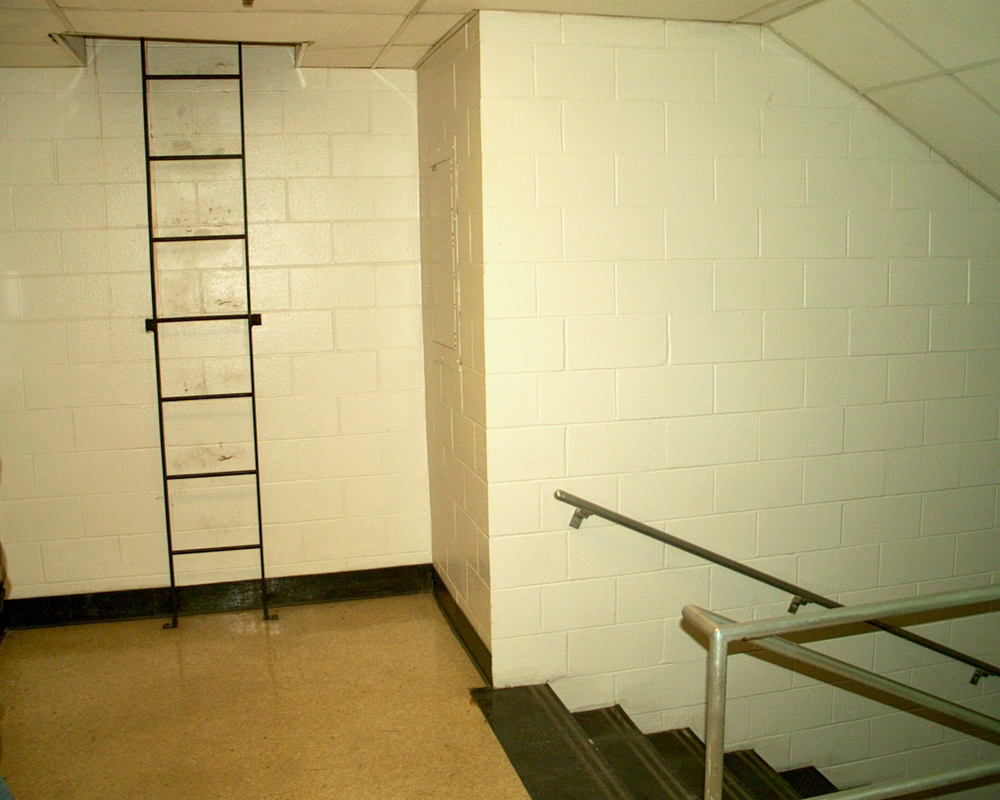
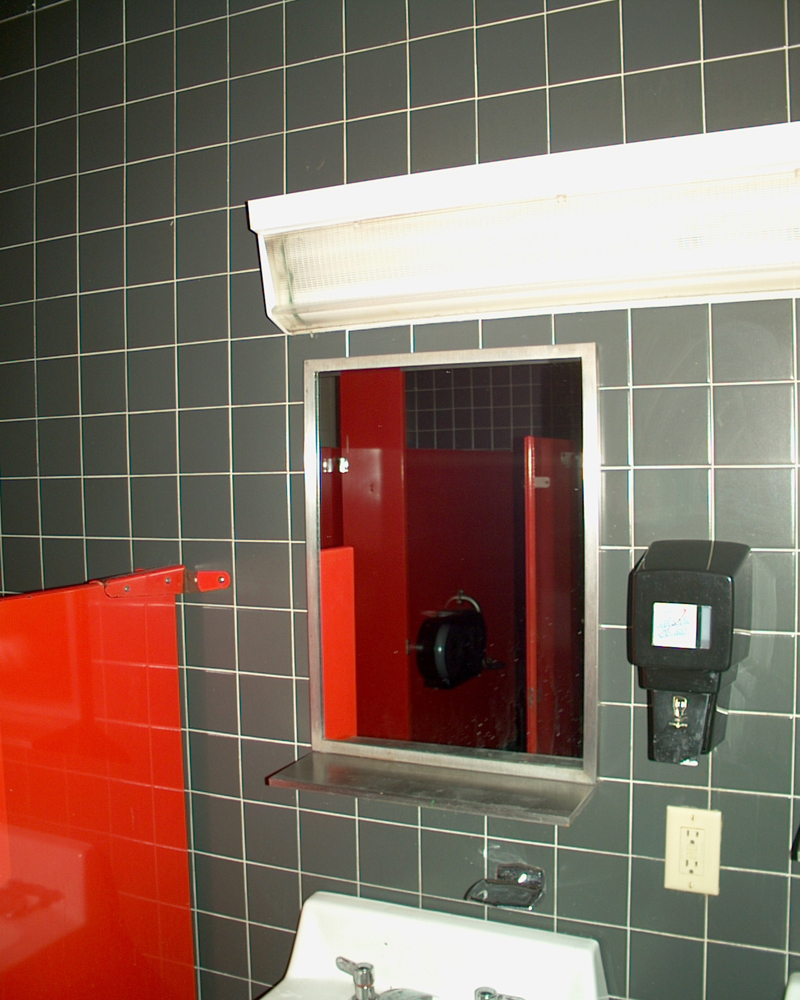
We were fortunate enough to gain entry into the building during one of our visits to The Ridges and saw Margaret’s stain for ourselves. We also recorded two EVPs, which are included below the photos. Click Here to see the results of our paranormal investigation of The Ridges.
SPECIAL NOTE: The OES’ paranormal investigation of The Ridges is covered in John Kachuba’s book Ghost Hunters: On The Trail of Mediums, Dowsers, Spirit Seekers, And Other Investigators of America’s Paranormal World; Chapter 13. Click Here to buy a copy of the book today!
Location Information: Active School
The Ridges are located on Ohio University’s grounds off of North Ridge Drive in Athens; Athens County.
Photographs









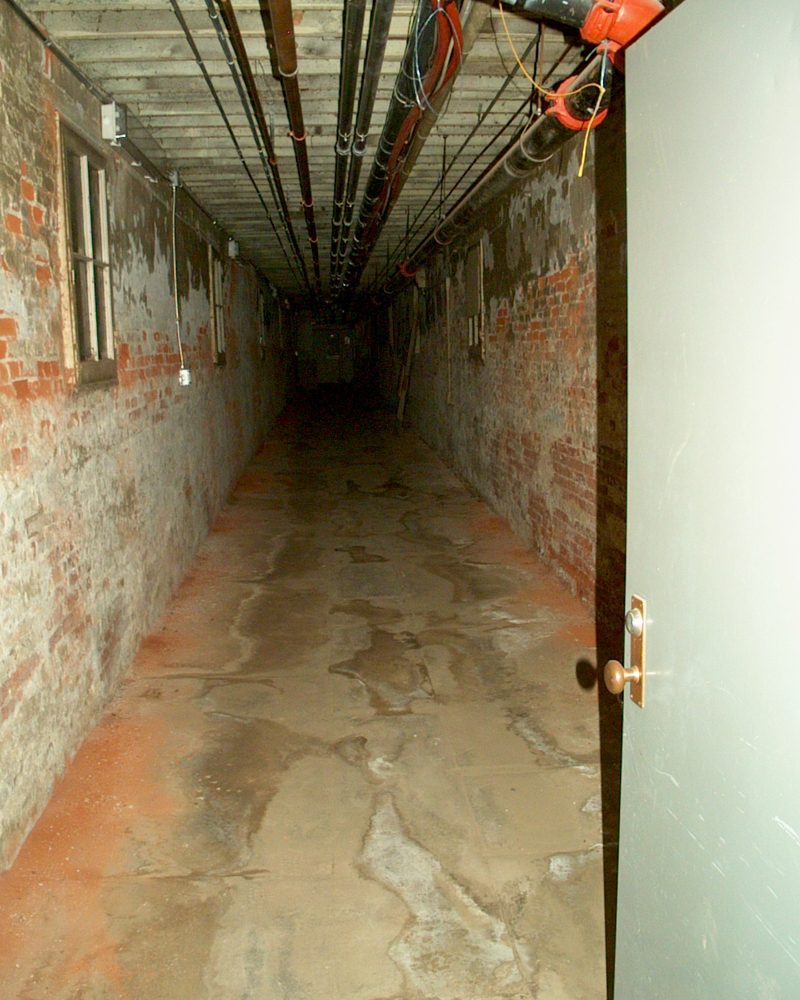
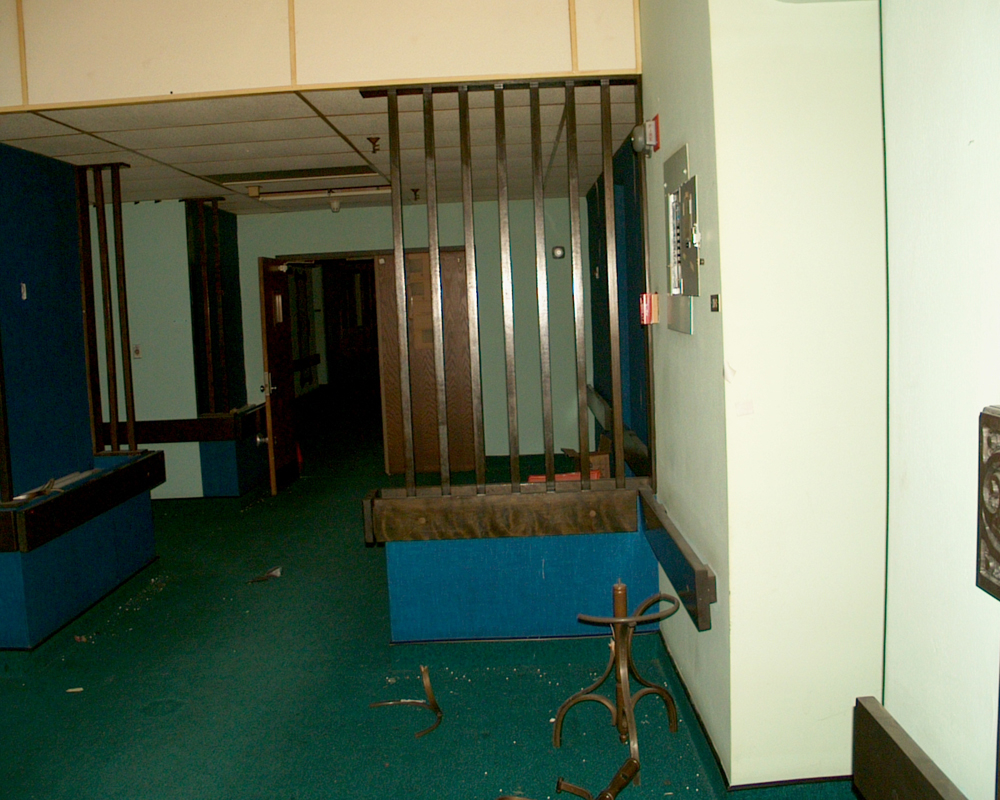
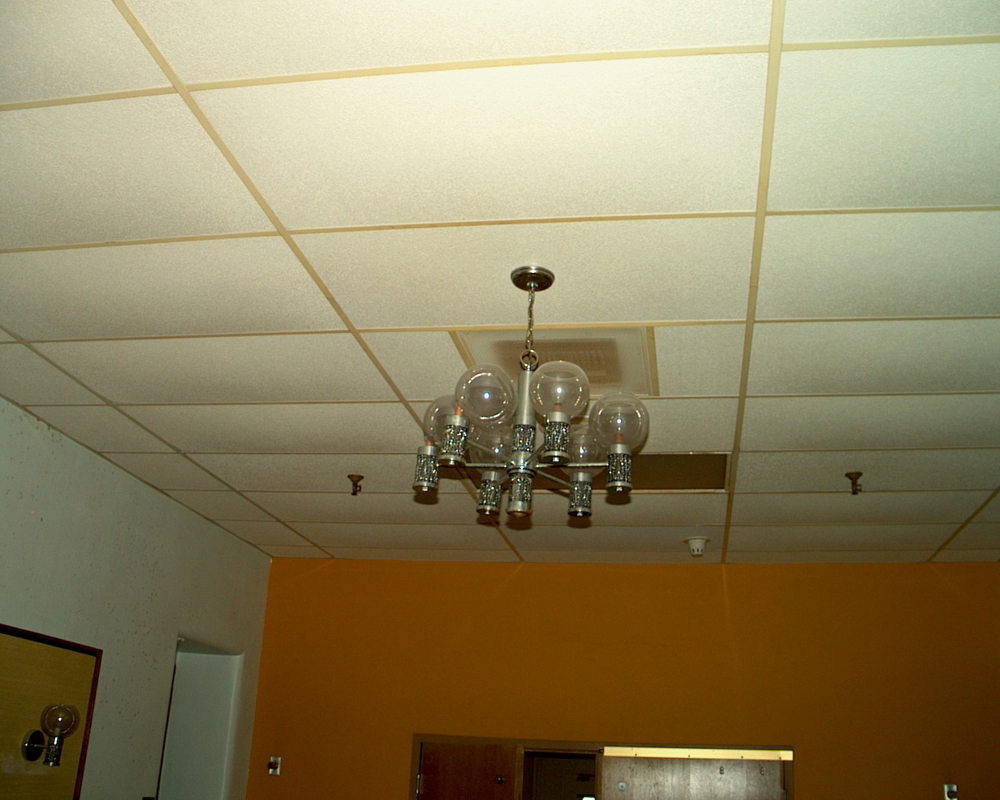
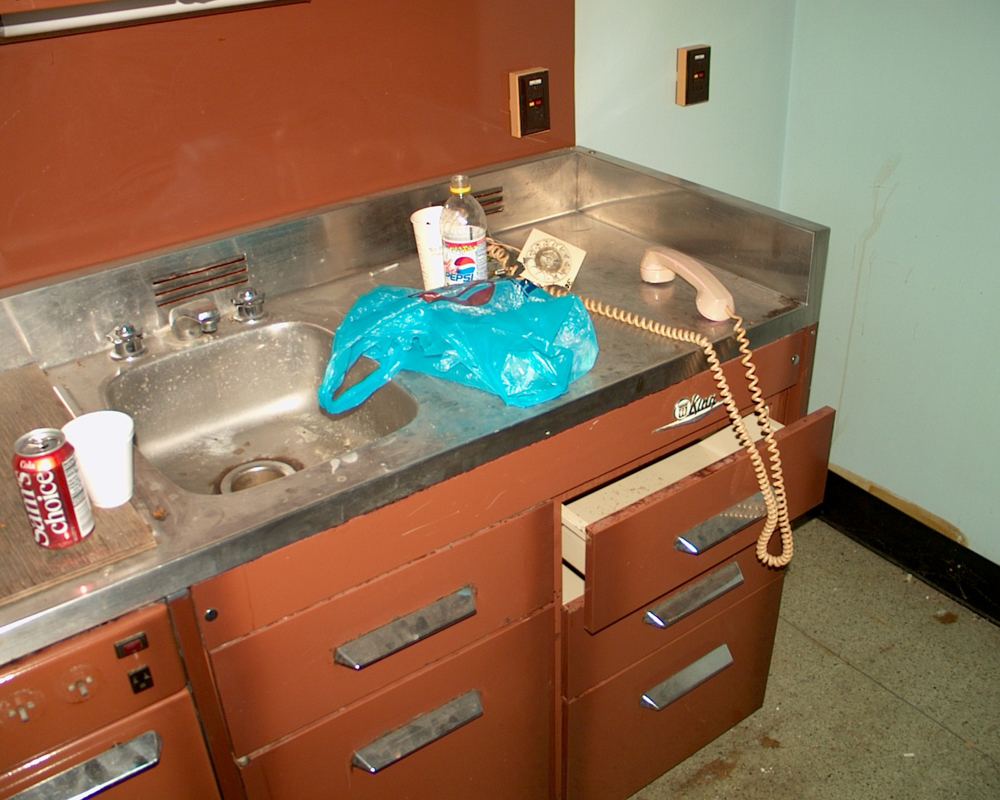




EVP Recordings
| Screaming: We recorded the sound of someone screaming as we were looking into a former padded room. | |
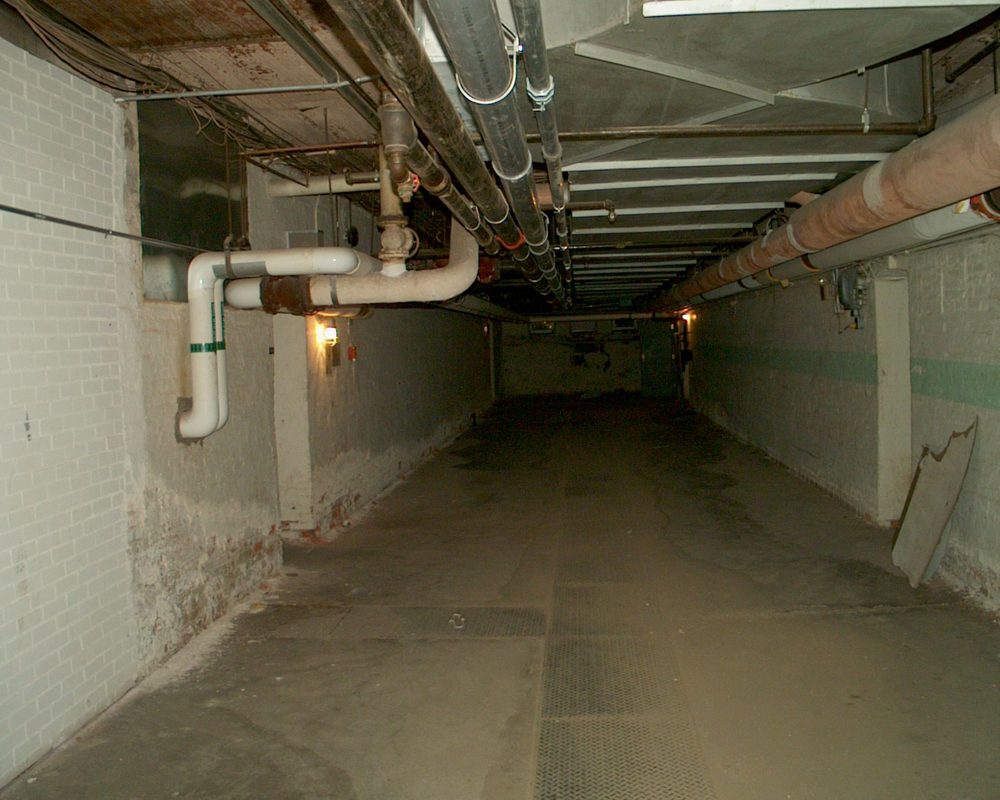
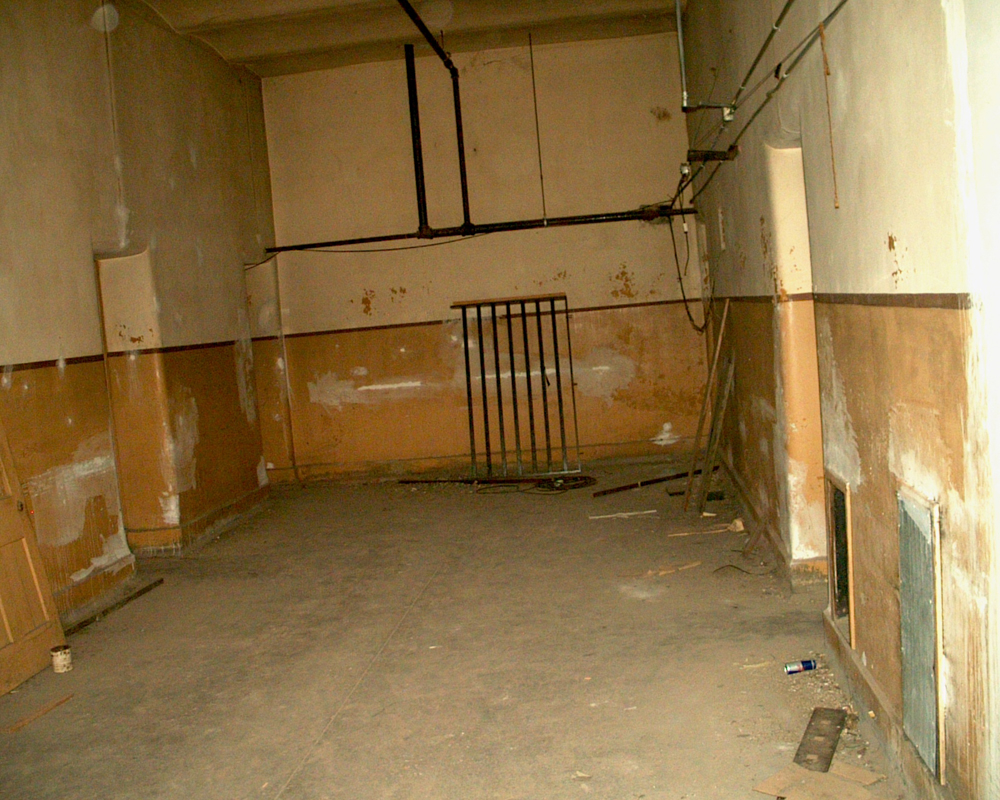
| Would You Help Us: This voice saying, “Would you help us,” was recorded in the basement near the iron gates. | |
| Would You Help Us Edit: The same recording as the file above but edited to enhance the EVP. |