

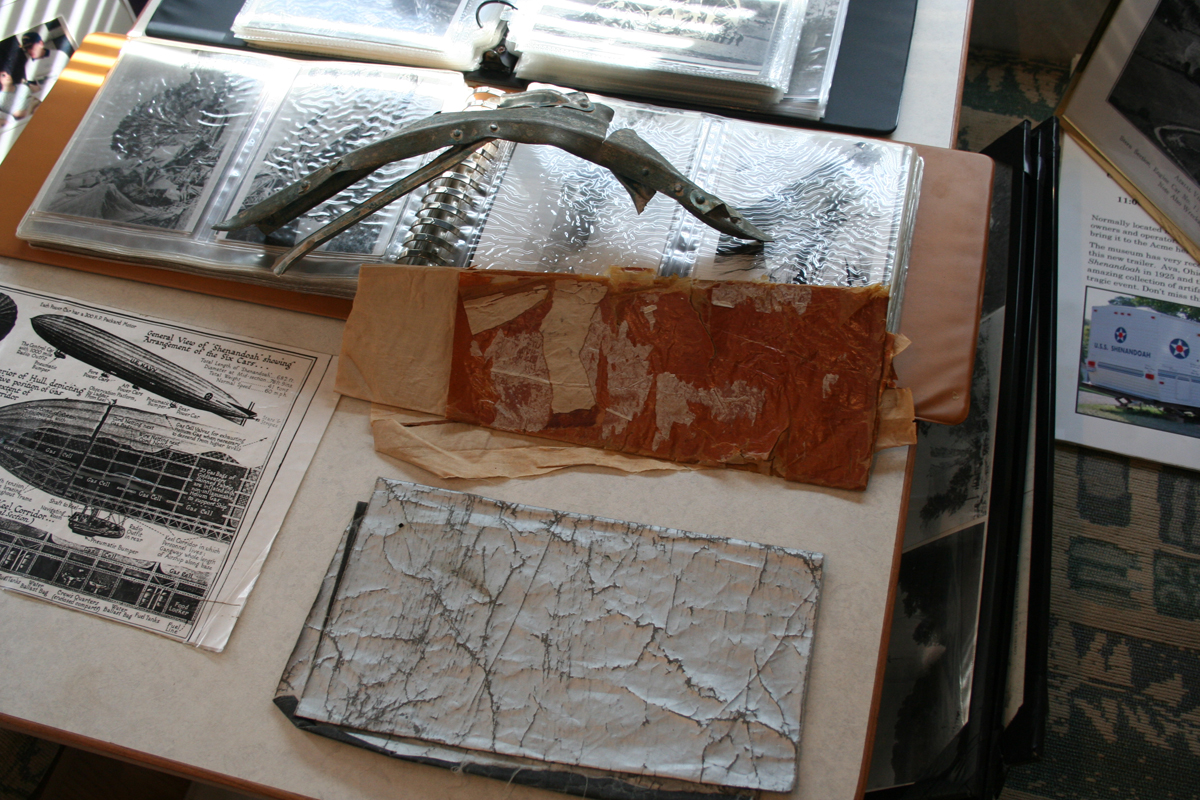
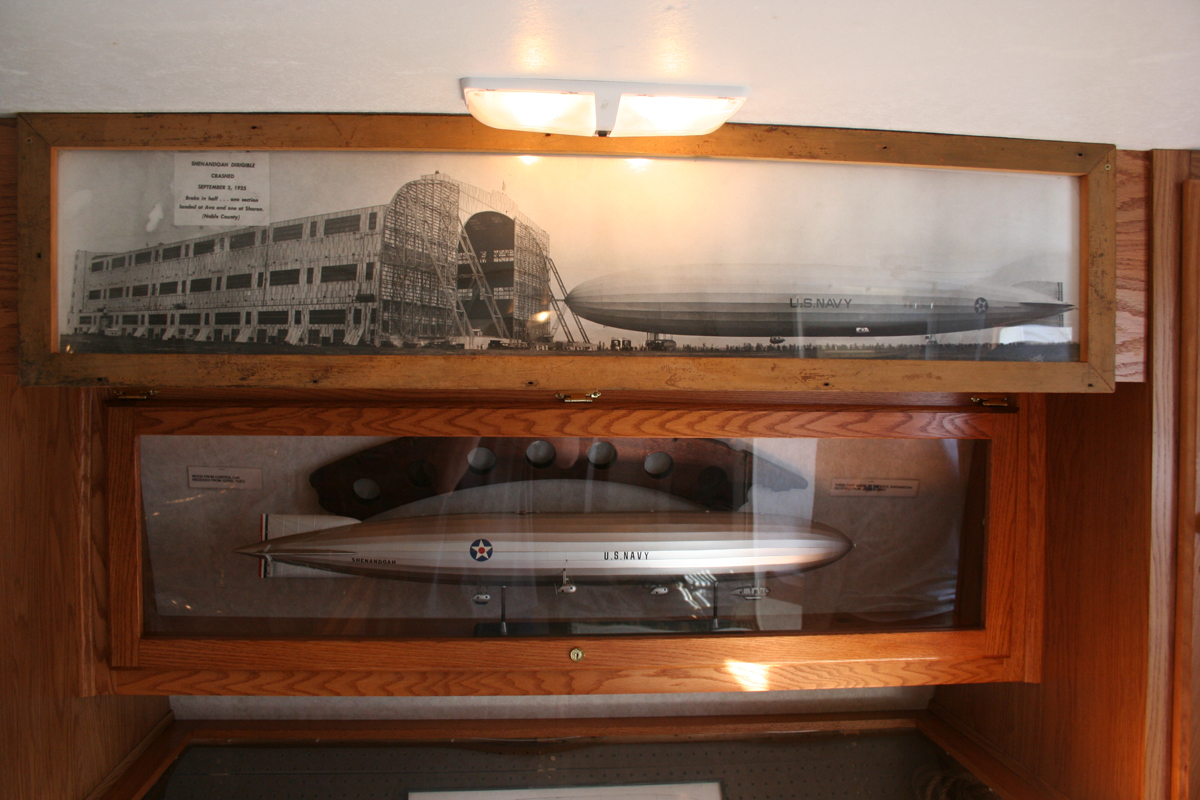
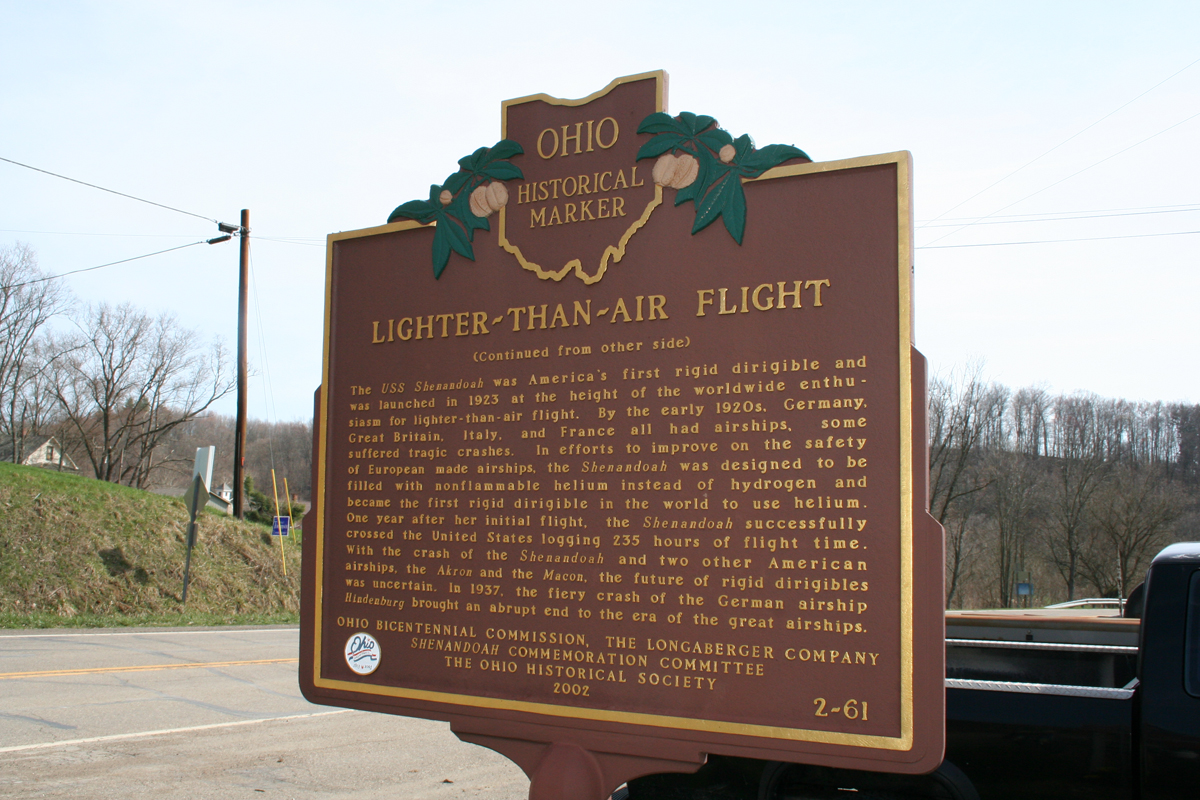
The OES visited the USS Shenandoah crash sites on March 31, 2010. Built between 1922 and 1923, the USS Shenandoah (ZR-1) was the first of four rigid airships constructed for the US Navy at the cost of $2.9 million. At 680 feet long, the Shenandoah was 488 longer than today’s Goodyear blimp. The airship’s structure was built from duralumin, an alloy of aluminum and copper. The outer cover was made of cotton cloth covered with aluminum paint and the helium gas cells were made of goldbeater’s skin, which were made from the large intestines of oxen. The Shenandoah’s maiden voyage was on September 4, 1923, in order to test its air worthiness and was christened on October 10, 1923. For a time, the Shenandoah was set to explore the Arctic, but damage to the bow during a storm scrapped the expedition in 1924. In October 1924, the Shenandoah became the first rigid airship to fly over the continental divide on its way from New Jersey to California and Washington, increasing its reputation with the public.
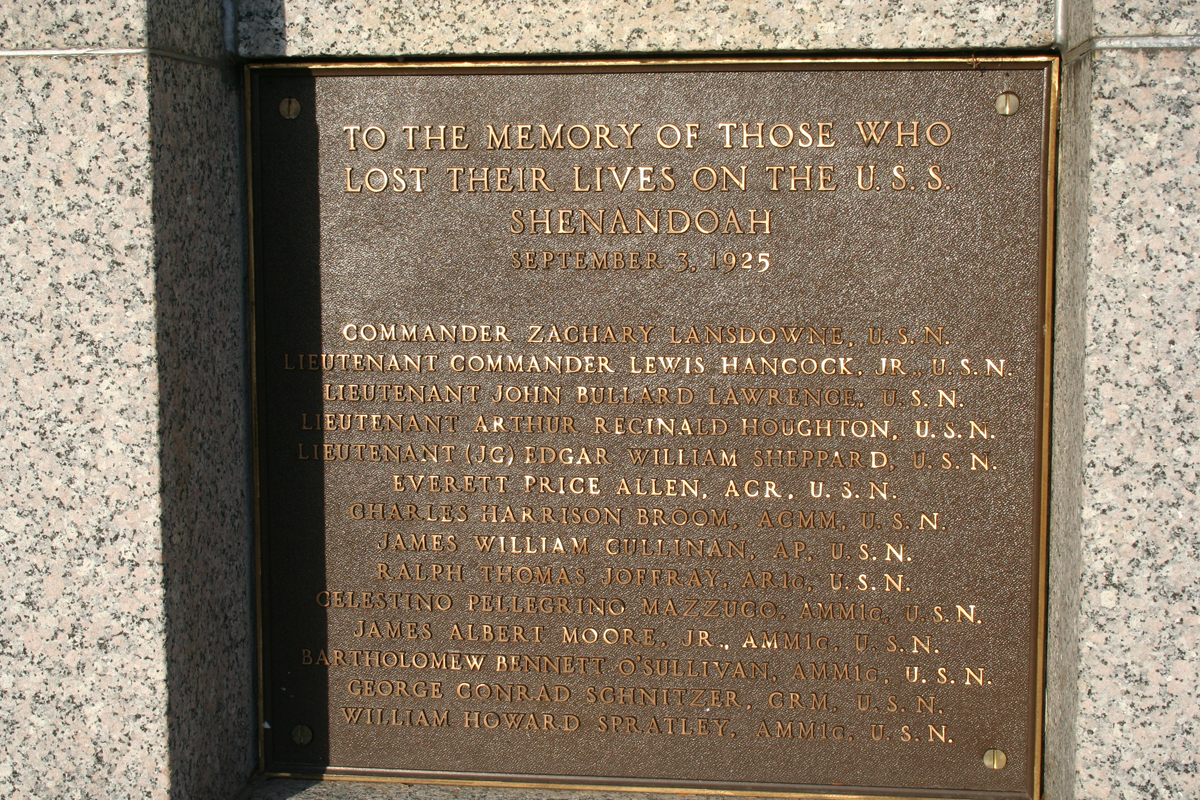
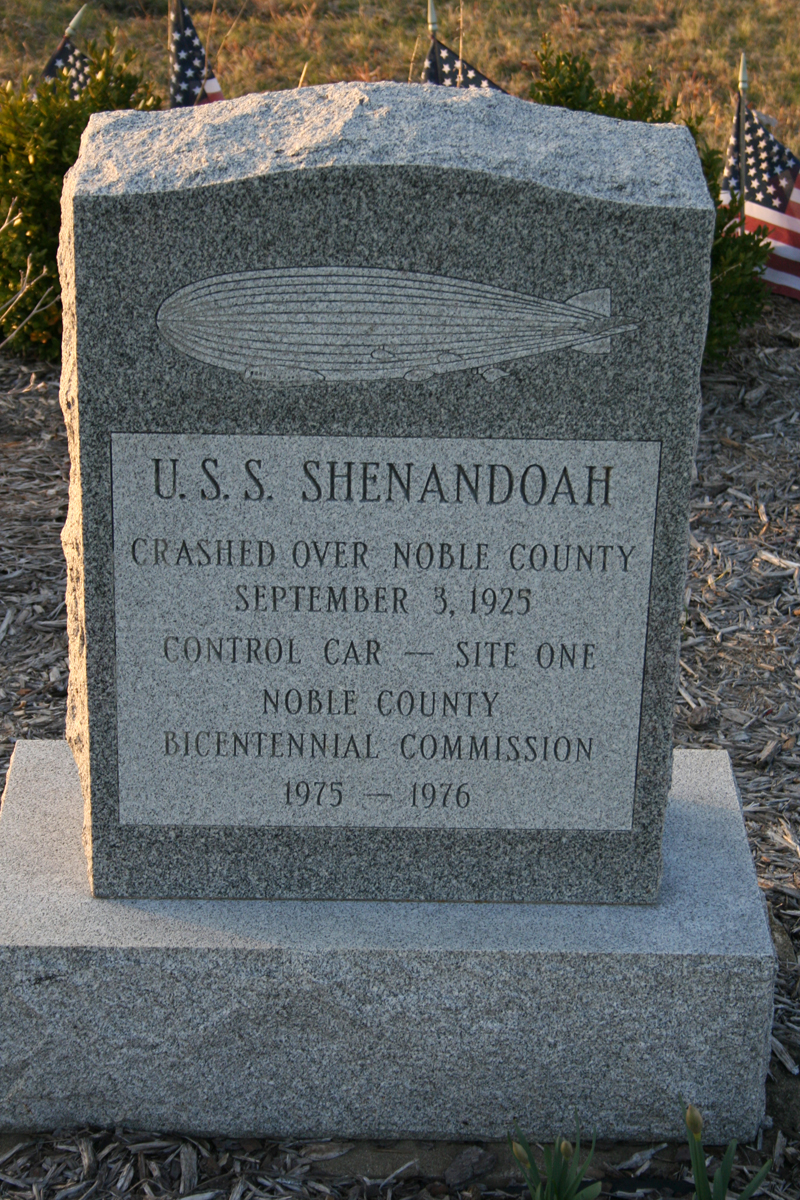
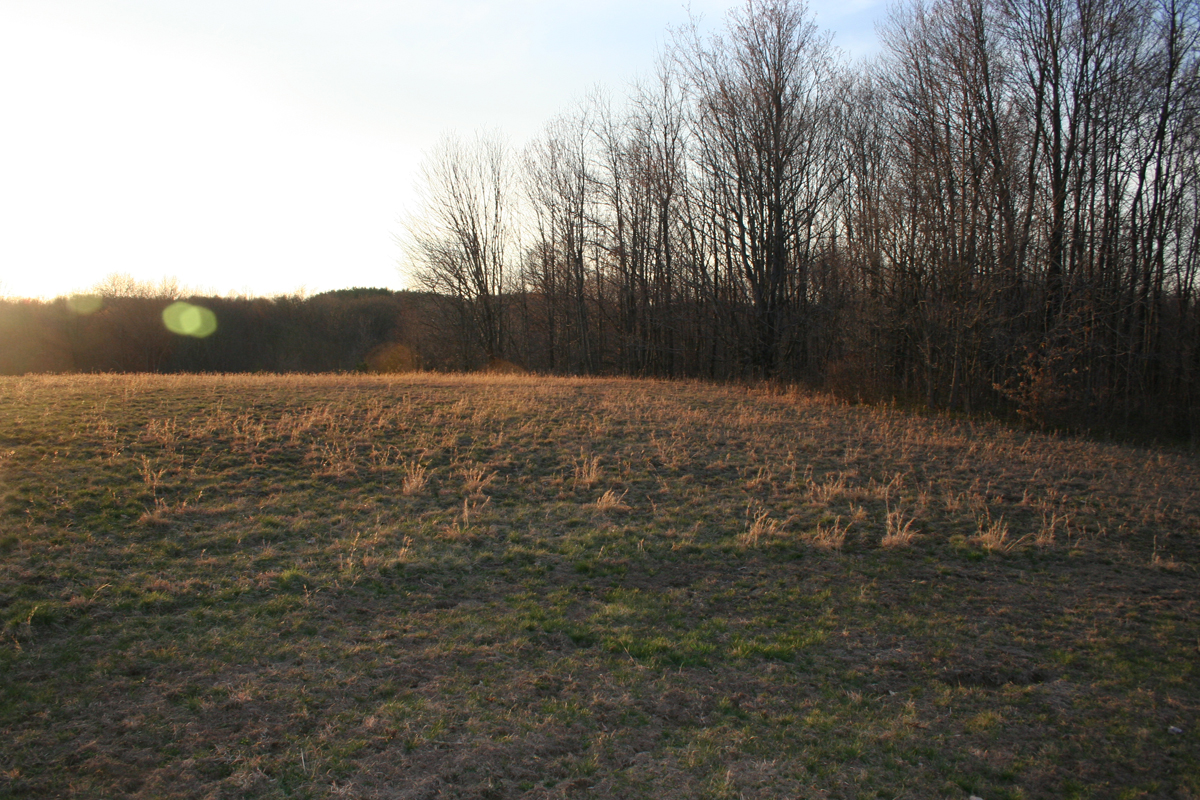
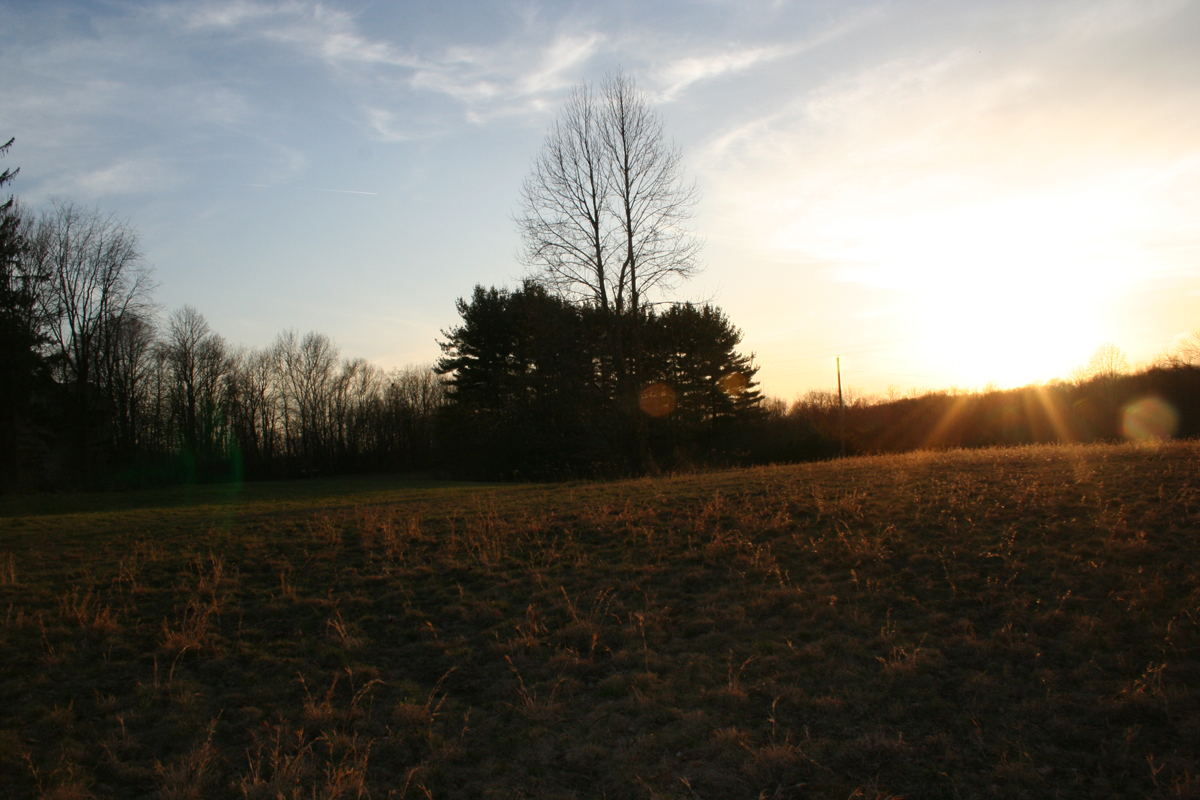
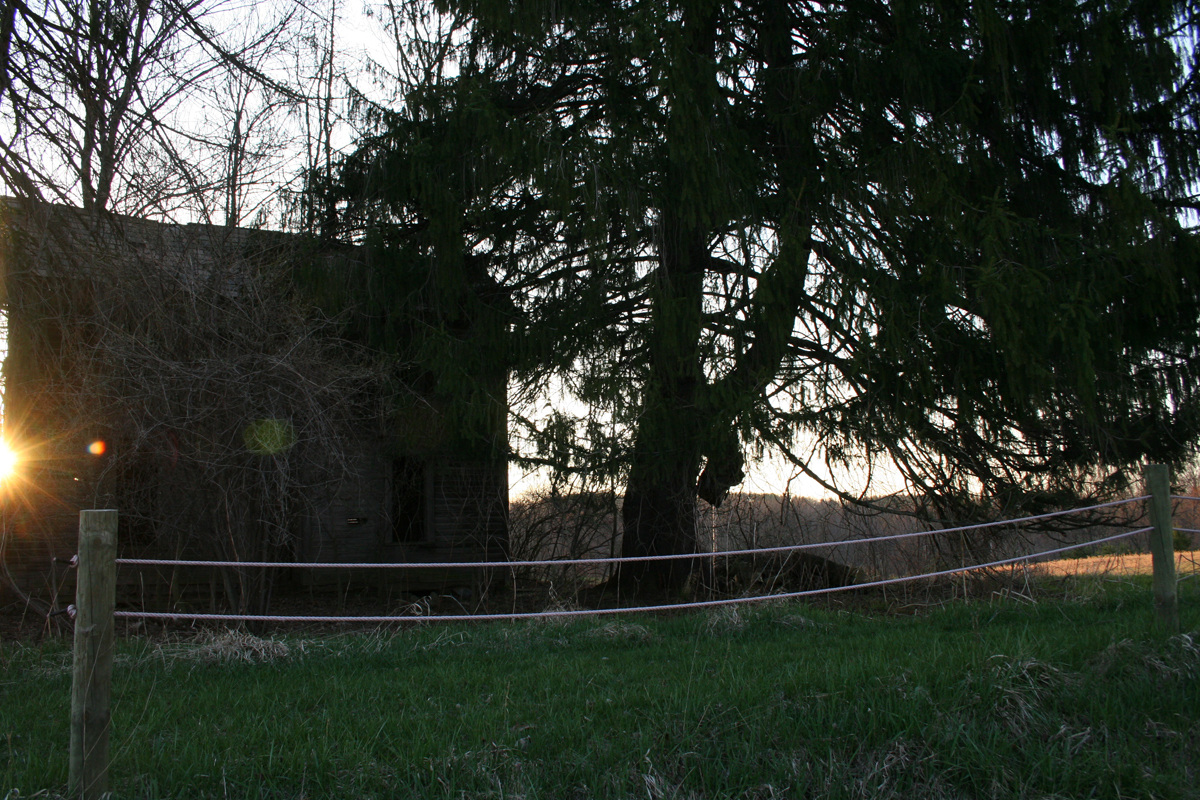
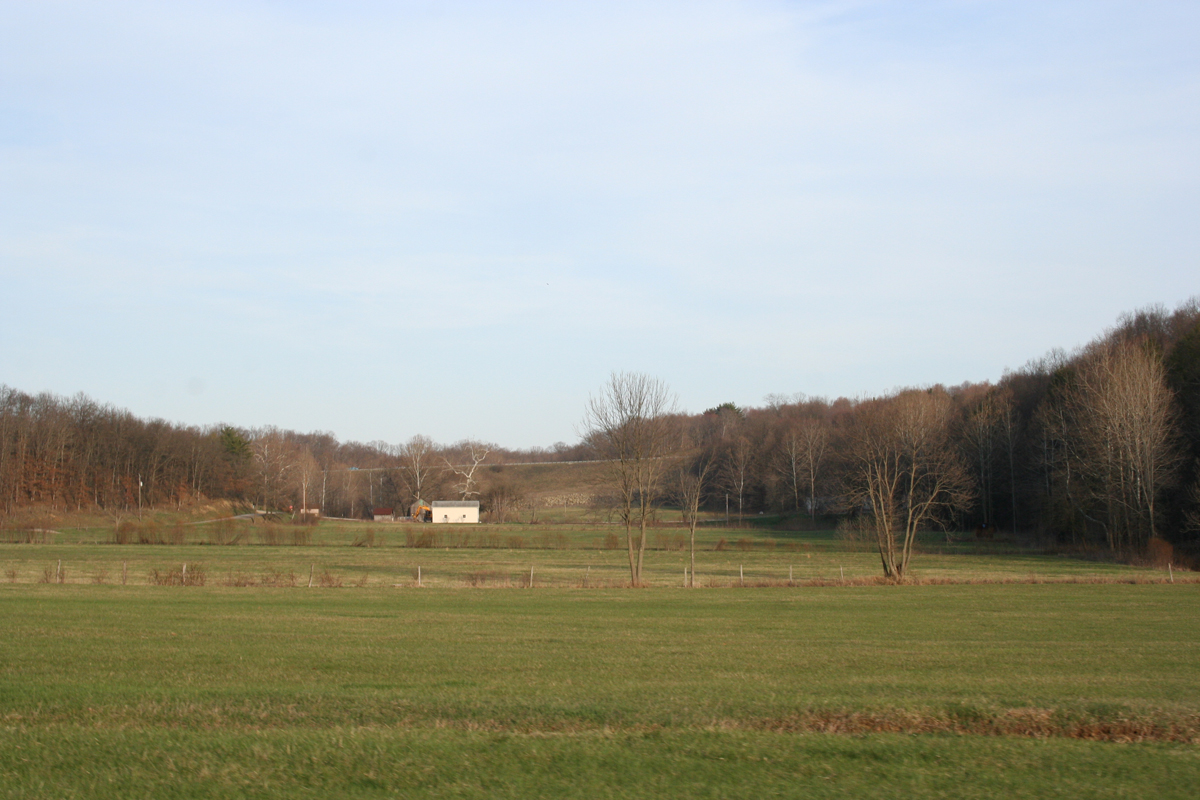
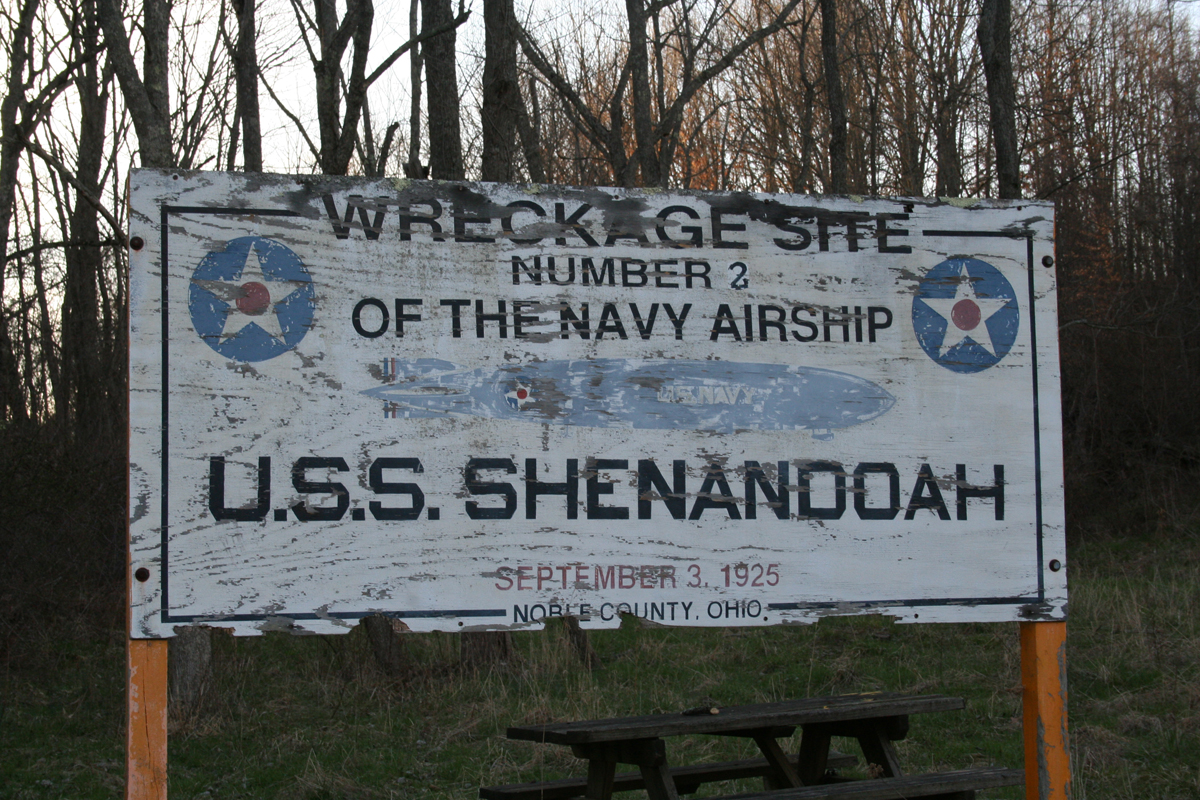
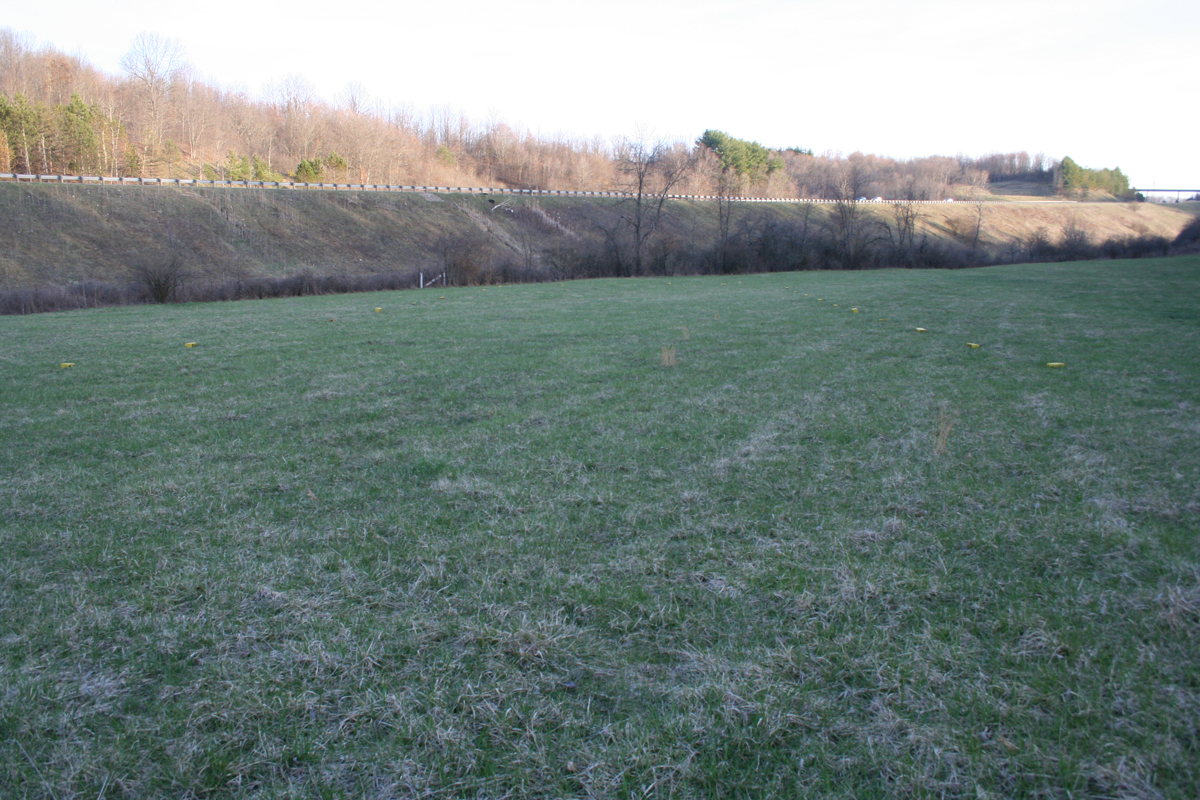
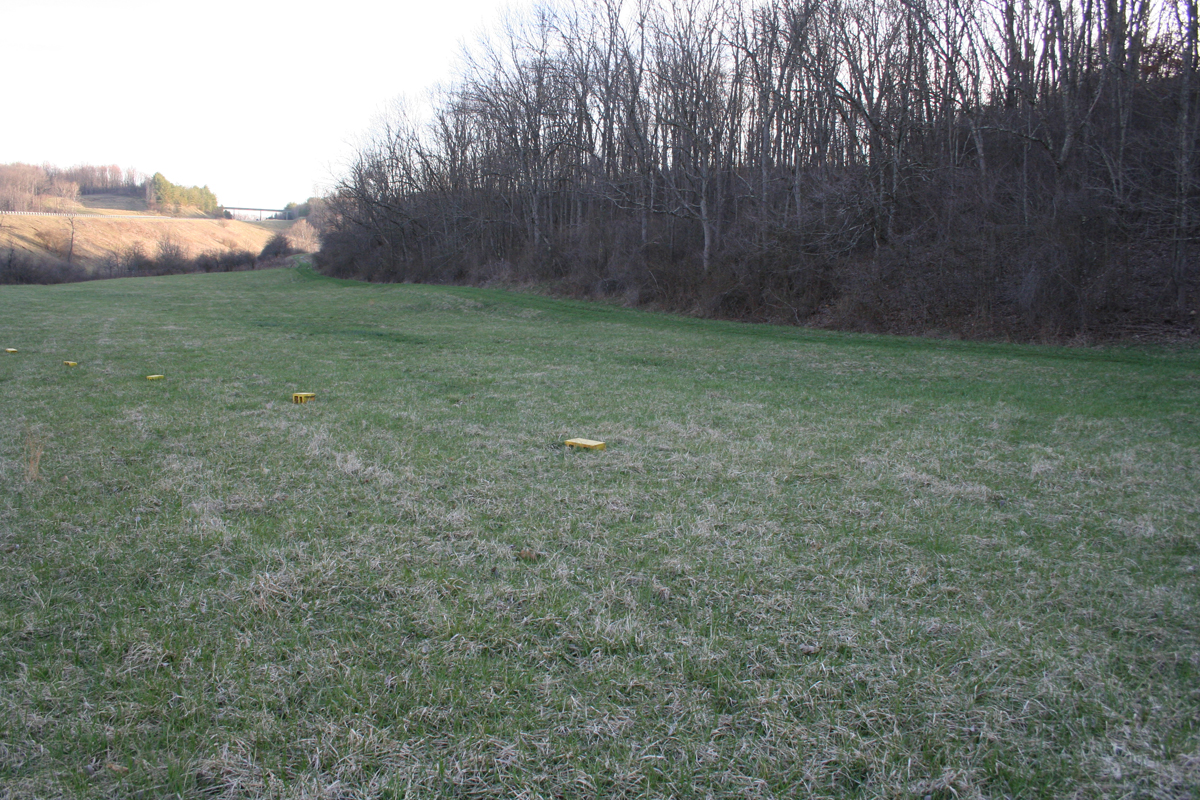
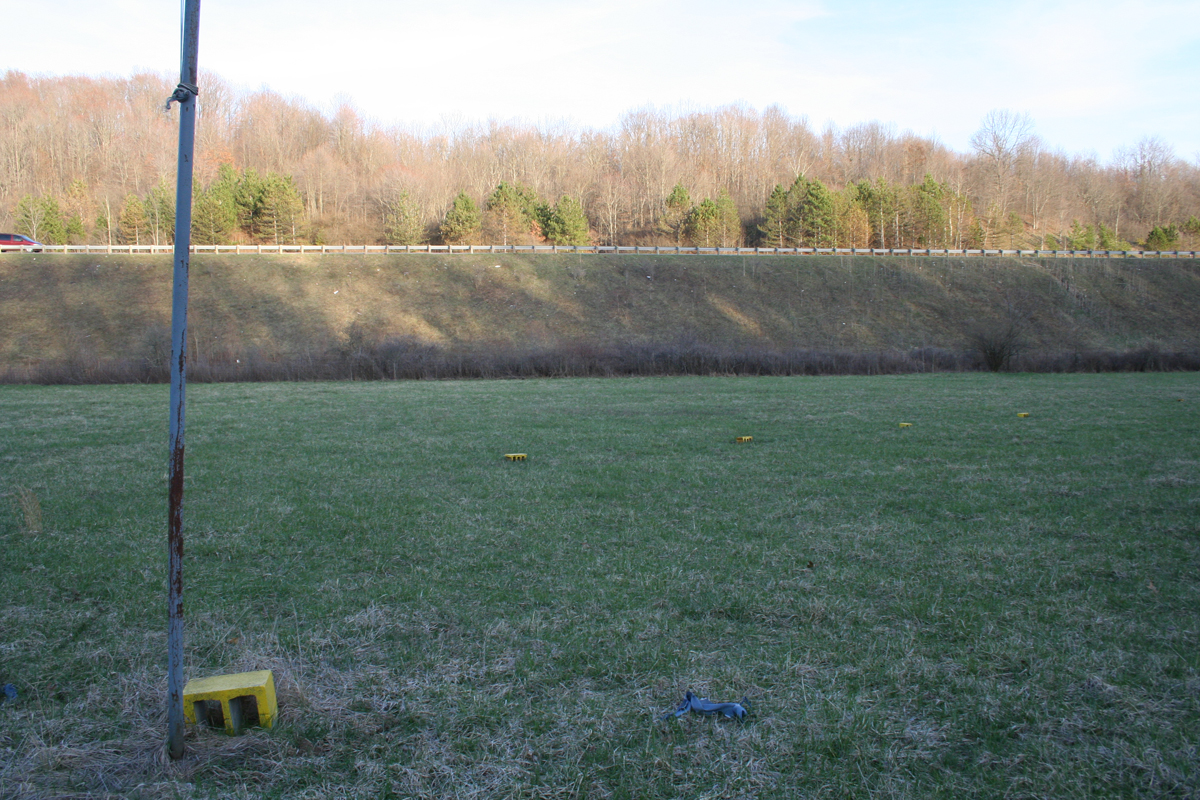
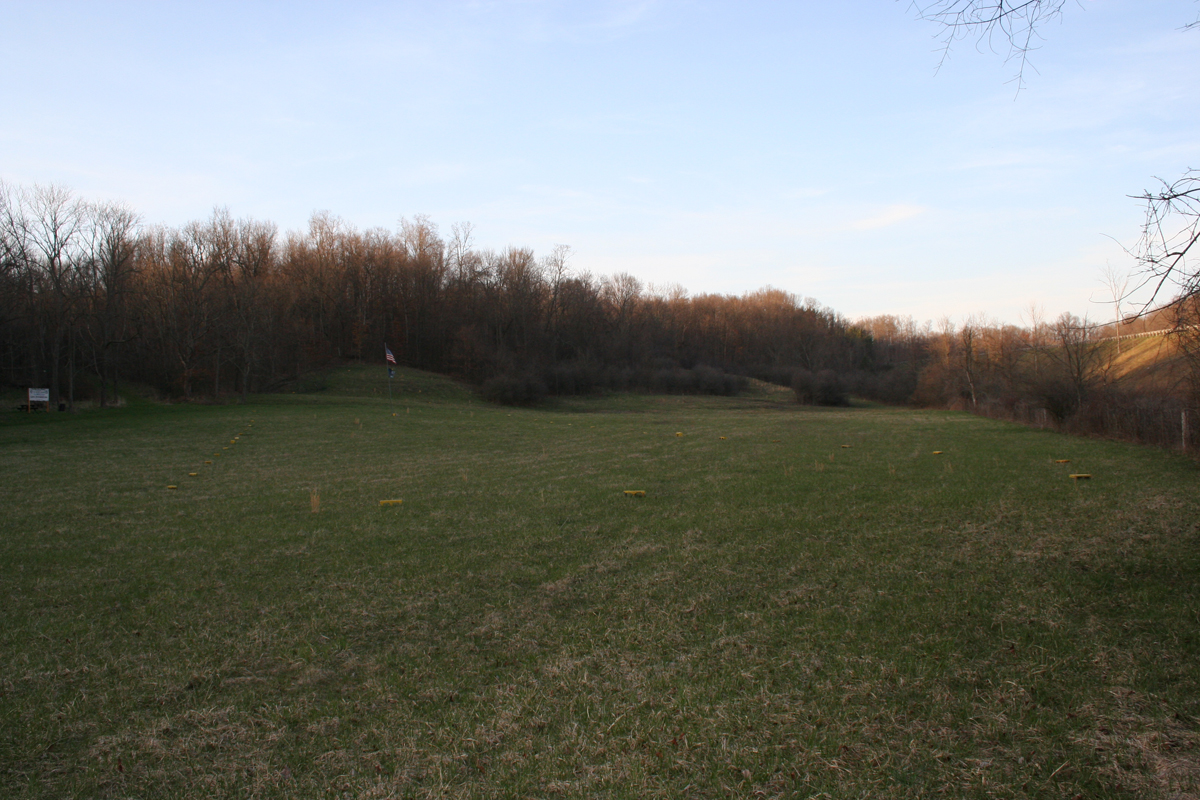
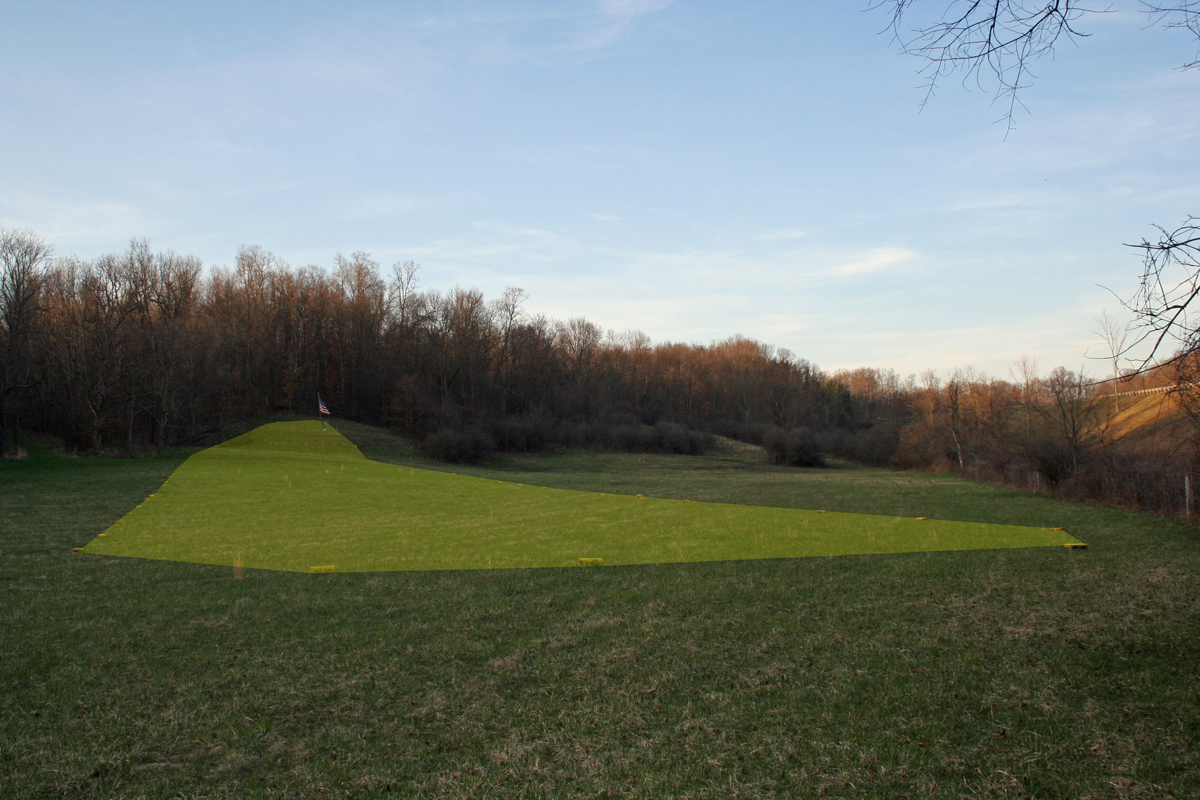
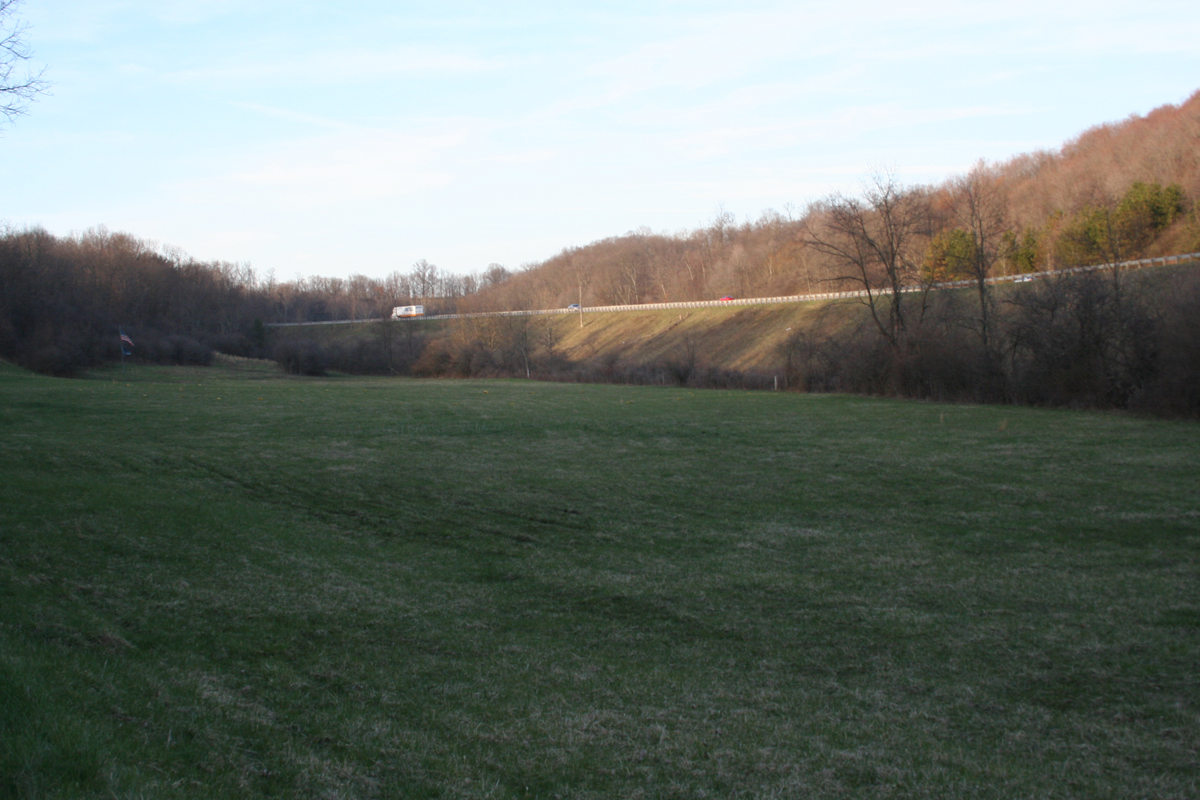
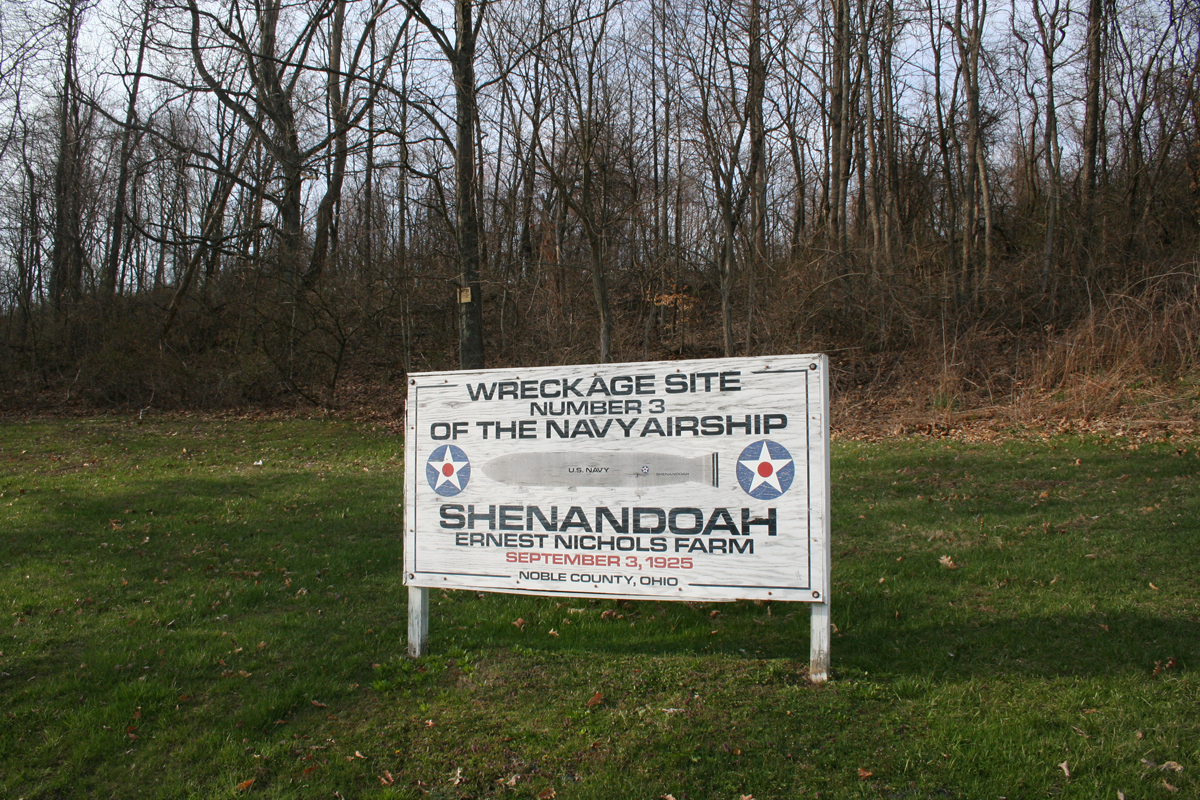
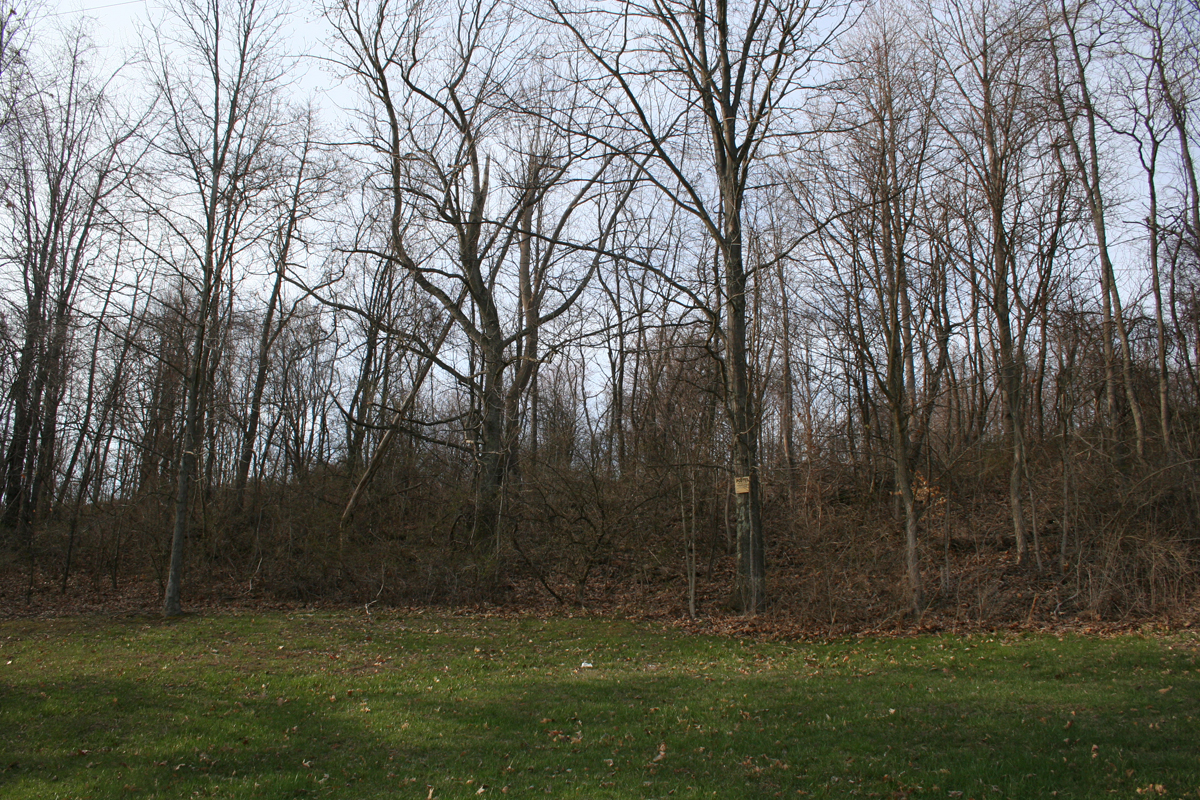
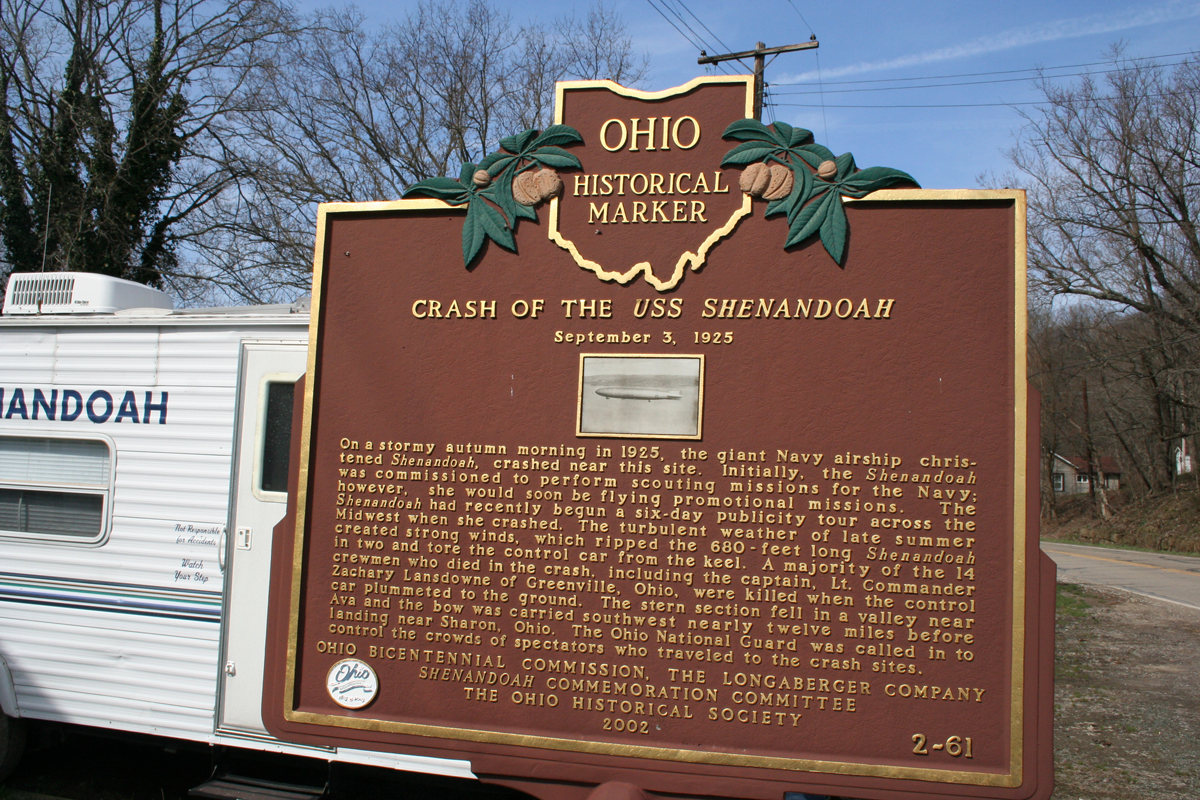
The USS Shenandoah departed its home base of Lakehurst, New Jersey, for a six day promotional flight over the midwest on September 2, 1925. The flight was to build support for the Navy’s airship program and included flyovers of various cities and state fairs. Unfortunately, this would be the Shenandoah’s final flight. During the early morning hours of September 3, the Shenandoah was caught in a violent thunderstorm over southeastern Ohio and the airship was torn in two. The control car and two engine cars plummeted onto a field at crash site one. A large section of the airship landed nearby at crash site two, and the bow section of the Shenandoah floated about 7 air-miles south to the Ernest Nichols farm where it came to rest in a field; crash site three. Nichols tied down this section and seven men aboard survived the wild flight. The men reportedly used Nichols’ shotgun to shoot holes in the helium gas cells to keep the section of the airship from floating away. Local residents who were in route to the county fair later that day stopped at the crash site, marveled by the scene. Some collected pieces of the Shenandoah as souvenirs. Of the forty-three crew members on board, fourteen perished in the crash, including the airship’s captain and Ohio native Lieutenant Commander Zachary Lansdowne. Ironically, this flight was to be Lansdowne’s last assignment aboard the Shenandoah as he was being transferred to a seafaring vessel for promotion. The crash of the USS Shenandoah, along with the USS Akron in 1933 and USS Macon in 1935, brought an end to the US Navy’s experiment with rigid airships.
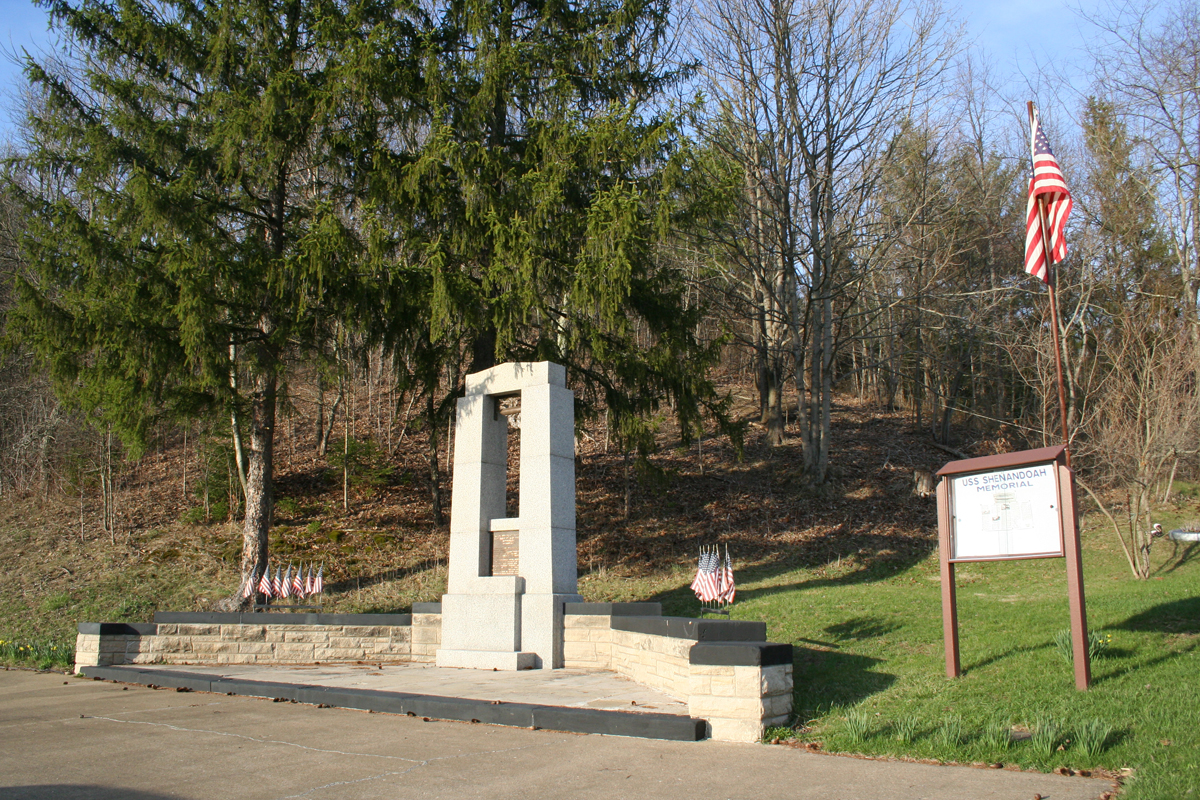
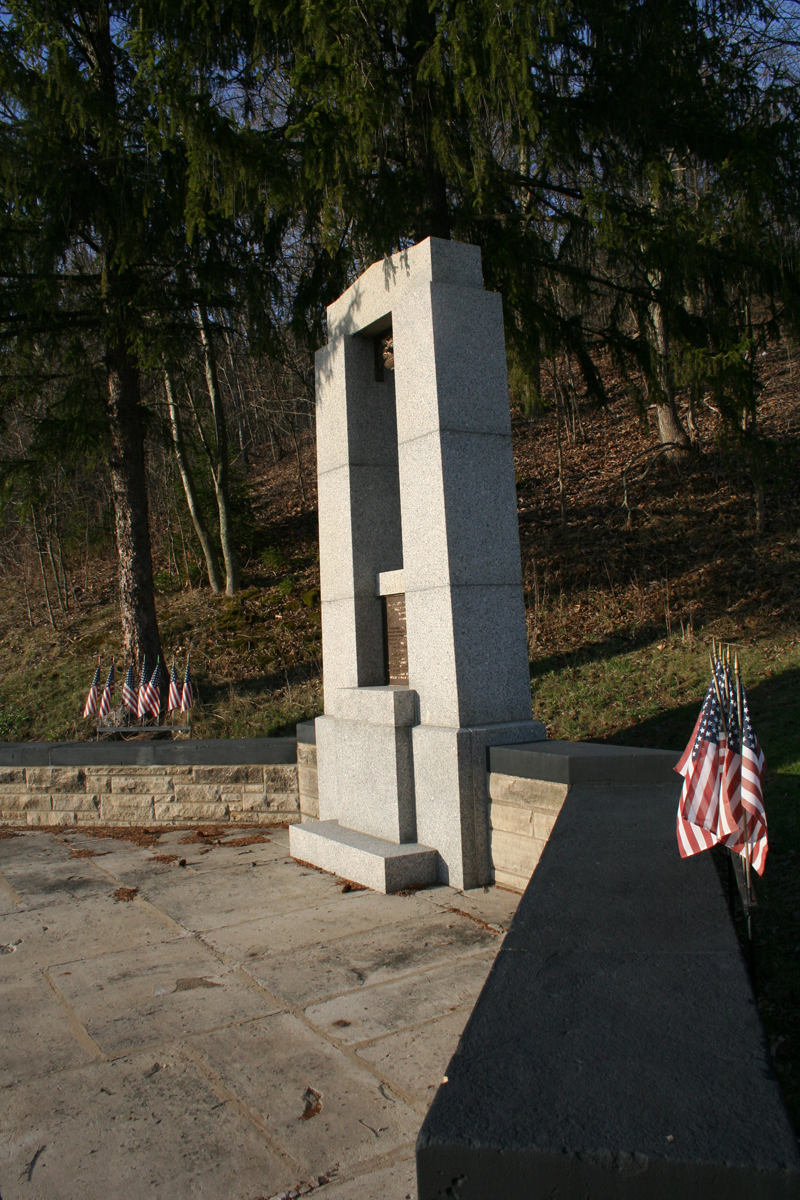
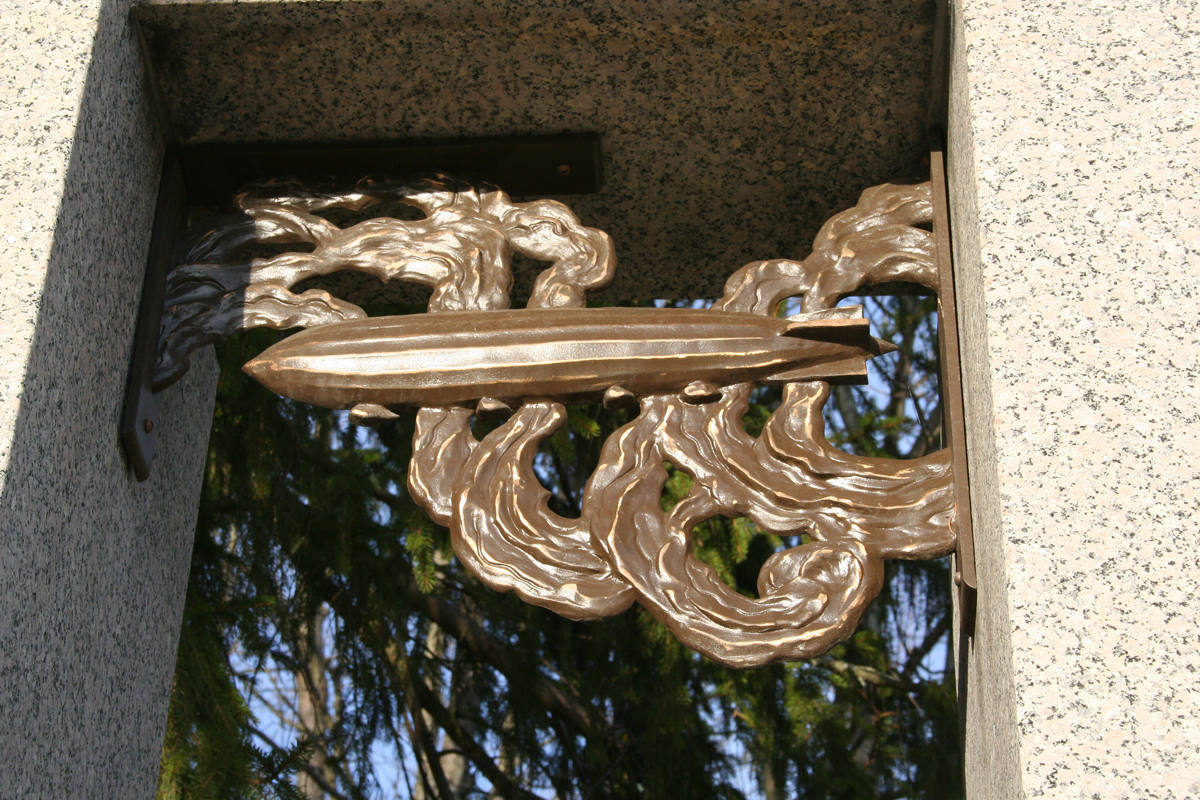
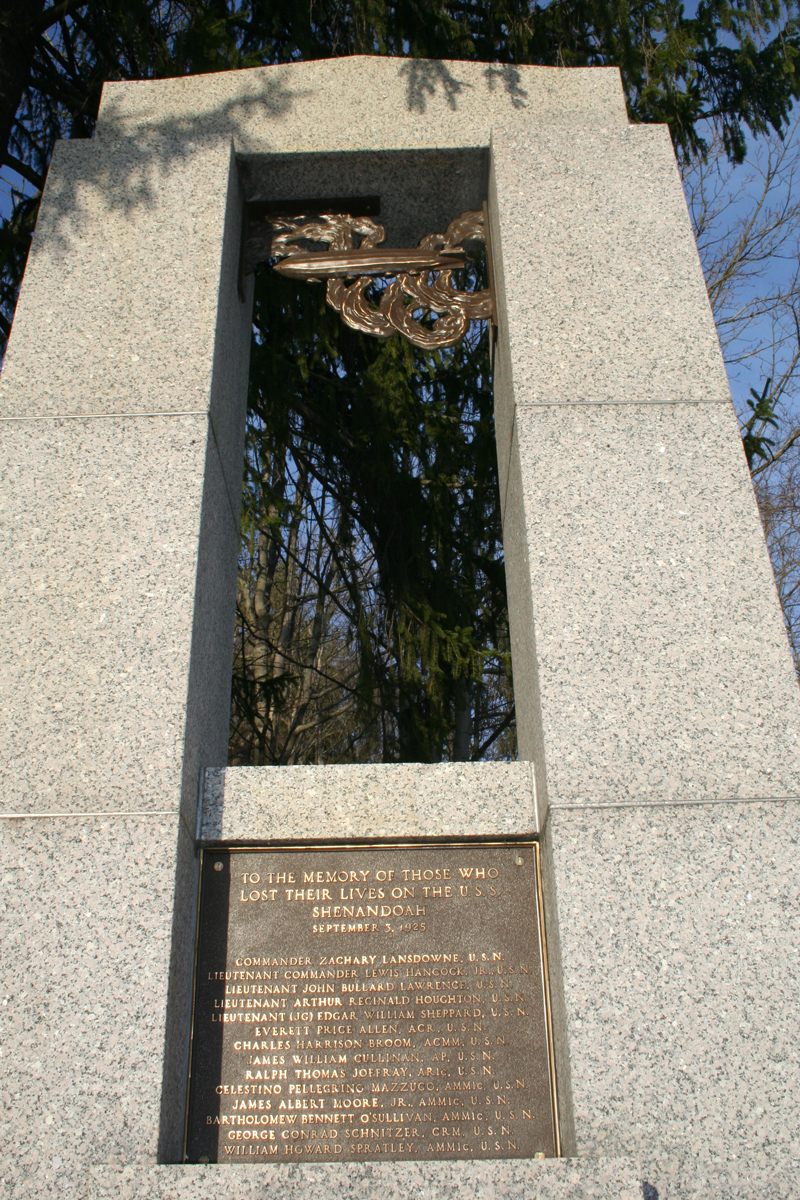
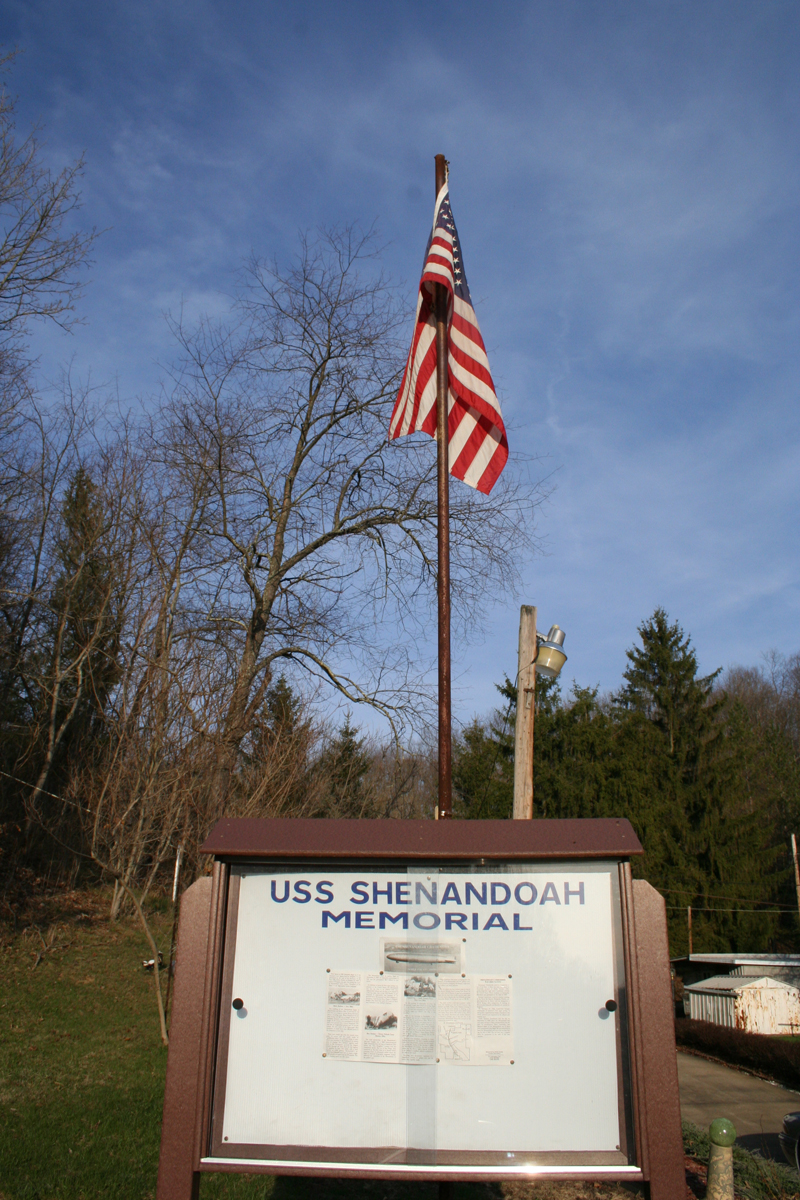
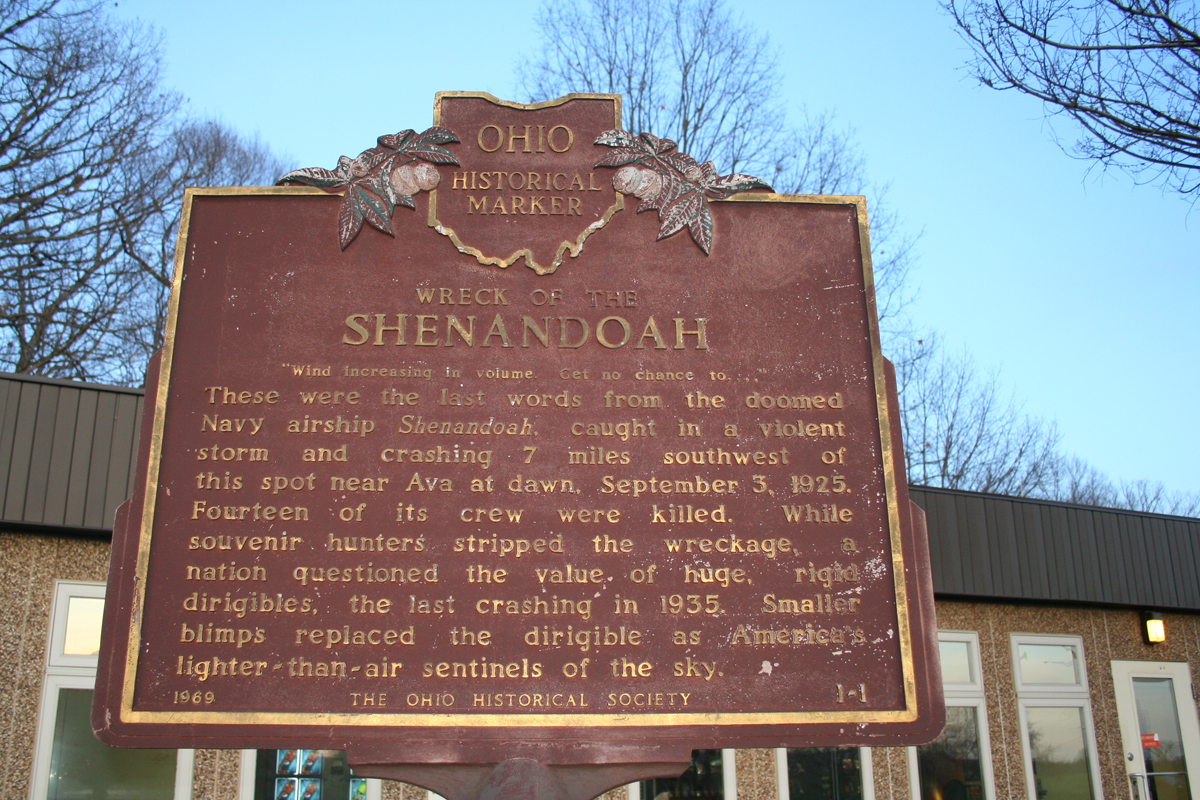
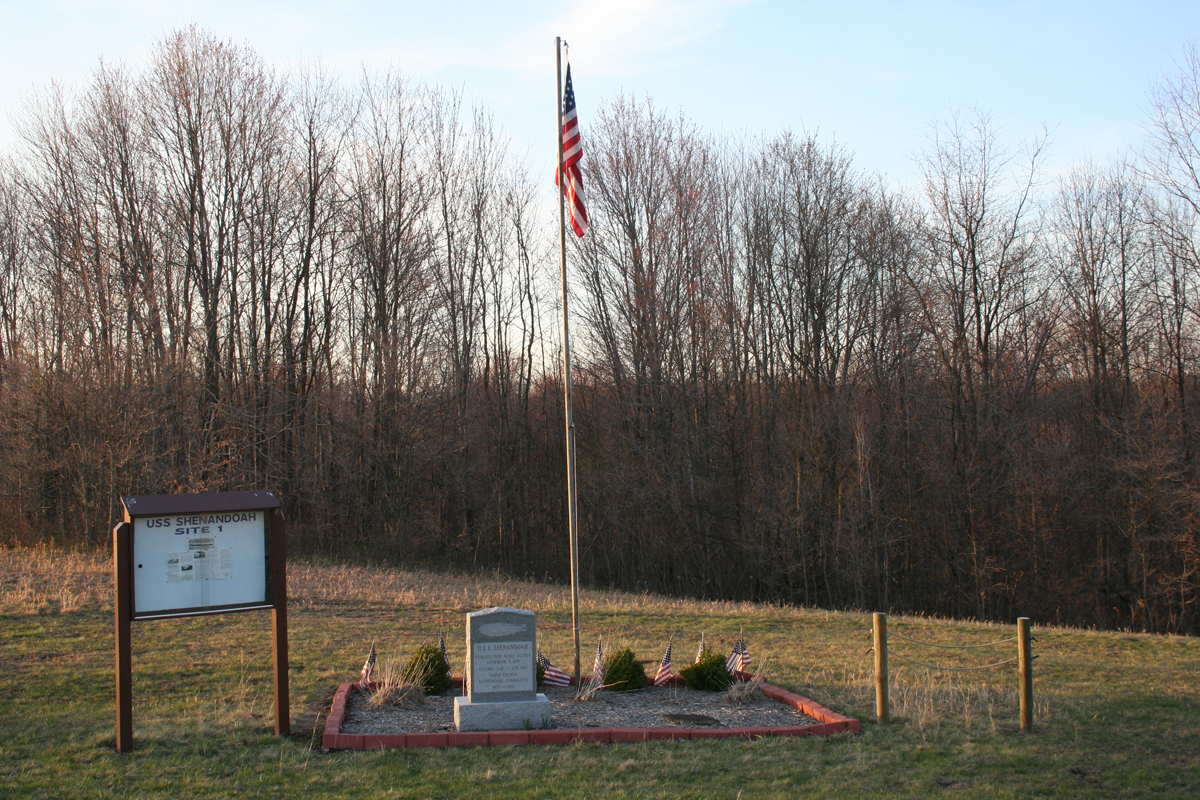
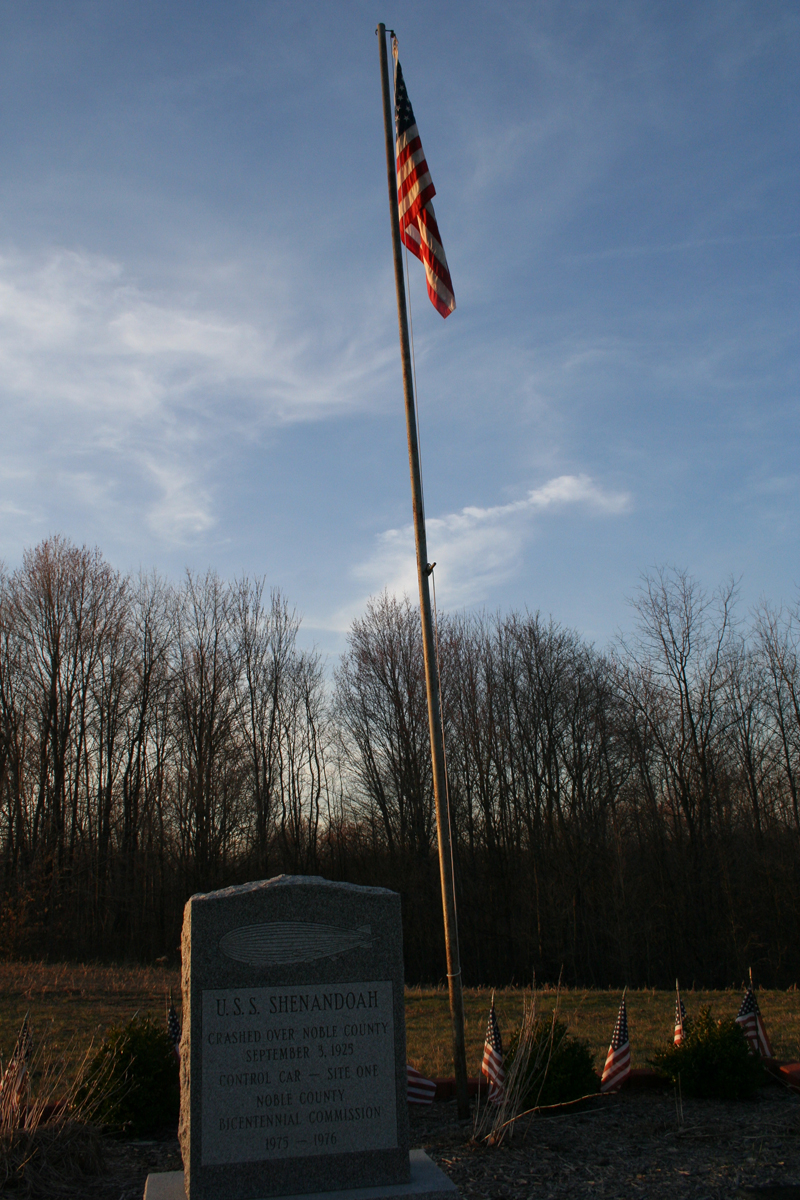
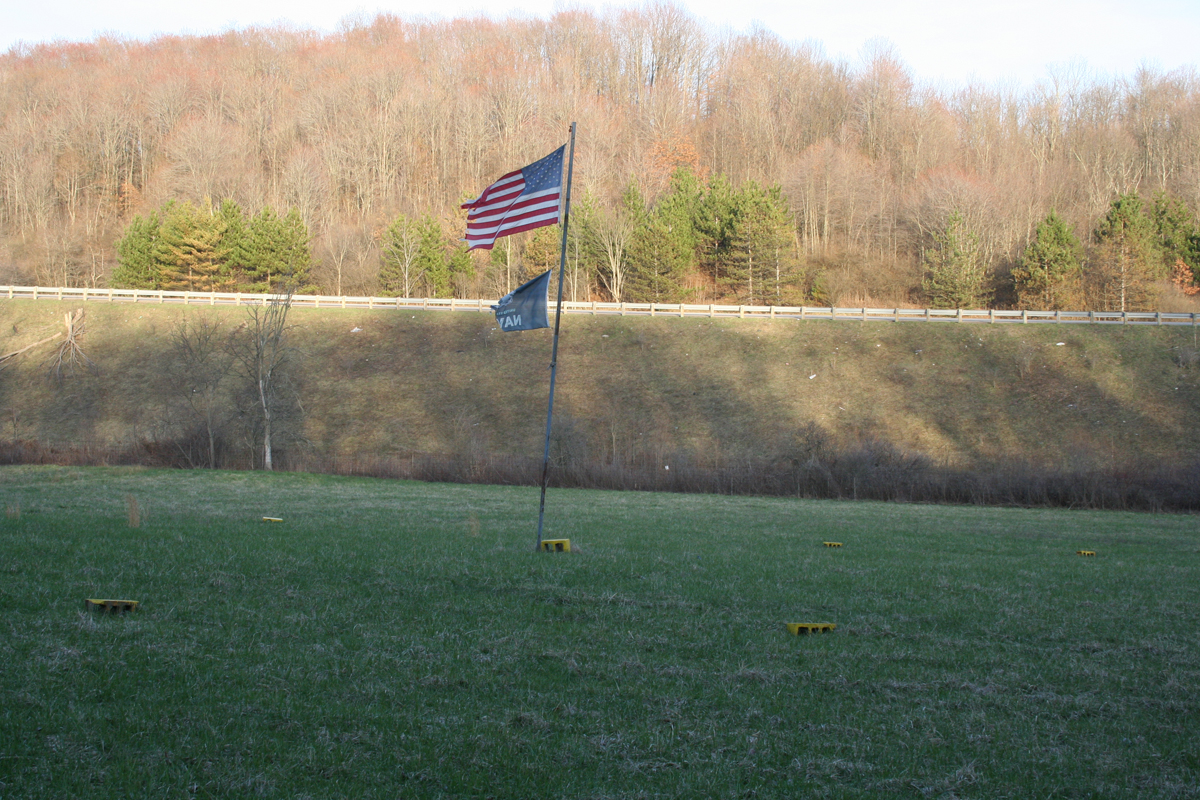
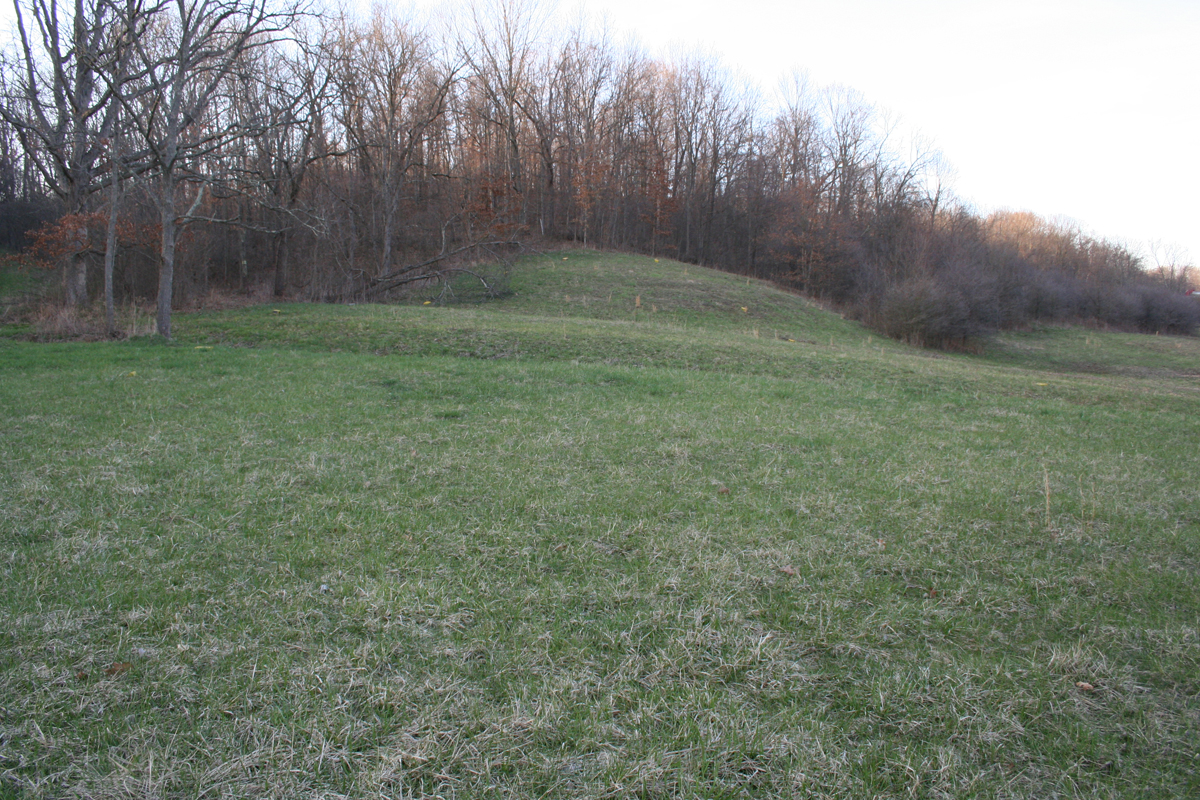
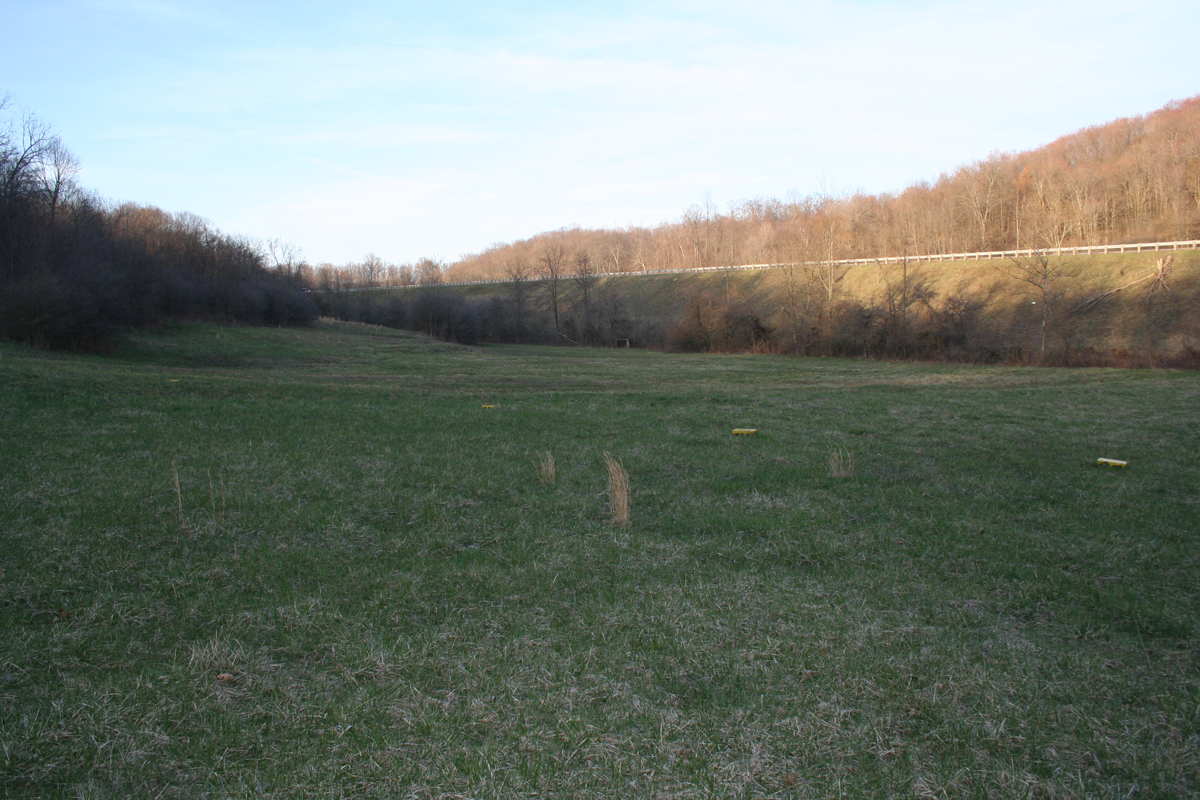
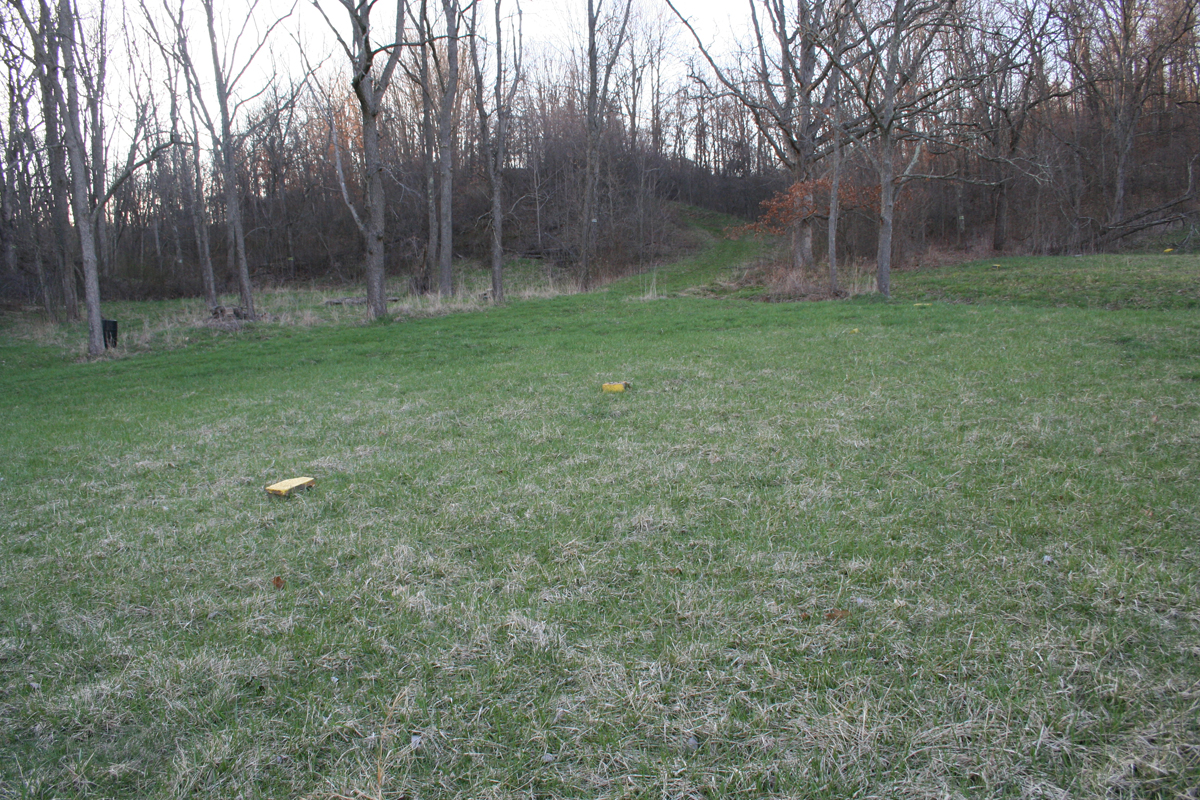
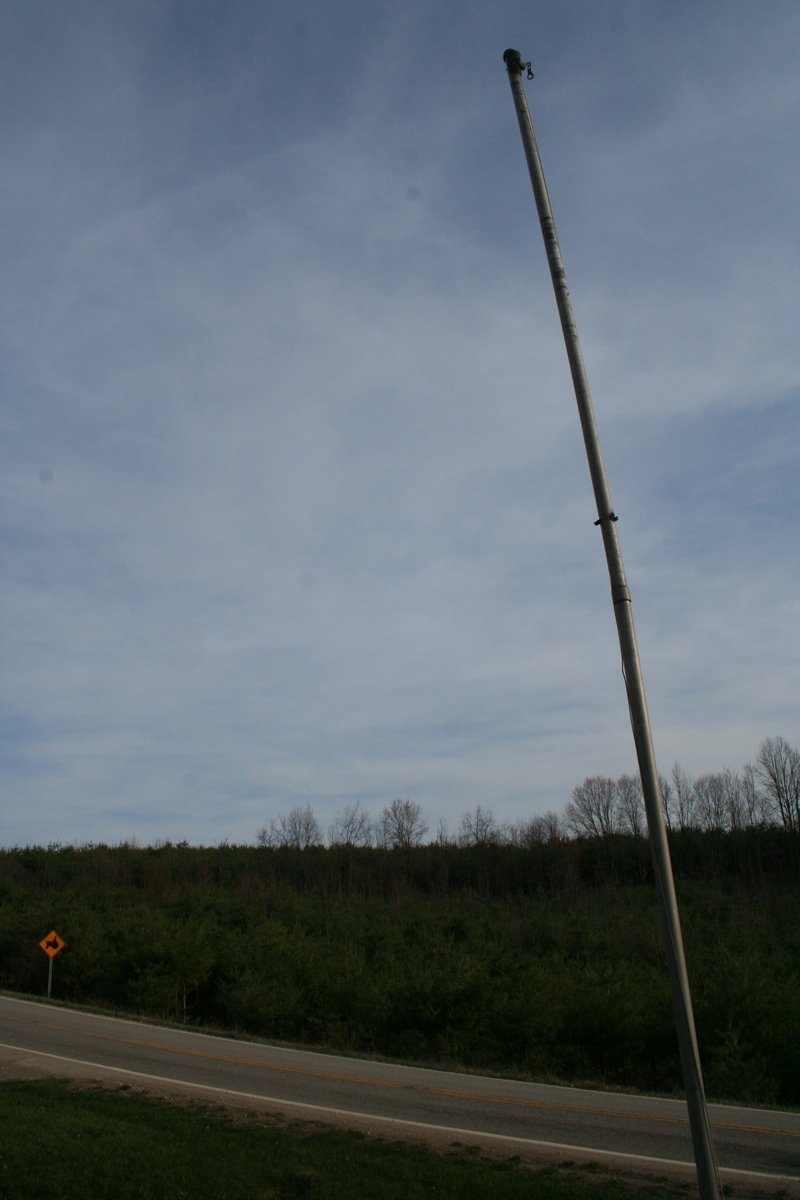
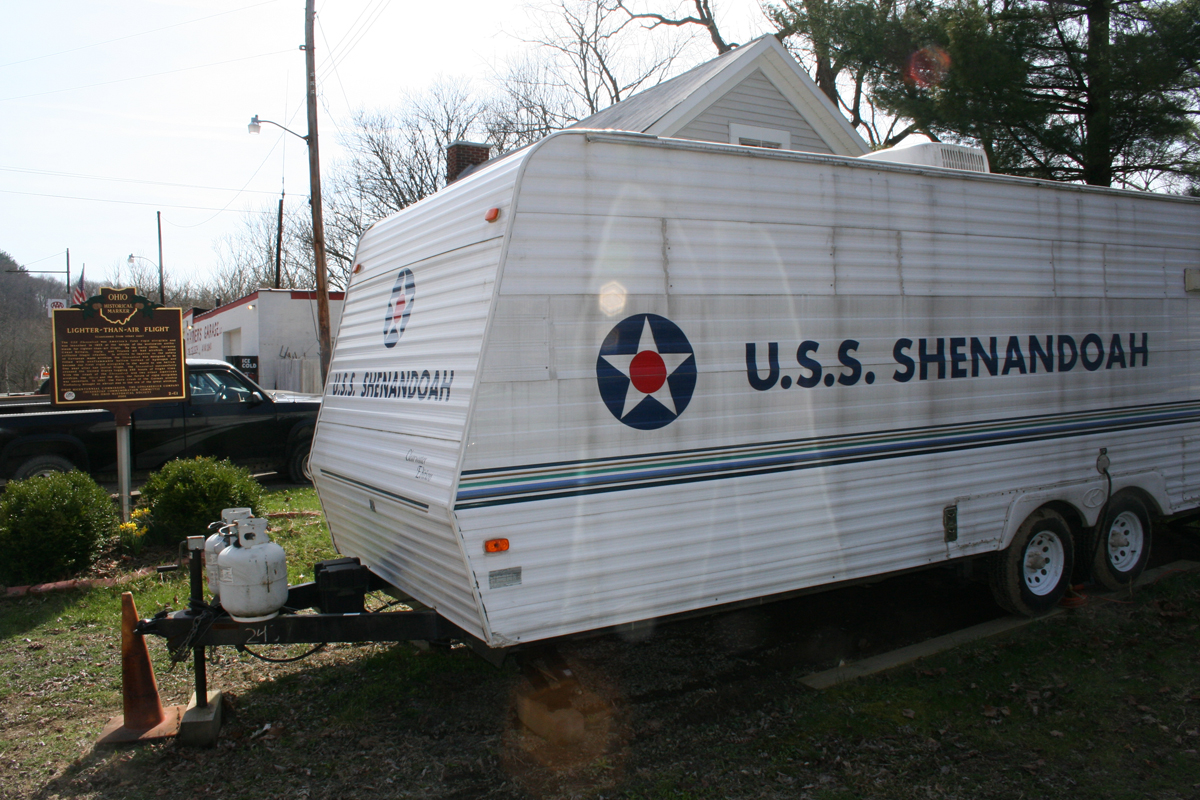
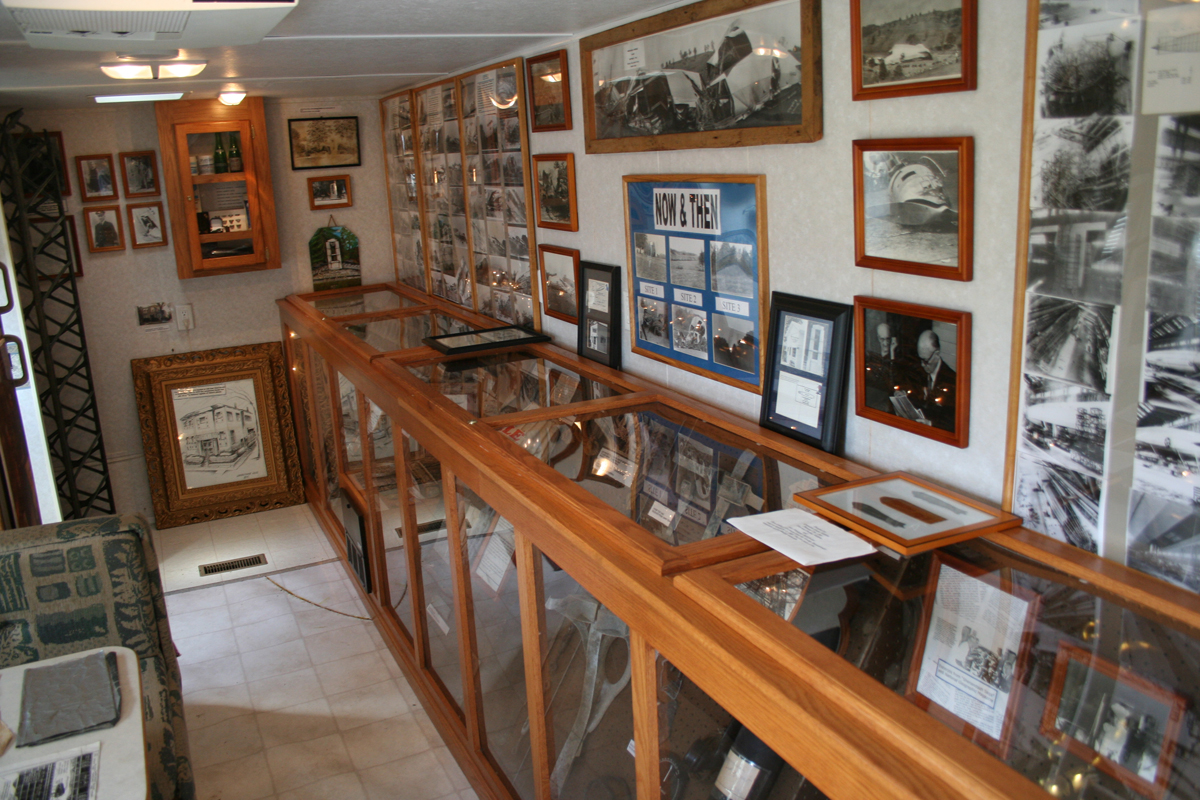
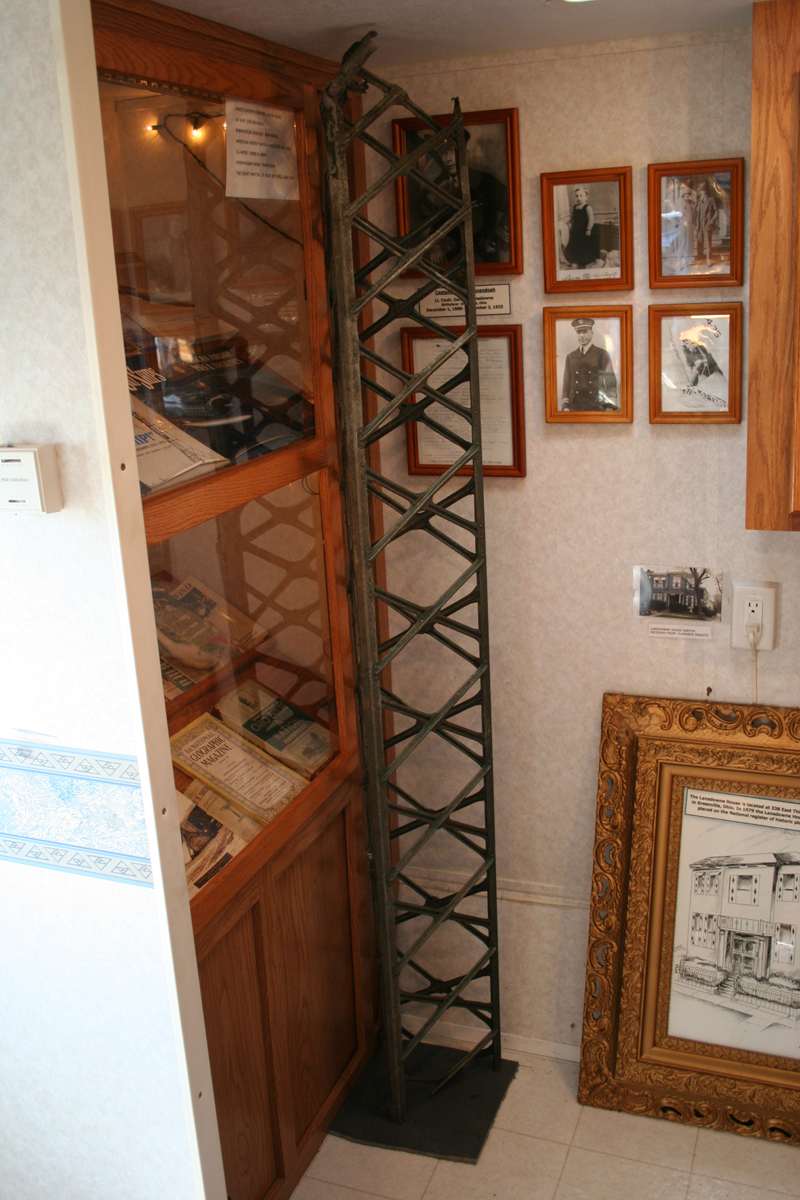
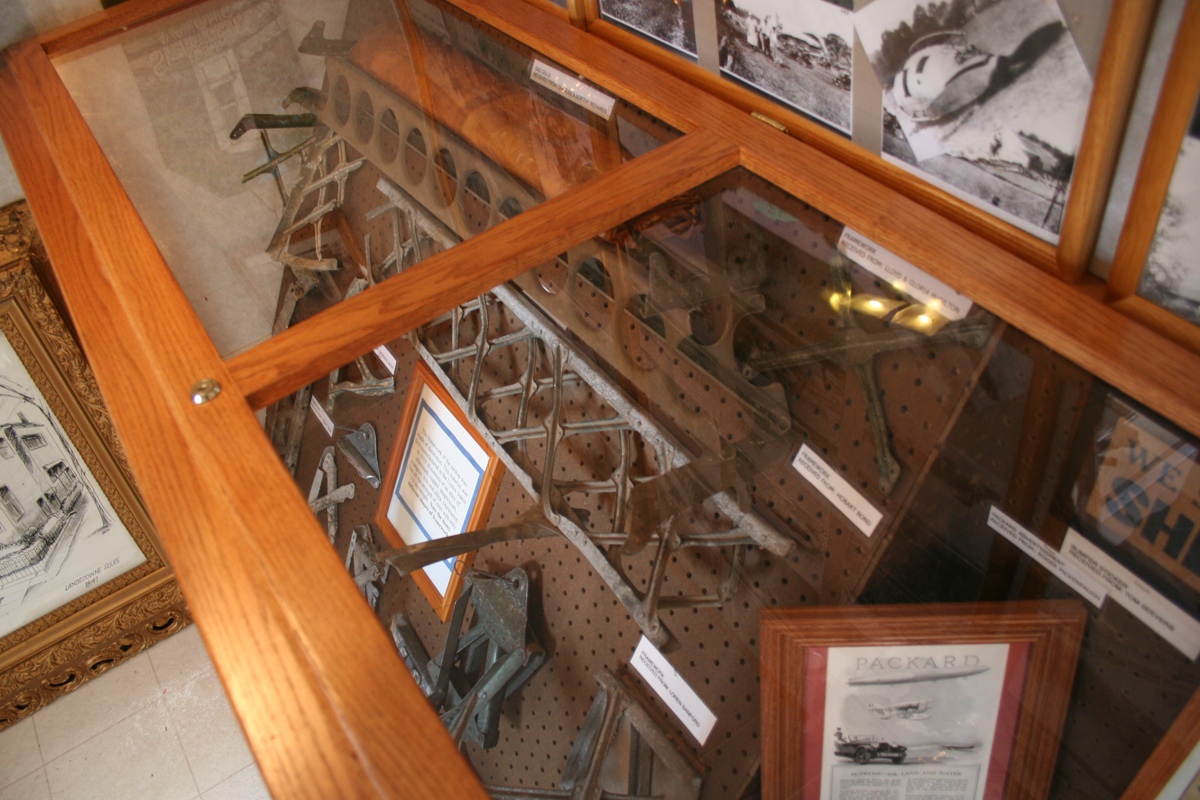
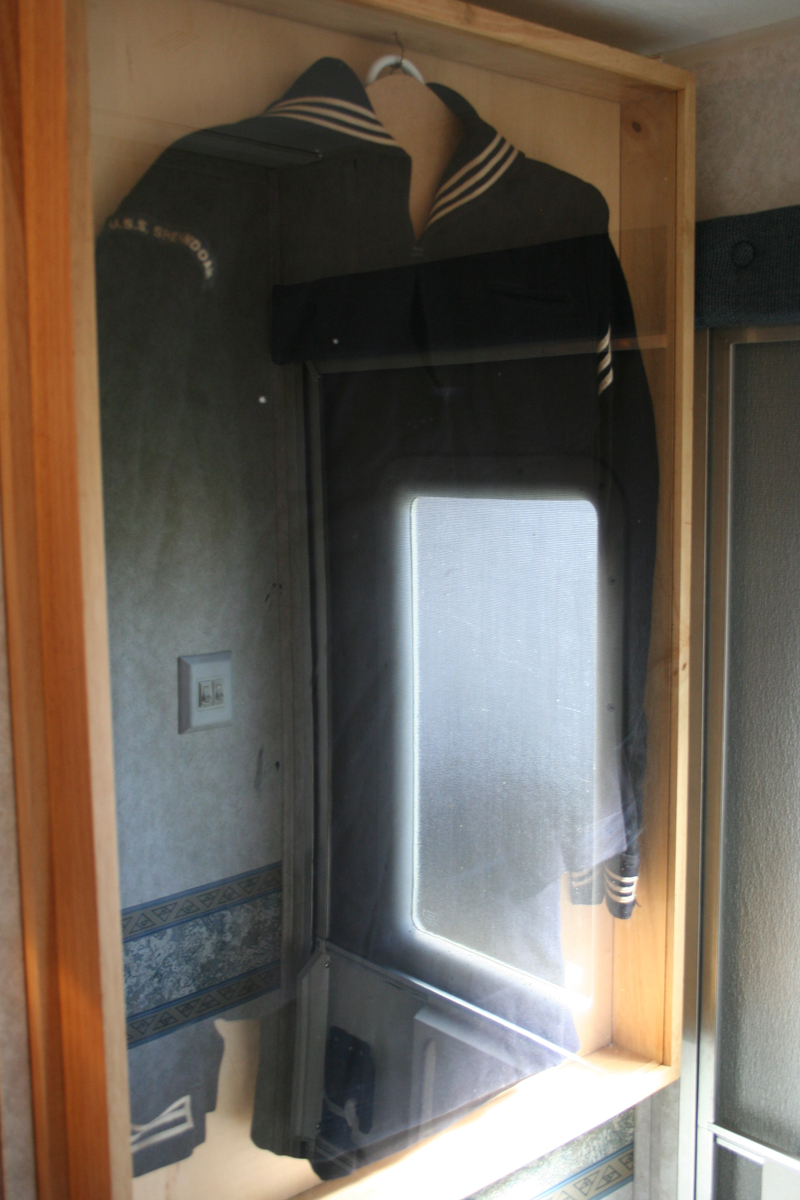
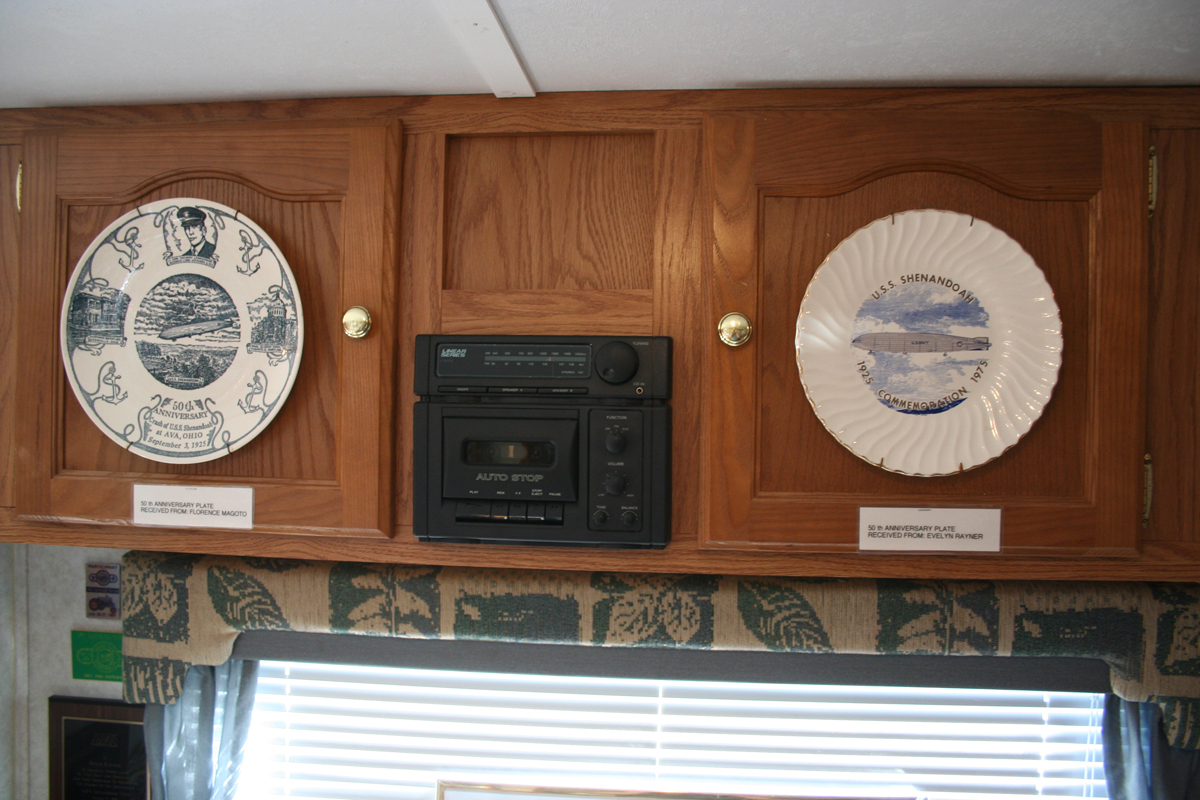
America was shocked by the crash of the USS Shenandoah. In September 1925, musicians Vernon Dalhart and Carson Robison wrote a ballad describing the disaster. They published the song under the pen name Maggie Andrews and released a recorded version of the song sang by tenor Guy Massey. However, the song was suppressed when family members of those lost in the crash complained. You can listen to the entire song below. The federal government erected a memorial made of stone and bronze at crash site two in 1937. Due to the remote location of the memorial, the residents of Ava later moved it to a more convenient location along State Route 821. Each of the three wreckage sites are marked by a large sign and US flag. Ohio historical markers were placed near the intersection of County Highway 12 and State Route 821, and at two nearby rest areas along Interstate 77. A private museum dedicated to the memory of the USS Shenandoah is usually parked outside Rayner’s Garage on the south side of Ava. The small museum includes photos of the wreckage, various pieces of the Shenandoah, memorial plates and other interesting items.
Thanks goes to Bryan Rayner, proprietor of the museum, for helping us locate all three wreckage locations.
Location Information: Public Access
The USS Shenandoah crash sites are near the small villages of Ava and Sharon; Noble County.
Photographs
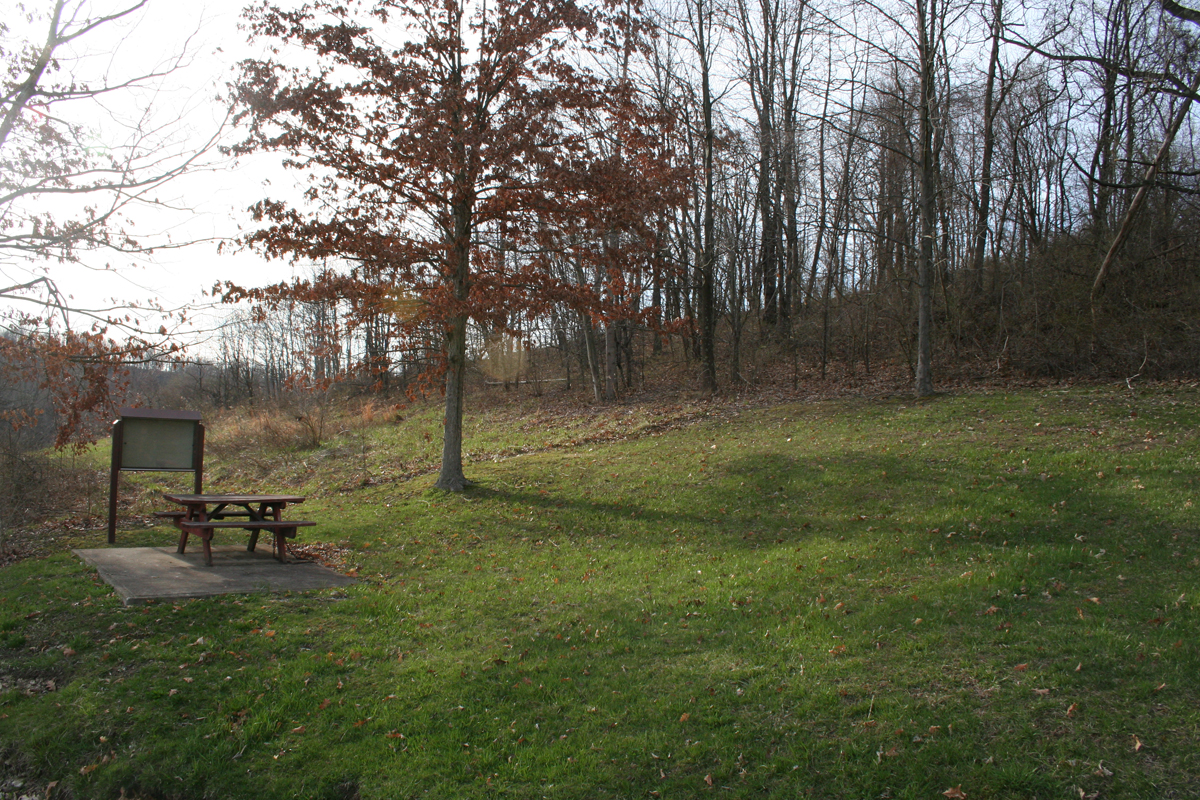
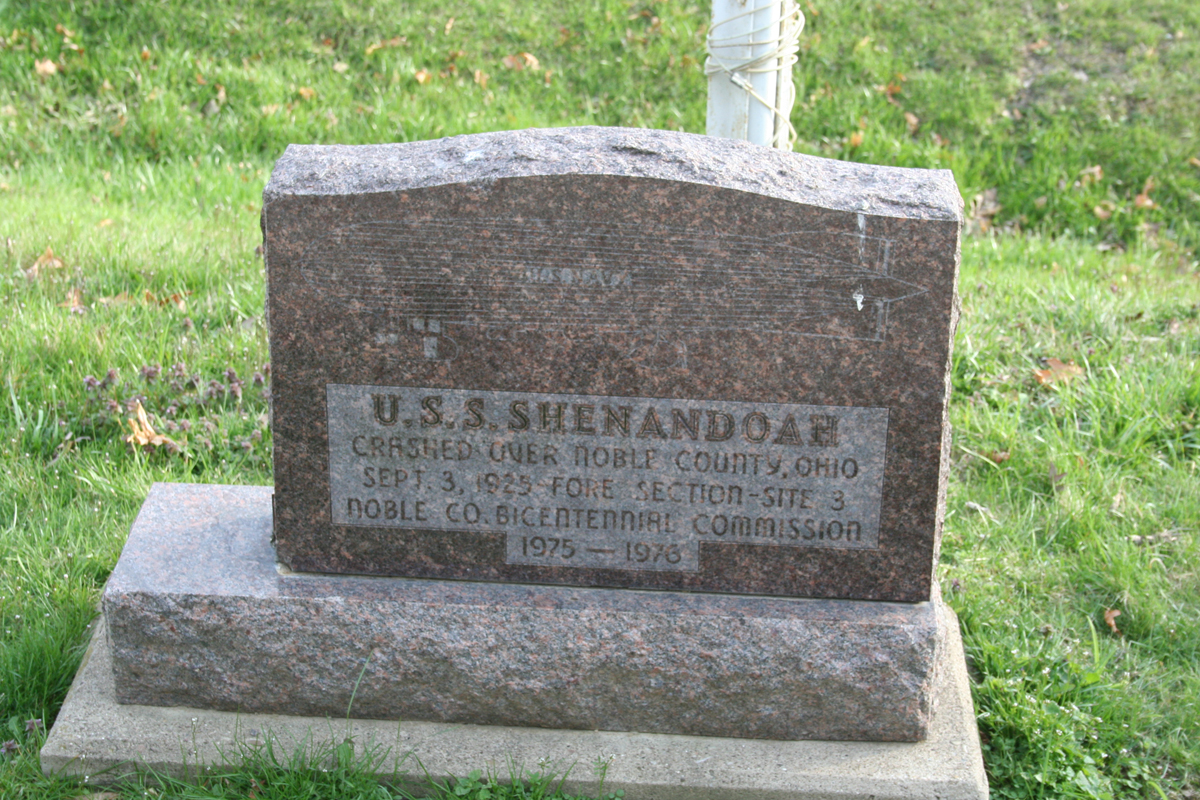
Wreck of the Shenandoah
| Guy Massey – Wreck of the Shenandoah: The crash of the USS Shenandoah inspired Vernon Dalhart and Carson Robison to write a disaster ballad. They published the song under the pen name Maggie Andrews. This recorded version of the song was sang by Guy Massey in September 1925. The song was later suppressed after family members of those lost in the crash complained. |