

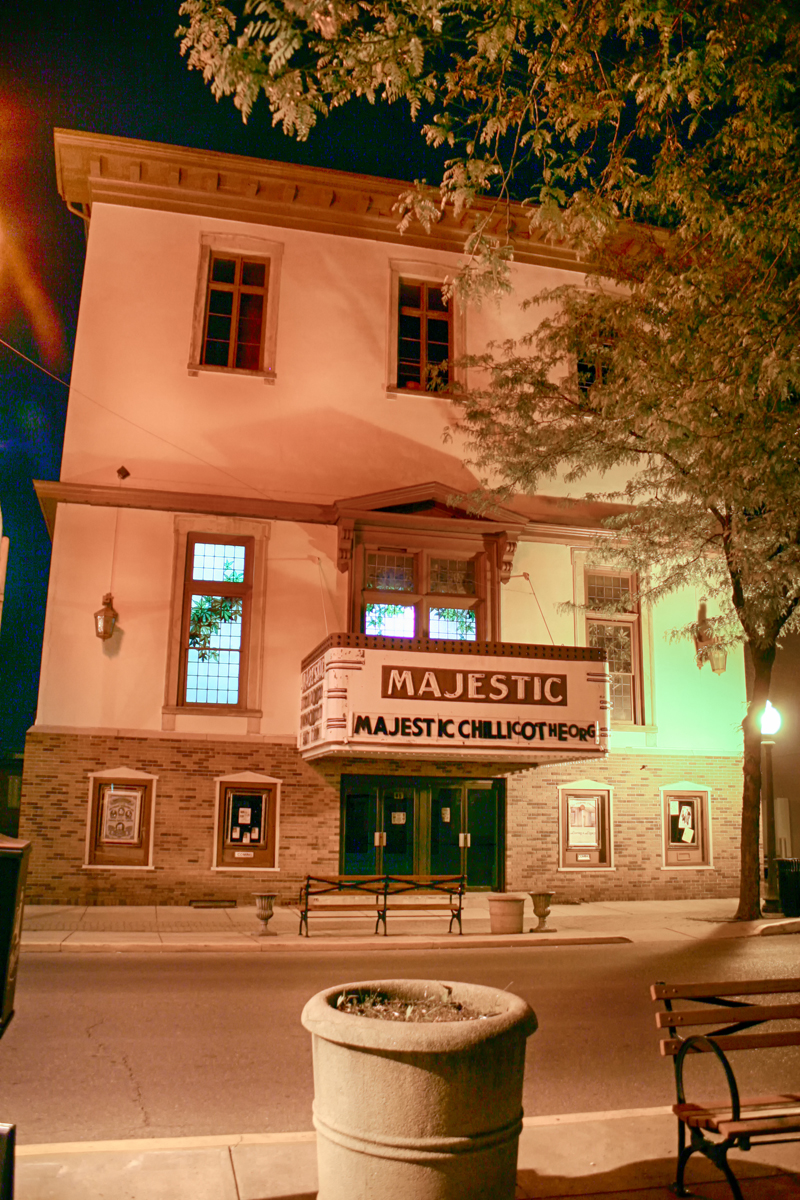
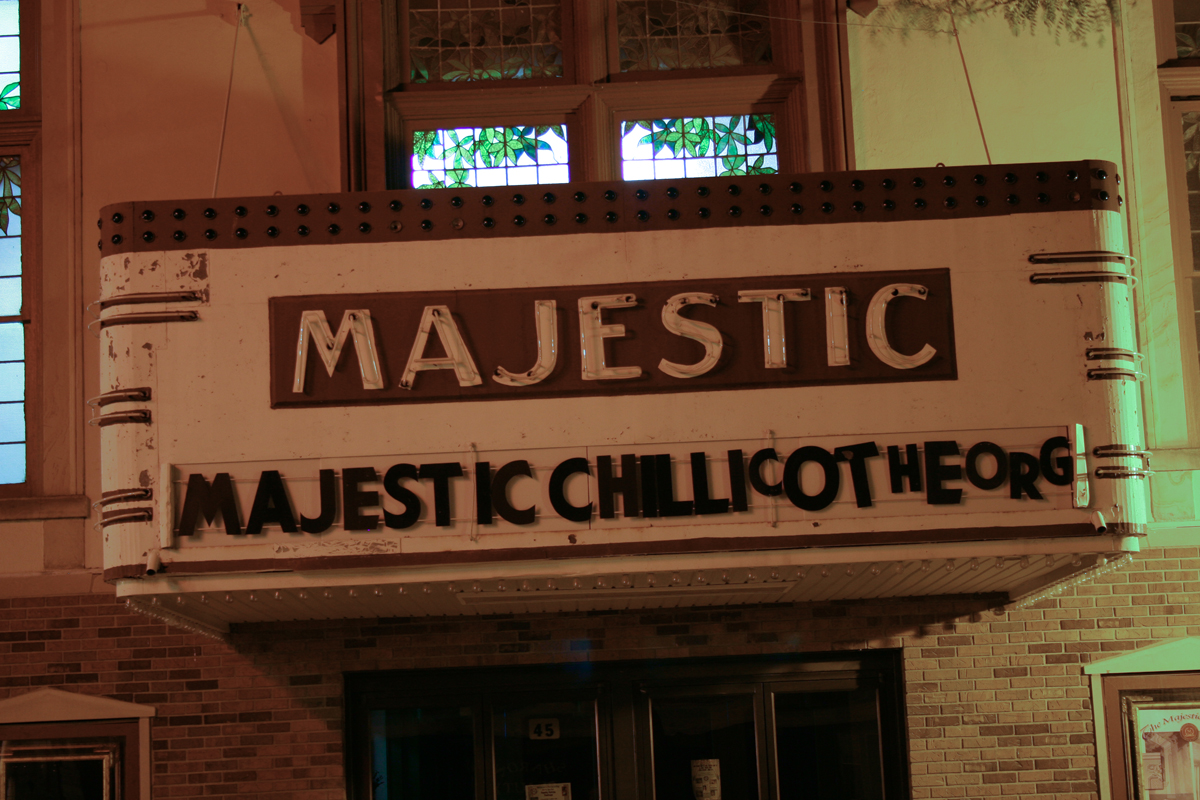
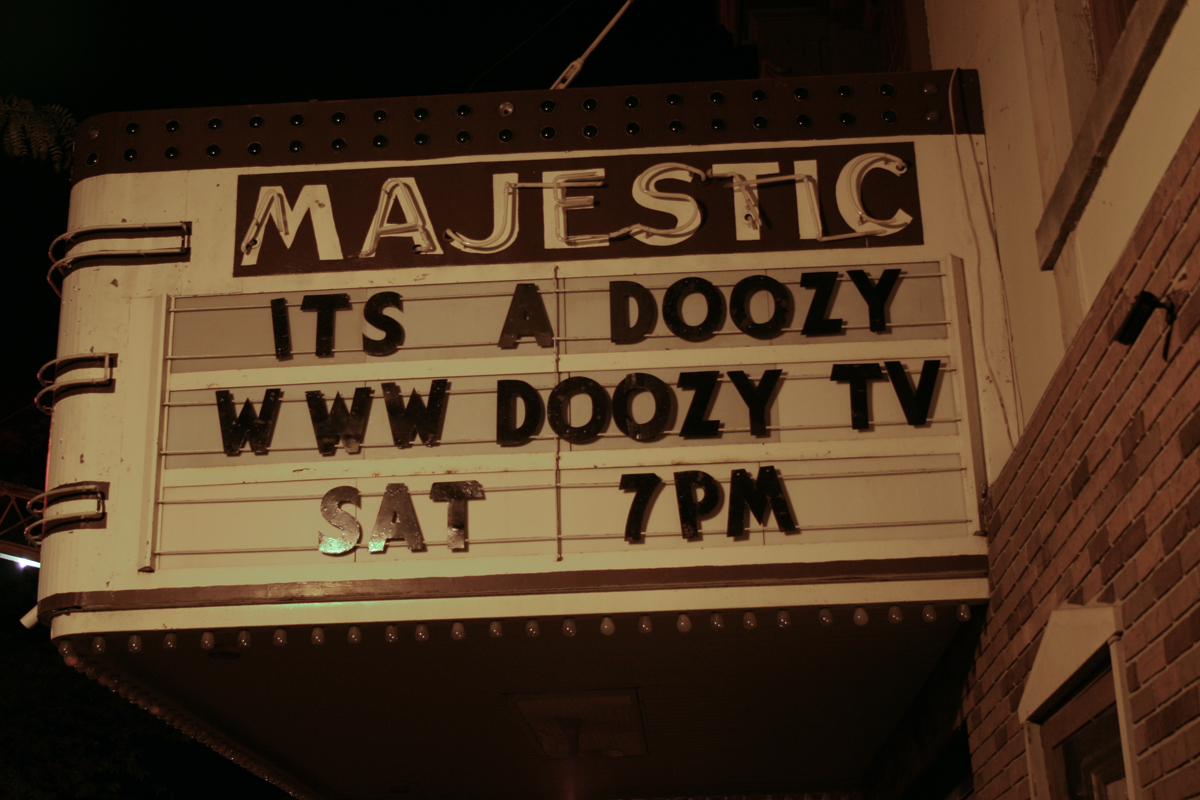
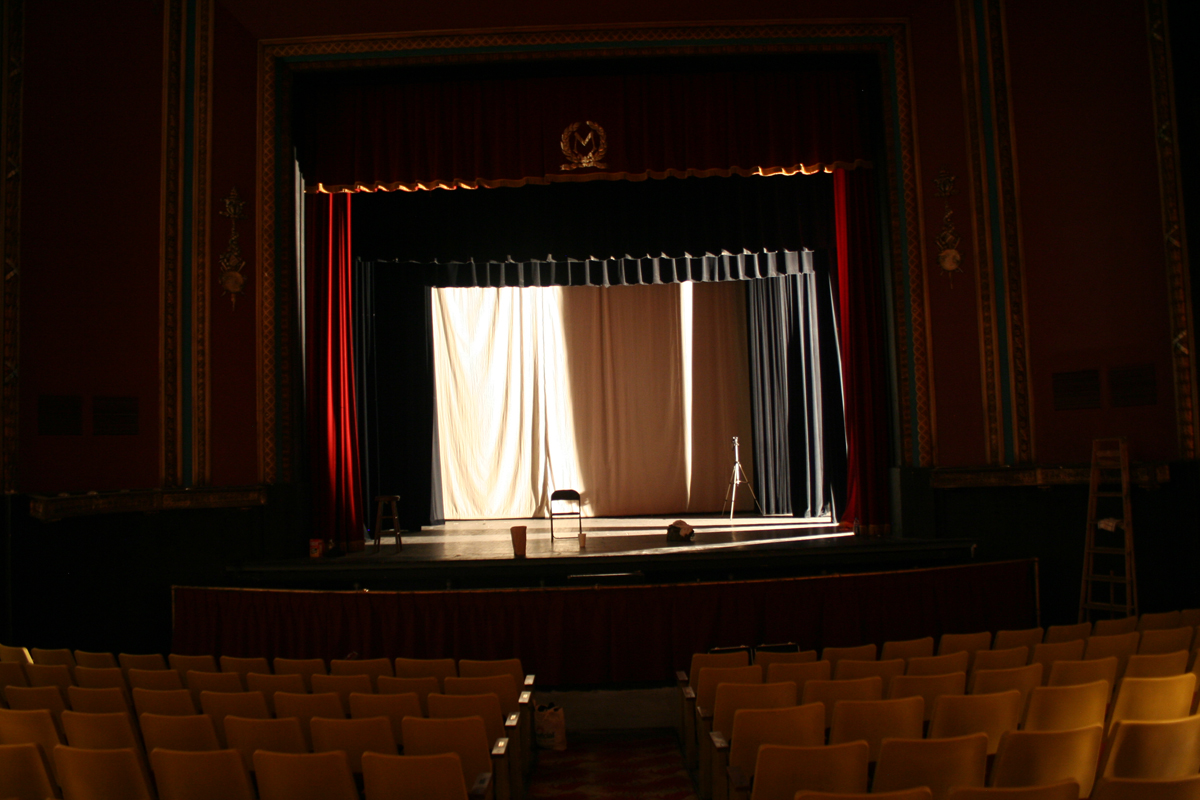
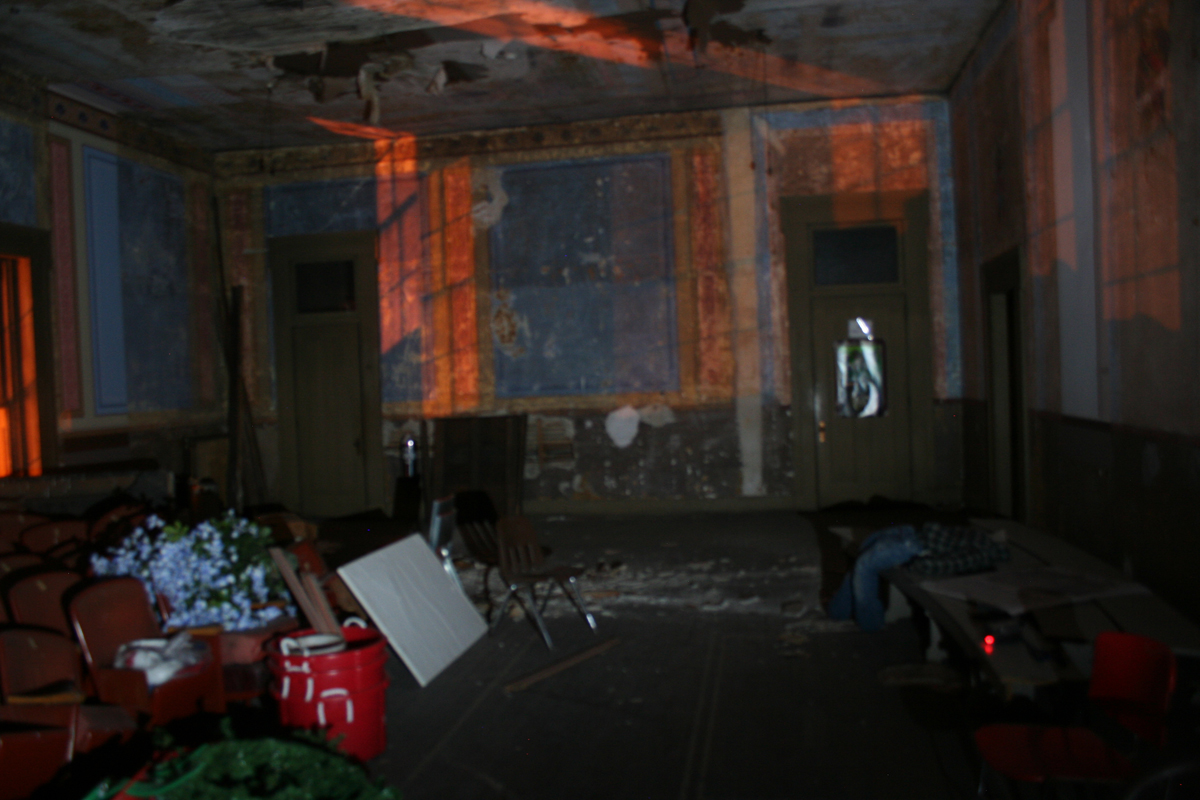
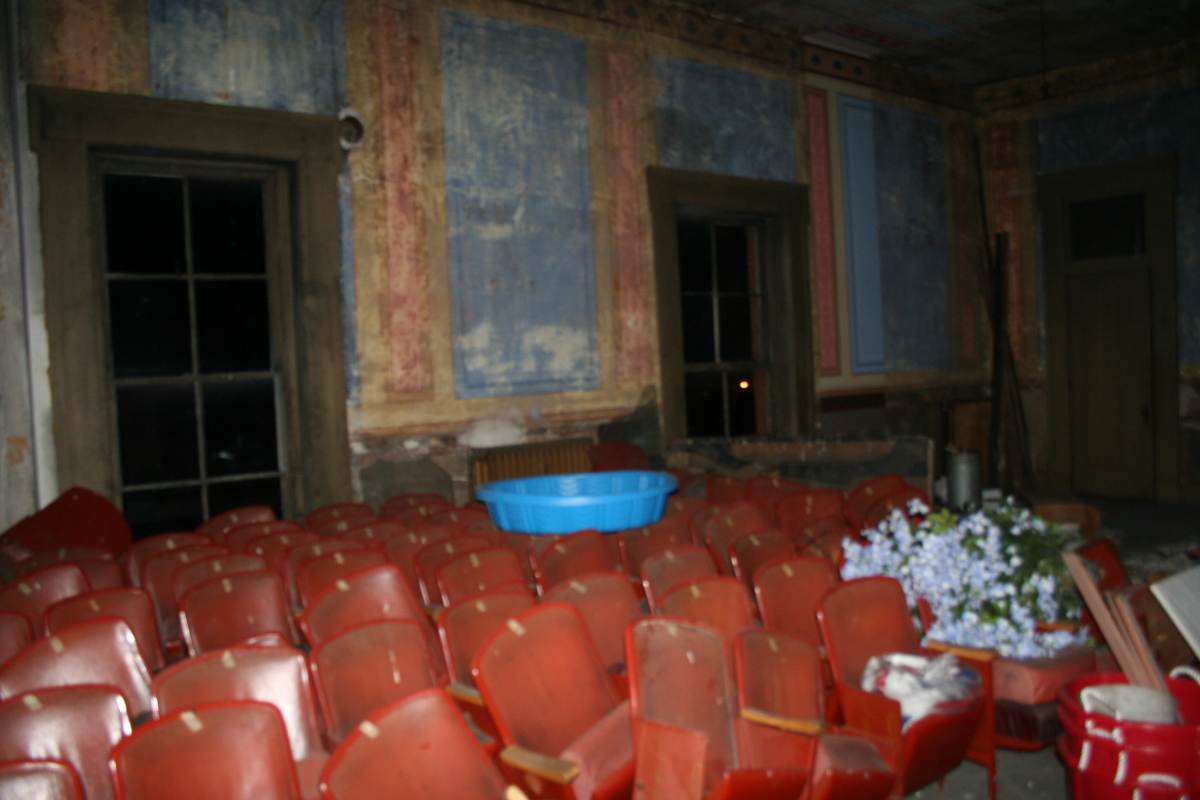
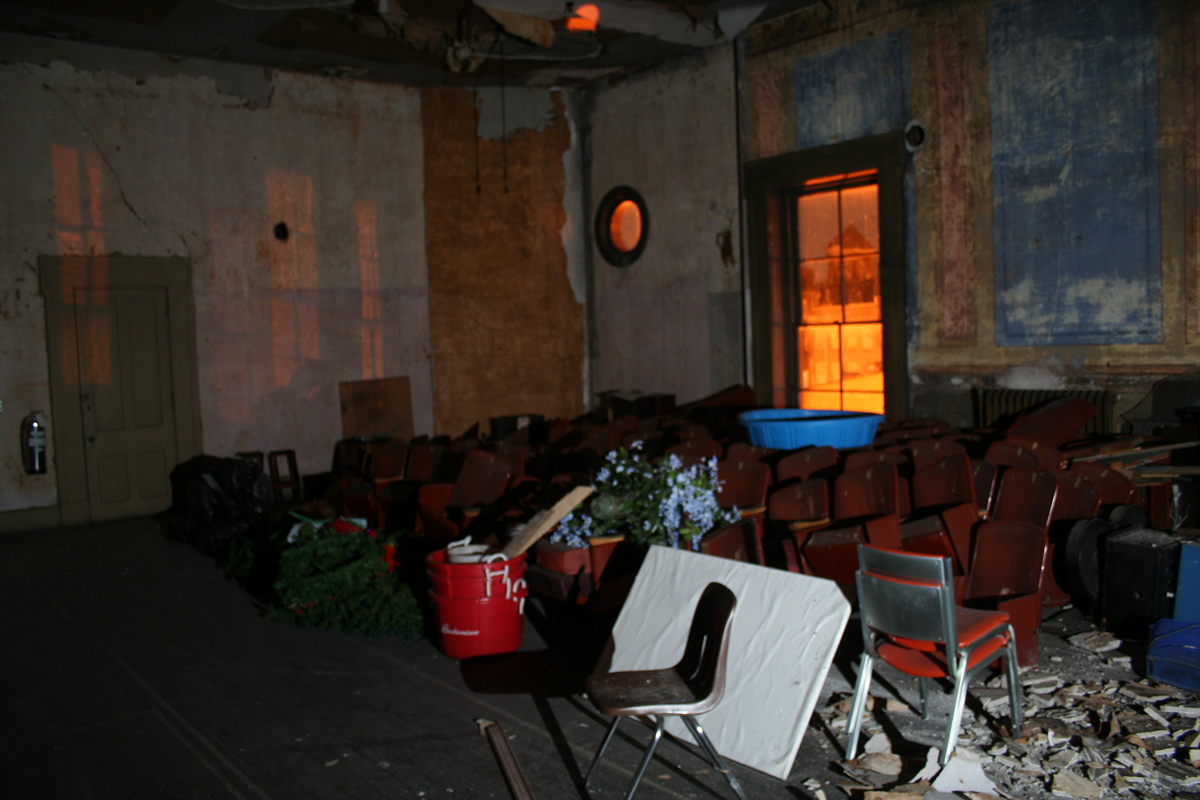
The OES visited Majestic Theatre, also spelled Majestic Theater, on August 11, 2006. Located along Second Street in Chillicothe, the Majestic Theatre in its current form opened its doors in 1876 as the Masonic Opera House. Originally named Masonic Hall in 1853, the building at that time was a two story brick building with a dance hall, theatre, and lodge room. As the building became more popular with stock companies as a place to entertain, the Masons decided to expand the hall, making many improvements and upgrades for the time. Once the renovations were complete, many people considered the theatre one of the finest theatres in the State of Ohio.
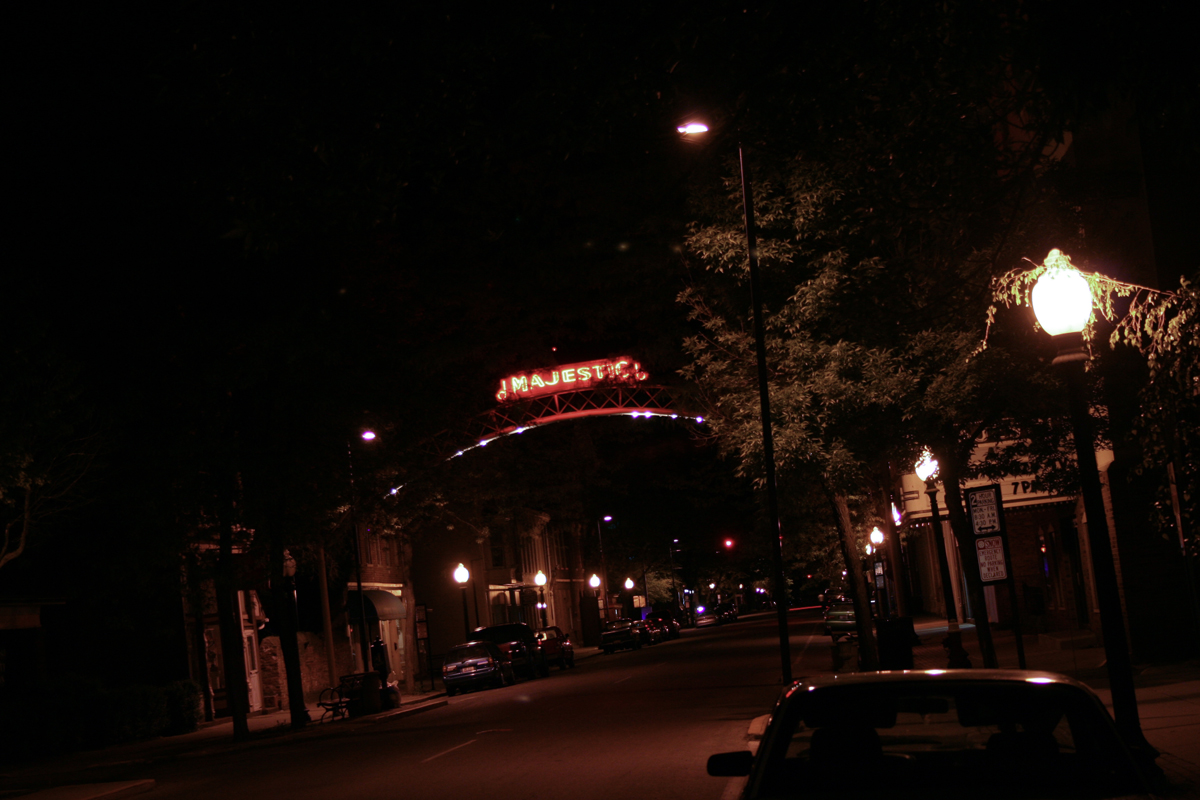
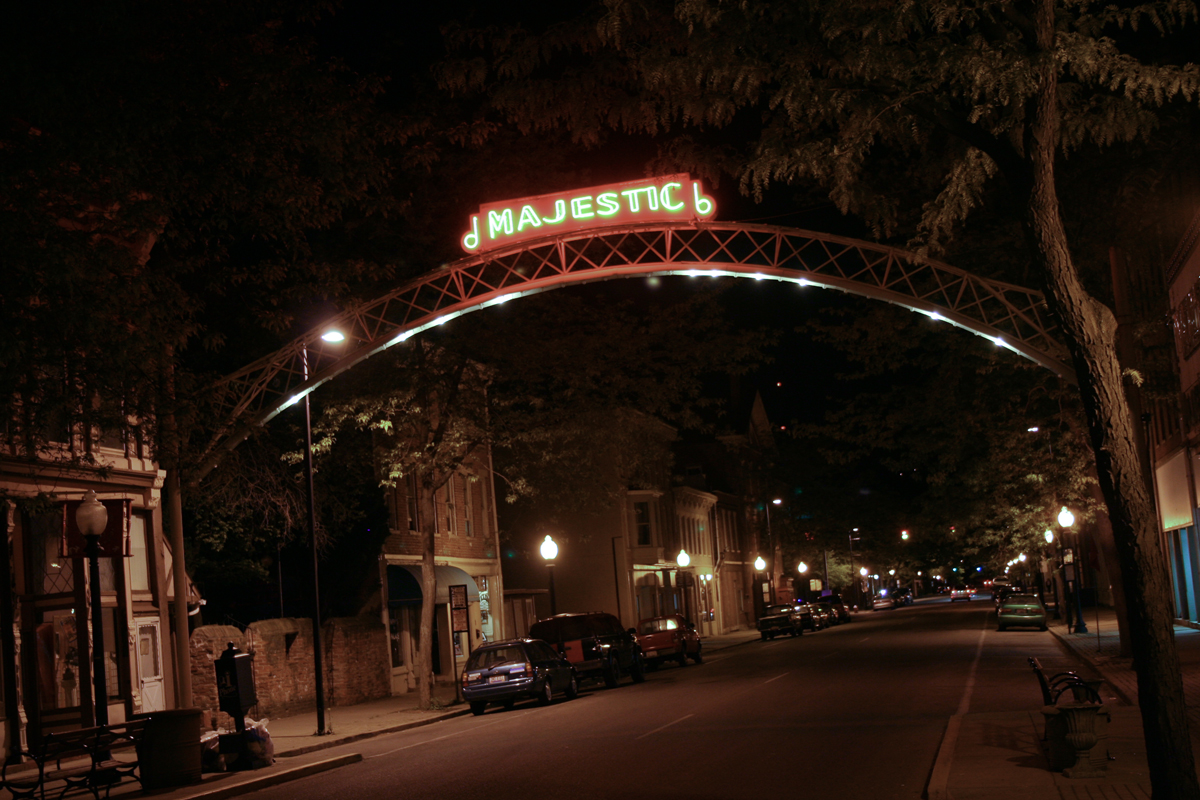
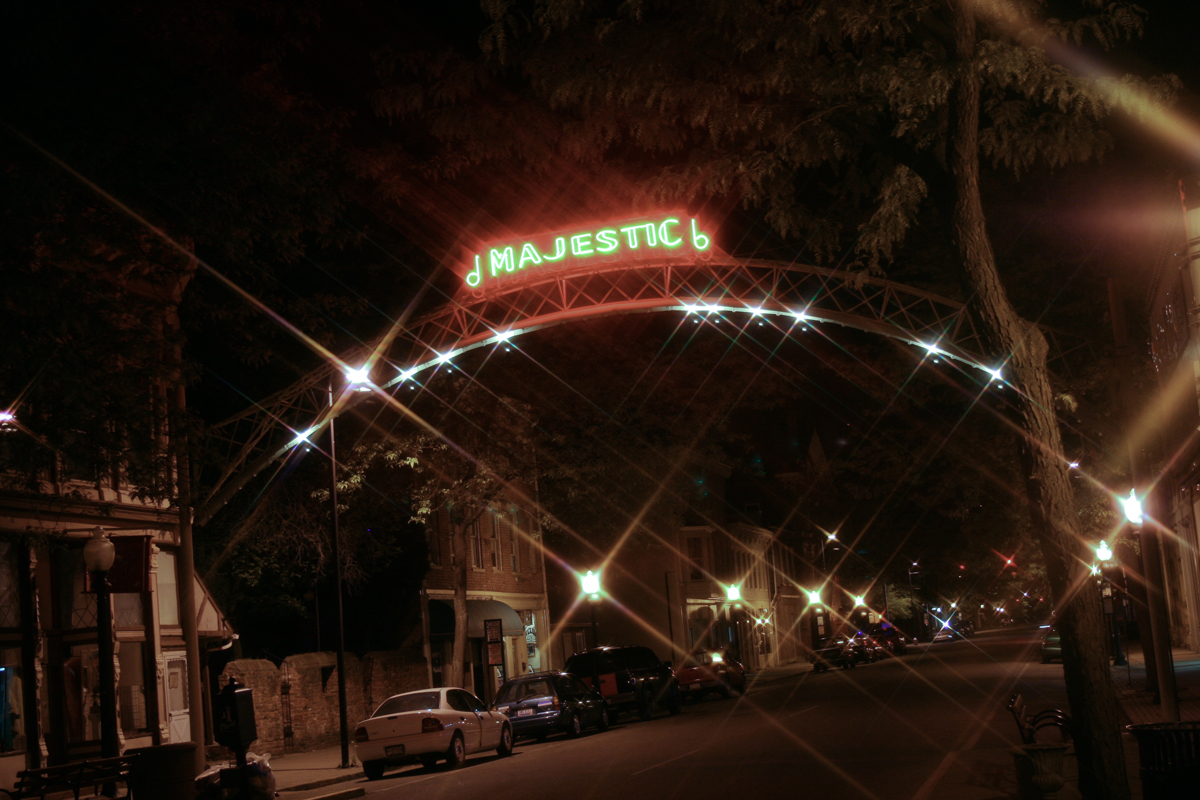
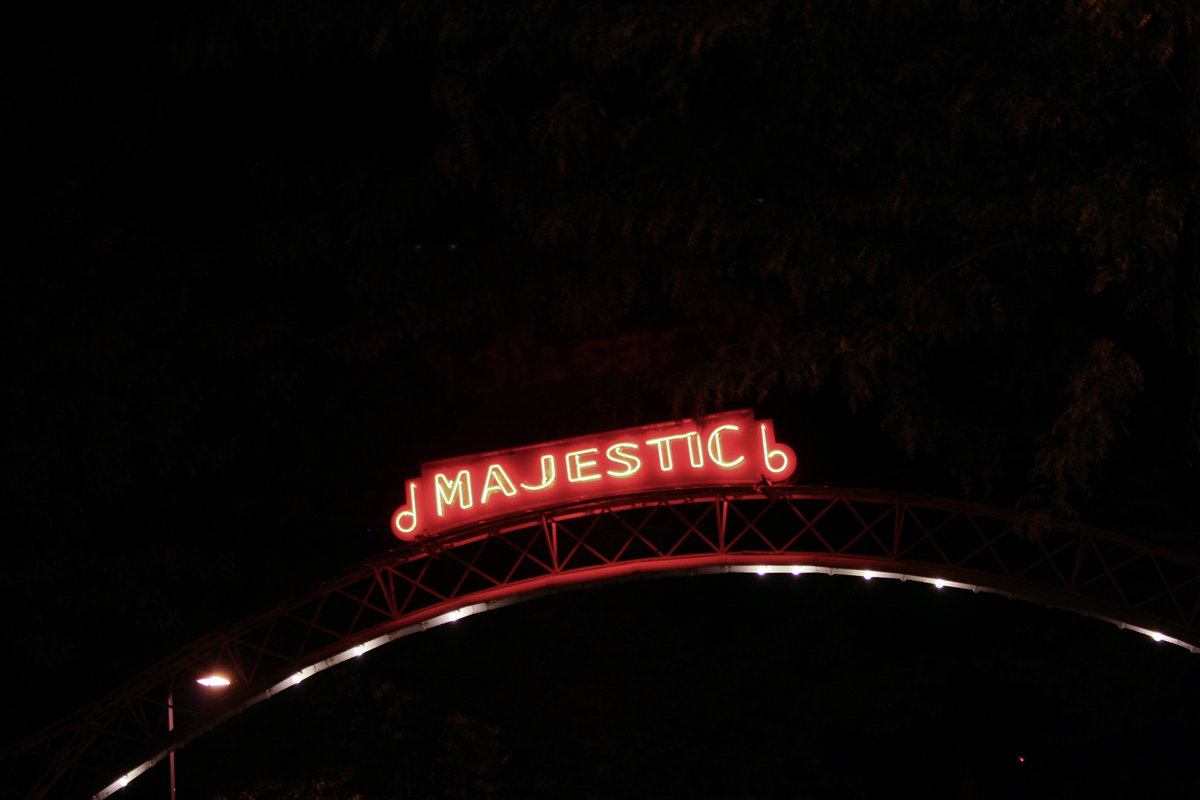
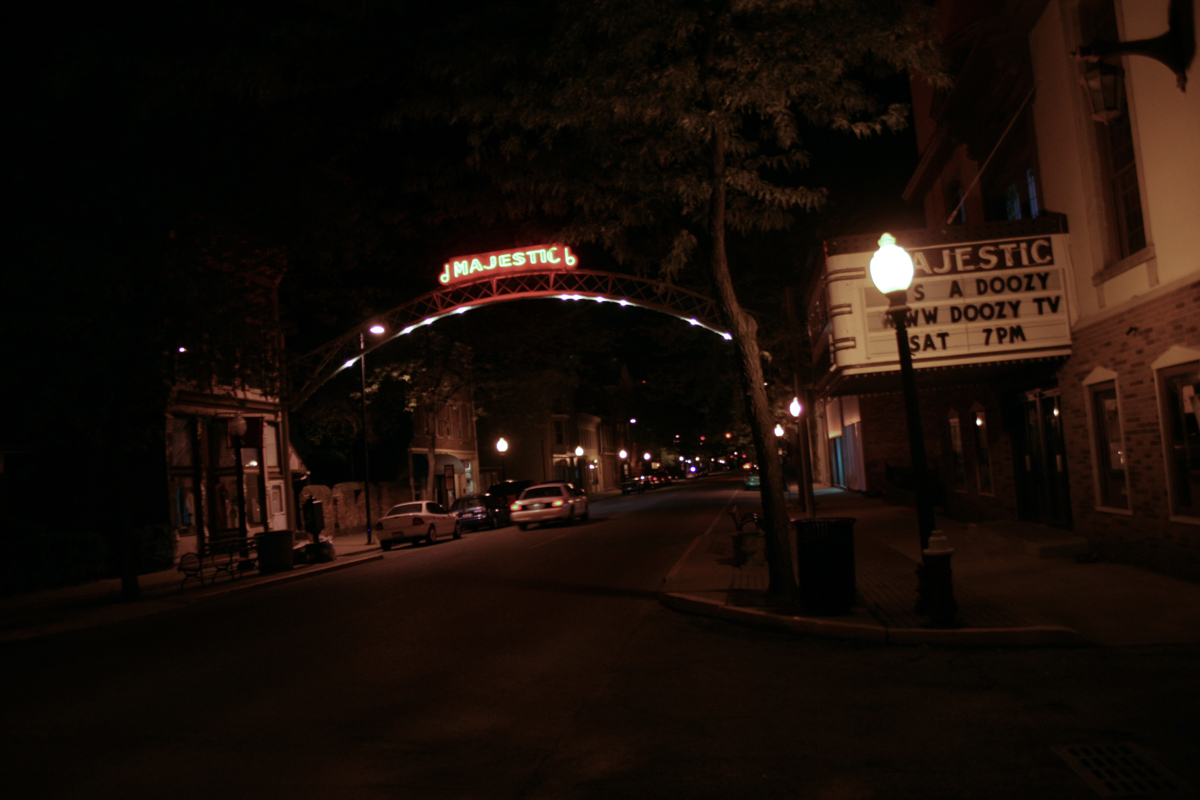
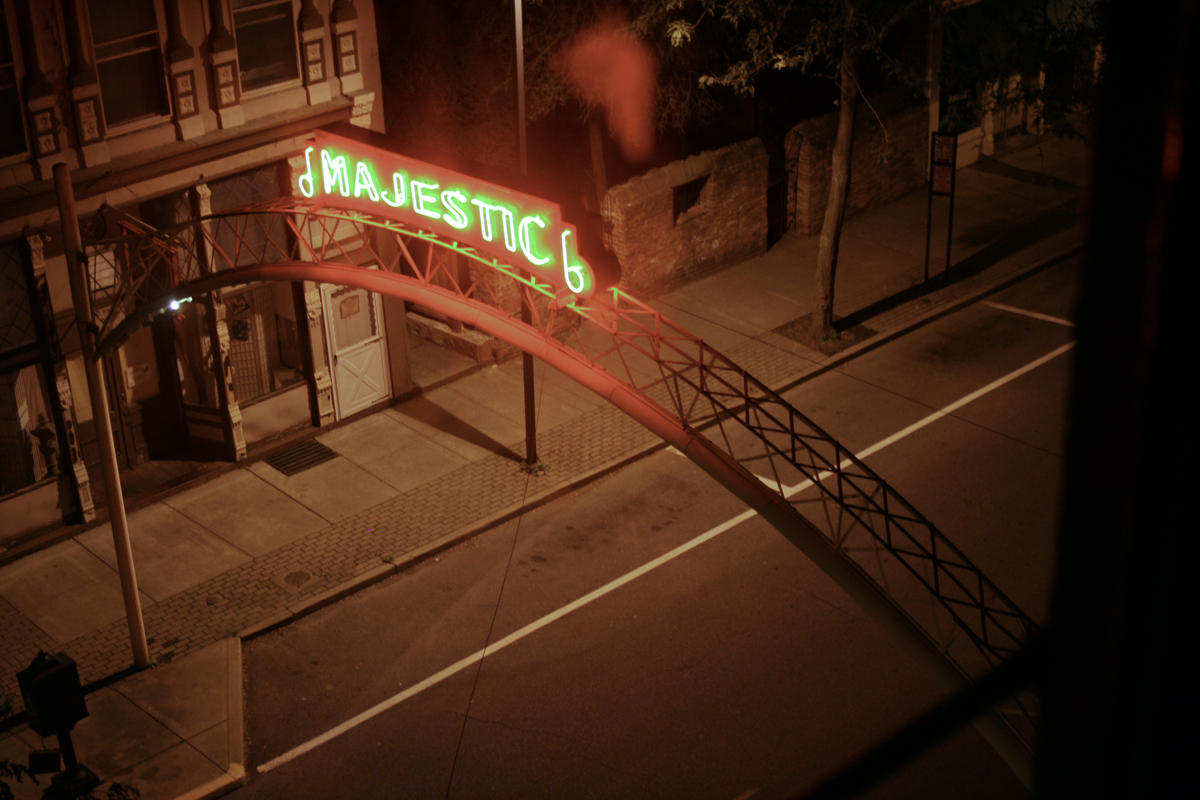
The theatre offered various acts including comedy, drama, minstrel shows and operas. AR Wolf bought the Masonic Opera House from the Masons in 1904 when the Masons decided to build a new facility on Main Street. The theatre was remodeled once again, the stage was enlarged and windows were replaced. In 1907, AR Wolf purchased and installed the arch that spans Second Street and is believed to be the last surviving arch that once spanned across High Street on Columbus. Just eight years later in 1915, the theatre was sold again to the Myers Brothers. They made some improvements, installed a movie screen and equipment, and renamed the building Majestic Theatre. Although the theatre still showed the occasional live show, most of the shows were exclusively motion pictures. Some of the more recognizable names to pass through the Majestic over the years include Milton Berle, Laurel & Hardy, George Arliss, Sophie Tucker, Eddie Foy, and George M. Cohan.
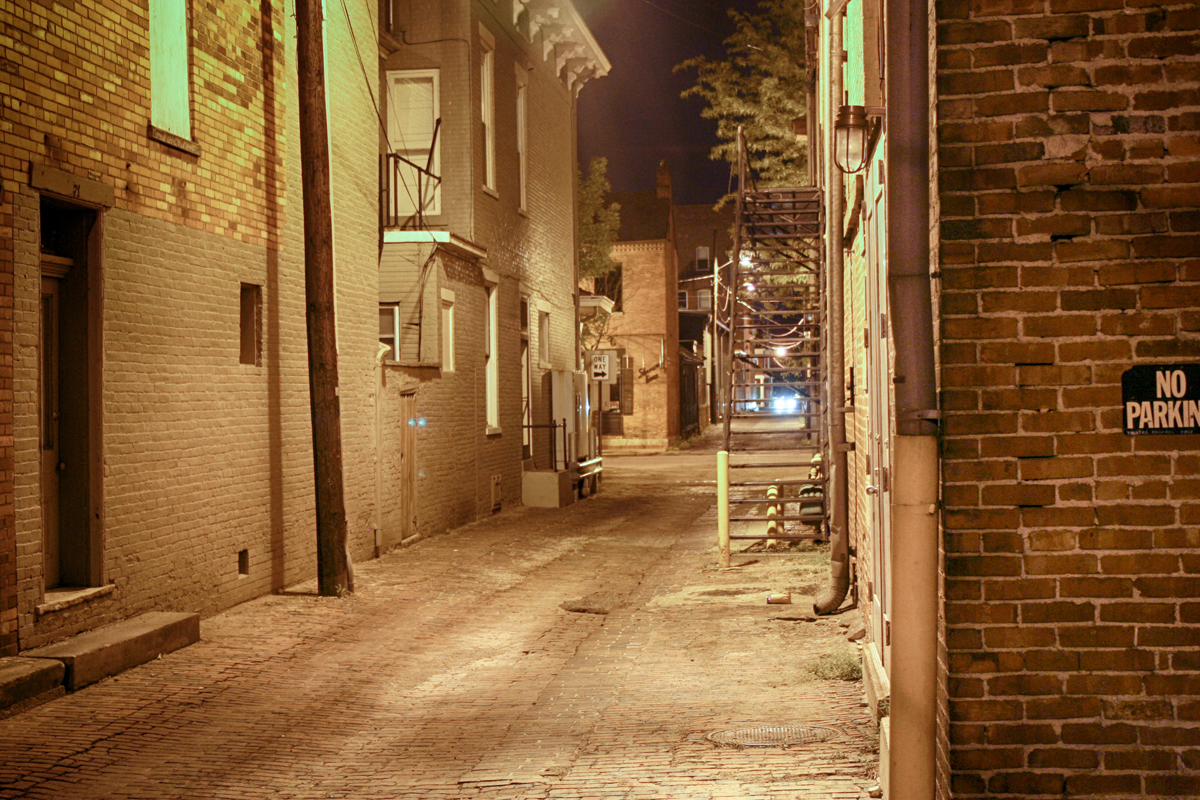
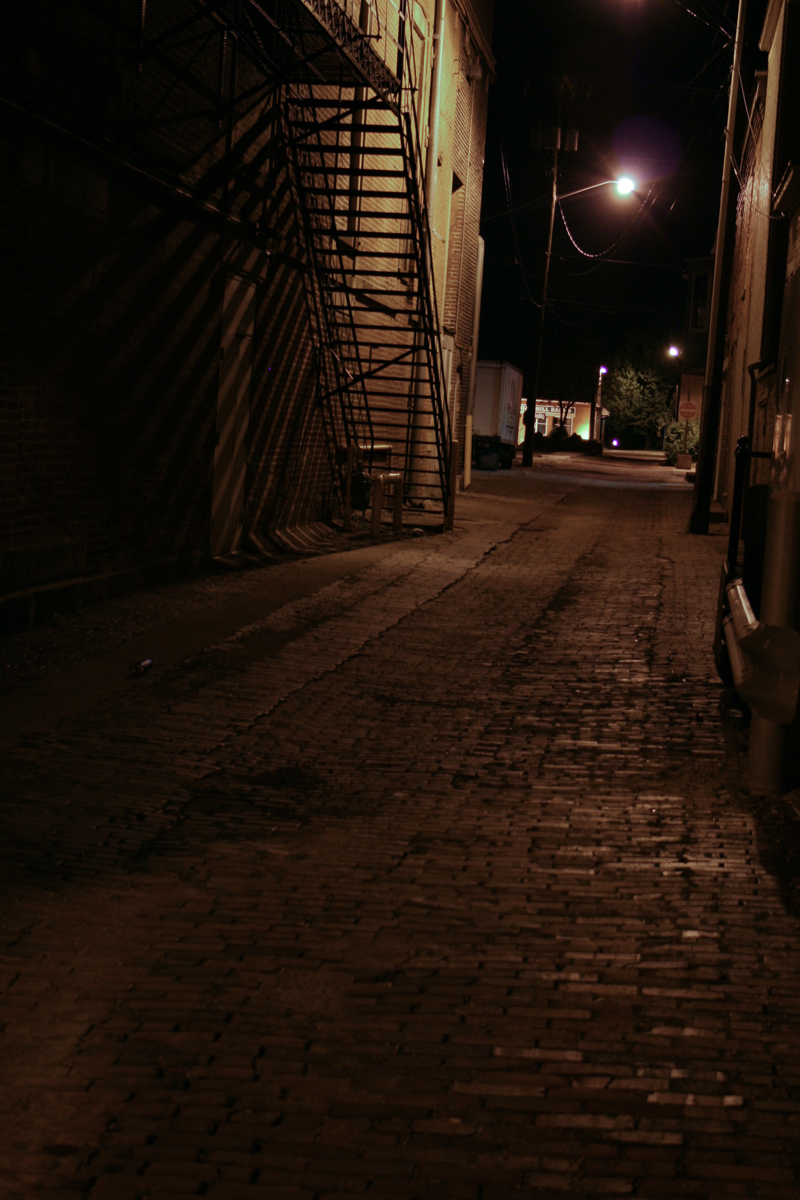
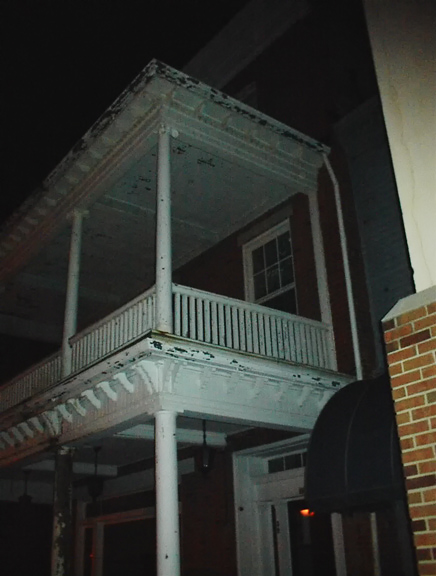
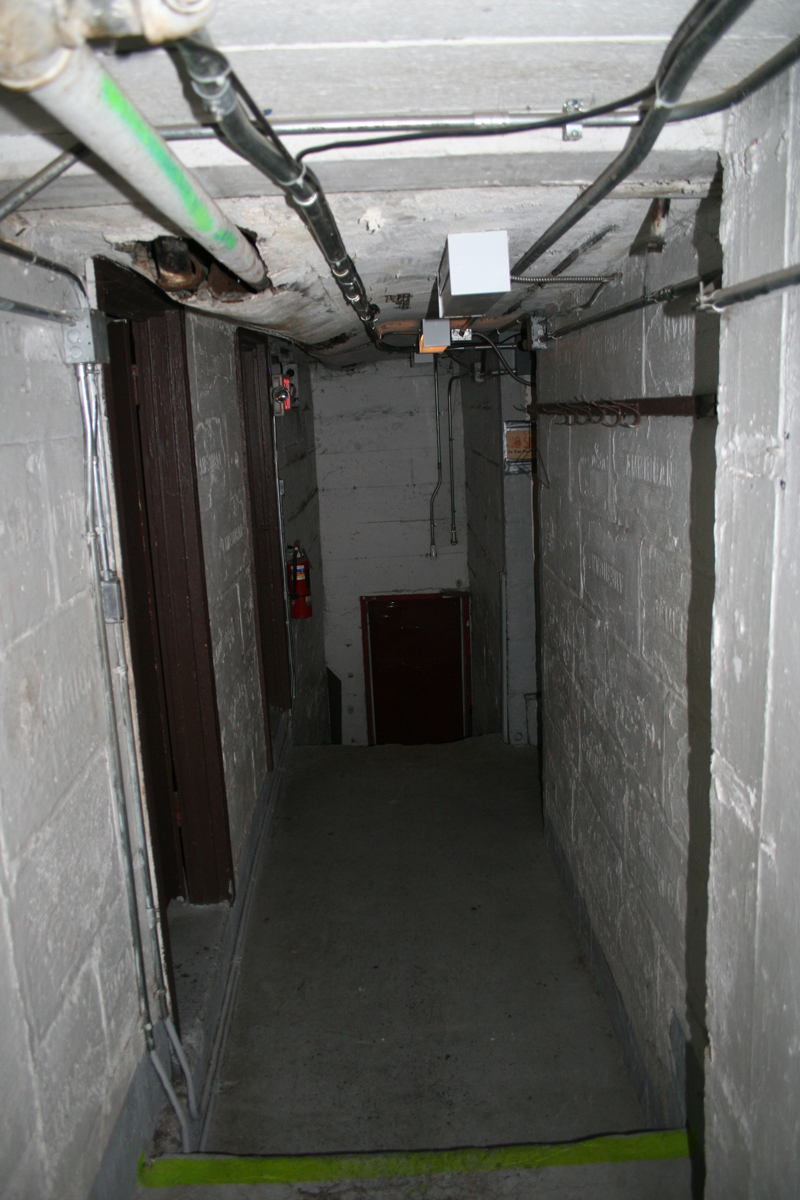
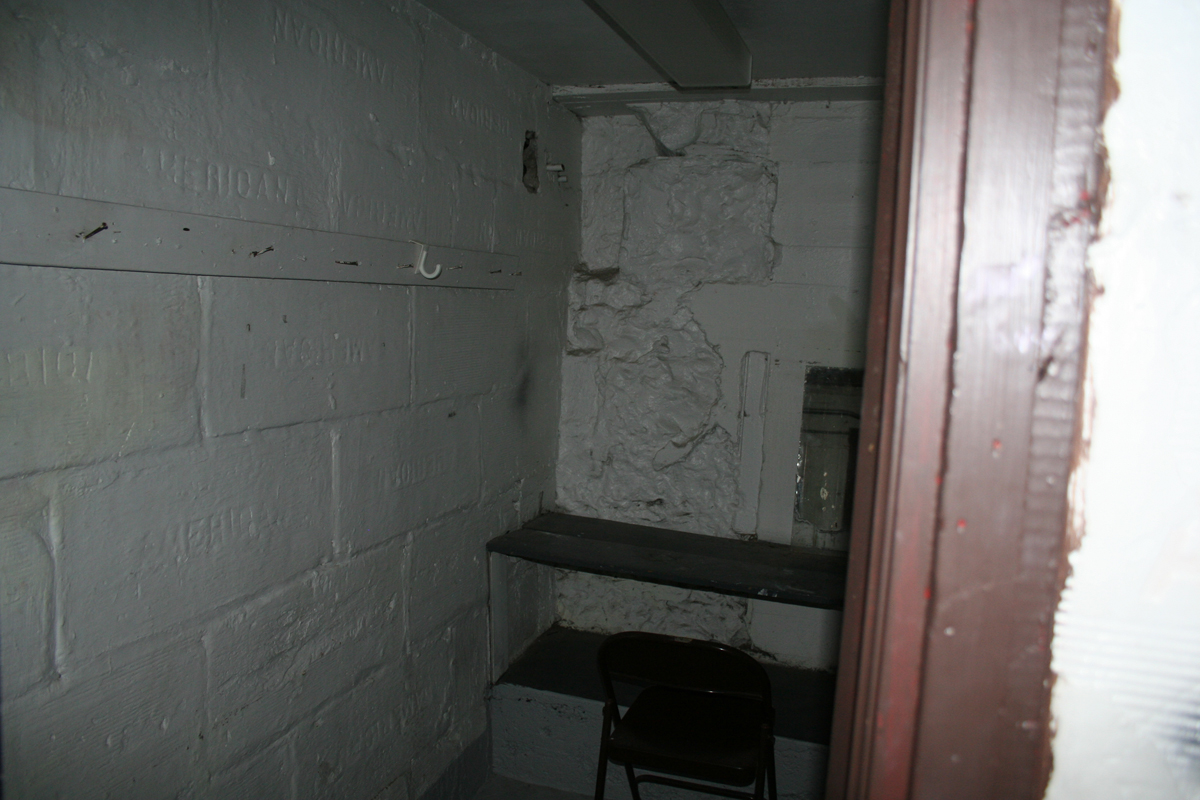
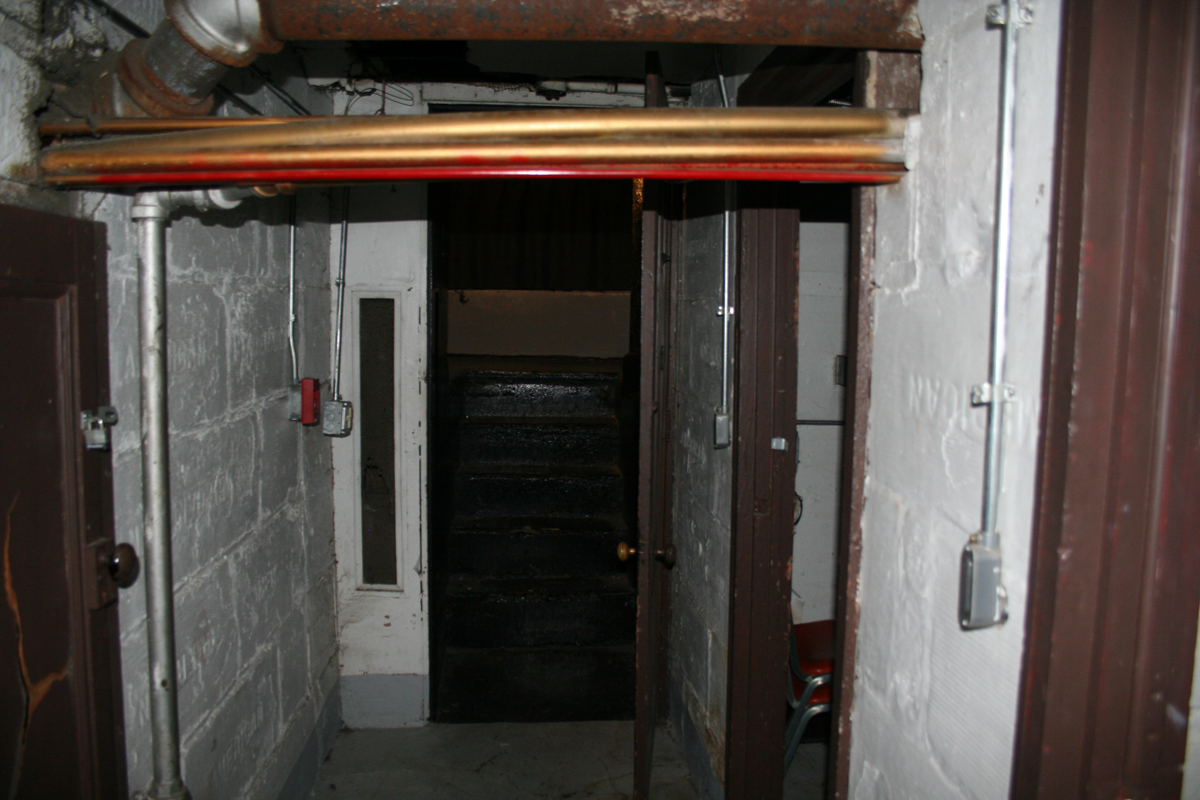
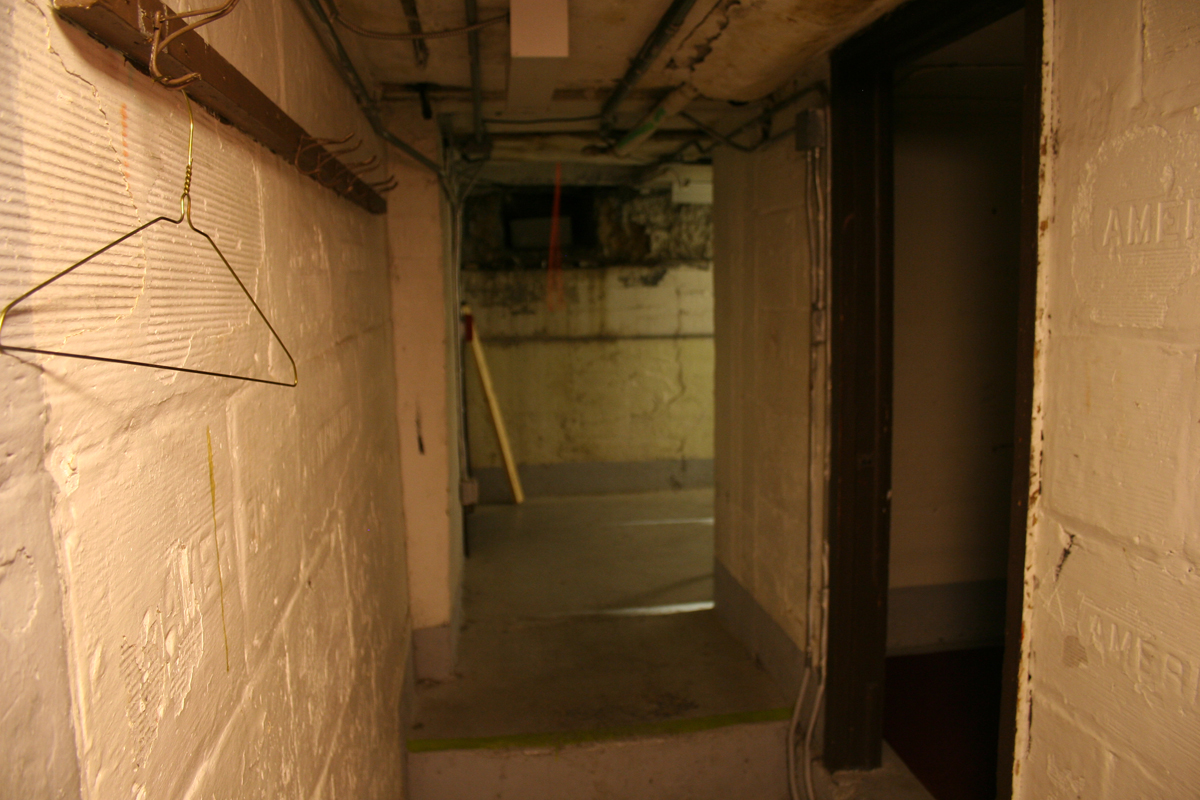
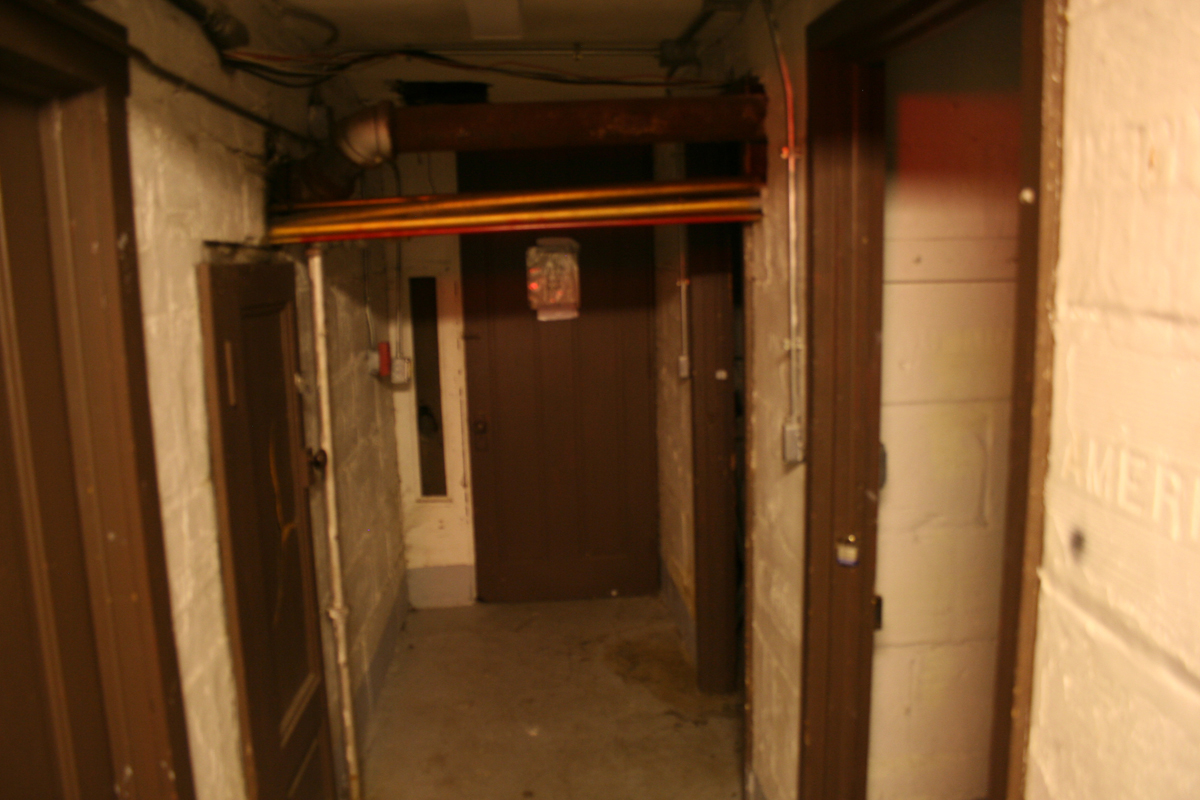
Perhaps one of the most intriguing fact in the Majestic’s history was its use as a temporary morgue in 1918 when the Spanish Influenza swept through the nation. Nearby Camp Sherman was struck particularly hard. Around 1,400 cases of the flu were reported in September. October was much works with around 5,600 cases reported. The town of Chillicothe was quarantined in an attempt to prevent the spread of the flu to the local population. The quarantine was not totally effective and many people outside of Camp Sherman were infected and died. In all, almost 1,200 people from Camp Sherman died as a result of the epidemic. With more bodies than the morgue could handle, the Majestic Theatre was used as a temporary morgue. The bodies were stacked like cordwood in the dressing rooms below the stage until they could be taken onto the stage for embalming. Every now and then, one of the “bodies” would be found alive and rushed to the hospital. Once the bodies made their way to the stage for embalming, the blood and other bodily fluids were drained to Masonic Alley adjacent to the theatre. The alley was nicknamed Bloody Alley, a name that many locals call it today.
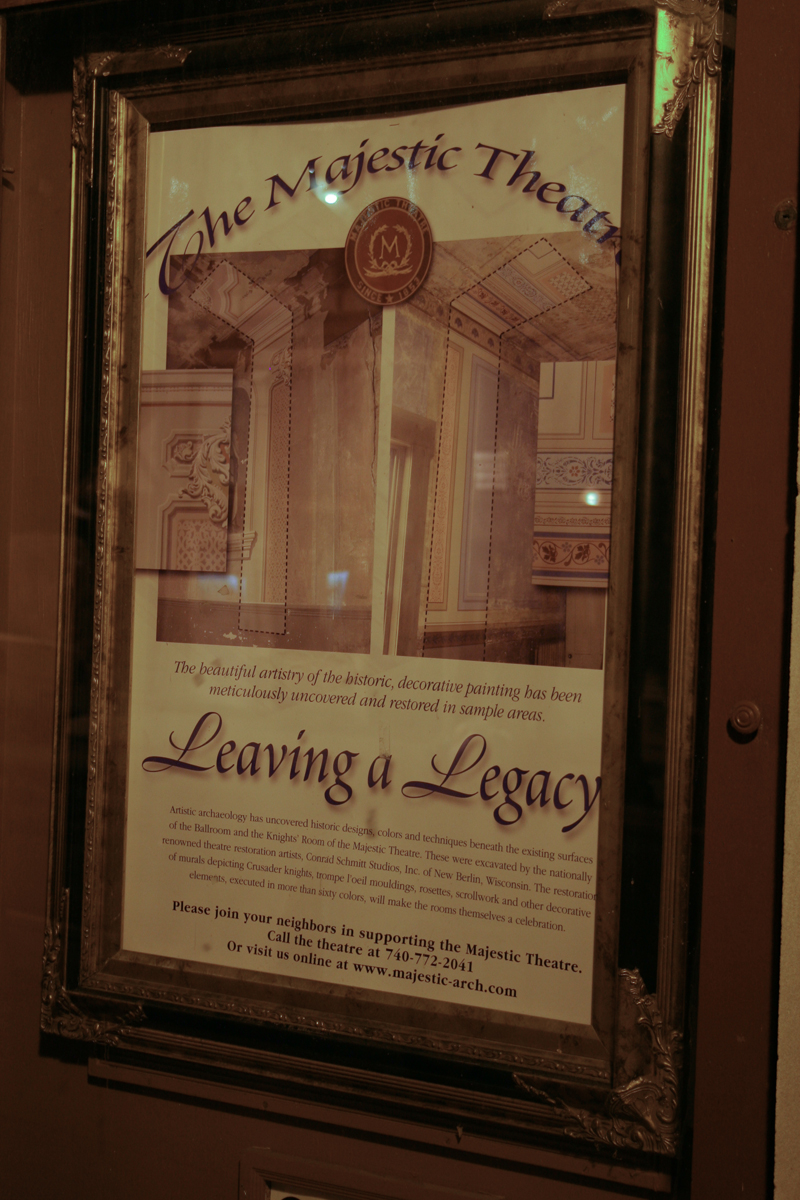
The theatre transferred hands again in 1971, when Harley and Evelyn Bennett purchased it. They carefully restored the theatre and helped preserve the old Masonic Opera House. The latest transfer of the theatre was to Robert Althoff, Robert Evans and David Uhrig, who bought the theatre as a non-profit organization in 1990. They installed new wiring and a new fire safety and security system and are continuing their preservation efforts. The OES had visited the area outside the Majestic Theatre, including Bloody Alley, on July 25, 2001 and on April 30, 2006, but did not actually enter the theatre until August 11, 2006, when we were invited to conduct a paranormal investigation. There were several strange events that occurred during the course of the investigation, including capturing electronic voice phenomenon (EVP). For a complete review of our investigation, Click Here.
Location Information: Active Business
The Majestic Theatre is located at 45 East Second Street in Chillicothe; Ross County.
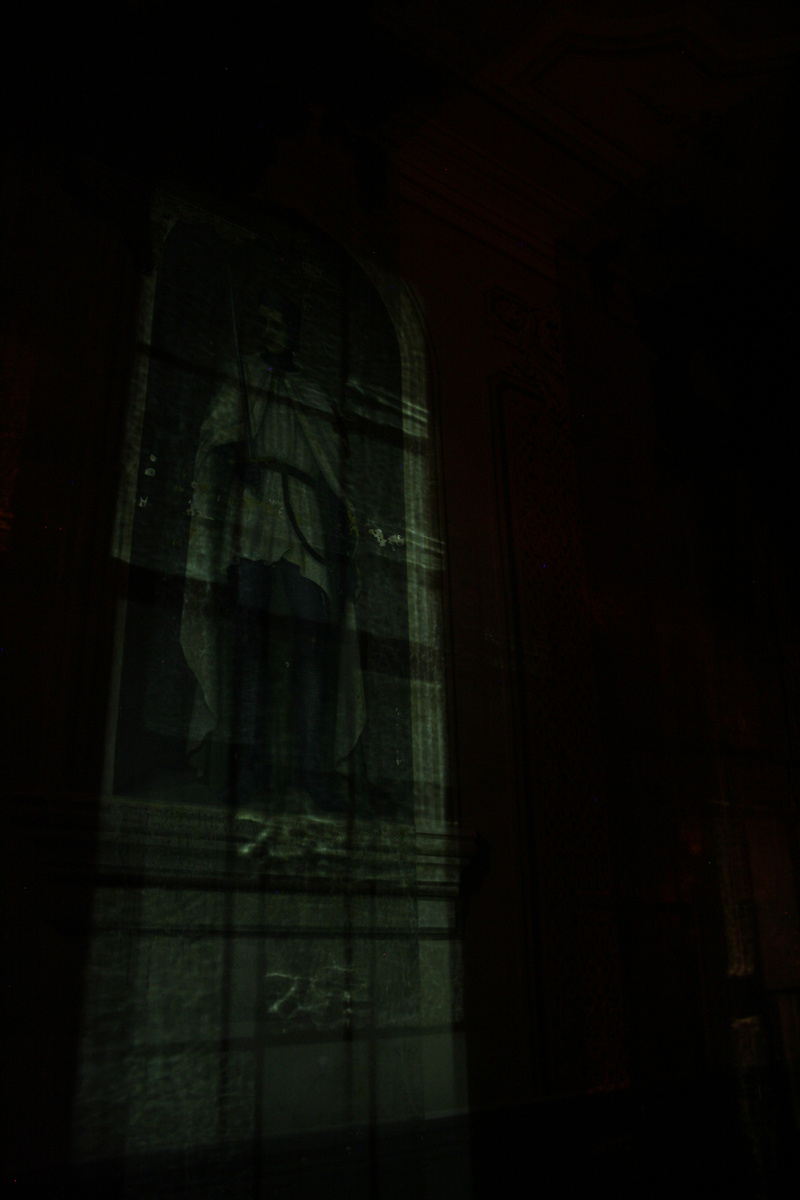
Photographs
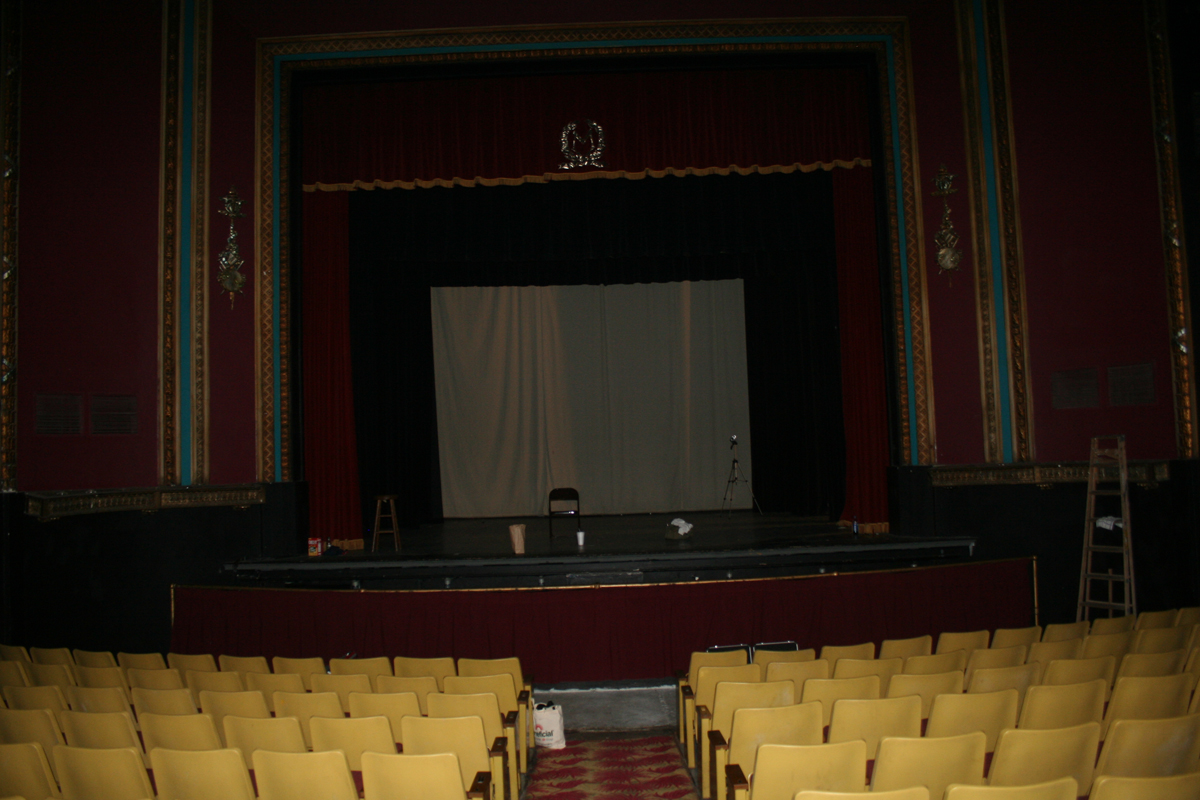
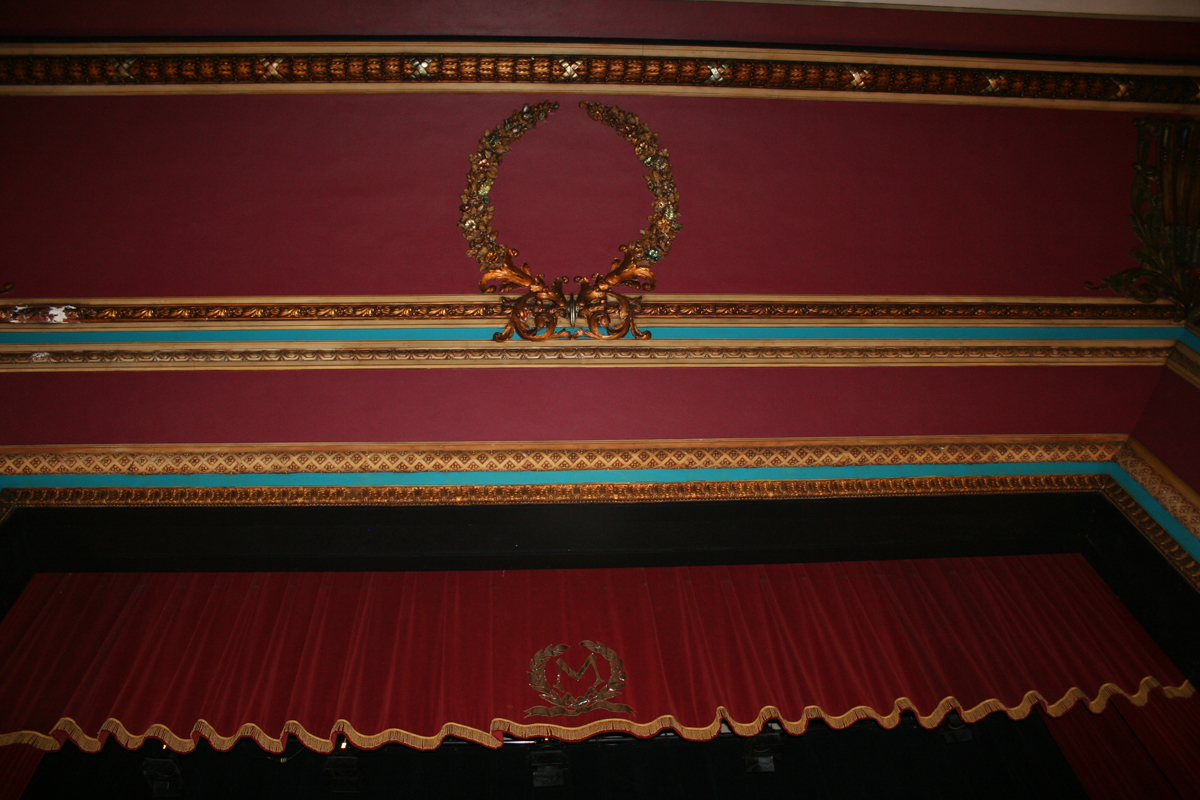
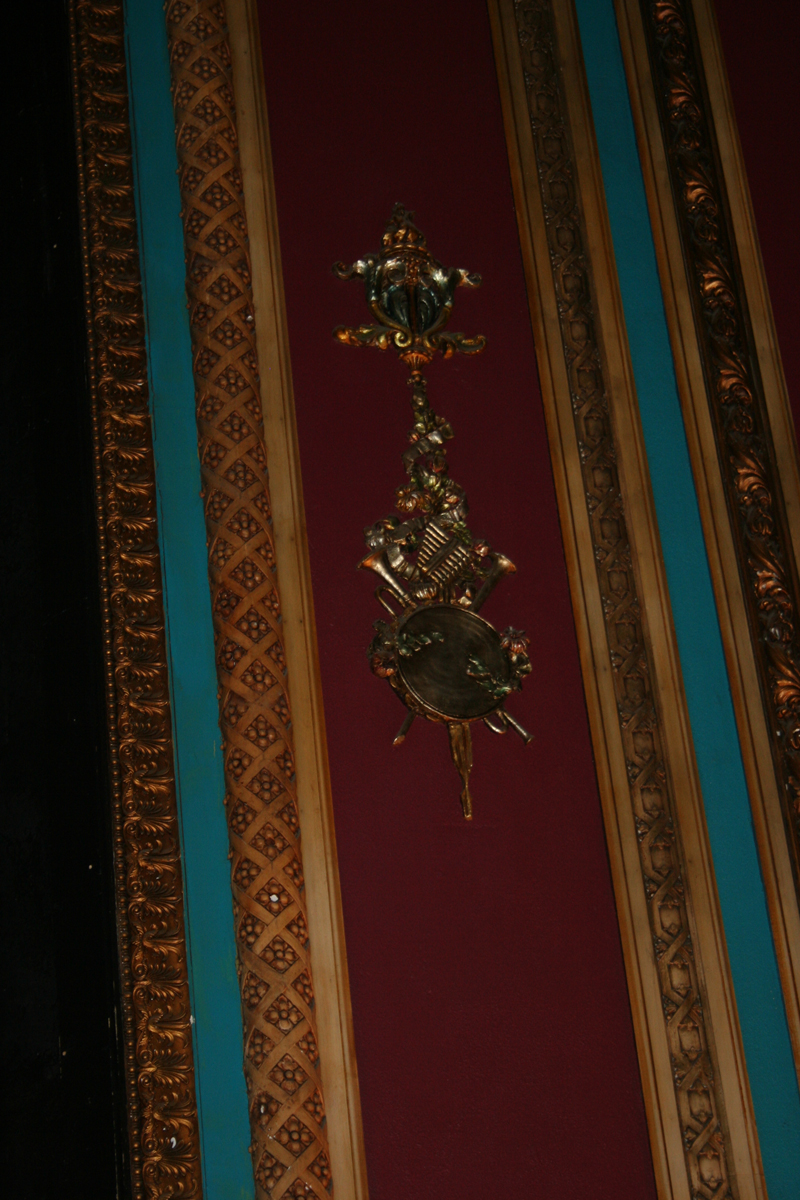
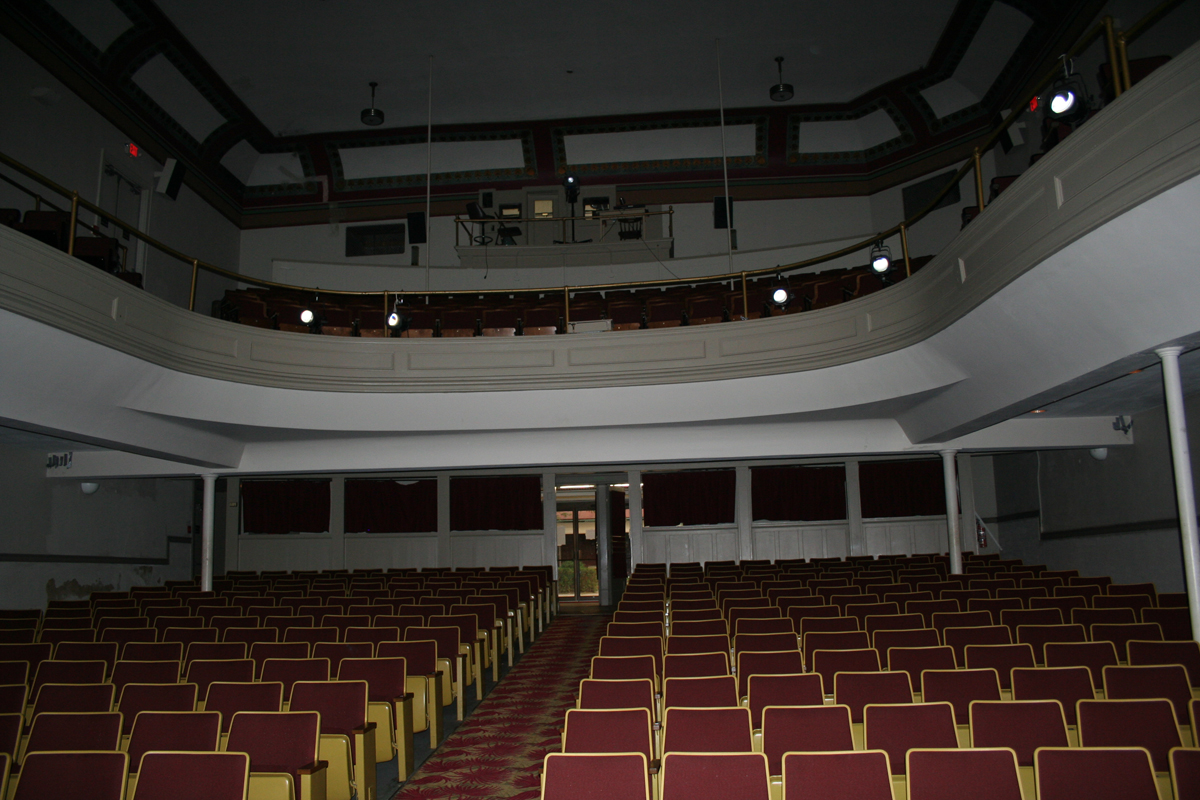
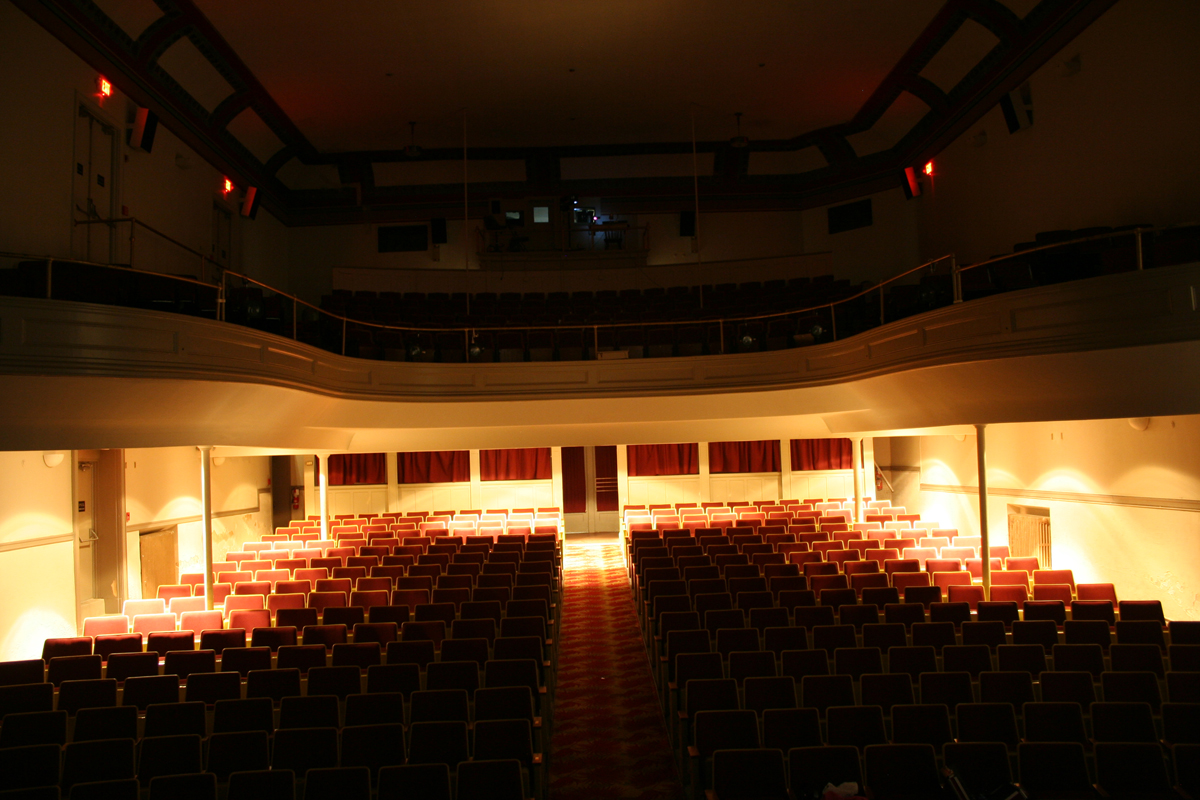
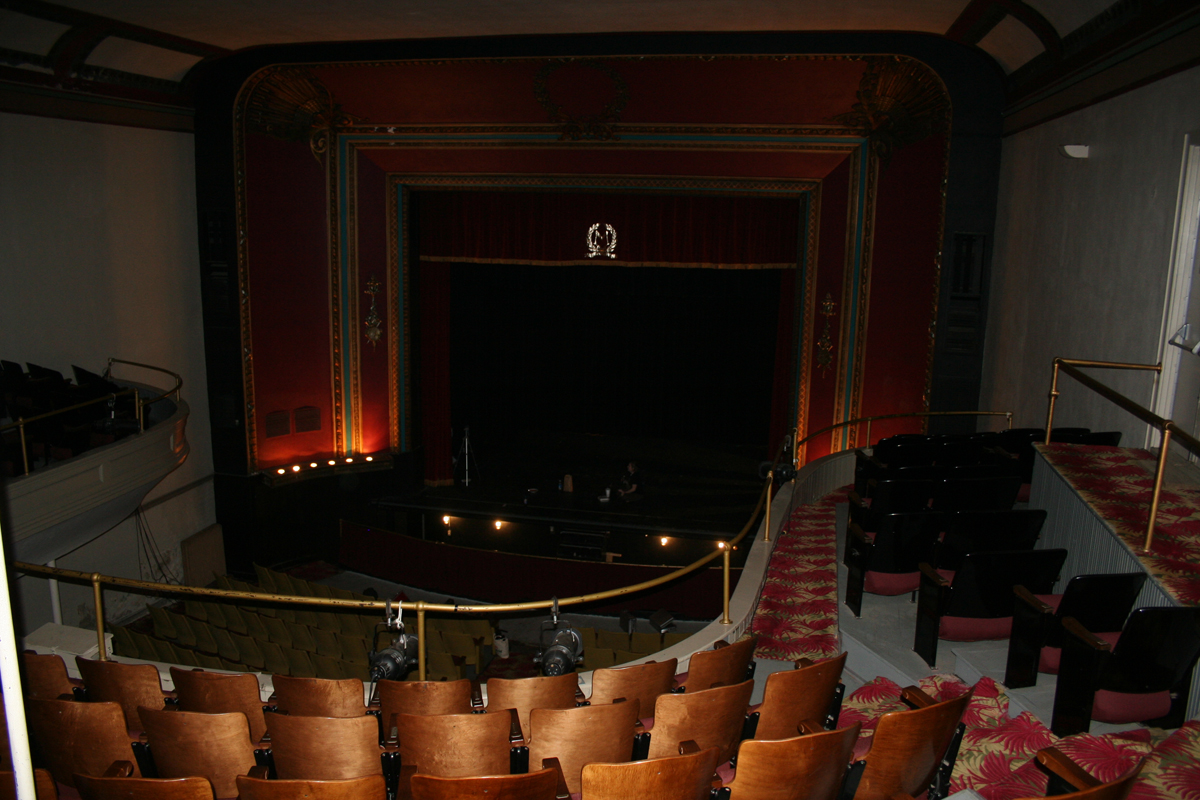
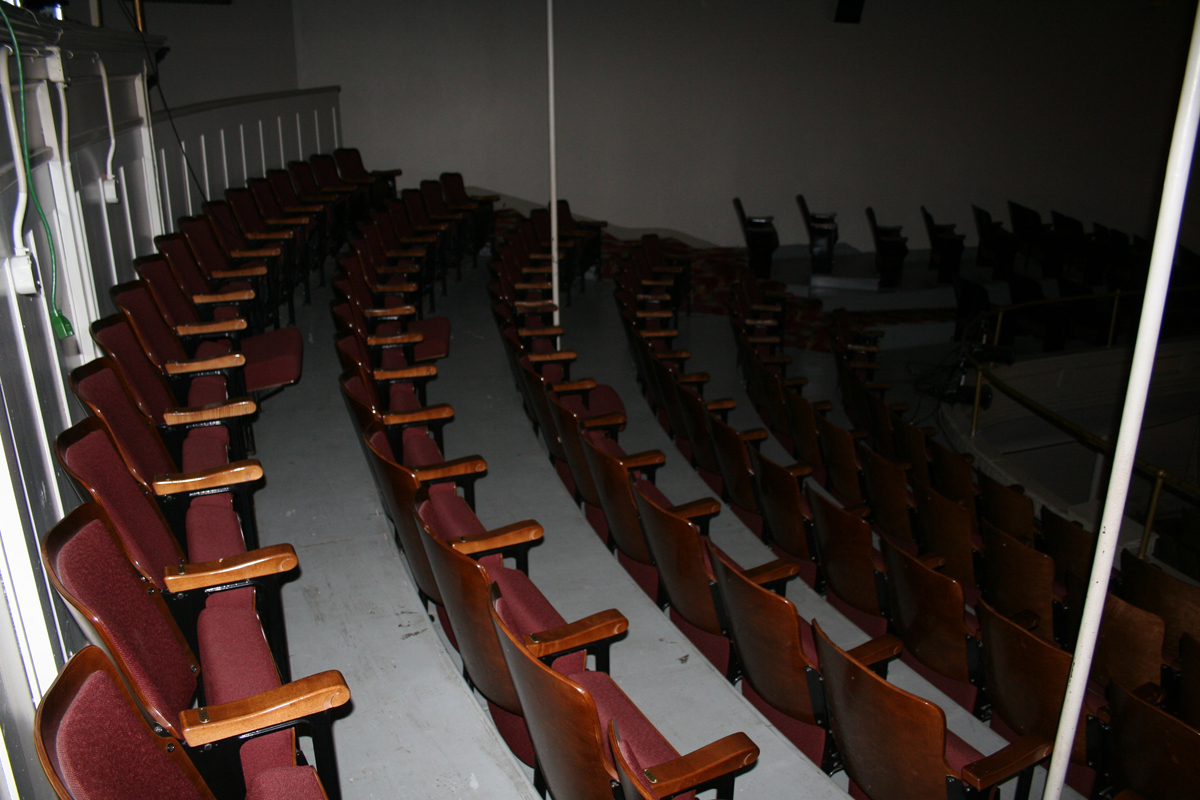
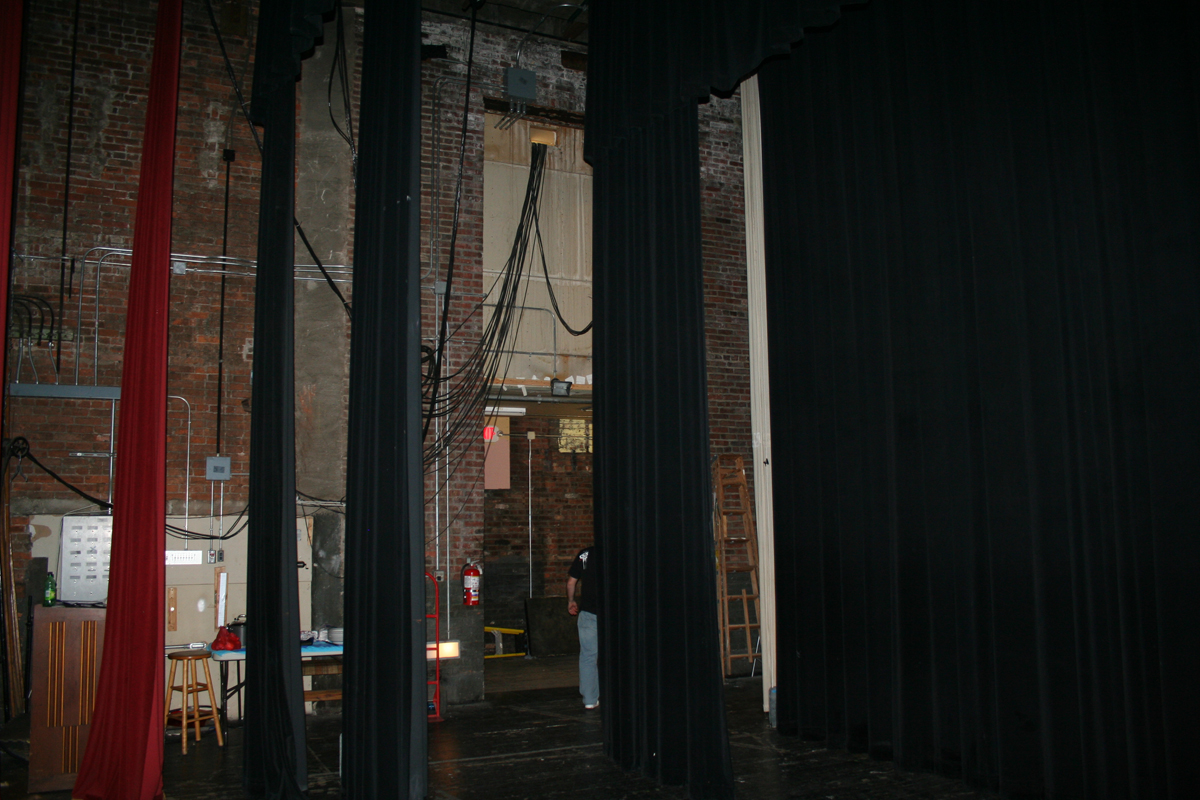
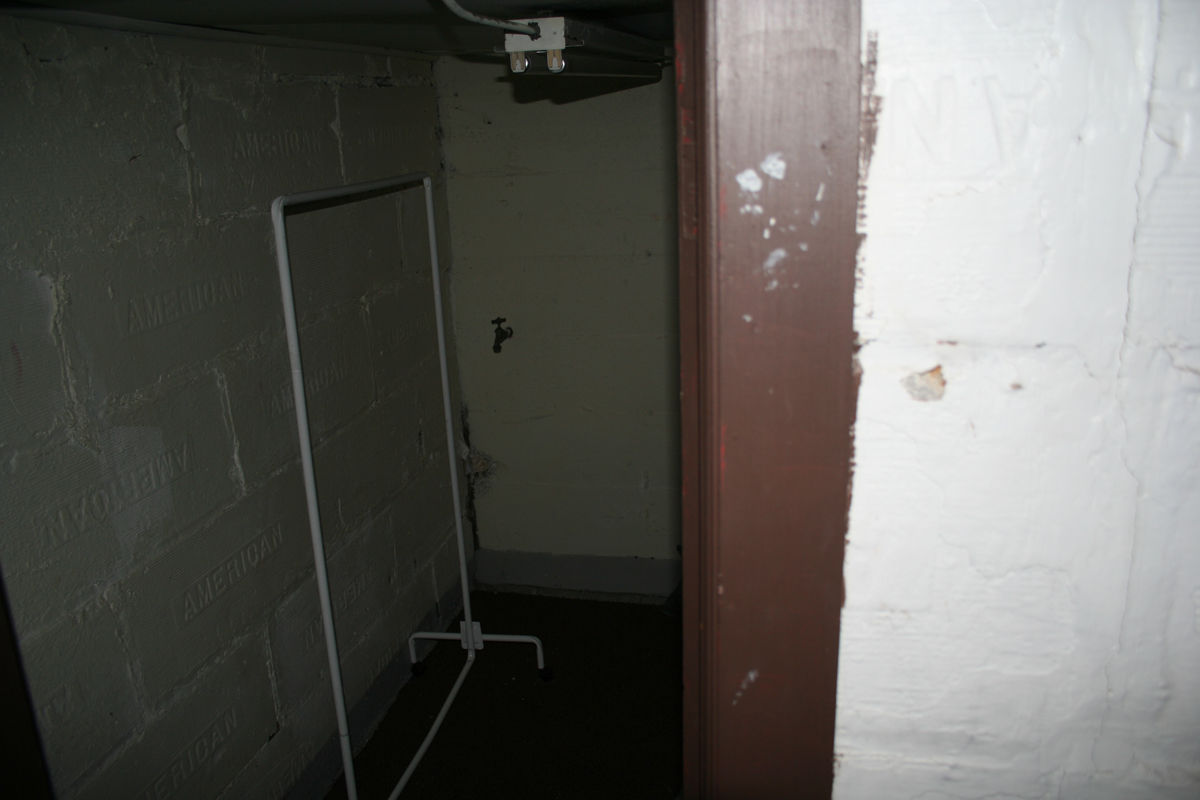
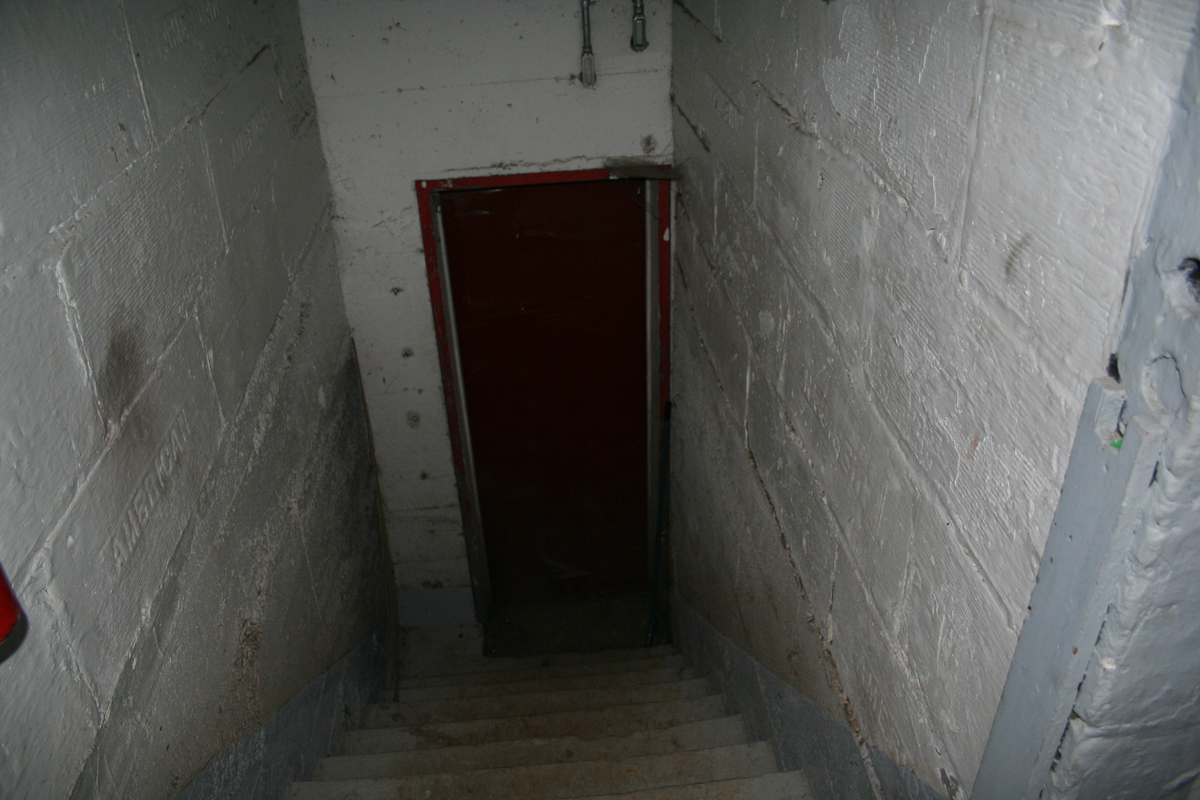
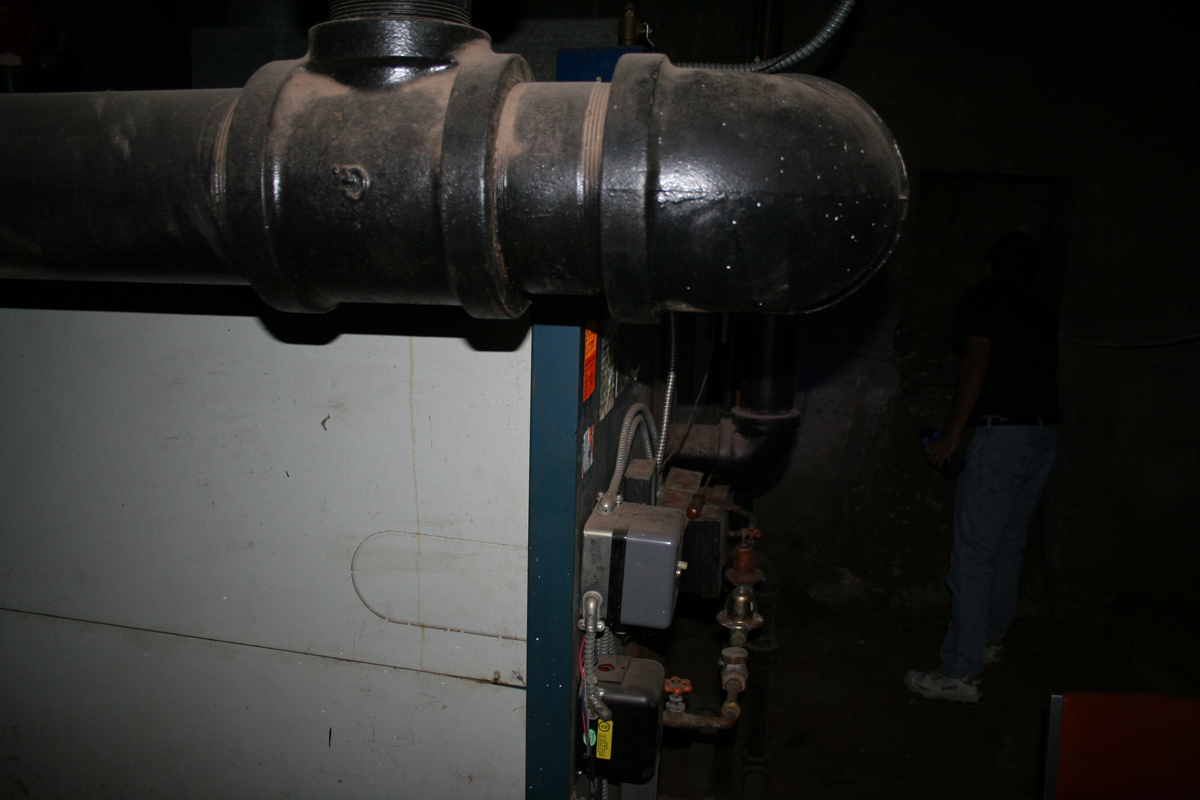
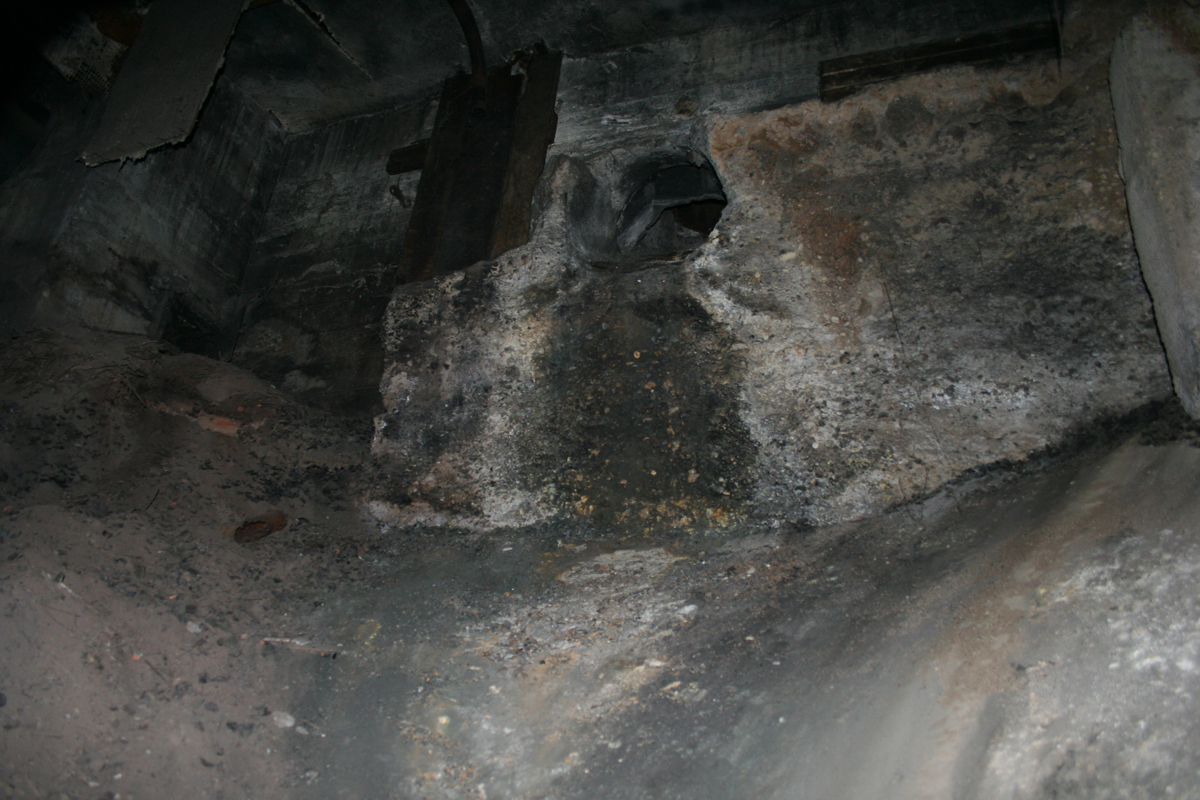
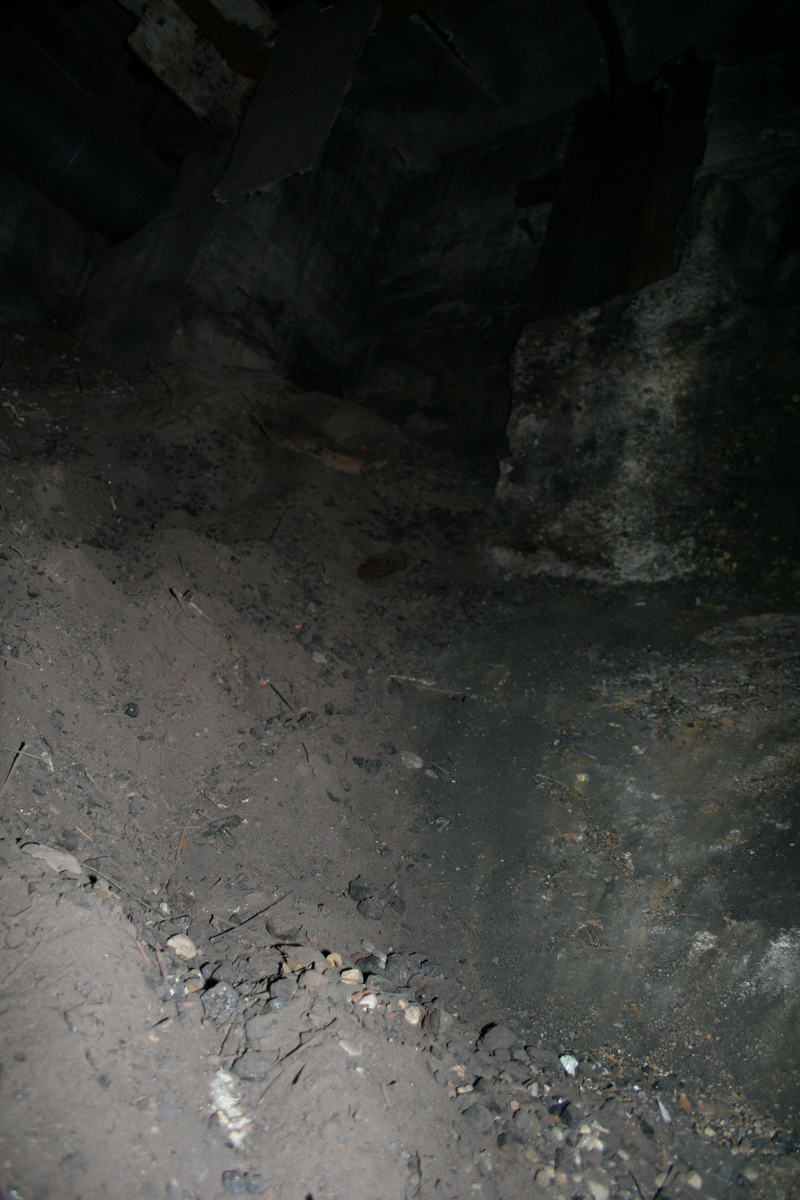
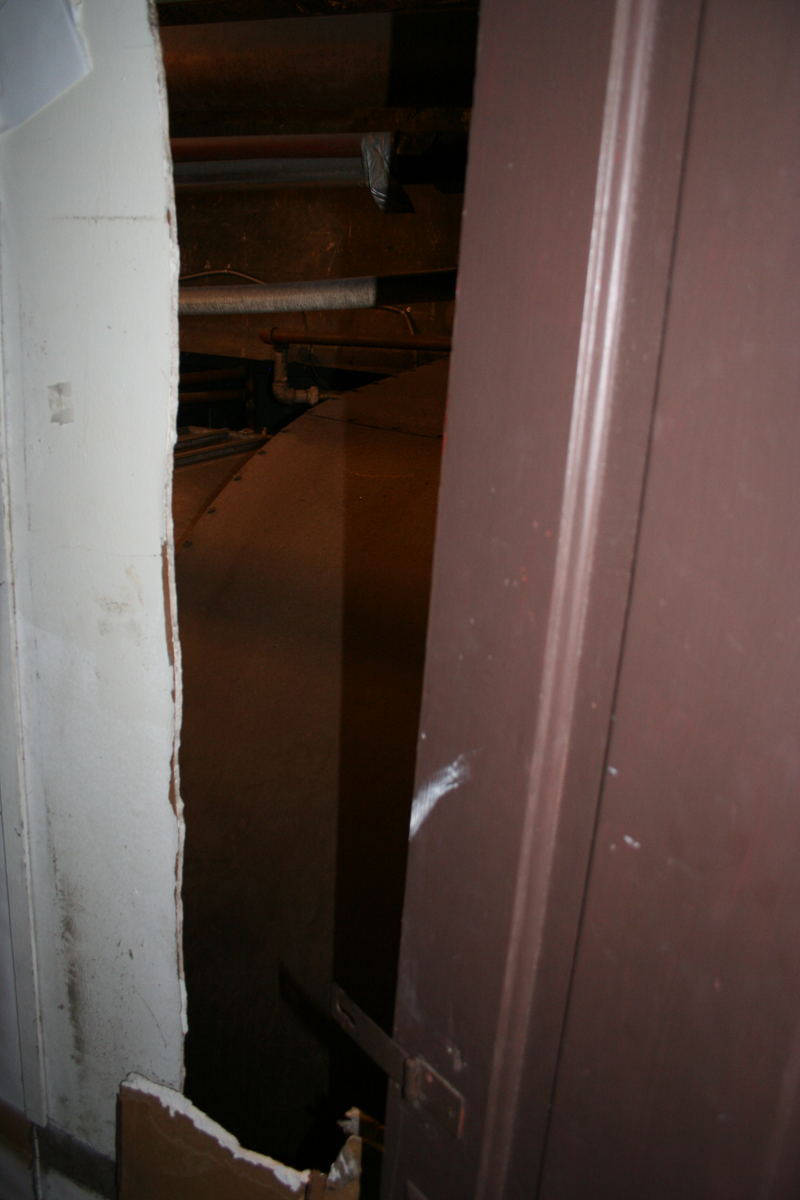
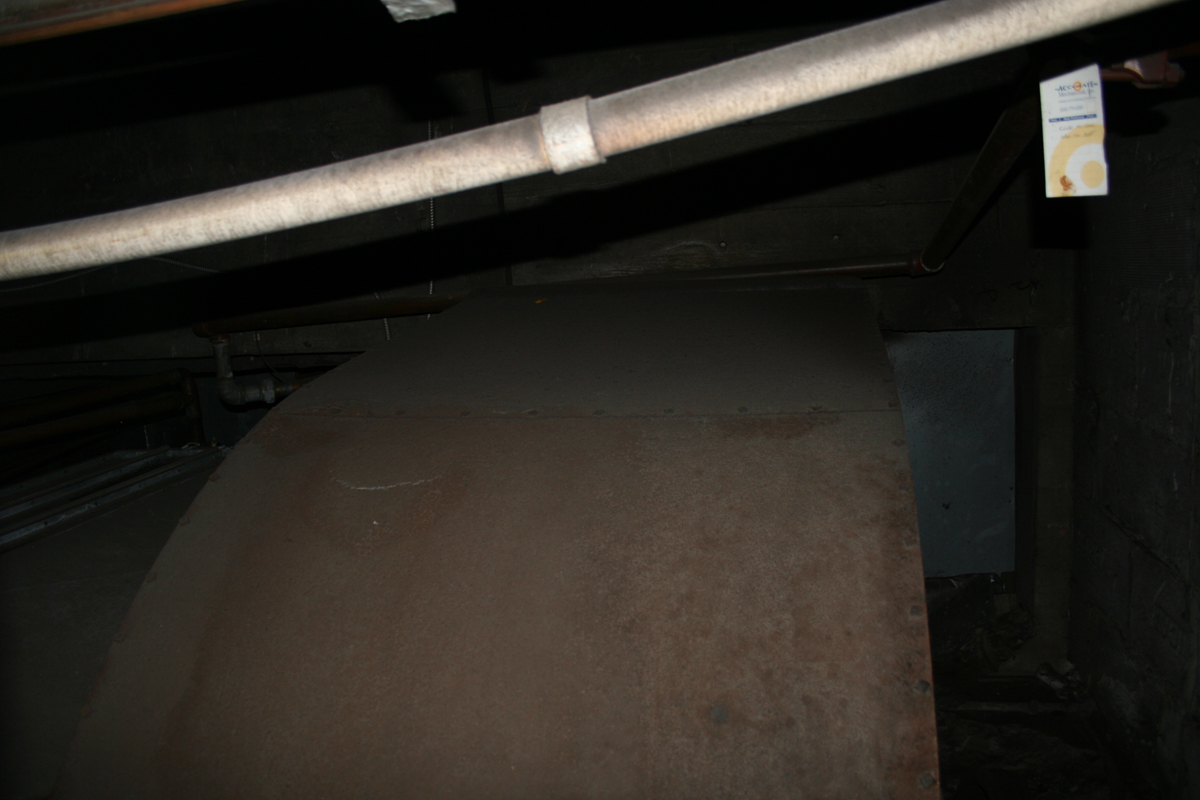
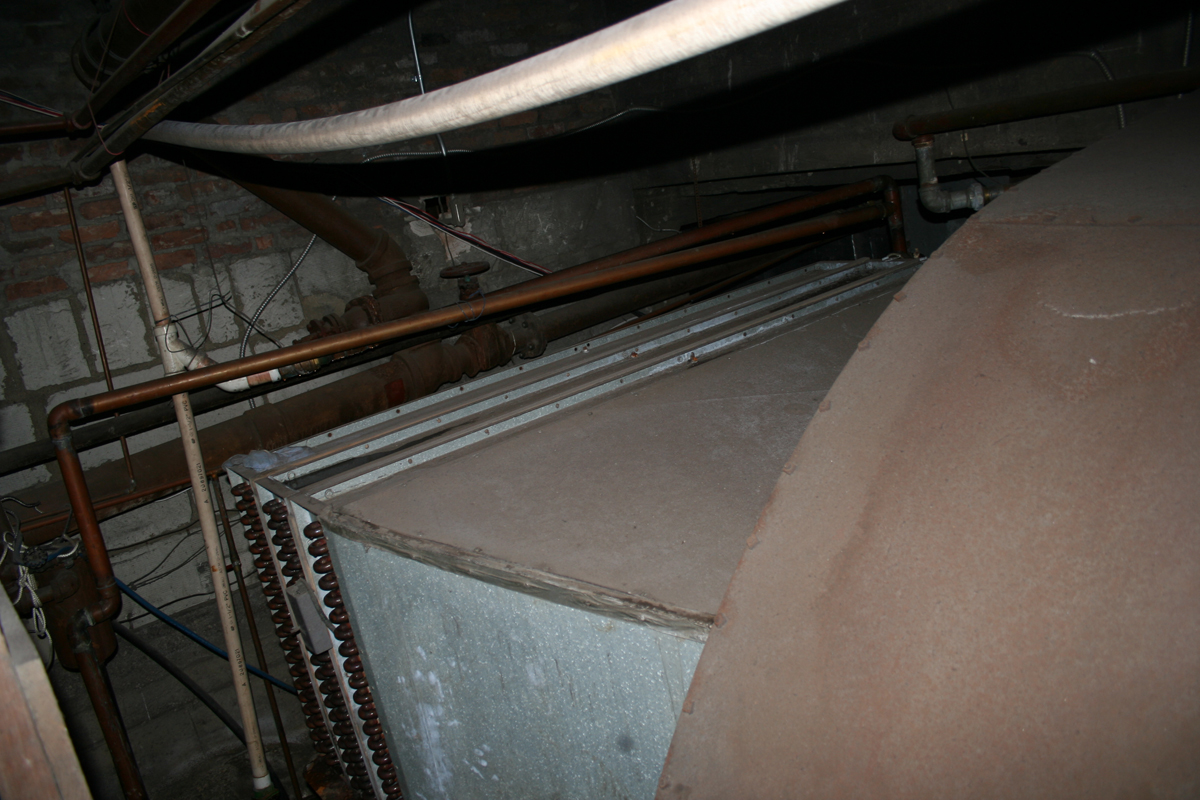
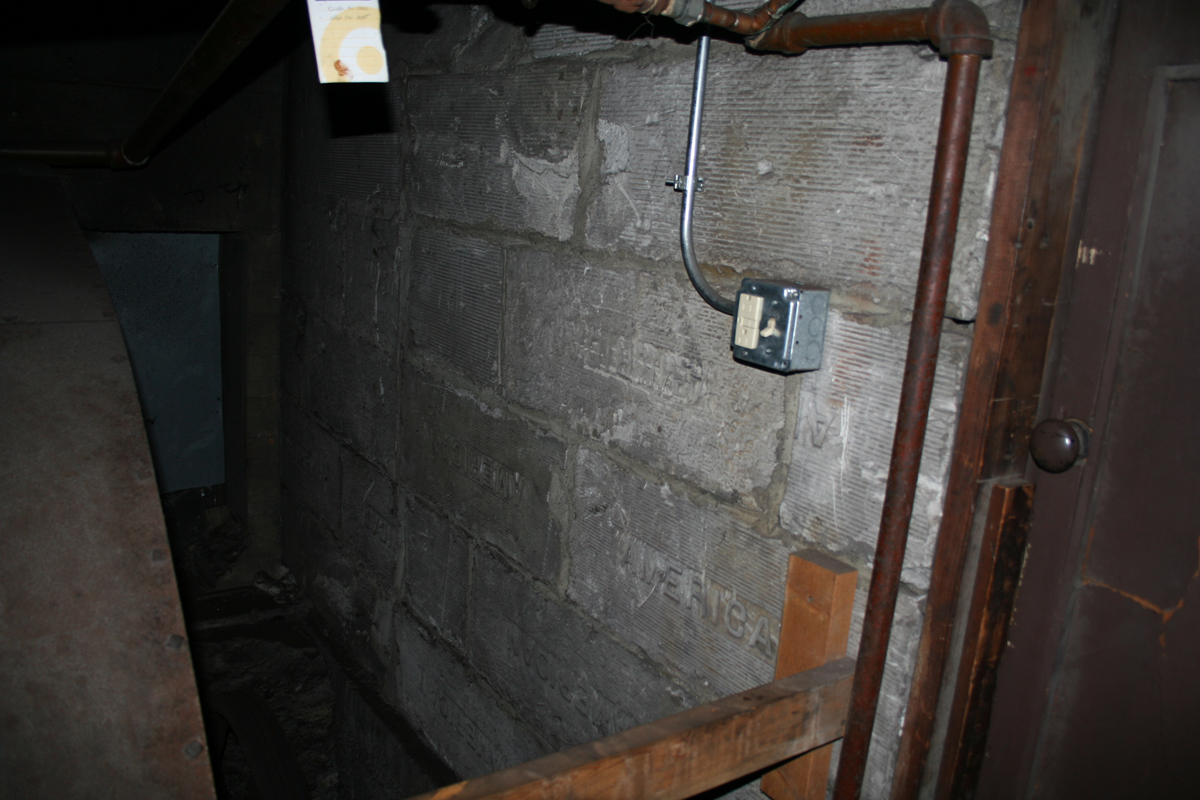
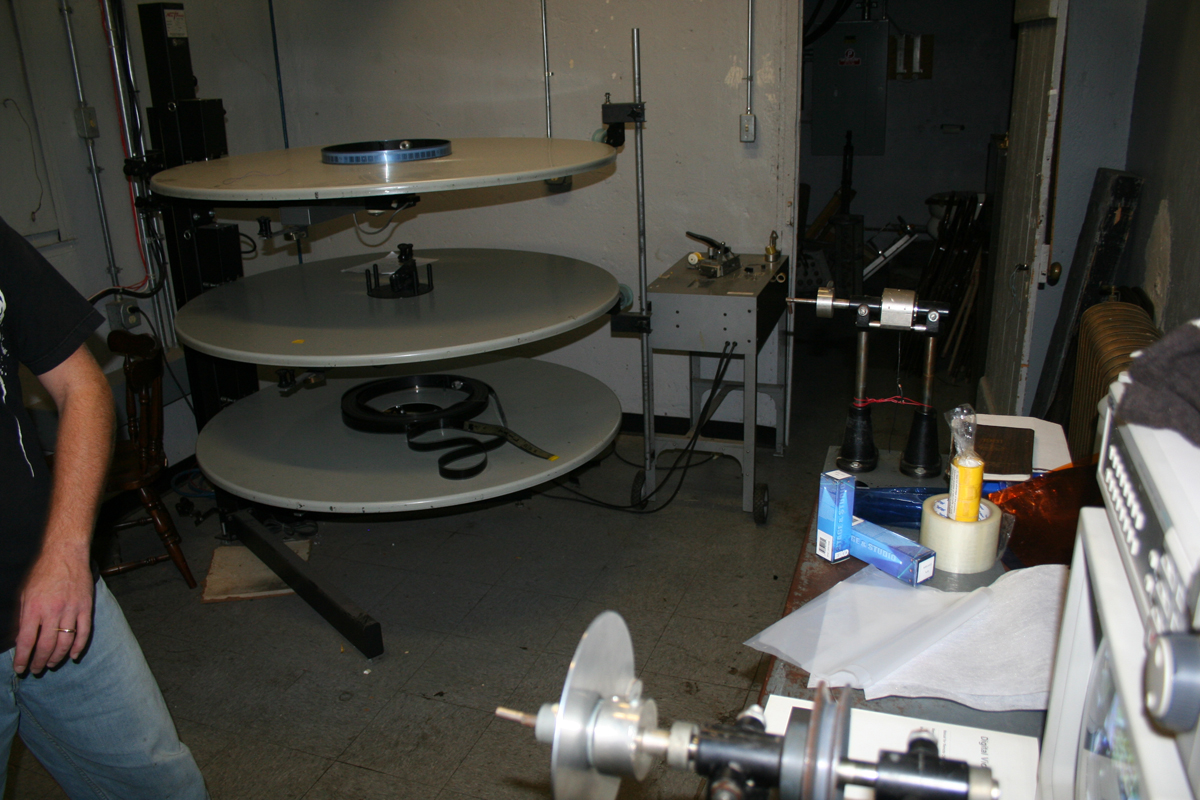
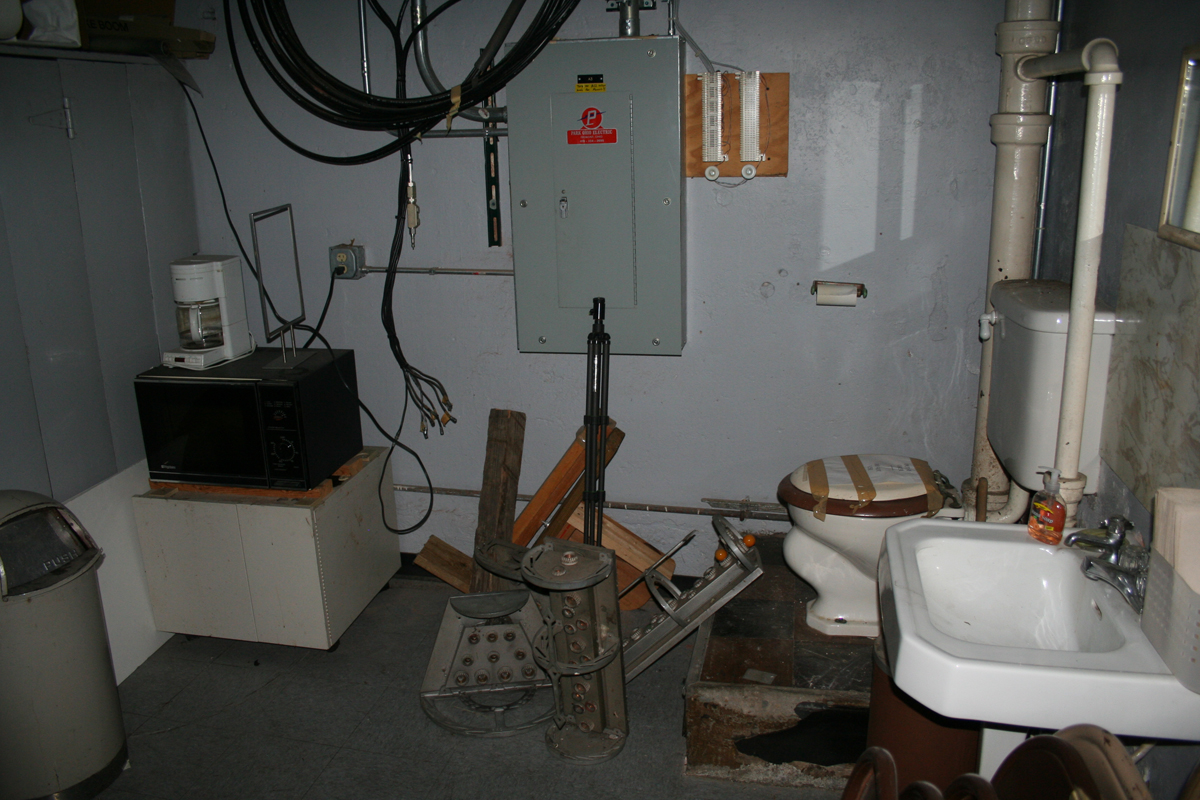
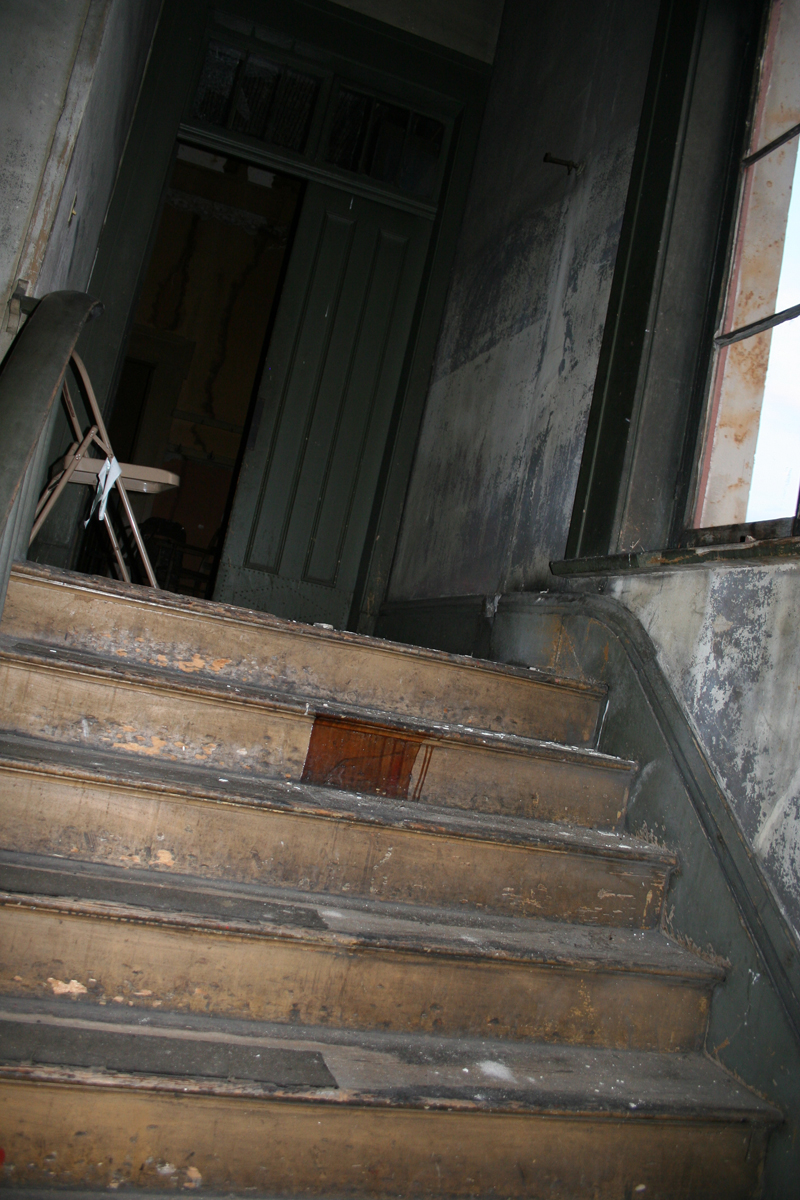
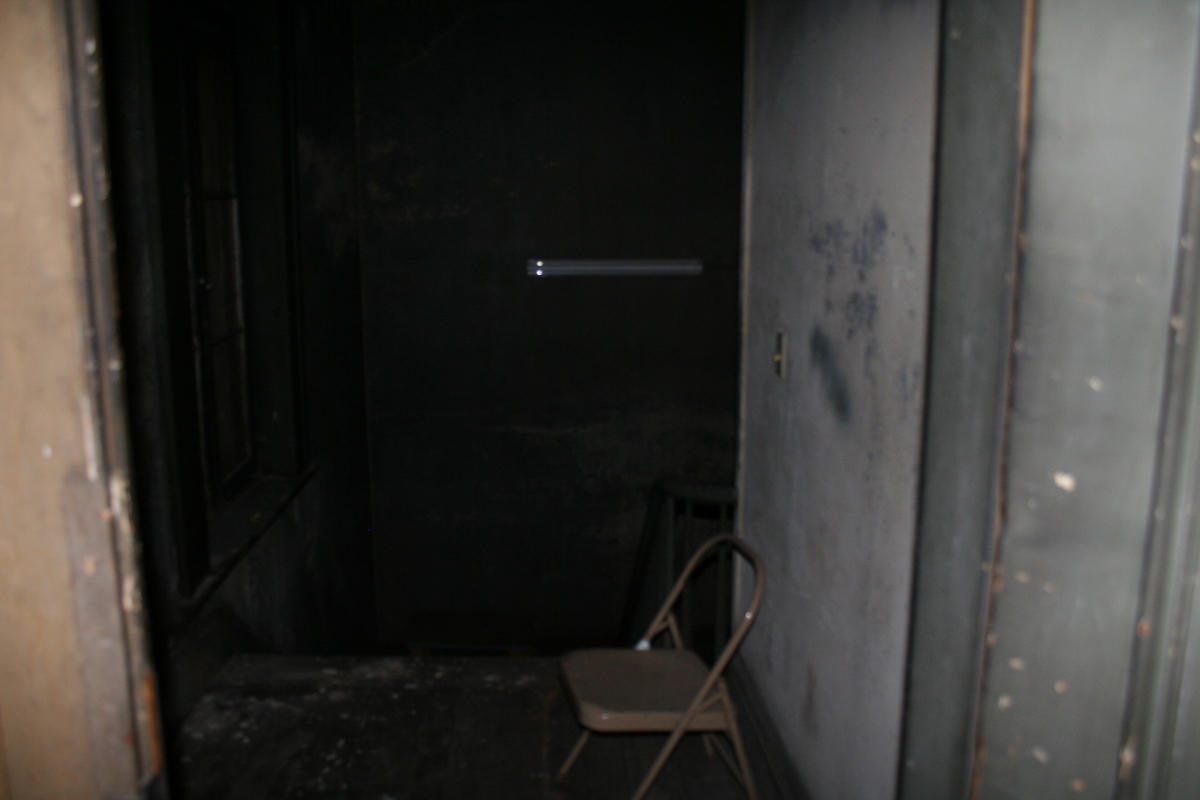
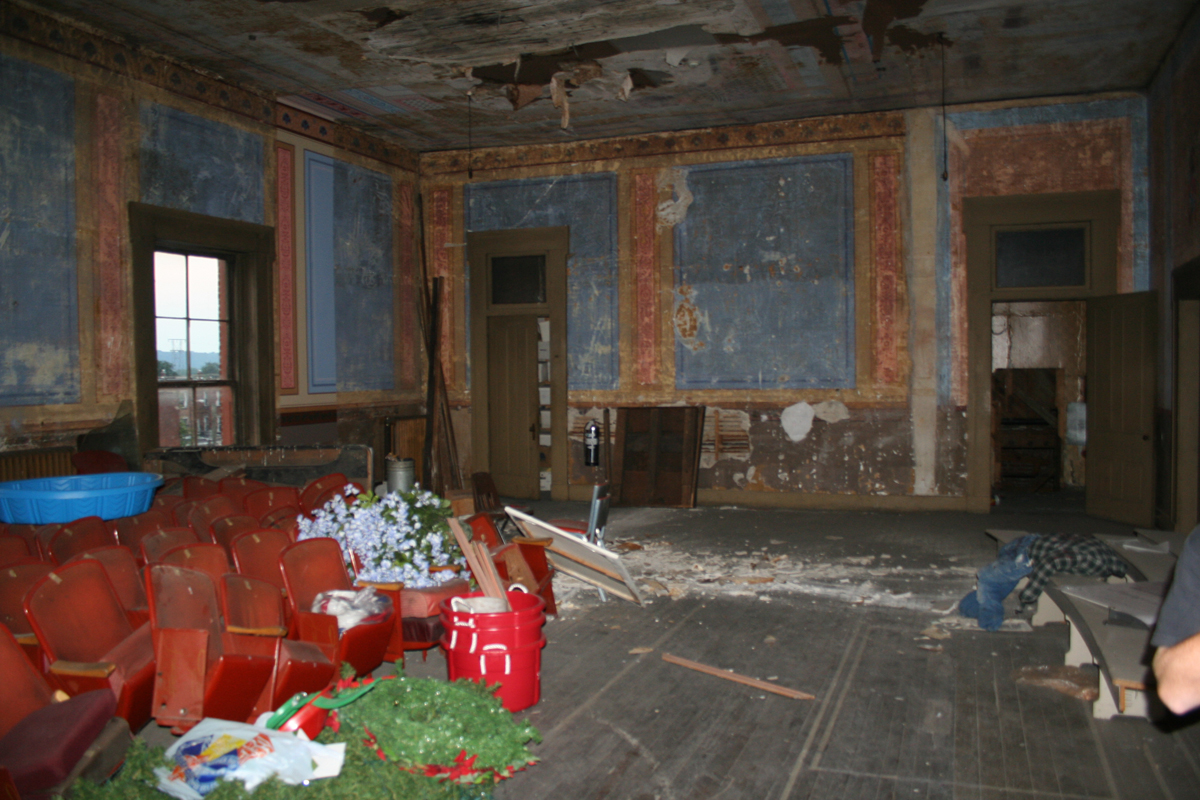
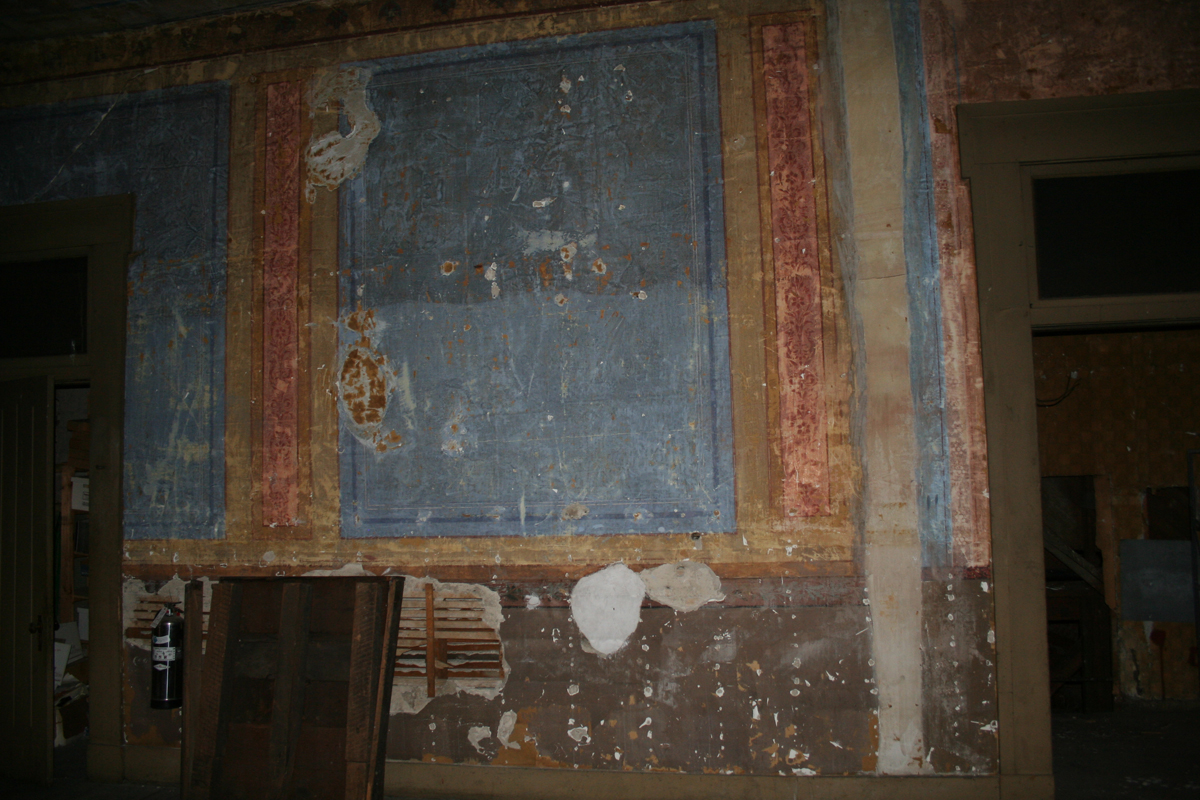

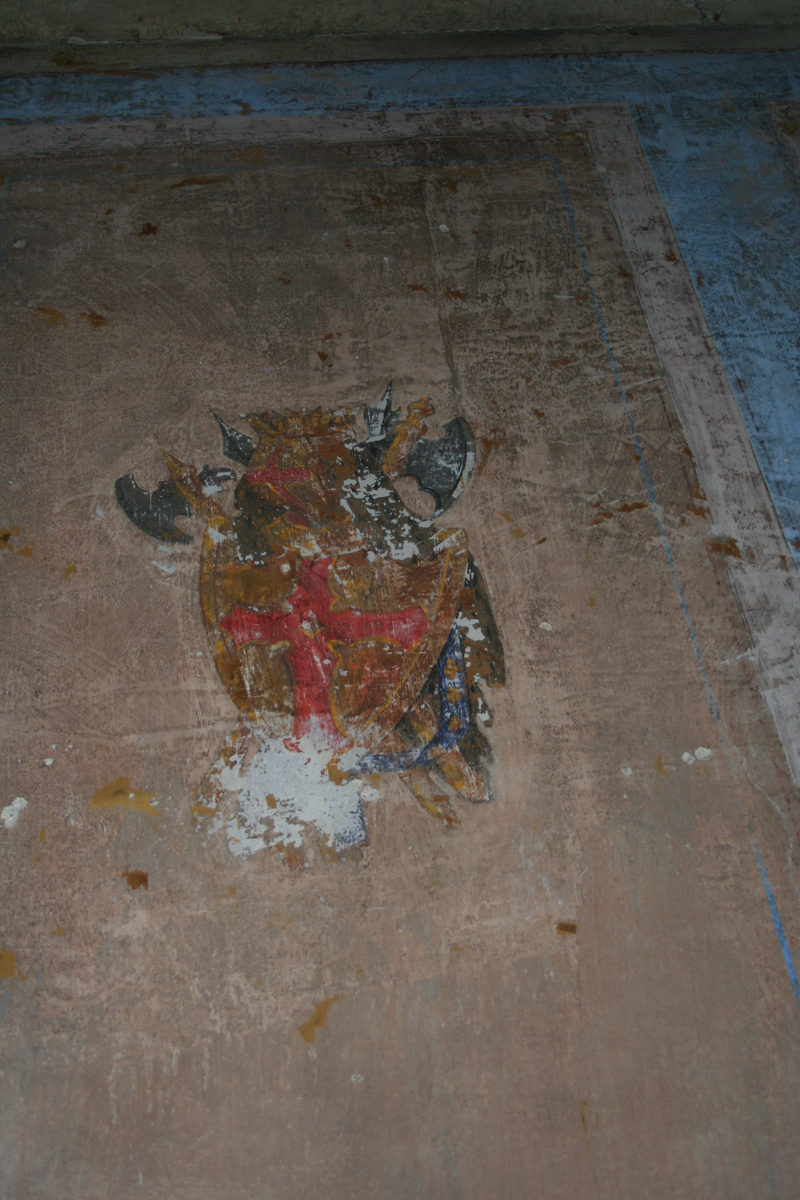
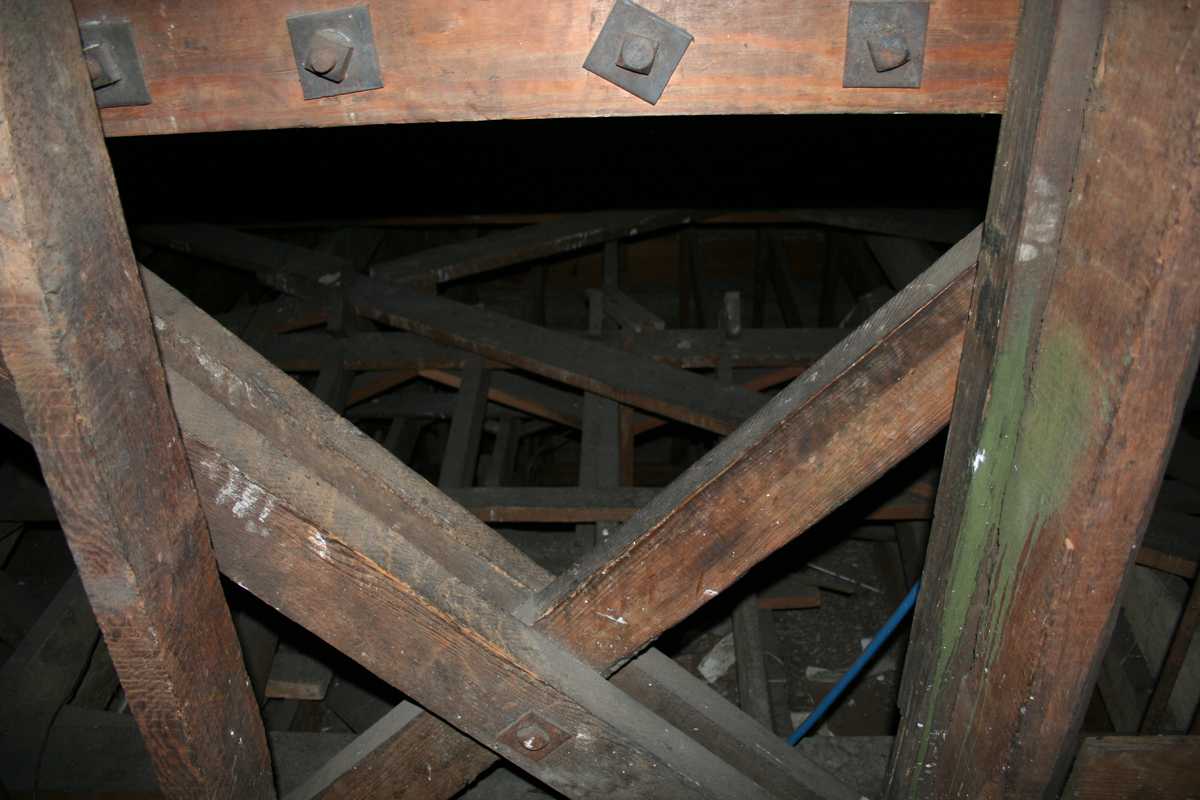
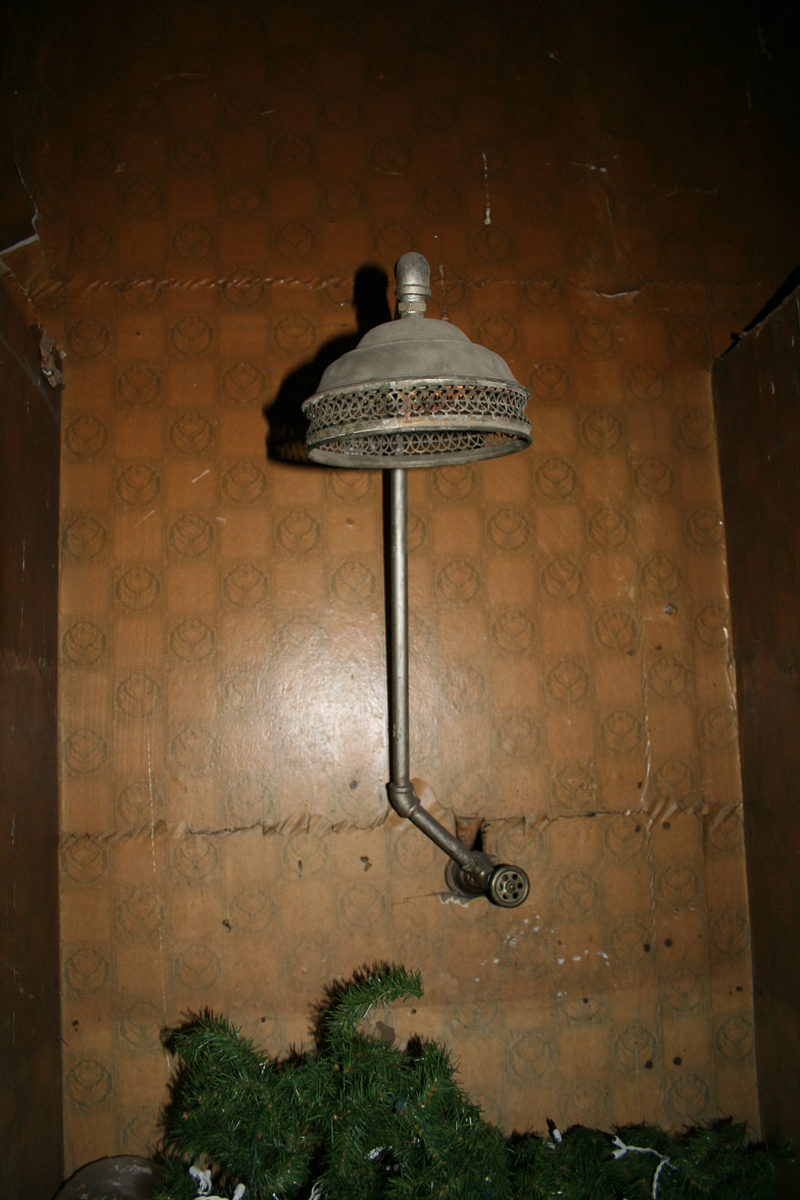
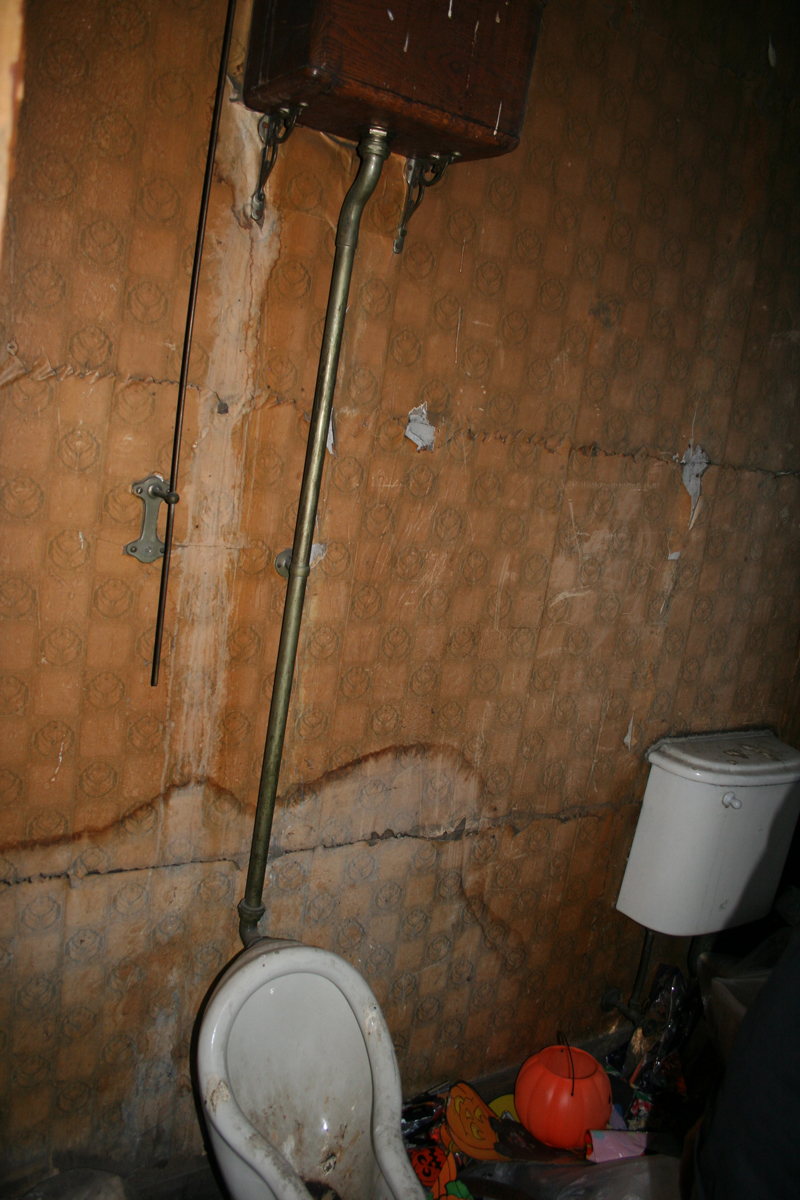
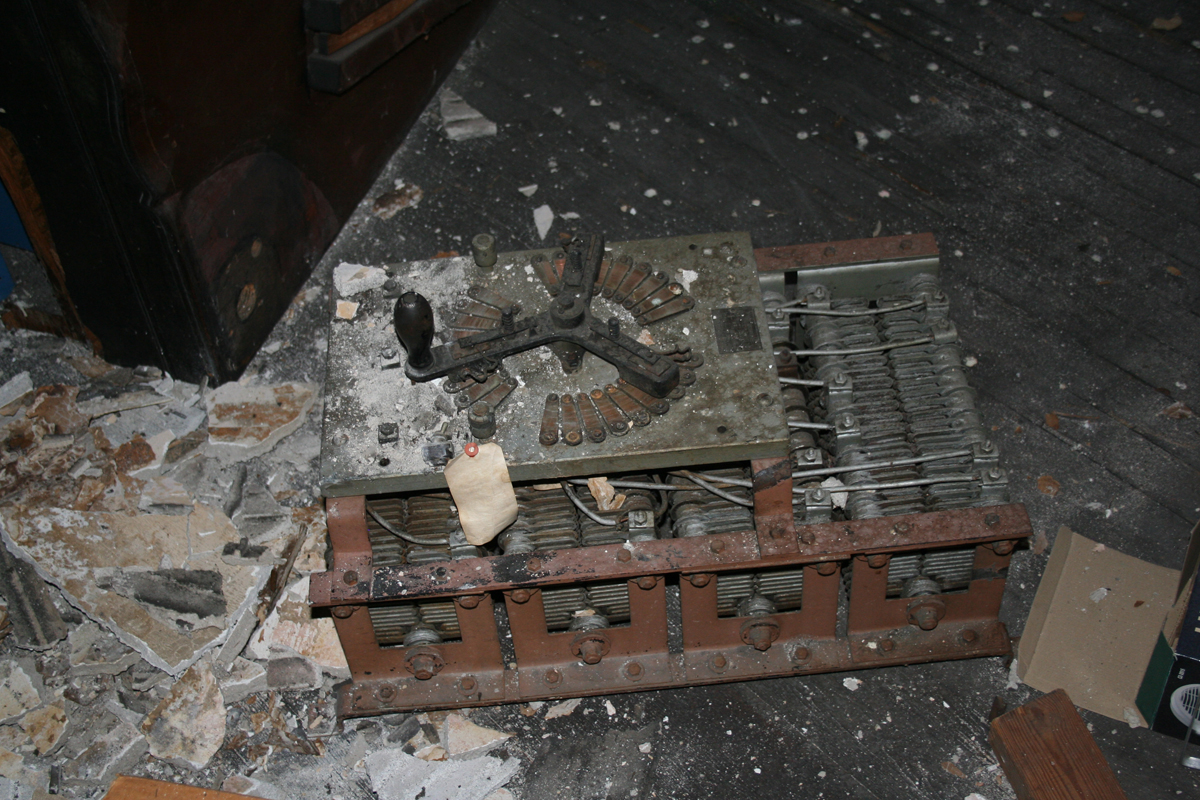
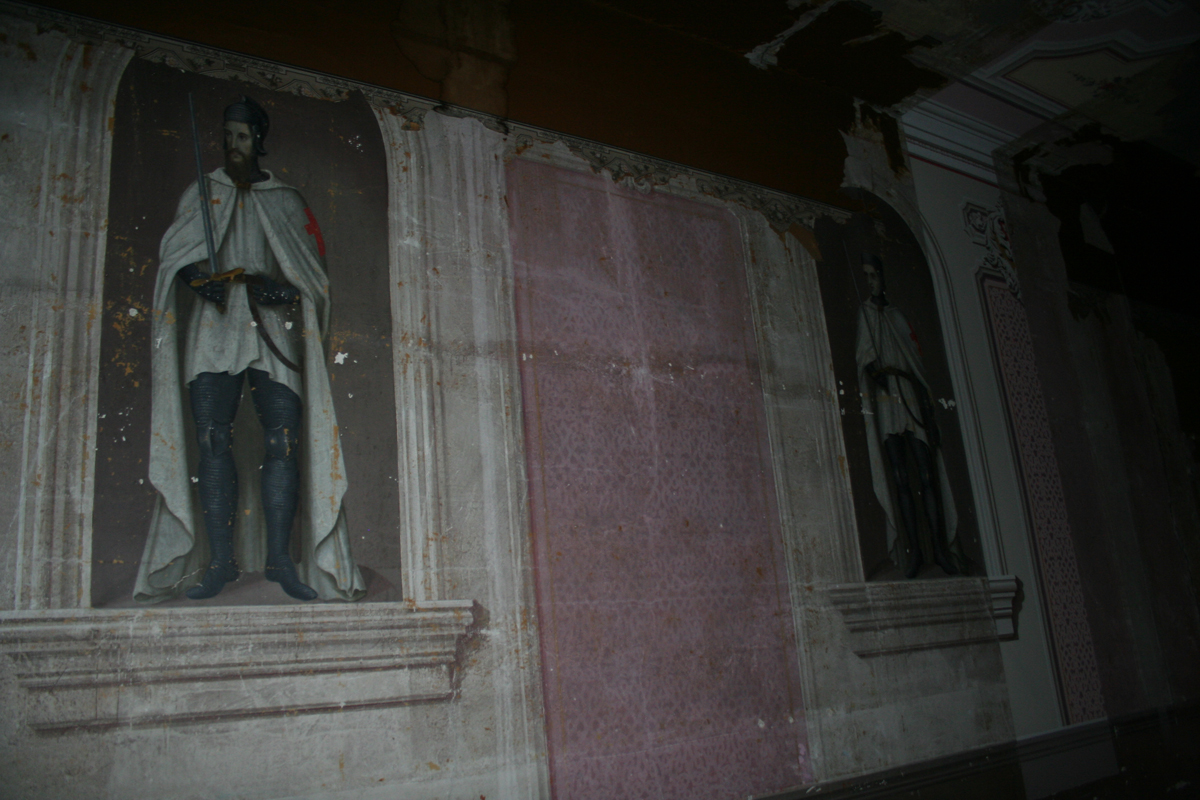
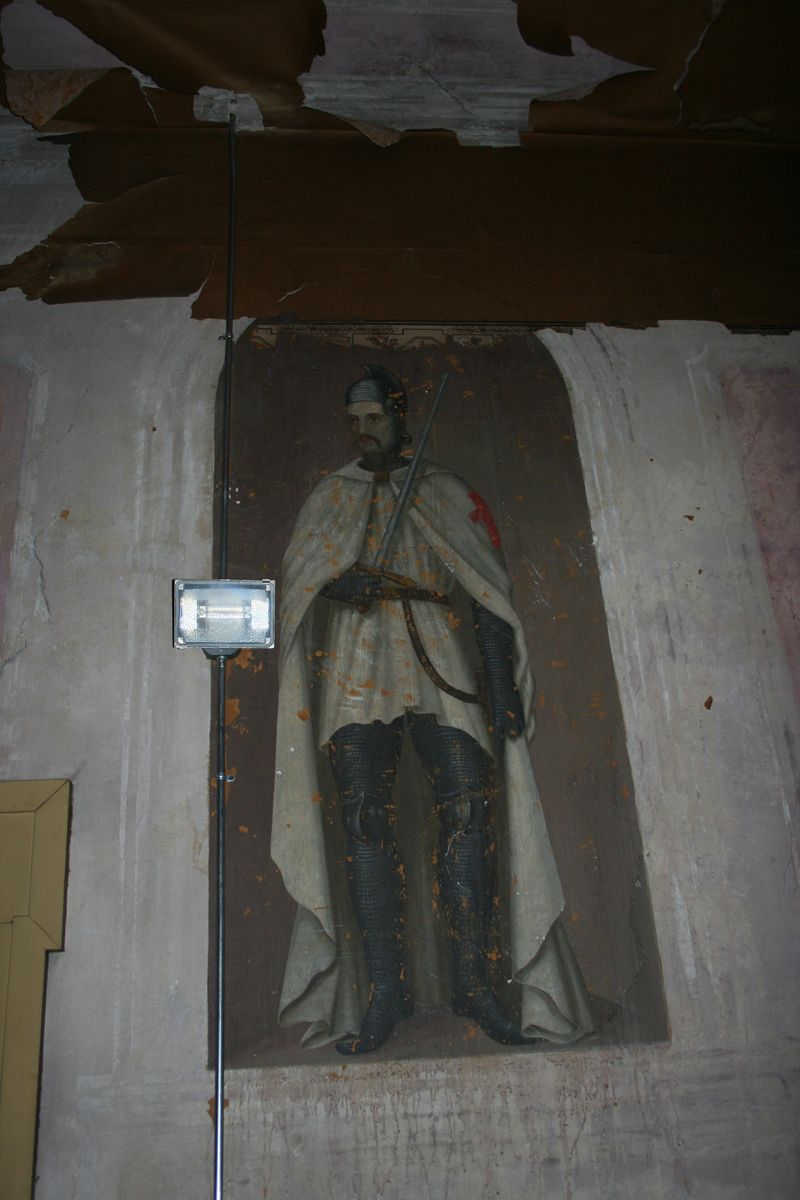
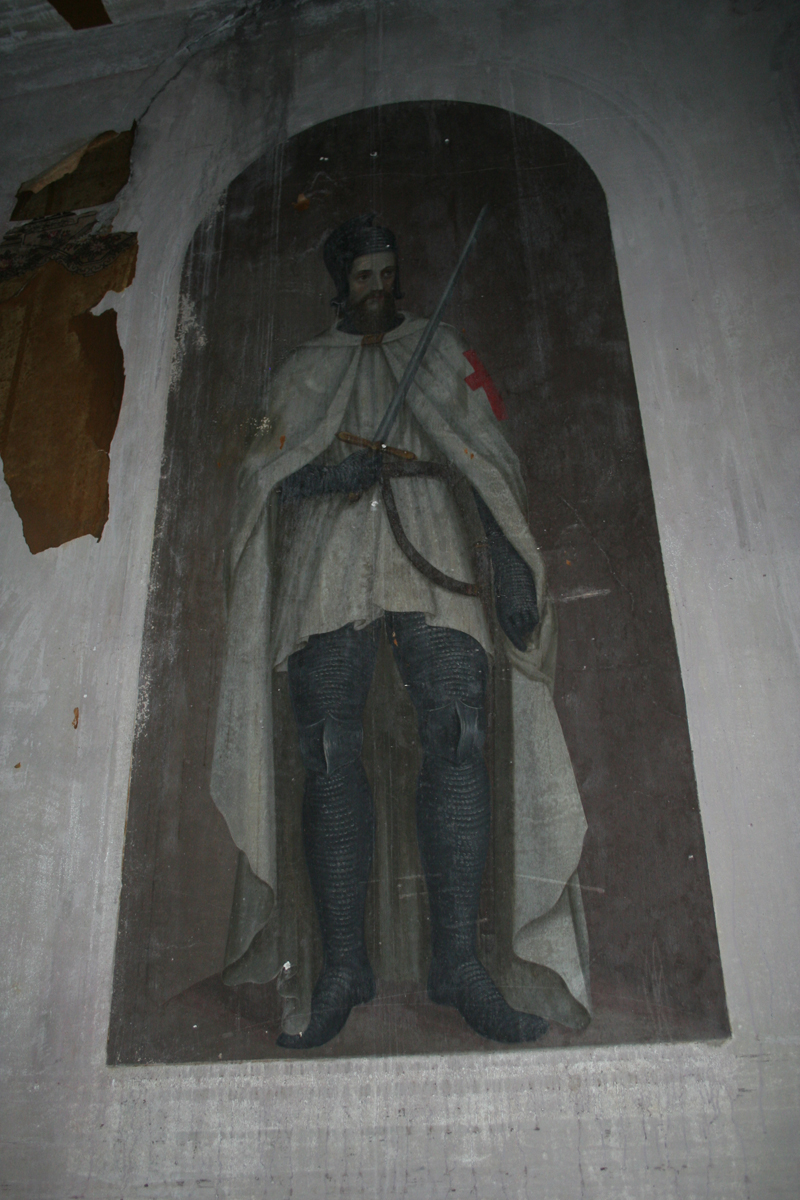
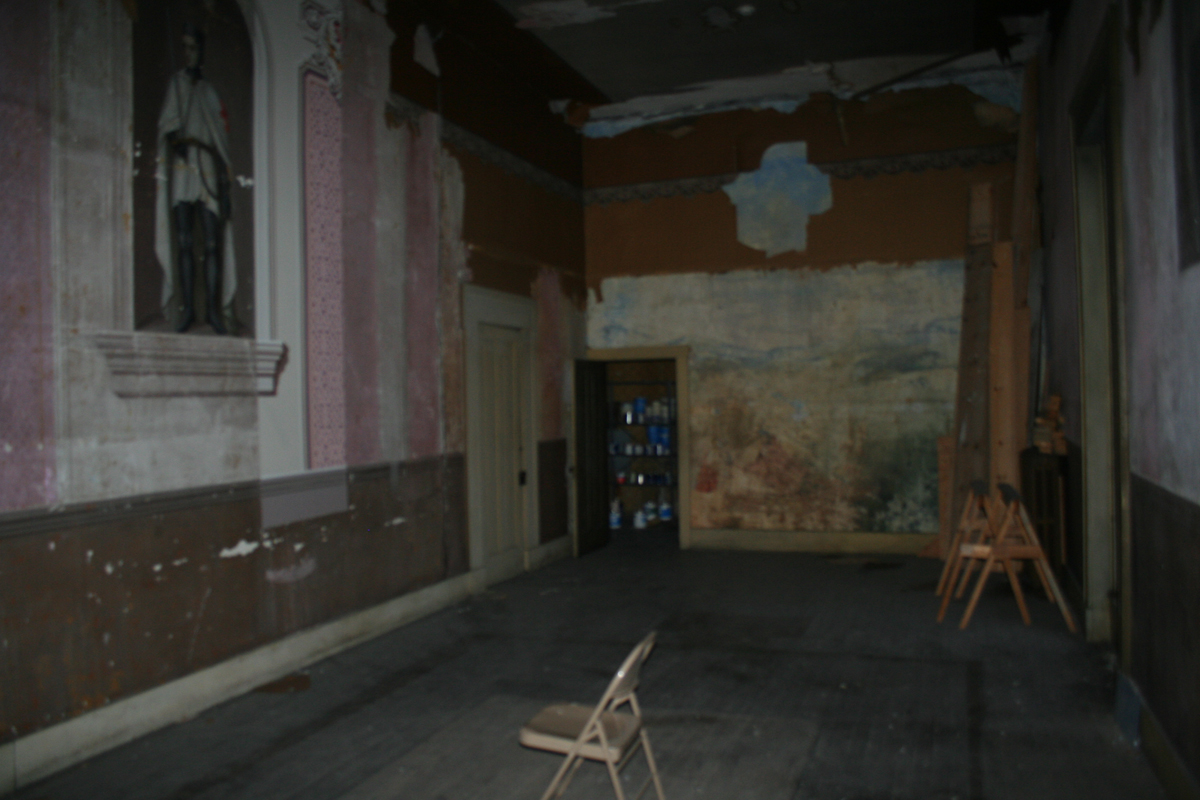
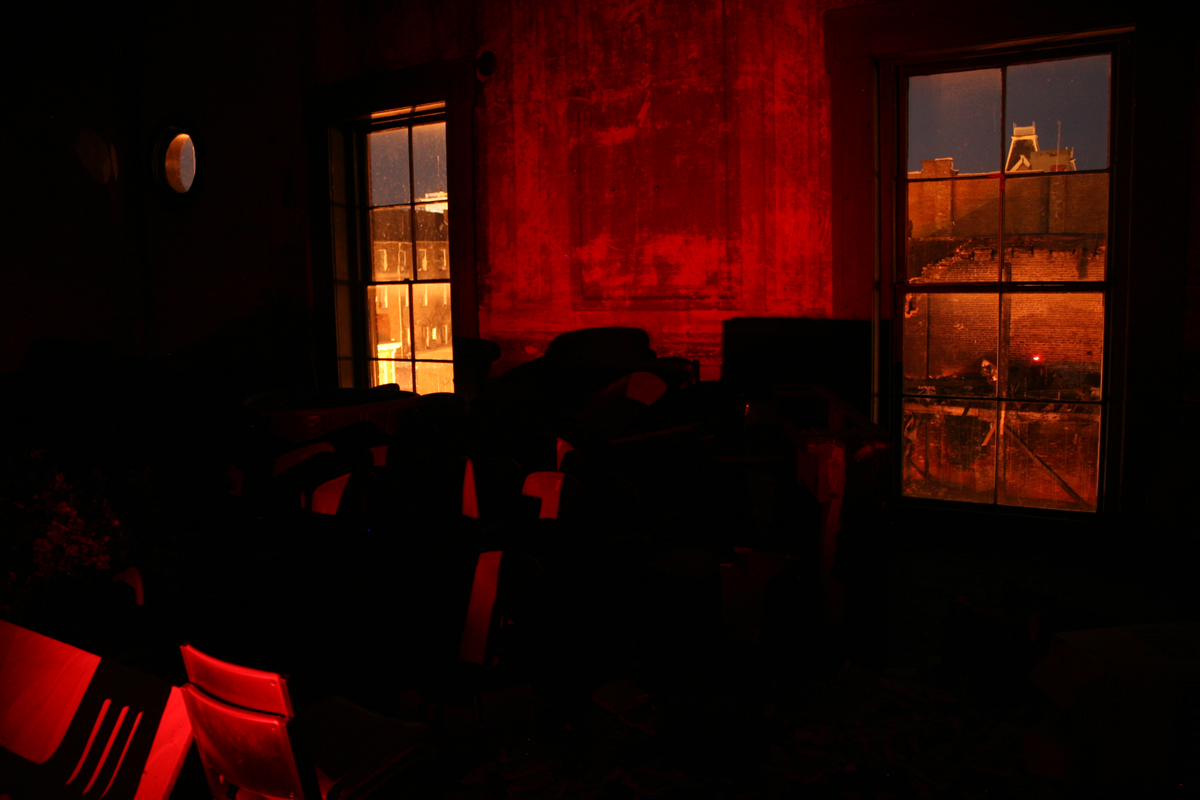
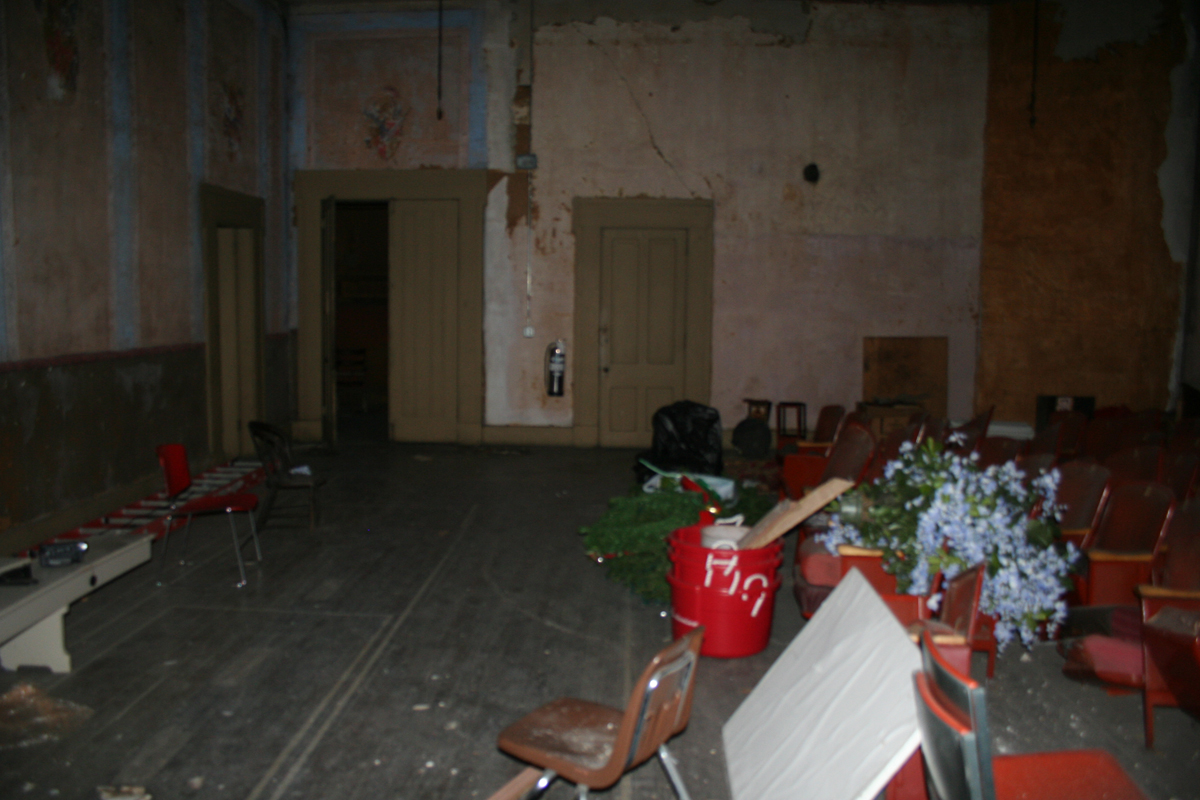
EVP Recordings
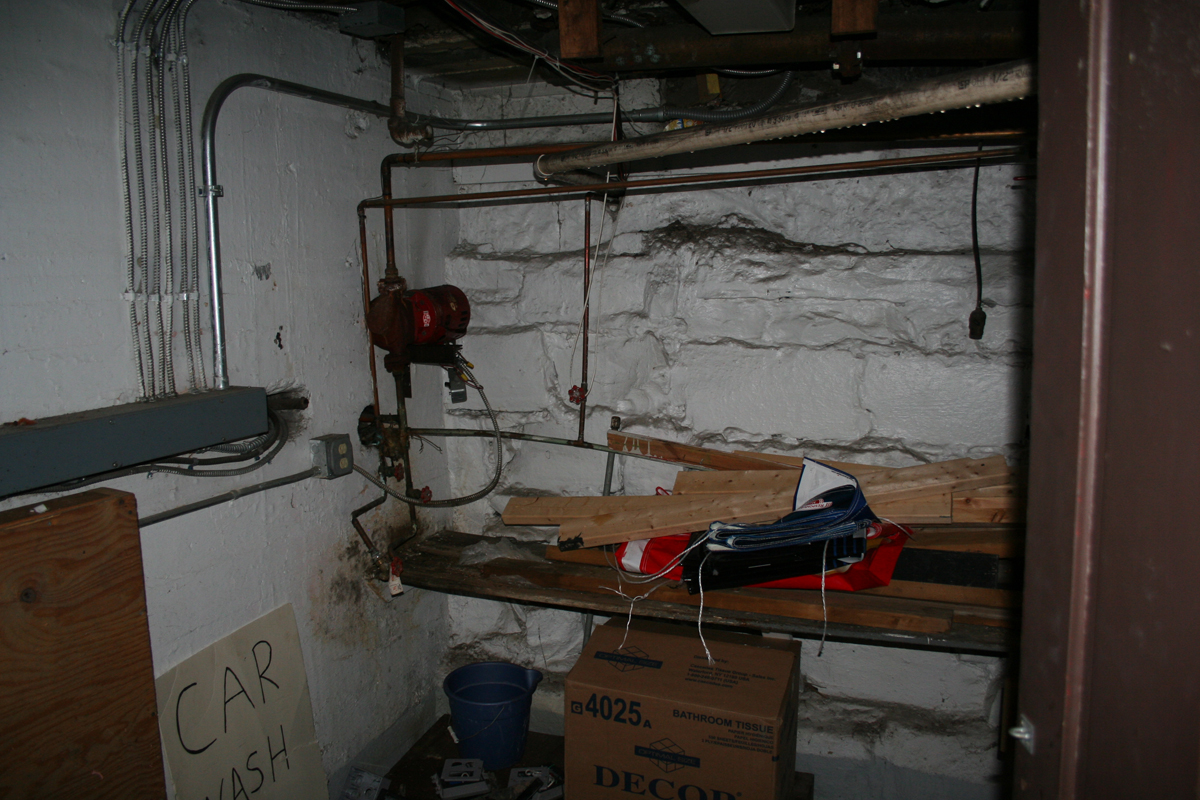
| No: This faint, hard to make out voice responds, “No,” after we asked if anyone is down in the old boiler room. | |
| Get Out: A whispery voice saying, “Get out,” was recorded when we asked the ghost where it may be. Apparently it didn’t want us there. | |
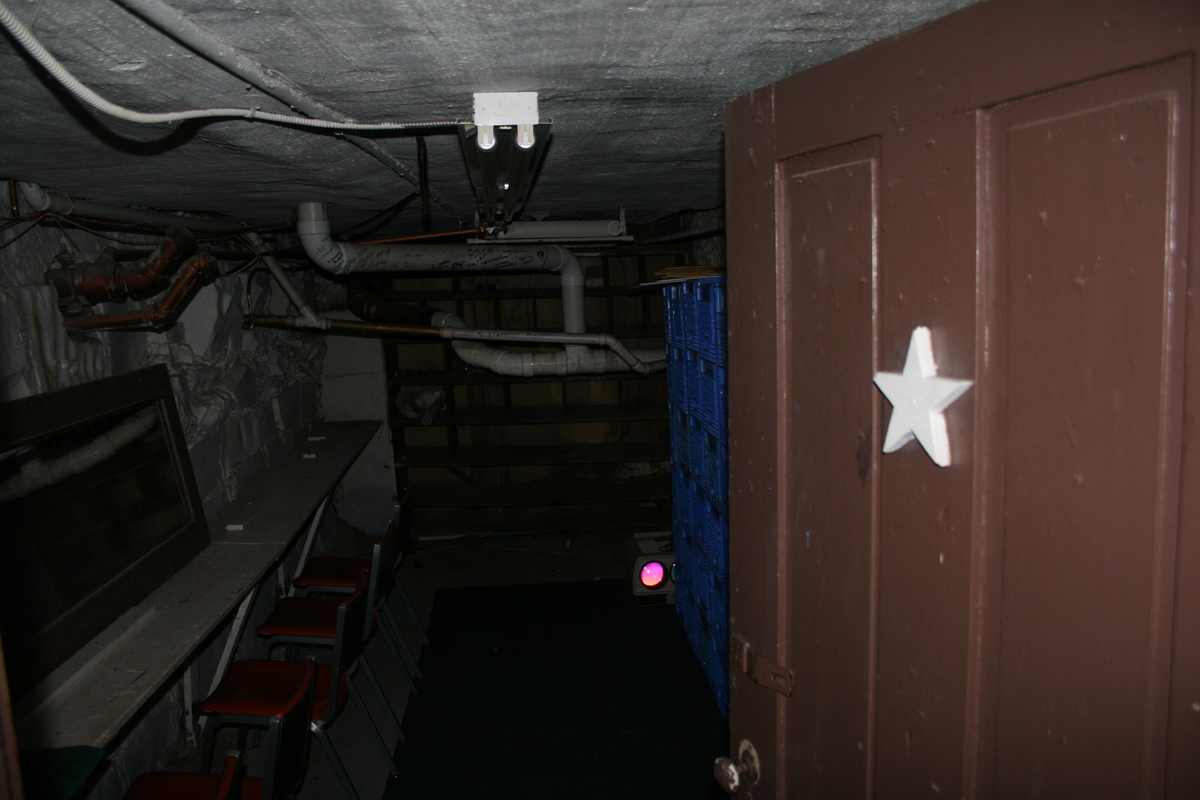
| Help Me: A faint whisper says, “Help me,” after we asked what it needs help with. This was recorded in the star dressing room. | |
| Lawrence Baker Is Who I Am: After asking for a name, a deep voice faintly says, “Lawrence Baker is who I am.” | |
| No: After hearing the, “No,” response from the boiler room above, another whispery, “No,” was recorded again just after a loud noise. | |
| Squeaking Stops: This is not an EVP, but audio of a persistent squeaking sound from the boiler stopping after Robinson asked for the sound to stop. |